Quick Guide to Sections
- Why Bother? The Staggering Value of Coral Reefs
- The Main Culprits: What's Killing Our Coral Reefs?
- The Front Lines of Coral Reef Conservation: What's Being Done?
- Your Role in Coral Reef Conservation: It's Not Just for Scientists
- Common Questions About Coral Reef Conservation (Answered)
- The Path Forward: A Realistic Hope
Let's talk about coral reefs. You've probably seen the pictures – those breathtaking, vibrant underwater cities teeming with life. I remember the first time I went snorkeling on a reef. It was like swimming in a living kaleidoscope. The colors, the movement, the sheer density of life was something you can't forget. But here's the hard truth: that memory is becoming harder to recreate for future generations. Those cities are crumbling.
It's not just about losing pretty fish. The conversation around coral reef conservation has moved from scientific journals to mainstream news because the stakes are incredibly high. When reefs die, it sets off a chain reaction that touches everything from your dinner plate to the weather report. Honestly, it's a bit overwhelming to think about. Where do you even start?
This guide is that start. We're going to break down the why, the how, and most importantly, the what-can-I-do about coral reef conservation. No jargon, no doom-scrolling without solutions. Just clear, actionable information.
The Bottom Line Up Front: Coral reefs are in serious trouble, but they are not a lost cause. Effective coral reef conservation requires understanding the threats (it's more than just warming water) and supporting a combination of global policy and hyper-local action. Yes, you can make a difference.
Why Bother? The Staggering Value of Coral Reefs
Sometimes, to save something, you need to remember what it's worth. And coral reefs? They're priceless multi-taskers.
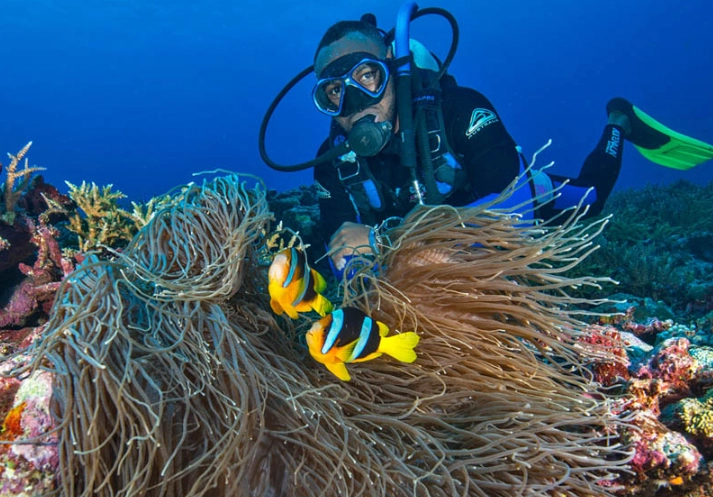
Think of them as the ultimate utility player in the ocean's game. First, they're biodiversity hotspots. Although they cover less than 1% of the ocean floor, they house about 25% of all marine species. That's like fitting every animal from the Amazon rainforest, the African savanna, and a few other ecosystems into your local park. It's mind-boggling efficiency.
Then there's the money. This isn't just environmental fluff – it's hard economics. According to the National Oceanic and Atmospheric Administration (NOAA), coral reefs provide an estimated $375 billion per year in goods and services worldwide. How?
- Coastal Protection: Reefs act as natural breakwaters. They absorb up to 97% of a wave's energy, shielding coastlines from storms, erosion, and flooding. Replacing that function with artificial seawalls costs a fortune.
- Fisheries: Millions of people depend on reef fish for food and income. Healthy reefs mean healthy fish stocks.
- Tourism: This is the big one for many tropical economies. Think diving, snorkeling, fishing trips, and beach hotels. The Great Barrier Reef alone supports over 60,000 jobs.
- Medicine: Coral organisms have produced compounds used in treatments for cancer, arthritis, bacterial infections, and more. We're potentially burning the pharmacy of the future.
So when we talk about coral reef conservation, we're not just talking about saving cute clownfish (though Nemo deserves a home). We're talking about food security, jobs, coastline safety, and future medical breakthroughs. The case is rock solid.
The Main Culprits: What's Killing Our Coral Reefs?
It's tempting to point to one villain – usually climate change – and call it a day. But the reality is messier. Reefs are getting hit from all sides. I like to think of it as death by a thousand cuts, with a few sledgehammers thrown in.
Here’s a breakdown of the major threats, from the global to the local.
The Global Sledgehammers
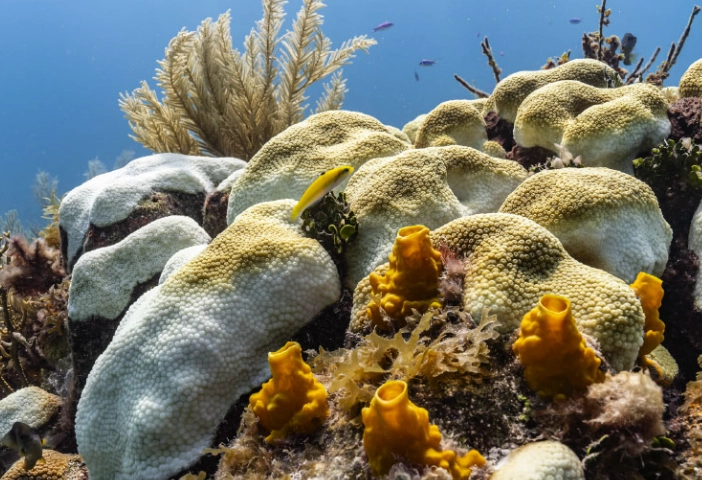
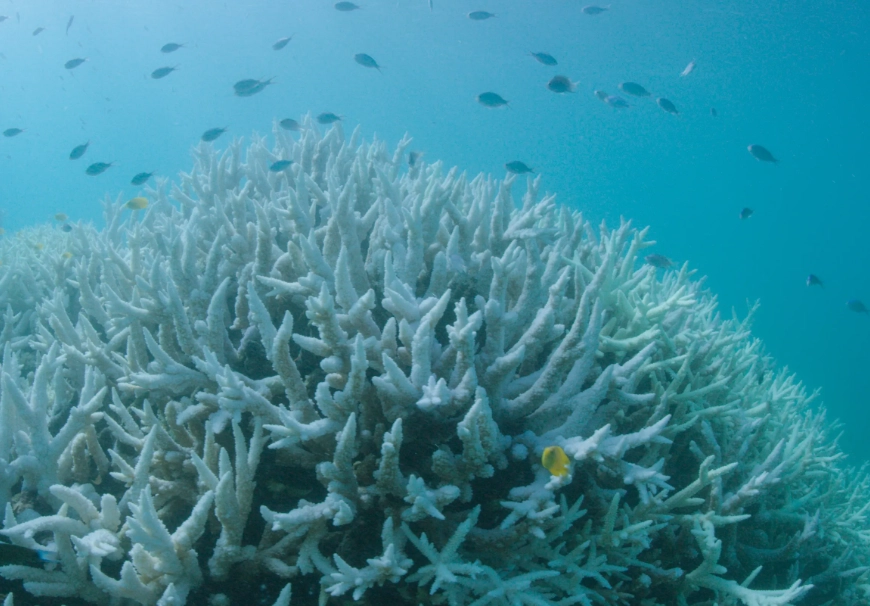
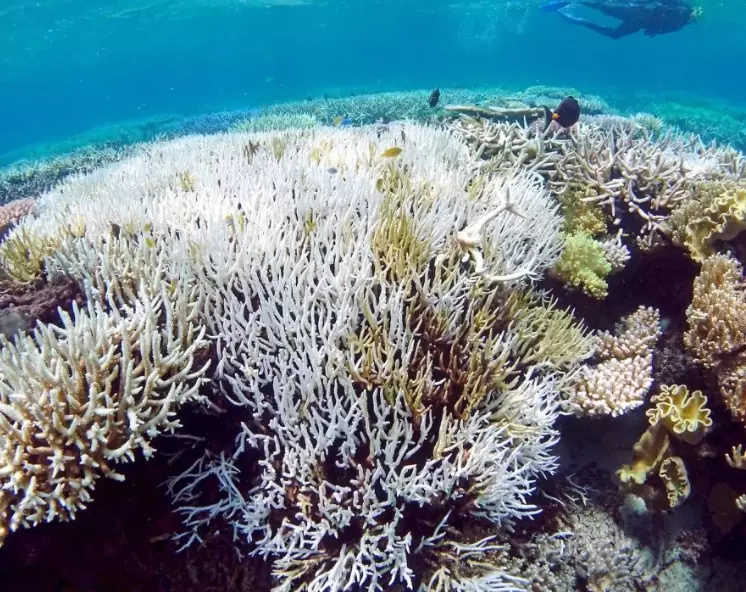
1. Ocean Warming and Coral Bleaching: This is the headline act. Corals have a fragile partnership with tiny algae called zooxanthellae that live inside them. The algae provide food (via photosynthesis) and color. When water gets too warm, stressed corals expel these algae. The coral turns bone white – that's "bleaching." It's not dead yet, but it's starving. If the heat stress lasts too long, the coral dies. Mass bleaching events, once rare, are now frighteningly common. The International Coral Reef Initiative (ICRI) tracks these events, and the maps get redder every year.
2. Ocean Acidification: The other side of the CO2 coin. The ocean absorbs about a third of our excess atmospheric carbon dioxide. This reacts with seawater to form carbonic acid, slowly lowering the ocean's pH. A more acidic ocean makes it harder for corals (and shellfish, and plankton) to build their calcium carbonate skeletons and shells. They literally struggle to grow their bones. It's a slow, pervasive threat that weakens the entire reef structure.
A Quick Reality Check: Some people argue that corals will just "adapt" to warmer, more acidic water. While some adaptation is possible, the current rate of change is geological-scale change happening in human lifetimes. It's like asking a tree to adapt to being on fire. The pace is the problem.
The Local Thousand Cuts
These are the problems we have more direct, immediate control over. Frankly, they're often more frustrating because they're so preventable.
- Pollution & Runoff: Fertilizers, pesticides, and sewage from land wash into the ocean. This nutrient pollution causes algal blooms that smother corals and block sunlight. Sediment from coastal construction clouds the water, again blocking light.
- Overfishing & Destructive Fishing: Taking too many fish, especially key species like parrotfish that clean algae off corals, throws the reef's balance out of whack. Even worse is blast fishing (using dynamite) or cyanide fishing, which directly destroy reef structures.
- Physical Damage: This one hits home for tourists. Anchors dropped directly on reefs, careless divers and snorkelers kicking or standing on coral, and boat groundings can crush decades of growth in seconds.
- Coastal Development: Mangrove forests and seagrass beds, which act as natural water filters and nurseries for reef fish, are often cleared for resorts and marinas, removing a critical line of defense for the reef.
See what I mean? A reef near a populated coast might be dealing with warmer water, acidic conditions, fertilizer runoff, sewage, sediment, and too many fishing boats all at once. It's a brutal cocktail. This is why holistic coral reef conservation has to address both the big global policies and the messy local realities.
The Front Lines of Coral Reef Conservation: What's Being Done?
Okay, enough with the problems. The good news is that thousands of brilliant, dedicated people are working on solutions. Coral reef conservation isn't a monolith – it's a toolkit, and scientists are adding new tools all the time. Let's look at the main strategies.
1. Protection & Policy: Drawing Lines in the Sand (and Water)
The most straightforward tool is to simply protect areas. Marine Protected Areas (MPAs) and marine parks restrict harmful activities like fishing or anchoring. The key is that they need to be well-managed and enforced. A "paper park" with no patrols is useless.
Strong environmental laws matter too. Regulations that limit coastal pollution, mandate sewage treatment, and ban destructive fishing gear are foundational. This is where supporting organizations that do policy advocacy, like the Coral Reef Alliance, can have a massive ripple effect.
2. Active Restoration: The Coral Gardeners
This is the hands-on, hopeful work you might have seen on documentaries. It involves growing corals in nurseries and then "outplanting" them onto damaged reefs.
- Fragmentation: Taking small, healthy pieces of coral (frags), growing them on underwater frames or lines, then attaching them to the reef.
- Larval Propagation: Collecting coral sperm and eggs during annual spawning events, raising the larvae in tanks, and releasing them onto reefs to settle and grow. This promotes greater genetic diversity.
It's not a silver bullet. Outplanted corals are tiny and face the same threats as the original reef. But for critically damaged areas or to boost populations of rare species, it's a vital tool. The scale is increasing every year.
3. Science & Innovation: Building a Better Coral
This is where it gets really sci-fi. Researchers are exploring "assisted evolution" to help corals survive in our changing world.
- Identifying Super-Corals: Finding individual corals that have naturally survived bleaching events and studying their genetics or their symbiotic algae.
- Selective Breeding & Hybridization: Breeding these resilient corals to create tougher offspring.
- Microbiome Manipulation: Tweaking the community of microbes that live on and in corals to make them more heat-tolerant.
It's controversial to some who fear playing God, but many scientists see it as a necessary intervention in an emergency situation. The goal isn't to replace natural reefs, but to buy them time while we tackle the root causes of climate change.
4. Community-Led Conservation: The Secret Sauce
Here's the thing: top-down conservation often fails. The most successful coral reef conservation projects I've seen are those that fully involve local communities. If the people who live by the reef don't benefit from protecting it, the rules won't stick.
This means creating alternative livelihoods (like reef tourism jobs instead of destructive fishing), involving locals in monitoring and protection (as paid rangers or citizen scientists), and respecting traditional knowledge. When communities have a stake, they become the reef's fiercest guardians.
| Conservation Strategy | How It Works | Key Benefit | A Major Challenge |
|---|---|---|---|
| Marine Protected Areas (MPAs) | Legally designates a "no-take" or regulated zone to allow ecosystem recovery. | Simple, proven, protects entire ecosystems. | Requires consistent funding and enforcement to be effective. |
| Coral Gardening & Outplanting | Grows coral fragments in nurseries and transplants them to degraded reefs. | Tangible, hands-on, can restore local sites quickly. | Labor-intensive, small scale relative to the problem. |
| Assisted Evolution & Breeding | Uses science to develop corals with higher heat or stress tolerance. | Addresses the core threat of climate change head-on. | Long-term, complex research; ethical and ecological risk debates. |
| Water Quality Management | Reduces land-based pollution (sewage, farm runoff) entering coastal waters. | Removes a major local stressor, benefits human health too. | Requires political will and infrastructure investment. |
Your Role in Coral Reef Conservation: It's Not Just for Scientists
This is the part where people often tune out. "I'm not a marine biologist, what can I do?" Let me be blunt: if you only care about reefs when you're on vacation, we've already lost. Real coral reef conservation needs everyone. The good news? Your actions, multiplied by millions, create the political and economic pressure for real change.
Be a Smart Tourist (If You Go)
Tourism money can fund protection or fuel destruction. Choose wisely.
- Pick Responsible Operators: Look for tour companies with eco-certifications. Ask them: Do they give buoyancy briefings? Do they prohibit touching or standing on coral? Do they use mooring buoys instead of anchoring?
- Your Behavior in the Water: Master your buoyancy. Never touch, stand on, or chase wildlife. Reef-safe sunscreen is non-negotiable – chemicals like oxybenzone kill coral larvae. Mineral-based zinc oxide is a safe bet.
- Don't Buy Souvenirs: Never buy coral jewelry or shells. It fuels an illegal and destructive trade.
Change Your Daily Habits (The Ripple Effect)
What you do at home affects reefs thousands of miles away.
- Reduce Your Carbon Footprint: This is the big one. Drive less, fly less, eat less red meat, switch to renewable energy if you can, make your home energy-efficient. Every ton of CO2 not emitted helps slow ocean warming and acidification. This is the single most impactful thing for long-term coral reef conservation.
- Watch What Goes Down the Drain: Avoid fertilizers and pesticides on your lawn. They end up in the ocean. Don't flush pharmaceuticals.
- Eat Sustainable Seafood: Use guides from the Monterey Bay Aquarium Seafood Watch to avoid fish caught with destructive methods or from overfished stocks.
- Reduce Plastic Use: Plastic bags and bottles often end up in the ocean, smothering reefs or being eaten by marine life.
Use Your Voice and Your Wallet
This is about systemic change.
- Support Reputable Organizations: Donate to or volunteer with groups doing on-the-ground coral reef conservation work or policy advocacy. Do your research to ensure they're legitimate.
- Vote for the Ocean: Support politicians and policies that address climate change, protect marine environments, and fund science.
- Talk About It: Share what you've learned. Social pressure changes norms and behaviors.
Think it's hopeless? There are success stories. Reefs in the Northern Great Barrier Reef that escaped severe recent bleaching are showing recovery. Glover's Reef in Belize, once overfished, is rebounding due to strong protection. Apo Island in the Philippines is a legendary example of how community management can revive a reef and local livelihoods. Coral reef conservation works when we commit to it.
Common Questions About Coral Reef Conservation (Answered)
Let's tackle some of the specific things people are typing into Google.
The Path Forward: A Realistic Hope
Look, I won't sugarcoat it. The challenge of coral reef conservation is monumental. It requires transforming our energy systems, our agricultural practices, our economies, and our relationship with the ocean. Some days, the news feels like a punch in the gut.
But I've also stood on the deck of a research boat with scientists who haven't given up. I've seen the meticulous care of a coral gardener placing a tiny fragment on a reef. I've met fishers who became conservation rangers. That energy is real.
The blueprint is there. Reduce carbon emissions aggressively. Protect and connect marine areas. Manage local pollution. Empower coastal communities. Invest in science and restoration.
Coral reefs have been on this planet for hundreds of millions of years. They've survived massive changes before. They are resilient. Our job is to stop pummeling them and give that resilience a chance to work. This isn't just about saving corals. It's about saving the intricate web of life they support, and in doing so, protecting a fundamental part of our own world's health and beauty. The work of coral reef conservation is, ultimately, an act of profound hope. And it starts with understanding, caring, and deciding to do something.
So, what's your next move?
Comments