In This Guide
- Why is Diving with Sea Turtles So Special?
- Preparing for Your Turtle Dive: More Than Just Gear
- The Best Places in the World for Diving with Sea Turtles
- The Golden Rules: How to Behave Around Sea Turtles
- Beyond the Dive: Conservation and How You Can Help
- Answering Your Questions About Diving with Sea Turtles
- Putting It All Together for Your Adventure
Let's be honest. For a lot of us who strap on a tank and jump into the blue, the dream isn't just about the weightlessness or the pretty fish. It's about that one iconic encounter. The slow, graceful flap of huge flippers. The wise, ancient-looking eyes. The sheer, quiet magic of sharing the water with a creature that feels like it's from another time. I'm talking, of course, about diving with sea turtles.
I remember my first time. It was in a spot that wasn't even famous for it. I was fiddling with my camera, looking at some clownfish, and when I turned around, there it was. A huge green turtle, just… cruising. It looked at me with what I can only describe as mild curiosity, took a breath at the surface, and then sank down to munch on some seagrass. Time just stopped. That feeling—that connection—is what keeps divers coming back.
But how do you make it happen? And how do you do it right?
This isn't just a list of locations. This is the guide I wish I'd had before my first turtle dive. We're going to break down everything: why it's so special, how to prepare (mentally and gear-wise), where your best bets are globally, the absolute must-know rules for interacting with them, and how your dive can actually help protect these incredible animals. Consider this your one-stop shop for planning the ultimate diving with sea turtles adventure.
Why is Diving with Sea Turtles So Special?
It's hard to put a finger on it. Sharks are thrilling. Manta rays are majestic. But turtles? They have a different vibe. They're calm. They're methodical. Watching a turtle go about its business—eating, sleeping, gliding effortlessly—is incredibly meditative. There's a sense of peace they bring to the underwater world.
Part of it is their biology. They're ancient mariners. These guys were sharing the oceans with dinosaurs. When you're diving with sea turtles, you're literally in the presence of living history. Their lifespan can stretch over decades, even a century for some species. That turtle you're watching might be older than your grandparents. That adds a layer of reverence to the encounter that you just don't get with many other marine animals.
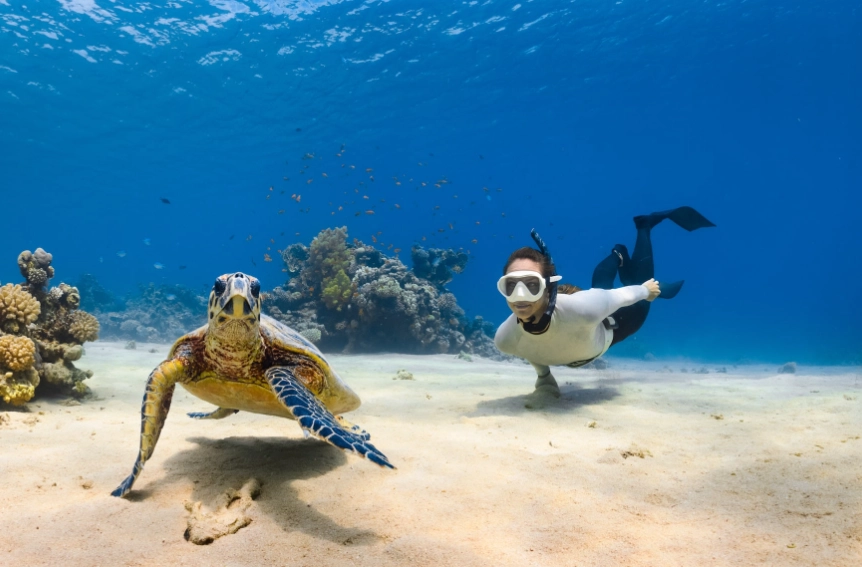
Each species has its own personality. Hawksbills, often found nibbling on sponges on coral reefs, can seem a bit more skittish. Greens, chilling on seagrass beds, are often the laid-back, relaxed models of the turtle world. Understanding who you might meet makes the dive even more exciting.
Preparing for Your Turtle Dive: More Than Just Gear
Okay, so you're sold on the idea. Before you book that flight to a remote atoll, let's talk prep. A successful turtle encounter isn't just luck; it's about being in the right place with the right skills and the right attitude.
Skill Level & Certification
Most turtle diving happens in relatively shallow, calm waters near reefs or seagrass beds. You don't need to be a tech diver. A basic Open Water certification is often enough. But here's the crucial part: your buoyancy control needs to be on point. I mean, really on point.
Why? Because the number one rule is don't touch and don't disturb. If you're finning like a windmill, kicking up sand, or accidentally bumping into the reef, you'll stress the turtle out and ruin the habitat. A good buoyancy course or some practice in a pool can make a world of difference. It's the single most important skill for not just seeing turtles, but for being a responsible diver around them.
The Mental Prep: Managing Expectations
This is a big one. Social media is flooded with perfect photos of divers nose-to-nose with turtles. Reality is messier and, in my opinion, better.
Sometimes the turtle ignores you completely. Sometimes it swims away. Sometimes you see one from 10 meters away and that's it. And that's okay! The encounter is on their terms. The magic is in observing their natural behavior, not forcing an interaction. Going in with the mindset of a quiet observer, rather than a paparazzo, will lead to a much more rewarding experience. The best moments I've had diving with sea turtles were when they decided to stick around because I was just… still.
Gear Considerations
Nothing too out of the ordinary, but a few things help:
- Camera: If you're bringing one, get a floating wrist strap. Fumbling and dropping your camera on the reef (or on a turtle!) is a nightmare. Set your settings beforehand if you can. You want to be ready for a quick shot without lots of button-pressing and frantic movement.
- Gloves: A controversial one. Many dive destinations, especially marine protected areas, now ban gloves. Why? Because it removes the temptation to grab onto the reef. Your bare skin will remind you to keep your hands to yourself. Check local rules.
- Streamlined Setup: Dangling pressure gauges, octopus regulators, or snorkels can drag across the seabed. Tuck everything in. Be a clean, hydrodynamic diver.
The Best Places in the World for Diving with Sea Turtles
Now for the fun part. Where do you go? Turtles are found in tropical and subtropical oceans worldwide, but some spots are just ridiculous. Like, "you'll see a dozen on a single dive" ridiculous. Here’s a breakdown of the heavy hitters and a few hidden gems.
| Location | Star Species | Best Time to Visit | The Vibe & What to Expect |
|---|---|---|---|
| Sipadan Island, Malaysia | Green & Hawksbill | Year-round (Apr-Dec best viz) | The holy grail. It's a protected marine park, numbers are strictly limited. You'll see turtles sleeping under ledges, feeding, everywhere. It's almost guaranteed. A truly world-class diving with sea turtles experience. |
| Akumal, Mexico | Green | May-Sept | Famous for shallow, easy-access bays filled with seagrass. You can often snorkel with them here! Can get crowded, so going with a guided, eco-conscious tour is key. |
| Maui, Hawaii, USA | Green (Honu) | Year-round | Hawaiian green turtles (Honu) are revered. Sites like Turtle Town or Maluaka Beach offer reliable sightings. The turtles here are used to people but protected by strong laws. A respectful, cultural experience. |
| The Great Barrier Reef, Australia | Green, Hawksbill, Loggerhead | Jun-Nov (cooler, drier months) | Vast and varied. Heron Island or Lady Elliot Island are turtle nesting hotspots, so diving here offers a full lifecycle view. The reef itself is the main attraction, with turtles as a glorious bonus. |
| Apo Island, Philippines | Pawikan (Green & Hawksbill) | Mar-Oct | A community-managed marine sanctuary success story. The turtles are plentiful and relaxed because they've been protected for decades. The diving is easy, shallow, and perfect for photographers. |
| Marsa Alam, Egypt | Green | Apr-Jul, Sep-Nov | Home to the famous "House Reef" where turtles are resident. Sites like Abu Dabbab also have dugongs! The Red Sea offers clear water and consistent conditions, making for stress-free turtle spotting. |
What about the less crowded spots? They exist. Consider places like Lembongan/Penida in Indonesia (though currents can be strong), certain sites in Fiji, or the quieter atolls of Belize away from the main tourist hubs. Sometimes, asking a local dive operator for their "turtle cleaning station" site is the best tip you'll get.
Location is half the battle. Behavior is the other half.
The Golden Rules: How to Behave Around Sea Turtles
This is the most critical section. Loving turtles means putting their welfare first. The rules aren't complicated, but they're non-negotiable.
The 5 Commandments of Diving with Sea Turtles
- Do Not Touch. Ever. This isn't just a guideline; it's marine law in many places. Touching can remove their protective bio-film, spread disease, and cause immense stress. They are not petting zoo animals.
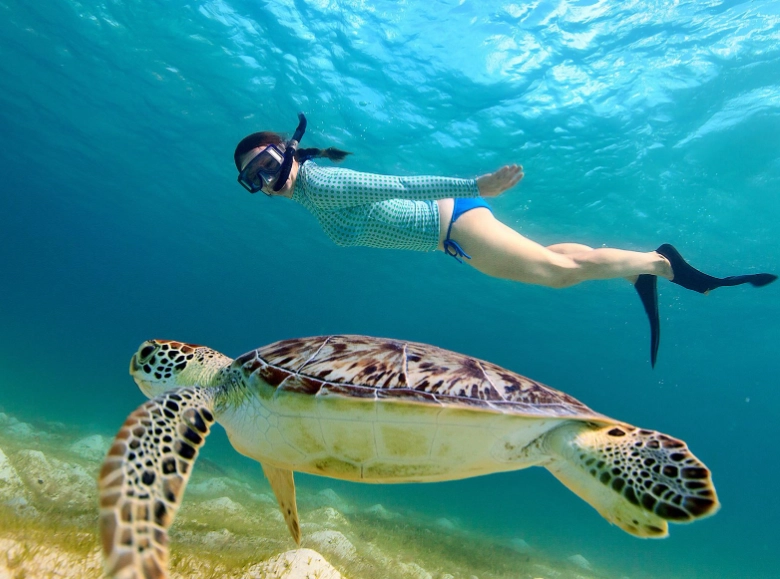
- Give Them Space. The general rule is to stay at least 2-3 meters away. If the turtle moves away from you, you're too close. Back off. Let them control the encounter.
- Never Block Their Path to the Surface. Turtles are air-breathing reptiles. They must surface to breathe. Never position yourself above them or in their upward swimming path. It can cause them to panic and hold their breath, which is dangerous.
- No Flash Photography. Sudden bright flashes can startle and disorient them. Use natural light or video lights set to constant mode. If your camera has a focus-assist light, turn it off.
- Absolutely No Feeding or Chasing. Altering their natural behavior harms them. Feeding makes them reliant on humans and vulnerable to boat strikes. Chasing stresses them out and wastes their precious energy.
I've seen it happen. A diver gets excited, swims right up to a resting turtle, and it bolts in a cloud of sand. That diver just used up energy the turtle needed for migration or foraging, all for a selfie. It's selfish, and it ruins the experience for everyone else. Good dive operators will brief you on this, but the responsibility is yours.
For the most current and science-backed guidelines on responsible marine wildlife interaction, I always recommend checking the resources from the PADI AWARE Foundation. Their materials are clear, practical, and used by pros worldwide.
Beyond the Dive: Conservation and How You Can Help
Seeing a turtle in the wild is a privilege. It also comes with a responsibility. The sad truth is that all seven species face threats: plastic pollution, habitat loss (like coral bleaching), entanglement in fishing gear (ghost nets), illegal trade, and climate change affecting nesting beaches.
The good news? Your dive tourism dollars, when directed wisely, are a powerful conservation tool. Here's how to make your diving with sea turtles adventure part of the solution:
- Choose Operators Who Care: Book with dive shops that are actively involved in conservation. Do they run beach cleanups? Support local turtle hatcheries? Offer eco-conscious briefings? Ask them. Your choice matters.
- Support Marine Protected Areas (MPAs): Places like Sipadan or Apo Island thrive because they're protected. The entry fees you pay fund patrols, research, and community programs. Seek out these destinations.
- Be a Citizen Scientist: Some organizations use diver photos to track turtles. The unique scale pattern on a turtle's face is like a fingerprint. You can submit your photos to databases like Seaturtle.org which supports global research efforts.
- Reduce Your Plastic Footprint: This starts at home. Turtles often mistake plastic bags for jellyfish. Use reusable bottles, bags, and say no to single-use plastics. It all ends up in the ocean eventually.
To understand the global status and threats, the IUCN Red List is the authoritative source. Seeing species like the Hawksbill listed as "Critically Endangered" really drives home why our behavior matters.
Answering Your Questions About Diving with Sea Turtles
Let's tackle some of the common things people wonder about, the questions that pop up after the initial "where and when."
Putting It All Together for Your Adventure
So, what's the takeaway? Diving with sea turtles isn't about checking a box on a bucket list. It's about entering their world with humility and respect. It's about the quiet thrill of a shared moment in the vast ocean.
Plan wisely—pick a destination that matches your skills and supports conservation. Prep diligently—master your buoyancy. Act responsibly—follow the golden rules to the letter. And think holistically—see yourself as a guest, an observer, and hopefully, a contributor to their survival.
The image of a sea turtle gliding through a sunbeam is iconic for a reason. It represents a wild, ancient, and beautiful part of our planet that is still within our reach to experience and protect. By approaching your diving with sea turtles adventure with the right knowledge and mindset, you ensure that the magic remains for the turtles, for the reef, and for every diver who comes after you.
Now go plan that dive. And maybe I'll see you down there, hovering quietly, waiting for that slow, graceful shadow to appear from the blue.
Comments