Explore the Dive Guide
Let's be honest, picking a dive trip can be overwhelming. You scroll through endless photos of crystal clear water and vibrant reefs, every destination looking more incredible than the last. How do you even choose? I've been there, staring at a map, paralyzed by too much awesome. After years of chasing bubbles around the globe—some trips spectacular, others a bit of a letdown—I've put together what I genuinely believe is the definitive list. This isn't just a regurgitation of popular names; it's a practical, experience-based guide to the Top 10 Diving Destinations in the World. We'll talk about what makes each place special, who it's really for, and the stuff other lists don't always mention (like currents, costs, and that one spot that's maybe gotten a bit too popular for its own good).
My goal here is simple: to give you all the info you need to make a decision you won't regret. Whether you're a newbie doing your first open water dives after certification or a seasoned tech diver looking for a new challenge, there's a world of underwater magic waiting. Let's jump in.
What Makes a Destination a Top Contender?
When we talk about the world's best dive sites, we're judging on a few key things. Marine biodiversity is huge—it's the variety of life that takes your breath away. Water clarity matters because, well, you want to see that life. Accessibility and infrastructure count too; the most remote reef in the world isn't a top destination if only five people a year can get there. Unique selling points, like a resident population of a rare species or an unparalleled geological formation, push a place to the top. And finally, there's that intangible feeling, the "wow" factor that stays with you long after you've dried off.
The Definitive Top 10 Diving Destinations in the World
Alright, here we go. I've listed these in a rough order of overall appeal and fame, but honestly, numbers 3 through 7 could be swapped on any given day depending on my mood. Each one is a champion in its own right.
The Coral Triangle Crown Jewel: Raja Ampat, Indonesia
Let's start with a powerhouse. Raja Ampat, off the coast of West Papua, is frequently cited by marine biologists as having the highest recorded marine biodiversity on Earth. We're talking over 1,500 species of fish and 75% of the world's known coral species. The numbers are staggering, but what does it feel like? It's sensory overload in the best way. One moment you're drifting past a giant sea fan, the next you're surrounded by a school of shimmering barracuda, and a pygmy seahorse might be hiding on the next coral bommie.
Best for: Advanced beginners to experienced divers. Muck diving enthusiasts (check out places like Arborek Jetty). Underwater photographers.
Watch out for: Strong currents on some sites (know your limits!). It's remote and relatively expensive to get to and stay in. The liveaboard life is the way to go here to see the most.
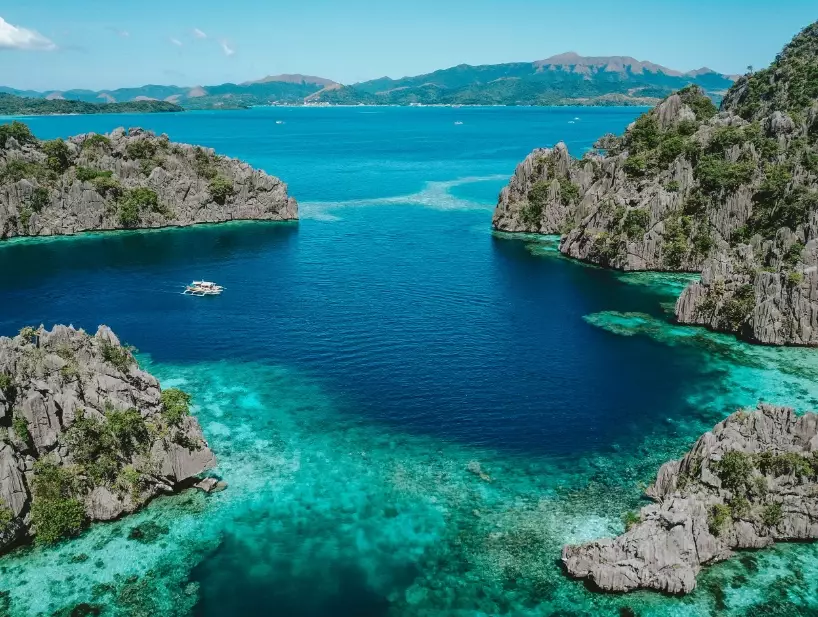
Don't Miss: The manta ray cleaning stations at Manta Sandy, the stunning reefs of Misool, and the breathtaking above-water scenery of karst islands.
For the latest on marine protected area regulations and conservation efforts, which are crucial for its preservation, check the official Raja Ampat Tourism Website.
The Big Animal Mecca: Socorro Islands, Mexico
If your dream dive involves close encounters with the ocean's giants, look no further than the Revillagigedo Archipelago, a UNESCO World Heritage site known to divers as Socorro. This is big animal, pelagic action at its finest. The islands are located about 250 miles off the coast of Cabo San Lucas, accessible only by liveaboard for a 10-12 day trip.
What's on the menu? How about friendly, curious giant Pacific manta rays with wingspans over 20 feet? They will literally swim loops around you. Then there are the dolphins that come to play in your bubbles. And the sharks—silvertips, Galapagos sharks, and the star of the show, the scalloped hammerhead. I've had dives here where I've seen more than 50 hammerheads circling in the blue. The water is deep, often clear, and alive with energy.
Best for: Advanced divers and adrenaline seekers. Shark lovers. Underwater videographers.
Watch out for: Challenging conditions. Seasickness on the long crossings. It's a commitment of time and money.
Don't Miss: The cleaning stations at Boiler (mantas) and Roca Partida (shark city).
The Wreck Diving Capital: Truk Lagoon, Micronesia
History, tragedy, and an incredible artificial reef all in one. Truk (now often called Chuuk) Lagoon is a must for any wreck diving enthusiast. During WWII, it was Japan's main naval base in the South Pacific. In 1944, Operation Hailstone saw American forces sink over 60 Japanese ships and hundreds of aircraft in a two-day assault. Today, these wrecks sit in crystal clear, warm water, creating one of the most fascinating underwater museums imaginable.
You can penetrate cargo holds filled with trucks, tanks, and fighter planes. You'll see plates, bottles, and even the personal effects of sailors. The marine life has taken over spectacularly, with soft corals, sponges, and schools of fish covering the structures. The Fujikawa Maru, a fighter plane freighter, is often cited as one of the best wreck dives in the world.
Best for: Wreck divers (both recreational penetration and tech divers). History buffs. Macro life lovers (the wrecks are covered in critters).
Watch out for: The depth—many wrecks start deep, requiring advanced certifications or trimix for full exploration. Some artifacts are considered war graves and should be treated with respect.
Don't Miss: The engine room of the Fujikawa Maru, the intact Zero fighters in the holds of the Hoki Maru, and the eerie deck guns of the Shinkoku Maru.
The Accessible Paradise: The Great Barrier Reef, Australia
Yes, it's on every list. No, it hasn't "died" (though it faces serious threats from climate change and coral bleaching). The Great Barrier Reef is still a living masterpiece, the world's largest coral reef system stretching over 1,400 miles. Its inclusion on any list of the Top 10 Diving Destinations in the World is non-negotiable because of its sheer scale and accessibility.
From day trips out of Cairns to week-long liveaboard adventures to the remote Ribbon Reefs or the Coral Sea, there's an experience for everyone. You can see dwarf minke whales (on specialized expeditions), reef sharks, turtles, and the famous Potato Cod at Cod Hole. The biodiversity is immense.
I'll be straight with you.
The parts closest to the mainland, near Cairns, have suffered the most. For the best experience, you need to get away from the day-boat crowds. A liveaboard heading to the outer reefs is worth every penny. The health and color of the coral out there is on a different level.
For authoritative information on reef health, research, and responsible tourism practices, the Great Barrier Reef Marine Park Authority is an essential resource.
Best for: All levels, especially beginners. Families. Non-diving companions (great snorkeling).
Watch out for: Crowds on popular day-trip sites. Seasonal stinger jellyfish (wear a stinger suit!). The long travel time for most international visitors.
Don't Miss: The Cod Hole, the Yongala Wreck (a bit further south, arguably Australia's best dive), and the remote Osprey Reef in the Coral Sea for shark action.
The Cold Water Wonder: Silfra Fissure, Iceland
This one is for the bravest and those looking for something completely different. Silfra is a crack between the North American and Eurasian tectonic plates, filled with glacial meltwater that has been filtered through porous underground lava rock for decades. The result? The clearest water on Earth, with visibility that routinely exceeds 100 meters (330 feet).
Diving or snorkeling here is like floating in space. You are literally touching two continents at once. The water is a constant 2-4°C (36-39°F), so you'll be in a drysuit (and you'll need certification or a guide for that). The experience is less about wildlife—you might see some Arctic char—and more about the sheer, otherworldly geology and surreal clarity.
Best for: Adventurous spirits. Photographers seeking a unique shot. Certified drysuit divers.
Watch out for: The cold (it's no joke). Strict regulations and required guiding. It's a very expensive dive for a relatively short time underwater.
Don't Miss: The Silfra Cathedral, a wide, open section with incredible light.
The Caribbean Classic: The Cayman Islands
For consistent, easy, and beautiful diving, it's hard to beat the Caymans. Grand Cayman, Little Cayman, and Cayman Brac offer a fantastic blend of world-class wall diving, vibrant reefs, and fun wildlife encounters. The islands are a well-oiled diving machine, with professional operations, great infrastructure, and water that's warm and clear year-round.
Grand Cayman's Stingray City is a unique, if touristy, experience where you can interact with wild southern stingrays in shallow sandbars. But the real magic is on the walls. The Bloody Bay Wall off Little Cayman is a vertical drop-off covered in sponges and black coral that starts in just 20 feet of water, making it accessible to almost everyone.
Best for: All levels, particularly beginners and intermediate divers. Underwater photographers (great macro and wide-angle). Travelers who want a mix of diving and nice resorts/beaches.
Watch out for: It can be pricey. Stingray City can feel like an underwater circus during peak times.
Don't Miss: Bloody Bay Wall (Little Cayman), the wreck of the USS Kittiwake (Grand Cayman), and the muck diving sites for seahorses and frogfish.
The Shark Diver's Dream: Tiger Beach, Bahamas
If Socorro is for pelagic shark diversity, Tiger Beach is for intimate, close-up encounters with one of the ocean's most iconic predators: the tiger shark. This shallow sand flat in the Bahamas, accessible by liveaboard from West Palm Beach or Freeport, has become synonymous with safe, consistent tiger shark diving.
You'll sit on the sand in 15-20 feet of water as lemon sharks, Caribbean reef sharks, and the magnificent tigers cruise inches past you. The clear, shallow water provides perfect lighting for photography. It's an incredibly controlled and safe environment with experienced operators, making it the best place on the planet to see these animals up close.
Best for: Shark enthusiasts and photographers. Divers comfortable with controlled baited scenarios.
Watch out for: The ethical debate around shark feeding (choose your operator carefully). You need to be calm and follow guide instructions precisely.
Don't Miss: The moment a 12-foot tiger shark glides silently past you, close enough to see every spot and stripe.
The Remote Frontier: Galápagos Islands, Ecuador
Charles Darwin's laboratory offers some of the most rugged, wild, and rewarding diving on the planet. This is not a tropical coral reef destination. The waters are cooled by the Humboldt and Cromwell Currents, bringing nutrient-rich water that supports an astonishing biomass. Expect colder water (18-24°C / 65-75°F), strong currents, and sometimes limited visibility. But what you see is unparalleled.
Schools of hundreds of scalloped hammerheads. Massive whale sharks (seasonal). Marine iguanas feeding underwater—the only lizard in the world that does this. Galapagos sharks, penguins, sea lions... the list goes on. It's a living documentary.
For information on the strict conservation regulations that protect this unique ecosystem, visit the official Galapagos Conservancy site.
Best for: Expert divers seeking the ultimate animal encounters. Wildlife and nature lovers.
Watch out for: Difficult conditions. It's expensive and requires a significant time commitment.
Don't Miss: Wolf and Darwin Islands (the pinnacle of Galapagos diving, accessible only by liveaboard), and the playful sea lions at Cousins Rock.
The Macro Life Champion: Lembeh Strait, Indonesia
While Raja Ampat wins for big biodiversity, its neighbor to the west, the Lembeh Strait in North Sulawesi, is the undisputed capital of muck diving and macro photography. If you love finding the weird, wonderful, and tiny, this is your holy grail. The black volcanic sand slopes may look barren at first glance, but they are teeming with some of the ocean's most incredible critters.
We're talking mimic octopus, flamboyant cuttlefish, blue-ringed octopus, harlequin shrimp, frogfish of every color, and a dozen species of rare nudibranchs on a single dive. The guides here are legendary, with eagle eyes that can spot a hairy frogfish the size of your thumbnail from ten feet away.
Best for: Underwater macro photographers. Critter hunters. Divers who love slow, detailed dives.
Watch out for: The "muck"—it's not pretty postcard coral. Some find the diving repetitive after a week. Water visibility is often low.
Don't Miss: A night dive—that's when many of the strangest creatures come out to play.
The All-Rounder: The Red Sea, Egypt
For Europeans and many others, the Red Sea is the accessible, affordable, and reliably fantastic dive holiday. The northern reefs around Sharm el-Sheikh and the Ras Mohammed National Park offer beautiful coral gardens, sheer walls, and iconic wrecks like the SS Thistlegorm, a WWII cargo ship packed with motorcycles, trucks, and locomotives.
Head south on a liveaboard to the remote reefs of the Brothers, Daedalus, and Elphinstone (the "BDE" route), and you enter pelagic territory with a high chance of encountering oceanic whitetip sharks, hammerheads, and massive schools of fish. The Red Sea has it all: history, reefs, big animals, and wrecks, all in warm, clear water with generally good conditions.
Best for: All levels (different zones for different skills). Wreck divers. Budget-conscious divers seeking great value.
Watch out for: Political stability can be a concern (always check travel advisories). Some reefs have suffered from over-tourism in the past.
Don't Miss: The SS Thistlegorm wreck, the shark reefs of the southern itinerary, and the stunning coral formations of the Straits of Tiran.
And that's the list.
Ten completely different experiences, each worthy of the title "best." From the icy clefts of Silfra to the fish-packed currents of Raja Ampat, the Top 10 Diving Destinations in the World prove that our blue planet has an adventure for every kind of diver.
How to Choose Your Next Dive Destination: A Quick Comparison
Still feeling torn? This table might help you narrow it down based on what you're really after.
| If You Want... | Top Pick(s) | Skill Level Needed | Approx. Cost ($$$ High - $ Low) |
|---|---|---|---|
| Big Animals & Sharks | Socorro, Tiger Beach, Galapagos | Advanced | $$$ |
| Incredible Coral & Fish Biodiversity | Raja Ampat, Great Barrier Reef (outer reefs) | Beginner to Advanced | $$-$$$ |
| Wreck Diving | Truk Lagoon, Red Sea (Thistlegorm) | Intermediate to Advanced/Tech | $$-$$$ |
| Macro & Critters | Lembeh Strait, Raja Ampat (muck sites) | All Levels | $$ |
| Easy, Relaxed Diving | Cayman Islands, Red Sea (North), Great Barrier Reef (day trips) | Beginner | $$-$$$ |
| A Unique/Extreme Experience | Silfra Fissure | Intermediate (Drysuit) | $$$ |
Answers to Your Burning Questions (FAQ)
I'm a new diver with less than 20 logs. Where should I go from this list?
Stick to the destinations known for calm, protected conditions and great guiding. The Cayman Islands are perfect—warm, clear, minimal current, and walls that start shallow. The northern Red Sea from Sharm el-Sheikh or Hurghada is another excellent choice, with many sheltered reef sites. Day trips on the Great Barrier Reef are also very beginner-friendly. Avoid places with mandatory strong currents or advanced conditions like Galapagos, Socorro, or the strong current sites in Raja Ampat until you have more experience.
Which destination offers the best value for money?
This depends on where you're flying from. For Europeans, the Red Sea is hard to beat for affordability and quality. Liveaboards and shore-based packages offer great bang for your buck. For Southeast Asia, Indonesia (outside of the ultra-remote spots) offers incredible diving at relatively lower costs for accommodation and food, though the flights might be long. The Great Barrier Reef can be expensive, especially for liveaboards to the best sites.
I'm traveling with a non-diving partner. Any recommendations?
You need a place with great topside activities. Grand Cayman has beautiful beaches, restaurants, and Stingray City snorkeling. Australia's Queensland coast offers rainforests, the Daintree, and the Whitsunday Islands. The Galapagos have incredible land-based wildlife tours. A Red Sea holiday in Egypt can combine diving with historical tours to Luxor. Places like Truk Lagoon or a remote liveaboard in Socorro are a harder sell for a non-diver.
How important is going on a liveaboard vs. staying ashore?
For many of these top scuba diving spots, a liveaboard is not just important—it's essential to see the best sites. In Raja Ampat, Socorro, Galapagos (for Wolf & Darwin), Truk Lagoon, and the southern Red Sea, the most iconic dives are only reachable by spending multiple days on a boat. For others like the Caymans, Lembeh, or the Great Barrier Reef (from Cairns/Port Douglas), you can have an amazing experience from a land-based resort, though a liveaboard will still get you to more remote locations.
What's the single most important thing I should consider?
Be brutally honest about your own skill level and comfort in the water. There's no shame in being a beginner. Picking a destination that matches your ability ensures you'll have a safe, enjoyable, and confidence-building trip. Stretching yourself is good, but putting yourself in a situation you're not trained or experienced for is how accidents happen and trips are ruined. Talk to your dive shop or the trip operator. A good one will tell you if a destination is right for you.
Ready to start planning? Check the latest travel requirements, get your gear serviced, and maybe book a refresher dive. The ocean is waiting. Now that you've explored this guide to the Top 10 Diving Destinations in the World, which one has your name on it?
Comments