In This Guide
- Why Southeast Asia Diving is Basically Unbeatable
- Picking Your Paradise: A Country-by-Country Breakdown
- Timing is Everything: When to Go Diving in Southeast Asia
- Money Talk: Budgeting for Your Dive Trip
- Choosing a Dive Operator: Don't Just Pick the Cheapest
- Gear, Health, and Staying Safe Underwater
- Beyond the Dive: Making the Most of Your Trip
- Frequently Asked Questions (The Real Ones)
- Wrapping It Up: Your Adventure Awaits
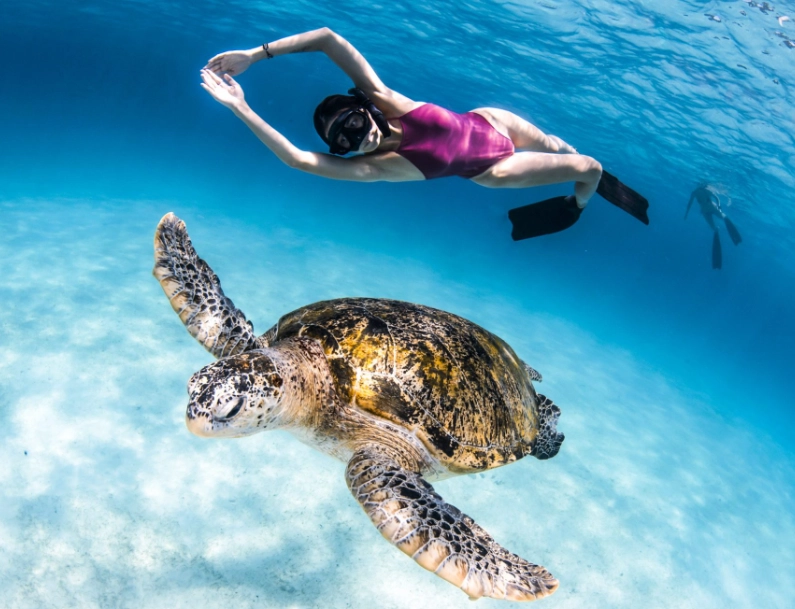
Let's be real. You've probably seen those perfect Instagram shots—crystal clear water, a turtle gliding by, someone looking incredibly zen underwater. And you thought, "I want that." Southeast Asia is plastered all over every diver's dream board for a reason. It's affordable, packed with insane marine life, and has water that feels like a warm bath. But where do you even start? Thailand, Indonesia, the Philippines? What about seasons, or finding a good dive shop that won't cut corners?
I've been there, planning that trip, sifting through a million conflicting blog posts. I've also spent months actually diving these waters, from the crowded bays to the remote spots nobody talks about. Some experiences were mind-blowing. Others... well, let's just say I've learned what to avoid the hard way.
This guide isn't just a list of places. It's the manual I wish I'd had. We're going to talk about the iconic spots, sure, but also the hidden gems, the budget realities, the seasonal traps, and how to pick an operator that actually cares about the reef and your safety. Forget the generic fluff. Let's get into the real stuff you need to know for an unforgettable Southeast Asia diving adventure.
Why Southeast Asia Diving is Basically Unbeatable
It's not hype. There's a concrete recipe here that makes this region a global diving powerhouse. First, the geography. You've got the Coral Triangle right here—the epicenter of marine biodiversity on the planet. We're talking about more fish and coral species than anywhere else. Then, mix in water that's warm year-round (no thick wetsuits needed), visibility that can stretch for 30 meters or more on a good day, and landscapes that are just as wild underwater as above. Think sheer walls, volcanic pinnacles, gentle sloping reefs, and mysterious wrecks.
But here's the kicker for most of us: value. A day of diving in Southeast Asia often costs a fraction of what it does in the Caribbean or the Pacific. Your money goes further, letting you dive more days or splurge on a liveaboard trip to really remote areas. The infrastructure is also built for divers. From backpacker-focused dive hostels in Koh Tao to luxury liveaboards in Raja Ampat, there's an option for every style and wallet.
And it's not just about the diving. It's the whole package. You finish your dives, rinse off, and you're in the heart of Southeast Asia. Amazing food, fascinating cultures, and easy travel between countries. It makes the entire trip an adventure, not just the time underwater.
Picking Your Paradise: A Country-by-Country Breakdown
This is the big question, right? Each country has its own flavor. Picking the right one depends on what you're after—party vibes and easy diving, epic macro life, pelagic action, or total isolation.
Thailand: The All-Rounder & Beginner's Haven
Thailand is the front door for so many people's Southeast Asia diving journey, and for good reason. The Gulf of Thailand (east side, like Koh Tao, Koh Samui) is sheltered, making it diveable year-round with generally calm conditions. It's the undisputed king for getting your Open Water certification—affordable, professional shops everywhere, and reefs perfect for learning. Andaman Sea (west side, like Phuket, Krabi, the Similan Islands) is where it gets wilder. The Similans, Richelieu Rock (technically in the Surin Islands)—these are world-class sites with bigger fish, whale sharks (seasonally), and stunning granite boulder landscapes. But the Andaman has a monsoon season (roughly May-Oct) where many liveaboards stop, and some island dive shops close.
Indonesia: The Biodiverse Behemoth
If Thailand is the friendly introduction, Indonesia is the deep, complex novel you can't put down. Bali is the hub—you've got the USAT Liberty wreck in Tulamben (a shore dive!), the muck diving paradise of Padang Bai, and the chance for mola mola (sunfish) in Nusa Penida (cold, advanced diving!). But Indonesia sprawls. Komodo isn't just about dragons; the currents there pump nutrients, creating heart-pounding drift dives with sharks, mantas, and huge schools of fish. Then there's Raja Ampat in West Papua. It's the crown jewel, the most biodiverse marine place scientists have ever measured. It's a commitment to get to and more expensive, but divers call it a religious experience. Don't forget the Lembeh Strait—the "Critter Capital of the World" for weird and wonderful macro life like frogfish, mimic octopus, and hairy shrimp.
The Philippines: The Wreck Diving & Macro King
Welcome to the archipelago of 7,000+ islands. The Philippines has a bit of everything, but it shines in two areas. First, wreck diving. Coron Bay in Palawan is a WWII Japanese shipwreck graveyard in stunningly clear, sheltered water. Some are shallow enough for beginners to explore. Second, macro photography. Anilao, just a few hours from Manila, is a world-renowned muck diving destination where you'll find creatures you didn't know existed. For big animal action, Southern Leyte and Malapascua are famous. Malapascua is one of the few places in the world where you can reliably see thresher sharks, every single morning. The vibe here is often more laid-back and rustic than Thailand or Bali.
Malaysia, Vietnam, Myanmar & Beyond
These shouldn't be afterthoughts. Malaysian Borneo (Sabah) is incredible. Sipadan Island is legendary—a tiny island where you're guaranteed to see hundreds of turtles, massive schools of barracuda, and sharks. Access is strictly limited by permits, which keeps it pristine. Layang Layang is an atoll in the middle of the South China Sea known for hammerhead shark schools. Vietnam has growing spots like Nha Trang and Whale Island, great for a less crowded experience. Myanmar's Mergui Archipelago is the final frontier—remote, barely developed, and explored mainly by liveaboard. It's for adventurers seeking true isolation.
| Country | Best For | Signature Experience | Consider This |
|---|---|---|---|
| Thailand | Beginners, All-rounders, Liveaboards | Diving the Similan Islands & Richelieu Rock | Can be crowded; Andaman has a closed season. |
| Indonesia | Biodiversity, Advanced Divers, Macro/Macro | Muck diving in Lembeh, currents in Komodo, majesty of Raja Ampat | Vast distances; some areas (Raja) are high-cost. |
| Philippines | Wreck Diving, Macro Photography, Thresher Sharks | Exploring WWII wrecks in Coron, seeing thresher sharks in Malapascua | Internal travel can be slow and less predictable. |
| Malaysia (Borneo) | Pristine Reefs, Big Animal Action | The turtle tornadoes of Sipadan Island | Sipadan permits are hard to get; plan far ahead. |
Timing is Everything: When to Go Diving in Southeast Asia
There's no single "best time" for all of Southeast Asia. The monsoon rules everything. You have two main monsoon systems: the Southwest (approx. May-Oct) and the Northeast (approx. Nov-Apr). When one side of a peninsula is getting rain and wind, the other side is often in its dry, calm season.
This is crucial for planning. Want to dive the Similan Islands in Thailand? That's on the Andaman (west) side. The prime season is November through April. From May to October, the seas are rough, liveaboards stop running, and many island operations shut down. Meanwhile, over in the Gulf of Thailand (east side, like Koh Tao), it's the rainy season but still very diveable—the showers are often short, and the water is calm.
Bali has a similar split. The dry season (April-Oct) is best overall. The wet season can still offer good diving, but visibility might drop, and trips to Nusa Penida get canceled more often due to swell. For Komodo, the peak is April-September. Raja Ampat's best window is October-April. The Philippines is generally best November-May, avoiding the typhoon season.
So, the first question you should ask yourself isn't "where?" but "when can I go?" Then match your destination to the season.
Money Talk: Budgeting for Your Dive Trip
Let's cut through the vague "it's cheap" statements. Southeast Asia diving is *relatively* inexpensive, but costs add up. Here’s a rough breakdown.
A fun dive (two dives with a guide, tanks, weights) can range from $60-$100 in most tourist areas. Certification courses (Open Water) are where you see huge value, often $250-$400 all-in, compared to $500+ in the US or Europe. Liveaboards are the big ticket item. A 3-night trip in Thailand might start at $600, while a 7-night luxury safari in Raja Ampat can soar past $4000.
But it's not just the diving. Budget for:
- Accommodation: $15/night for a basic fan room, $50+ for something nice.
- Food: You can eat like a king from street stalls for $10/day. Restaurants will be more.
- Travel: Internal flights (like Bali to Labuan Bajo for Komodo) can be $100+ each way. Boat transfers add up.
- Park & Permit Fees: These are non-negotiable and protect the sites. Sipadan permit is ~$40/day. Komodo National Park fee is ~$30 for a few days. Raja Ampat's entrance fee is about $100 for a year. Factor this in!
Choosing a Dive Operator: Don't Just Pick the Cheapest
This might be the most important decision you make. A good operator ensures your safety and a great experience. A bad one can ruin your trip. Here’s my checklist from hard-earned experience.
1. Safety First, Always. Do they give a thorough briefing? Do they ask for your certification card and logbook? Do they check gear properly? How many people are in a group? (More than 4-6 divers per guide is a red flag for me). Do they have oxygen and a first aid kit on the boat? A reputable shop won't be offended if you ask these questions.
2. Environmental Practices. This is a big one for me now. Do they give pre-dive talks about buoyancy and not touching anything? Do they use reef-safe mooring buoys instead of dropping anchor? Do they provide refillable water bottles instead of single-use plastic? Operators that care about the reef are more likely to care about everything else.
3. The Vibe. Walk into the shop. Is it organized? Are the staff friendly and knowledgeable, or just salesy? Talk to other divers coming back from a trip. Their faces will tell you everything. I've walked away from shops that felt like a factory conveyor belt.
4. The Boat. If possible, look at the boat. Is it well-maintained? Is there shade, freshwater for rinsing, and a decent toilet? This matters on a 3-dive day trip.
Look for affiliations with major training agencies like PADI or SSI. It's not a guarantee of quality, but it means they adhere to certain standards. Also, check recent reviews on multiple platforms, not just the testimonials on their website.
Gear, Health, and Staying Safe Underwater
You're in a foreign country, doing a technical activity. A little prep goes a long way.
Gear: Most people rent. It's fine. But if you have a sensitive mouth, bring your own regulator mouthpiece. If you're particular about fit, bring your own mask (this is my #1 personal item). Booties if you're doing shore dives. A computer is great, but most shops will rent you one. Inspect rental gear. Check the O-rings, inflate the BCD, taste the regulator for air flow. Don't be shy.
Health & Insurance: This is non-negotiable. You MUST have dive-specific insurance. Regular travel insurance often excludes scuba diving. DAN (Divers Alert Network) is the gold standard. They cover emergency evacuation and hyperbaric treatment. Get it. Also, be honest about your health. Flying after diving? Remember your surface intervals. Most shops recommend 18 hours after multiple dives. I always leave 24 hours, just to be safe.
Respect the Environment: Your buoyancy is your responsibility. Practice over sand if you're rusty. Never touch, chase, or ride anything. Coral is alive and grows painfully slowly. A single fin kick can destroy decades of growth. Be an observer, not a participant. Take only photos, leave only bubbles.
Beyond the Dive: Making the Most of Your Trip
Southeast Asia diving is more than just submerging yourself. The surface intervals are an adventure too. Plan for some non-diving days. Go temple-hopping in Bali, explore the chaotic streets of Manila, hike through jungles, or just collapse on a perfect beach with a coconut.
Eat the local food. Seriously. Some of my best memories are post-dive meals with the crew, sharing stories over plates of nasi goreng or green curry. It connects you to the place in a way that just diving doesn't.
Learn a few phrases in the local language. A simple "thank you" (terima kasih in Bahasa Indonesia/Malay, kop khun krap/ka in Thai) goes a very long way and shows respect.
Frequently Asked Questions (The Real Ones)
I'm not certified. Can I still try diving?
Absolutely! Most resorts offer "Discover Scuba Diving" (DSD) experiences. It's a half-day intro with a very shallow, confined water session followed by a real dive with an instructor holding onto you the whole time. It's a great way to see if you like it. But it's not a certification—you can't just go off diving on your own afterwards.
I'm a solo traveler. Is that okay?
It's perfect. Dive boats are social places. You'll get paired with a buddy, and it's very common to meet people. Many shops offer no single-supplement deals on shared rooms or liveaboard cabins. I've met some of my best travel friends on dive boats.
What about currents? I'm a new diver.
Be upfront about your experience. A good operator will put you on suitable sites. Places like Koh Tao or the Gulf of Thailand have mostly gentle conditions. Avoid known current-heavy areas like Komodo or parts of the Similans until you have more experience and advanced training. There's plenty of amazing diving without strong currents.
I wear glasses. Can I dive?
Yes! You have options: 1) Get a mask with prescription lenses (can be done cheaply in many dive shop towns), 2) Use contact lenses (soft lenses are fine), or 3) Just deal with being a bit blurry—the fish are big enough to see!
How can I be a more responsible diver?
Choose operators with green practices. Use reef-safe sunscreen (mineral-based, no oxybenzone/octinoxate). Say no to single-use plastics—bring a reusable bottle and bag. Never, ever touch or harass marine life. Consider donating to or volunteering with local marine conservation NGOs. Your choices have a direct impact.
Wrapping It Up: Your Adventure Awaits
Planning your Southeast Asia diving trip might seem overwhelming at first—so many islands, so many options. But that's the beauty of it. There's a perfect underwater adventure here for you, whether it's your first breath underwater or your thousandth.
Start with your dates and your comfort level. Match a destination to the season. Do your homework on operators, but don't overthink it to paralysis. Book your flights, get your insurance, and pack your sense of adventure (and a good mask).
The reefs of Southeast Asia are some of the most vibrant and life-filled on Earth. They're facing pressures, for sure, but by choosing to visit responsibly, you're supporting local economies that have a reason to protect them. You're not just a tourist; you're a temporary custodian.

Comments