Quick Guide
- Why Choose the Caribbean for Your Next Dive Adventure?
- Top Caribbean Diving Destinations: A Breakdown
- What You'll See: A Caribbean Marine Life Guide
- Planning Your Caribbean Diving Trip: The Nitty-Gritty
- The Elephant in the Room: Coral Reefs and Sustainable Diving
- Caribbean Diving for Non-Divers and Beginners
- Your Caribbean Diving Questions, Answered
- Final Thoughts Before You Book
Let's be honest. When you think of the perfect dive vacation, what pops into your head? For countless divers, it's the Caribbean. Turquoise water so clear you can see the bottom from the boat. Coral reefs teeming with life in every color imaginable. That feeling of weightlessness as you glide past a friendly sea turtle. Caribbean diving isn't just a hobby; it's the benchmark for what a great diving experience should be.
But here's the thing. The Caribbean is huge. It's not one single destination. It's a massive collection of islands, each with its own personality, underwater landscapes, and hidden gems. Picking the right spot can feel overwhelming. Do you go for the famous walls of the Cayman Islands? The epic shipwrecks of Bonaire? The vibrant reefs of Belize? I've been there, staring at a map, completely paralyzed by choice.
Why Choose the Caribbean for Your Next Dive Adventure?
It's a fair question. The world is full of amazing dive sites. So why does Caribbean scuba diving remain so perennially popular? The reasons are pretty compelling, especially if you're planning your first major dive trip or traveling with buddies of different skill levels.
First off, the accessibility. For many in North and South America, it's a short flight away. The water is warm year-round—think 78°F to 84°F (25°C to 29°C). That means you can often get away with just a thin wetsuit or even a rash guard, which makes packing and gearing up so much simpler. The visibility is routinely fantastic, often exceeding 100 feet. This combination of warmth and clarity is a huge confidence booster, especially for newer divers who might feel anxious in colder, murkier conditions.
Then there's the diversity. Sure, you have the classic coral reef dives, but the region offers so much more. You've got sheer vertical walls that drop into the abyss, like the famous Bloody Bay Wall in Little Cayman. You've got massive, intentionally sunk shipwrecks like the Bianca C in Grenada or the USS Kittiwake in Grand Cayman. You've got unique geological formations like the underwater caves and caverns of the Bahamas. And let's not forget the marine life—from the majestic whalesharks that visit Belize and Honduras to the playful dolphins of the Bahamas and the curious reef sharks common in many areas.
Top Caribbean Diving Destinations: A Breakdown
Alright, let's get into the meat of it. Where should you go? I'm going to break down some of the heavy hitters and a few lesser-known spots. This isn't just a list; it's a guide to matching the destination with the type of diver you are.
The Cayman Islands: The Polished Classic
Grand Cayman, Little Cayman, and Cayman Brac are the gold standard for a reason. The diving is incredibly reliable, professional, and varied. Grand Cayman offers famous sites like Stingray City (a unique sandbar where you can interact with southern stingrays) and the wreck of the USS Kittiwake. Little Cayman is the quiet, pristine sibling, home to Bloody Bay Wall—a vertical drop-off so stunning it's featured on the island's currency. The downside? It can be pricey, and Grand Cayman's most popular sites can get busy.
Bonaire: The Shore Diving Capital
If you love independence, Bonaire is your island. The entire leeward coast is a protected marine park with over 60 official shore dive sites. You rent a truck, load your tanks, and dive on your own schedule. It's fantastic for macro life (tiny critters), and the coral health is generally better than many other islands due to strong conservation efforts. It's less about big animal encounters and more about the joy of easy, unlimited diving. Just be a competent diver comfortable with buddy teams without a guide.
Belize: The Barrier Reef & The Blue Hole
Belize is home to the second-largest barrier reef system in the world. The diving here is spectacular, with huge coral formations, swim-throughs, and healthy fish populations. Then there's the Great Blue Hole, a giant marine sinkhole made famous by Jacques Cousteau. Diving the Blue Hole is a unique experience—a deep dive to see massive stalactites—but honestly, it's a one-trick pony. The reef dives around the atolls (Lighthouse Reef, Turneffe Atoll) are the real stars. It's a more adventurous destination, often involving liveaboards or small island lodges.
Cozumel, Mexico: The Drift Diving Mecca
Just off the coast of Playa del Carmen, Cozumel is all about the drift. The current sweeps you along magnificent walls and reefs, making for long, effortless, and breathtaking dives. Palancar Reef and Santa Rosa Wall are iconic. It's incredibly cost-effective, with tons of all-inclusive dive resorts. The potential drawback? If you're not comfortable with current, it can be intimidating. A good dive operator will manage this carefully.
Let's compare a few key aspects to help you decide.
| Destination | Best For | Marine Life Highlight | Typical Vibe |
|---|---|---|---|
| Cayman Islands | Wall diving, wrecks, all skill levels | Stingrays, eagle rays, reef sharks | Polished, professional, can be busy |
| Bonaire | Shore diving, independence, macro photography | Frogfish, seahorses, healthy corals | Relaxed, DIY, eco-conscious |
| Belize | Adventure, big reefs, liveaboards | Whalesharks (seasonal), turtles, reef fish | Rustic, adventurous, spread-out |
| Cozumel | Drift diving, value, vibrant reefs | Turtles, eagle rays, large sponges | Lively, great for groups, current-prone |
| Turks & Caicos | Pristine walls, luxury resorts | Humpback whales (winter), dolphins | Upscale, tranquil, excellent visibility |
What You'll See: A Caribbean Marine Life Guide
One of the biggest draws of Caribbean diving is the cast of characters. It's a reliable place to see a wonderful array of tropical fish and larger pelagics. Here's a quick rundown of who you might meet down there.
The Regulars (You'll almost definitely see these): Colorful parrotfish chomping on coral, sleek trumpetfish hovering vertically to blend in with sea rods, schools of blue tang (yes, like Dory), grumpy-looking groupers, and nervous squirrelfish hiding in crevices. Anemones with their resident clownfish aren't as common as in the Pacific, but you can find them in places like Bonaire.
The Big Ticket Items (Lucky or seasonal sightings):
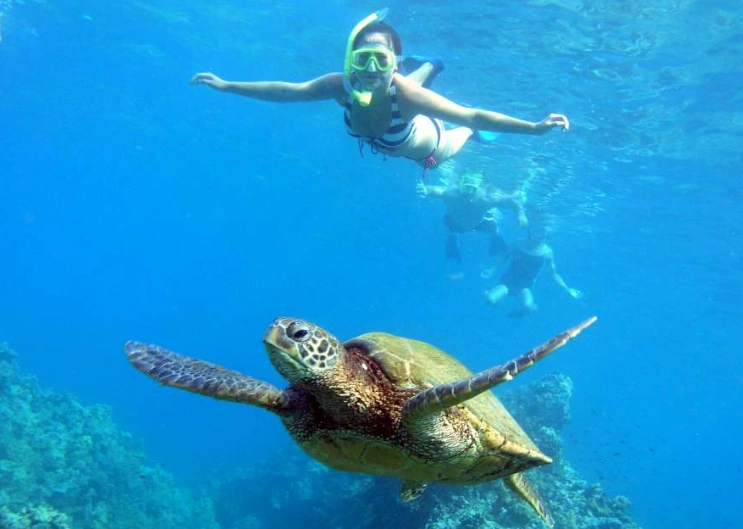
- Sea Turtles: Green and hawksbill turtles are relatively common in many areas. Seeing one gracefully swim by is always a highlight.
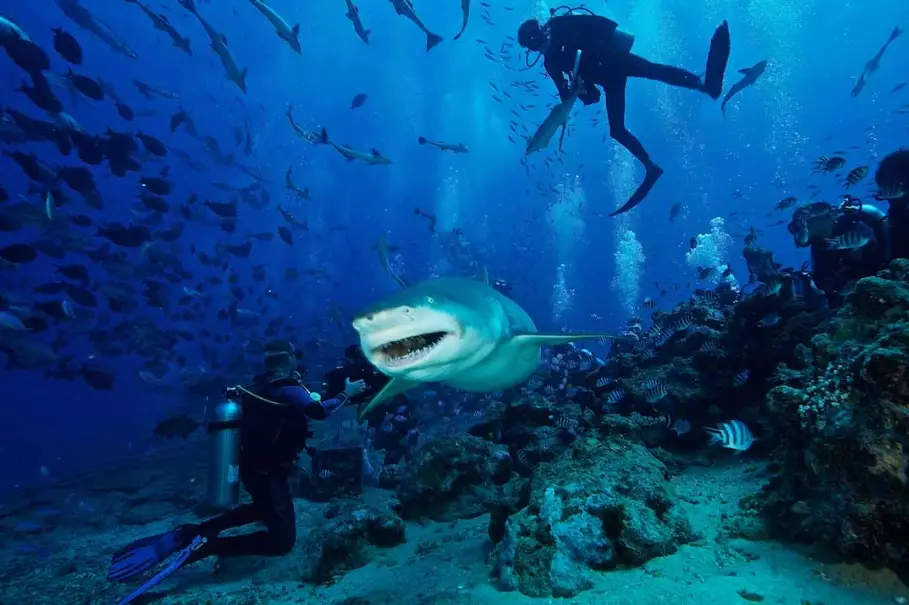
- Reef Sharks: Caribbean reef sharks are common on wall dives and reef drop-offs. They're generally shy but incredibly graceful.
- Eagle Rays: Seeing one of these winged beauties fly through the water is pure elegance.
- Whalesharks: The giants! Seasonal in places like Belize (spring) and Honduras.
- Dolphins: More often seen from the boat, but sometimes they'll play in the bow wake.
- Manta Rays: Less common than in other oceans, but sightings happen, especially in places like the Dominican Republic.
Planning Your Caribbean Diving Trip: The Nitty-Gritty
This is where dreams meet reality. A little planning goes a long way in making your Caribbean scuba diving trip smooth and unforgettable.
When to Go
You can dive year-round, but there are sweet spots. The peak season is December to April—dry, sunny, but also the most expensive and crowded. The summer and fall (May to November) are warmer, with a higher chance of rain and the official Atlantic hurricane season (June-November). Don't let the "hurricane season" scare you off completely. The risk of a storm disrupting your entire trip is relatively low, and you often get better deals, fewer crowds, and very warm water. Just consider trip insurance that covers weather disruptions.
Choosing a Dive Operator
This is the most critical decision after picking your island. A great operator makes your trip; a bad one can ruin it.
- Do your homework: Read recent reviews on multiple platforms (TripAdvisor, ScubaBoard). Look for comments about boat size, guide-to-diver ratios, and safety culture.
- Size matters: Do you prefer a small, 6-diver boat or a larger operation? Small boats are agile and personal; big boats might have more amenities and multiple guide groups.
- Ask questions: Email them. How many divers per guide? What's their protocol for current or lower-visibility conditions? What rental gear do they use? Their responsiveness tells you a lot.
What to Pack (Beyond the Obvious)
Everyone remembers their mask, fins, and computer. Here's what else I never forget:
- Dive Skin or 3mm Wetsuit: Even in warm water, multiple dives a day can get chilly.
- Reef-Safe Sunscreen: This is non-negotiable. Chemicals in regular sunscreen harm corals. Brands like Stream2Sea or Badger are good. Better yet, wear a rash guard and hat.
- Logbook & C-Cards: Some shops are strict about checking certifications, especially for advanced or deep dives.
- Save-a-Dive Kit: O-rings, mask strap, fin strap, silicone grease. A small leak can sideline you for a day if you're on a remote island.
- Surface Marker Buoy (SMB) and Reel: If you're advanced, bringing your own is a great safety practice, especially for drift diving.
The Elephant in the Room: Coral Reefs and Sustainable Diving
We need to talk about the reefs. Caribbean coral reefs have faced significant challenges—bleaching events, disease, and local pressures. You might see areas of stark white or dead coral. It's heartbreaking.
But there's hope. Many areas have resilient reefs or are showing signs of recovery. And as divers, we have a responsibility. Sustainable diving isn't a buzzword; it's essential for the future of Caribbean diving.
What does that mean on a practical level?
- Perfect Your Buoyancy: This is the #1 rule. Crashing into the reef breaks decades of growth. Practice in a pool if you need to. A good buoyancy control device (BCD) and proper weighting are key.
- No Touching. Ever. Don't touch coral, don't chase turtles, don't harass marine life. Your touch can remove protective coatings or cause stress.
- Choose Responsible Operators: Support shops that talk about conservation, participate in reef cleanups, or have mooring buoys (so they don't drop anchor on the reef). Organizations like the Reef Environmental Education Foundation (REEF) offer great resources and fish survey courses you can take.
- Be Mindful on Land: Reduce plastic use, conserve water, and support local businesses. The health of the island directly impacts the health of the surrounding sea.
The National Oceanic and Atmospheric Administration (NOAA) has tons of educational material on why coral reefs are vital. It's worth a read to understand what we're trying to protect.
Caribbean Diving for Non-Divers and Beginners
Traveling with a partner who doesn't dive? Or maybe you're curious but not certified? No problem. The Caribbean is fantastic for this.
Most islands offer fantastic snorkeling right from the beach or on dedicated boat trips. You can see stunning coral and fish in just a few feet of water. Many dive operators also offer "Discover Scuba Diving" or "Resort Courses"—supervised introductory dives in a pool and then a shallow, protected reef site. It's a perfect way to try Caribbean scuba diving without the full certification commitment. If you get hooked, you can often start your Open Water certification there and finish the academics at home.
For certified divers who are rusty, a Scuba Review or ReActivate program (through PADI) is a brilliant idea. It's a quick refresher with an instructor to go over skills and safety procedures. I did one after a two-year break, and the confidence it gave me was worth every penny. You can find info on these programs on the PADI website.
Your Caribbean Diving Questions, Answered
Final Thoughts Before You Book
Caribbean diving has earned its reputation. It's accessible, beautiful, and offers an experience that's hard to beat. Whether you're watching the sunset after a day of diving in Grand Cayman or floating weightlessly over a garden of star coral in Bonaire, it gets in your soul.
The key is to manage your expectations, do your research, and remember why you're going—to enjoy the underwater world. Don't get so obsessed with checking famous sites off a list that you forget to look at the tiny cleaner shrimp in the sponge next to you, or the way the light filters down through the blue.
Pick an island that matches your style, choose a dive op that feels right, and go. The warm, clear water is waiting. And honestly, there's no such thing as a bad dive in the Caribbean. Some are just more spectacular than others.
See you down there.

Comments