Quick Overview
- So, Why the Philippines? What's the Actual Buzz About?
- Breaking Down the Best Philippines Diving Spots (No Fluff)
- When to Go: Timing Your Philippines Diving Trip is Everything
- Planning & Budget: How to Not Go Broke on Your Philippines Diving Trip
- Gearing Up & Staying Safe
- Answers to Stuff You're Probably Wondering (FAQs)
- Wrapping It Up: Making Your Decision
I still remember my first breath underwater in the Philippines. It wasn't in some famous spot you see on postcards, but a random reef off a sleepy island in Bohol. The water was so clear it felt like flying, and a school of jackfish decided to circle me like I was part of their crew. That moment, all the planning, the flights, the heavy gear—it just clicked. This place is special. But here's the thing: planning a Philippines diving trip can feel overwhelming. There are over 7,000 islands, for crying out loud. Where do you even start? Which spots are worth the long boat ride, and which are just hype? How do you not blow your budget?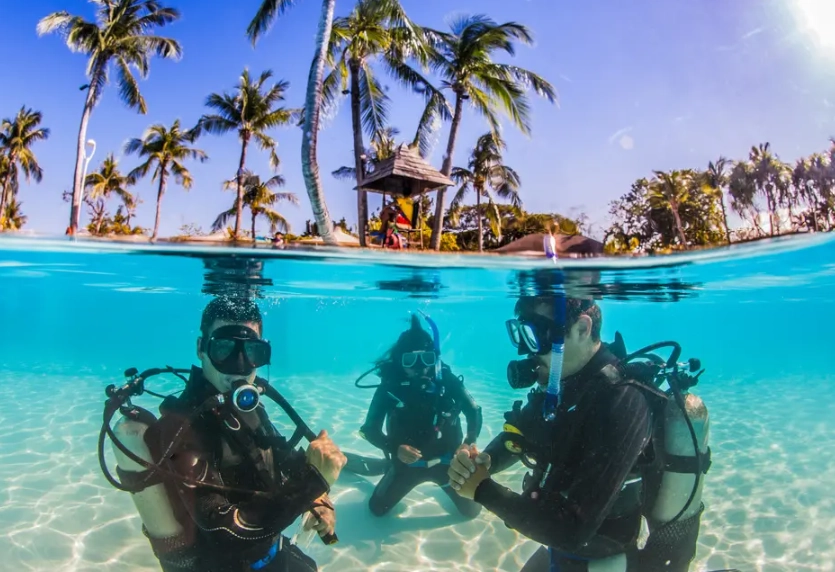
That's why I'm writing this. Not as a distant expert, but as someone who's made the mistakes (booked a trip during monsoon season once—never again) and found the hidden gems. This isn't a sterile list of facts. It's the guide I wish I'd had before I packed my fins.
So, Why the Philippines? What's the Actual Buzz About?
Every dive destination has its thing. The Maldives has mantas, Egypt has wrecks, the Galapagos has sharks. The Philippines? It has everything, and it has it in spades. The variety is its superpower. You can be drifting in a wild, remote atoll one week and exploring a sunken WWII warship in crystal-clear, shallow water the next. You can be a complete newbie doing your first open water dive on a stunning house reef, or a tech diver plunging into a deep, unexplored wall.
The real magic, though, is often in the small stuff. The macro life—tiny, weird, and wonderful creatures—is arguably the best on Earth. Places like Anilao are legendary among underwater photographers for finding critters you won't see anywhere else. It's like a treasure hunt on every dive.
But it's not all perfect.
Let's be honest. Some areas, especially the very popular ones accessible from major hubs like Puerto Princesa or Cebu, can feel crowded. You might surface from a beautiful dive to find five other boats at the same site. Infrastructure can be patchy—getting to the truly epic spots often involves long, sometimes bumpy, road trips followed by even longer boat rides. And while Filipinos are some of the most genuinely friendly people you'll meet, the sheer volume of tourists means you have to be a savvy planner to get the good stuff.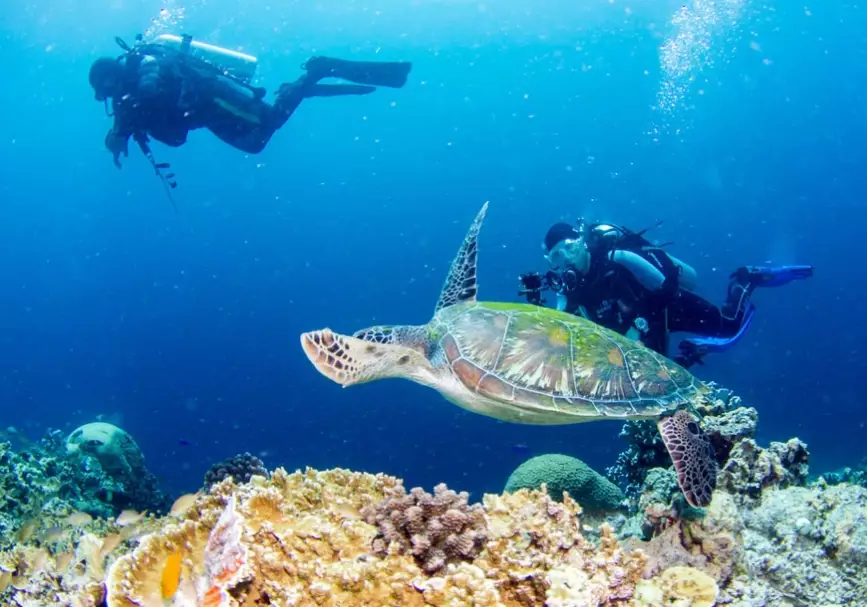
Breaking Down the Best Philippines Diving Spots (No Fluff)
This is where most guides just throw a giant list at you. Not helpful. Let's group them by vibe and what you're actually looking for.
For the Big Animal Encounters & Raw Wilderness
If your dream is to see sharks, mantas, and big schools of pelagic fish in pristine, remote conditions, you have two main choices, and they're both serious commitments.
Tubbataha Reefs Natural Park: This is the crown jewel. A UNESCO World Heritage Site smack in the middle of the Sulu Sea. It's only accessible via liveaboard boats during a short season (mid-March to mid-June). This isn't a casual day trip. It's an expedition. But the rewards? Pristine reefs with 100-foot visibility, regular shark sightings (reef sharks, hammerheads if you're lucky), mantas, turtles, and breathtaking drop-offs. The park's management is strict, which is why it's so well-preserved. You can check out their rules and conservation efforts directly on the Tubbataha Reefs official website.
Southern Leyte & Panaon Island: This is the less-known, more accessible alternative for big fish. The season for whale sharks here is more reliable than in Oslob (more on that ethical dilemma later). It's also known for strong currents that bring in pelagics. The towns are sleepy, the tourism is low-key, and it feels like an adventure.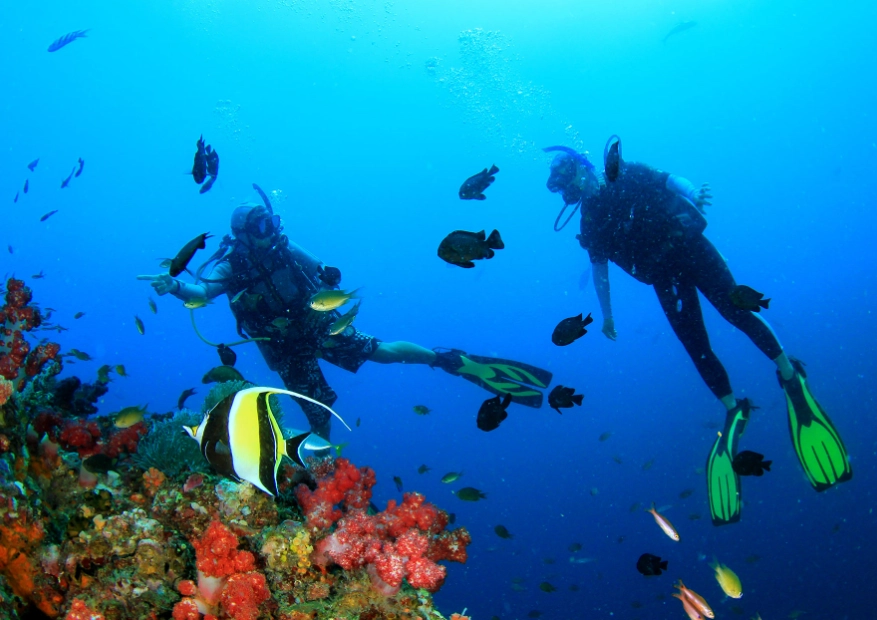
For Wreck Lovers & History Buffs
Coron Bay, Palawan: This is the world-class wreck diving capital of the Philippines. A fleet of Japanese WWII supply ships was sunk by American bombers in 1944, and they now sit in relatively shallow, calm water. The most famous, like the Irako and the Okikawa Maru, are massive. You can penetrate engine rooms, see intact ceramics, and swim through holds. The visibility isn't always Caribbean-blue (it can be silty), but that adds to the eerie, historic atmosphere. It's not just for tech divers; many wrecks have parts at recreational depths.
A word of caution.
Some of these wrecks are war graves. Divers need to treat them with respect—no grabbing souvenirs, no reckless penetration. The best dive operators will hammer this point home.
For Macro Nerds & Creature Hunters
If you get more excited about a well-camouflaged frogfish than a shark, this is your zone.
Anilao, Batangas: Often called the "birthplace of scuba diving in the Philippines" and a macro photography mecca. It's just a 3-4 hour drive from Manila, making it a weekend hotspot for local divers. The dive sites are mostly gentle slopes and muck diving areas. You'll find an insane array of nudibranchs, pygmy seahorses, ghost pipefish, and all manner of rare shrimp and crabs. The resorts here are geared towards divers, with camera rooms and dive masters who have eagle eyes for the tiny stuff.
Dauin & Apo Island, Negros Oriental: This area offers the perfect combo. The black sand muck diving slopes of Dauin are famous for rare critters like the flamboyant cuttlefish and blue-ringed octopus. Then, a short boat ride away, you have Apo Island—a marine sanctuary with stunning, healthy coral gardens teeming with turtles and huge schools of fish. It's like getting two completely different worlds in one trip.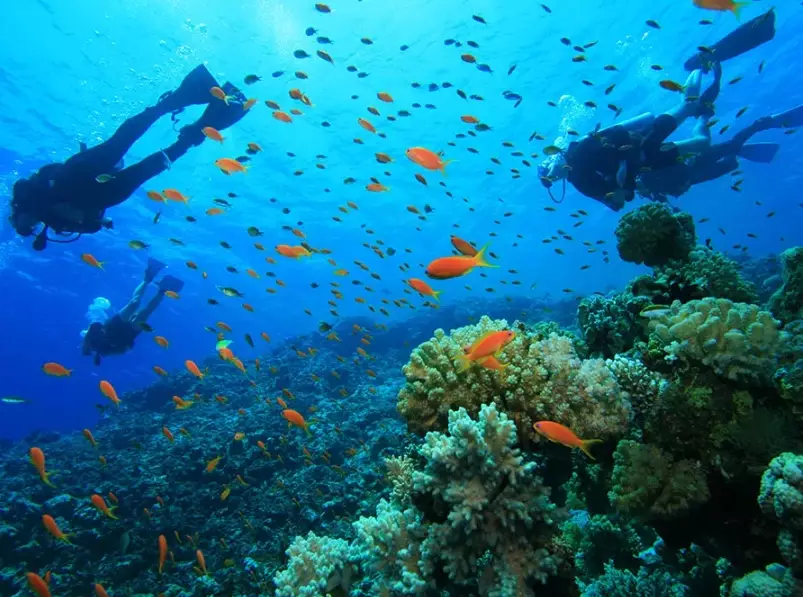
To make your choice easier, here's a quick comparison of the top spots:
| Region/Area | Best For | Typical Conditions | Best Time to Go | Vibe/Access |
|---|---|---|---|---|
| Tubbataha Reefs | Big pelagics, sharks, pristine reefs, wilderness | Open ocean, can be strong currents, excellent vis (30m+) | Mar - Jun ONLY (liveaboard) | Expedition, remote, expensive, bucket-list |
| Coron, Palawan | WWII wreck diving, lake diving (Barracuda Lake) | Calm bay, wrecks can be silty, unique thermoclines | Oct - May (dry season) | Adventure town, mix of diving & island tours |
| Anilao, Batangas | Macro/muck diving, underwater photography | Generally calm, protected coves | Year-round (best Oct-May) | Easy access from Manila, dive resort-focused |
| Moalboal, Cebu | Sardine Run (permanent!), shore diving, turtles | Good shore access, generally good vis | Nov - May | Backpacker-friendly, lively town, great for beginners |
| Malapascua Island | Thresher sharks (almost guaranteed), macro | Early morning dives, can be current, open ocean | Nov - May | Small island vibe, dedicated to diving |
| Apo Reef (Mindoro) | Remote reefs, big fish, second largest atoll | Similar to Tubbataha but more accessible from mainland | Mar - Oct | Liveaboard or safari from Puerto Galera, adventurous |
When to Go: Timing Your Philippines Diving Trip is Everything
This is probably the most common question, and the answer isn't simple because the Philippines is huge. There's no single "best" time for the whole country. You have to pick your region first, then check its weather pattern.
The country has two main seasons: the Amihan (Northeast Monsoon) from November to April, which brings dry, cool weather to the western side (like Palawan, Coron, Mindoro), and the Habagat (Southwest Monsoon) from June to October, which brings rain and southwest winds, affecting the western side but leaving the eastern side (like Leyte, Southern Mindanao) drier.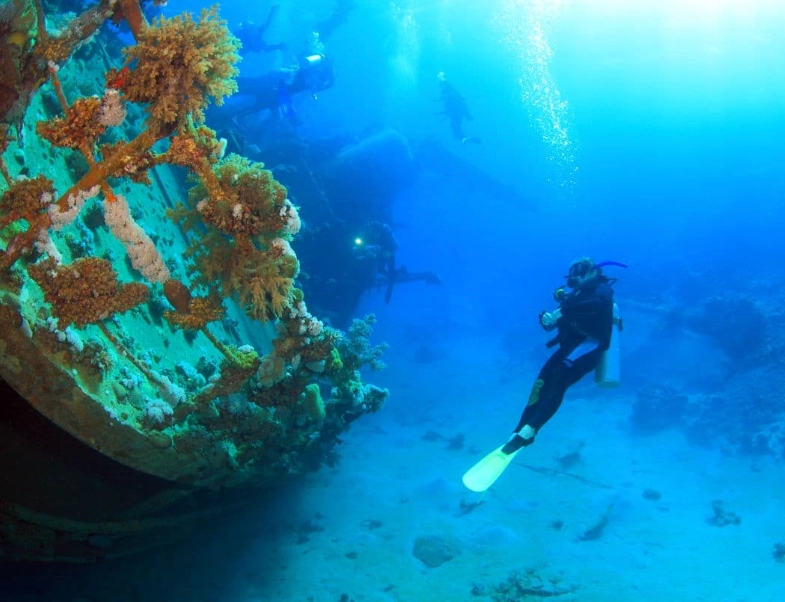
The summer months of March to May are generally hot and dry everywhere, but can also be the most crowded. Shoulder months like November and May can be fantastic—good weather, fewer people.
Now, for the big ethical question that comes up with timing and animal encounters...
The Whale Shark Dilemma: Oslob vs. Responsible Encounters
You'll see "whale shark tours" all over Instagram. The most famous (and controversial) spot is Oslob, Cebu. Here, fishermen feed the whale sharks (butanding) to keep them coming close to shore for tourists. It's a guaranteed sighting, but it's highly problematic. The feeding alters their natural migration and behavior. The scientific consensus, including reports from organizations like WWF, is that this practice is harmful.
So what's the alternative? In places like Donsol, Sorsogon or Southern Leyte, whale shark encounters are wild. They are seasonal (typically Nov-May), and you go out on boats with spotters to find them naturally feeding on plankton. It's not guaranteed, but it's ethical. The choice is yours, but as divers who claim to love the ocean, I believe we should vote with our wallets for responsible practices.
Planning & Budget: How to Not Go Broke on Your Philippines Diving Trip
Let's talk numbers. A Philippines diving vacation can range from shoestring backpacker to ultra-luxury. Here’s a realistic breakdown for a mid-range traveler for a 7-day trip focusing on diving.
- Flights (International): Varies wildly. From the US/EU, expect $800-$1500 roundtrip to Manila or Cebu. Book early.
- Internal Flights: Essential for island hopping. Cebu Pacific and AirAsia are cheap if you book in advance ($30-$80 per leg). Baggage fees for dive gear add up!
- Accommodation: A decent dive resort with AC, private bathroom, and maybe a pool will run $40-$80/night. Hostels are $10-$20.
- Diving Itself: This is the big variable. A standard 2-tank boat dive can cost $60-$90. Multi-day dive packages bring the price down. Liveaboards (like for Tubbataha) start at around $2000 for a 5-7 day trip.
- Food & Drink: Incredibly cheap if you eat local. A meal at a local "carinderia" is $2-$3. A nice restaurant meal is $8-$15. Beer is about $1-$2.
Choosing a Dive Operator: Red Flags & Green Flags
This is crucial for safety and enjoyment. The Philippines has hundreds of dive shops, quality varies.
Green Flags:
- They ask for your certification card and logbook before booking.
- Their boats have oxygen, first aid kits, and working radios.
- They brief you thoroughly on dive sites, including entry/exit points and currents.
- They limit group sizes (4-6 divers per guide is ideal).
- They are affiliated with major agencies (PADI, SSI, RAID) – you can often verify this on the agency's website, like the PADI Dive Shop Locator.
Red Flags:
- They offer "discover dives" at deep wrecks or in strong currents.
- Their gear looks ancient and poorly maintained.
- They pressure you to dive beyond your comfort level or certification.
- The boat is overcrowded with no clear safety protocols.
Gearing Up & Staying Safe
Most dive shops have decent rental gear, but if you're picky (especially about masks, wetsuits, or computers), bringing your own is wise. A 3mm wetsuit is sufficient year-round for most. A reef hook is useful for current-prone sites like Malapascua.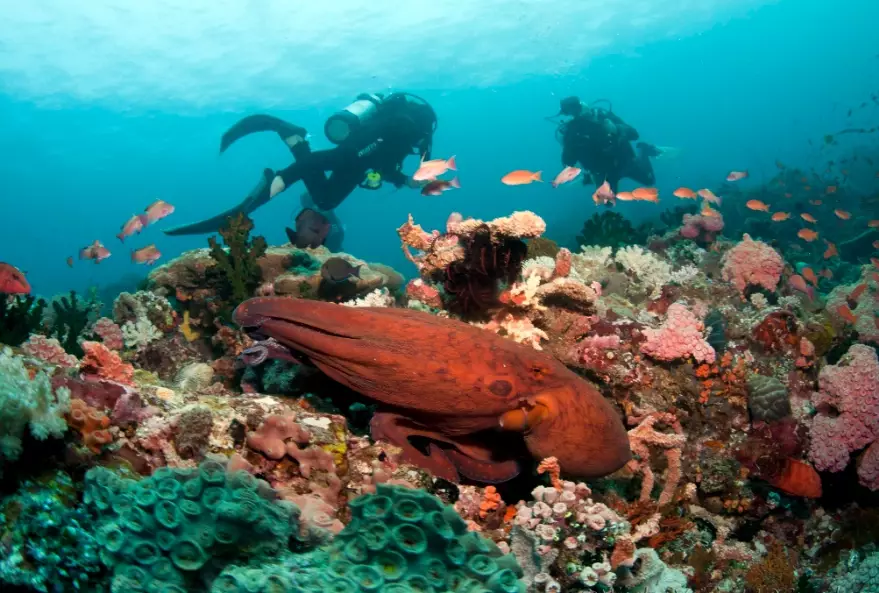
On the boat, hydration is key. The sun is brutal. Rehydrate with water, not just soda or beer. Respect the marine life—no touching, no chasing, no gloves (they encourage touching). Buoyancy control is your best tool to protect the reefs.
Answers to Stuff You're Probably Wondering (FAQs)
Wrapping It Up: Making Your Decision
Planning the ultimate Philippines diving trip comes down to asking yourself a few questions:
- What's my diving priority? (Big animals? Wrecks? Tiny critters? Relaxed reefs?)
- What's my budget and time frame? (Don't underestimate travel time between islands.)
- What's my skill level? (Be realistic.)
- What else do I want from this trip? (Luxury resort? Backpacker party? Cultural immersion?)
Start with one or two regions that match your answers. Dig into recent travel forums (not just glossy blogs) for on-the-ground updates. Book your key dives or liveaboard in advance, especially for peak season. Leave some flexibility for weather changes—a typhoon can disrupt plans, so travel insurance is a must.
The bottom line?
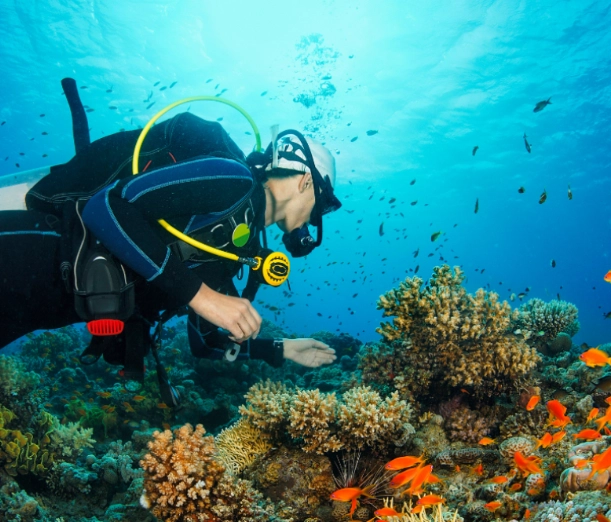
The Philippines offers a depth and variety of underwater experiences that few places on Earth can match. It challenges you, rewards you, and sometimes frustrates you with its logistics. But when you're hovering over a coral garden exploding with color, or locking eyes with a thresher shark in the blue, all the planning fades away. You're just there, in the moment, in one of the ocean's greatest playgrounds.
Just go. Be a responsible diver. And prepare to have your expectations blown out of the water.

Comments