Quick Navigation
Let's be honest, when you first think about Mexico diving, your mind probably jumps straight to Cancun and spring break. I know mine did. But after my first trip down there on a bit of a whim, I realized I had it all wrong. The underwater world here is something else entirely—a sprawling, diverse, and frankly, mind-blowing series of ecosystems that can compete with the best diving on the planet. We're talking about the second-largest barrier reef in the world, freshwater sinkholes that look like they're from another dimension, and pelagic action that'll get your heart racing.
This isn't just a vacation; it's a full-blown aquatic adventure. Whether you're a newbie doing your first open water checkout dives or a seasoned tech diver looking for a new challenge, Mexico has a spot with your name on it. But here's the thing: it's a big country with a huge coastline. Planning a trip can feel overwhelming. Which coast is better? Are cenotes scary? When do the sharks show up?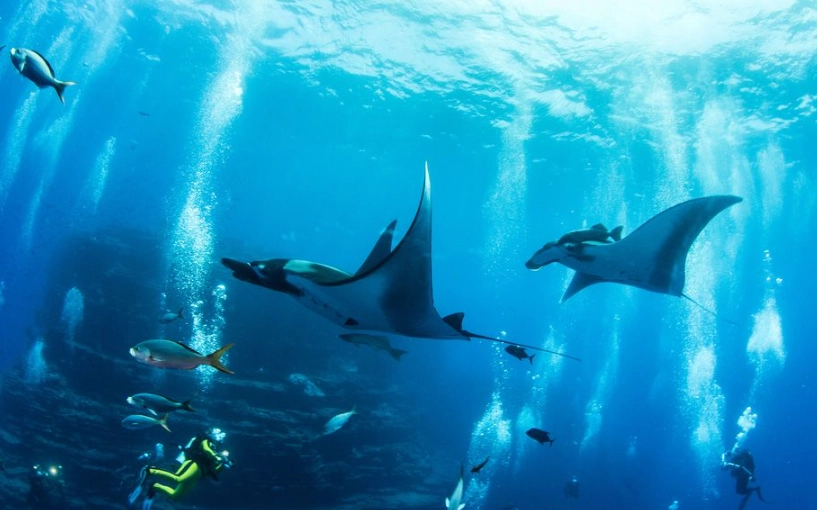
I've spent a good chunk of time diving in Mexico, made some mistakes (like trying to dive Cozumel in October without checking the weather—more on that later), and had some of the most incredible underwater moments of my life. This guide is my attempt to give you the full, unfiltered picture so you can plan the Mexico diving trip you're actually dreaming of.
Mexico's Diving Crown Jewels: Where to Go
This is the big question, right? Mexico's diving is split between two major coasts: the Caribbean side (Quintana Roo) and the Pacific side (Baja California, Revillagigedo, etc.). They're like two different planets. Picking one depends entirely on what you want to see and feel.
The Caribbean Side: Turquoise Waters & The Great Maya Barrier Reef
This is the postcard-perfect Mexico diving most people imagine. Think bath-warm, crystal-clear water, endless visibility, and vibrant coral reefs that are part of the Mesoamerican Barrier Reef System. It's also home to the utterly unique cenotes.
Cozumel: The undisputed king of Caribbean reef diving. The currents here are strong—they're what bring in the nutrients and life—so drift diving is the name of the game. You fly along walls covered in massive sponges (elephant ear, tube, you name it) and healthy coral formations. It's a macro photographer's dream too, with seahorses, frogfish, and splendid toadfish hiding everywhere. The town, San Miguel, is completely geared towards divers. My personal favorite sites are Palancar Gardens for its intricate coral structures and Santa Rosa Wall for that sheer drop-off feeling.
Playa del Carmen & the Riviera Maya: This is your base for two very different things. First, the ocean diving here is good, but it's the bull shark season (roughly November to March) that's the huge draw. Diving with these powerful, stocky sharks in the blue is an intense adrenaline rush that's professionally managed by local operators. Second, Playa is the gateway to the cenotes. More on these mystical pits in a bit.
Tulum: Similar reef diving to Playa, but with a much more laid-back, bohemian vibe on land. It's also arguably the best location for accessing a huge number of famous cenotes, like Gran Cenote and Calavera.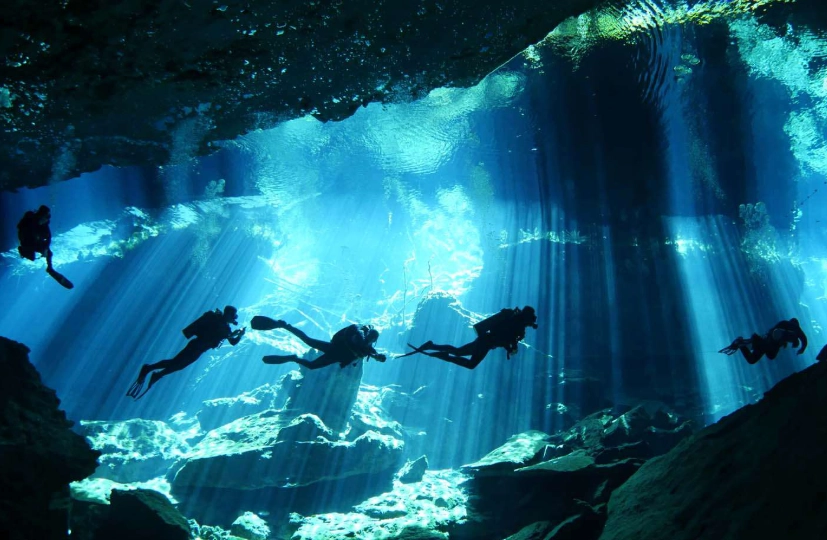
Here’s a quick breakdown to help you choose your Caribbean base:
| Location | Best For | Vibe | Best Time to Visit |
|---|---|---|---|
| Cozumel | World-class wall & drift diving, macro life, healthy reefs. | Dive-focused, relaxed island town. | Dec-Aug (calm seas, best vis). Watch out for rainy season (Sep-Nov). |
| Playa del Carmen | Bull shark diving, cenote access, vibrant nightlife. | Bustling, touristy, lots of amenities. | Year-round. Nov-Mar for sharks. May-Sep for warmest water. |
| Tulum | Cenote diving, relaxed reef dives, eco-chic atmosphere. | Hippie, yoga, wellness vibe. More rustic. | Dry season (Nov-Apr) for best cenote conditions. |
The Pacific & Sea of Cortez: The Wild Side
If the Caribbean is a pristine aquarium, the Pacific side is an untamed ocean safari. The water is cooler, greener, and full of nutrients, which means BIG life. This is where you come for pelagics and raw, dramatic seascapes.
Cabo San Lucas & Los Cabos: Known for sand falls at Cabo Pulmo (the only coral reef in the Sea of Cortez, a UNESCO site), but more famously for close encounters with huge schools of mobula rays (like underwater birds), sea lions, and from October to January, the chance to snorkel with whale sharks. The diving is more about the animals than the reefs themselves.
La Paz: A quieter, more authentic town than Cabo. This is the ultimate spot for swimming with whale sharks (seasonally, and under strict guidelines) and massive colonies of friendly, playful sea lions at Los Islotes. The water clarity isn't Caribbean-level, but the animal interactions are unbeatable.
Socorro Islands (Revillagigedo Archipelago): This is bucket-list, liveaboard-only territory. About 250 miles off the coast of Cabo, "The Mexican Galapagos" is famous for gigantic manta rays with wingspans over 20 feet, curious dolphins, and reliable shark action including silkies, Galapagos, and even hammerheads. It's cold, deep, and for experienced divers only, but it's arguably some of the most epic large animal diving in North America. You need to book a liveaboard trip to get here.
The Magic & Misconceptions of Cenote Diving
No guide to Mexico diving is complete without talking about cenotes. These are natural sinkholes where the limestone bedrock has collapsed, revealing groundwater underneath. They're sacred to the Maya, and once you dive one, you'll understand why.
The experience is surreal. You drop into a hole in the jungle and descend into crystal-clear freshwater (or a mix of fresh and salt). Sunbeams shoot through cracks in the ceiling, creating god rays that are impossible to photograph well—you just have to see them. You swim through caverns adorned with stalactites and stalagmites millions of years old.
But let's clear up some fears:
- Is it cave diving? No. Most recreational cenote dives are cavern diving. You are always within sight of natural light and the entrance. You do NOT venture into the dark tunnels where you need reels and guidelines. A reputable guide will never take you there on a normal tour.
- Is it claustrophobic? It can be, but many cenotes are huge, open-water rooms. Sites like The Pit or Angelita have vast, open areas. Others, like Dos Ojos, involve more swimming through defined cavern tunnels. Be honest with your guide about your comfort level.
- Do you need special training? For cavern tours, you just need an Open Water certification. However, you must have perfect buoyancy control. Kicking up silt destroys the visibility for everyone and damages formations. If you're a new diver, pick an open, easy cenote like Gran Cenote for your first try.
My top cenote recommendations for different tastes:
- For Beginners & Snorkelers: Gran Cenote. Open, bright, lots of turtles. It's like a swimming pool with stalactites.
- For the "Wow" Factor: The Pit. A deep dive (advanced) where you descend past a hydrogen sulfide cloud that looks like a floating, eerie fog layer.
- For Classic Cavern Beauty: Dos Ojos ("Two Eyes"). Two adjacent cenotes connected by a long cavern. The Barbie Line is all about stunning light effects.
When to Go: Navigating Seasons & Avoiding Crowds
Timing is everything. Go at the wrong time, and you might get rained out, miss the wildlife you came for, or fight crowds on the boat.
Caribbean Coast Timing
The sweet spot is December through August. The weather is driest, seas are calmest, and visibility peaks. Summer months (June-Aug) are hot and humid but have beautifully warm water.
The hurricane and rainy season runs from about September through November. I made the mistake of a late October trip once. We had two amazing sunny days, then a "norte" (a strong northern storm) blew in for four days, shutting down all boat diving. It happens. You can get great deals and empty dive sites during this time, but you're gambling with the weather.
Wildlife Calendar: Bull sharks in Playa del Carmen (Nov-Mar). Whale sharks off Isla Mujeres/Cancun (June-Sep).
Pacific & Sea of Cortez Timing
This side has more variation. Water temps are coldest in winter (low 70s F/ low 20s C) and warmest in late summer (up to 85F/29C).
Wildlife Calendar is key here:
- Whale Sharks in La Paz & Bahia de Los Angeles (Oct-Apr, peak Nov-Jan).
- Mobula Ray Schools (Mar-June, peak May).
- Humpback Whales (Dec-Apr) – you can often hear them singing while diving!
- Socorro Islands liveaboard season is typically November to May, when the seas are more manageable.
Practical Stuff: What They Don't Always Tell You
Okay, let's get into the nitty-gritty. This is the stuff I learned the hard way.
Choosing a Dive Operator
This can make or break your trip. In established places like Cozumel, you'll find everything from giant cattle boats to 6-person max boutique operations.
- Ask about group size. My personal rule is to look for ops that cap boats at 8-10 divers max.
- Check their safety ethos. Do they do a thorough briefing? Do they have DAN O2 kits on board? A good guide will ask about your experience level and recent dives.
- Read recent reviews, but look for details about guide attentiveness and boat condition, not just "fun."
For cenote diving, do not shop on price alone. You want a guide who is not only a certified cave diver but also passionate about the geology and history. They should be strict about buoyancy and safety procedures. I've had guides from operations like Proyecto Akumal who were fantastic educators about the local ecosystem.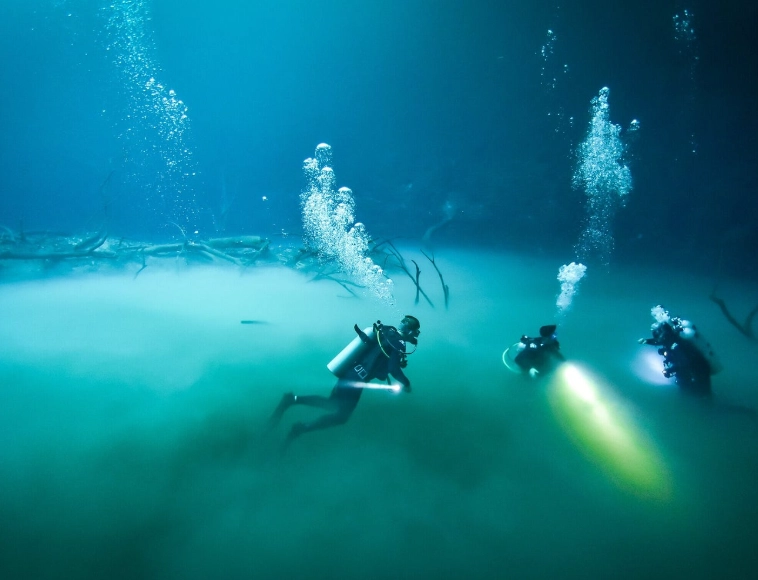
Health, Safety & The Bends
The Yucatán Peninsula is flat. The nearest hyperbaric chamber for treating decompression illness is in Cozumel (operated by the Hospital General de Cozumel) and there's another key facility in Puerto Morelos supported by DAN (Divers Alert Network). On the Pacific side, the main chamber is in La Paz.
This is crucial to know.
Always, always, always have valid dive insurance like DAN or DiveAssure. A medevac from a remote island or a chamber ride is astronomically expensive without it. It's the one thing you buy hoping you never use.
Conservation & Responsible Diving
Mexico's reefs, like all reefs, are under stress. As visitors, we have a responsibility.
- No touching, ever. This goes double for cenote formations. The oils from your skin stop them from growing.
- Use reef-safe sunscreen. Many areas, like Xel-Há and several Cozumel marine parks, actually require it. Chemicals in regular sunscreen bleach and damage coral. Pack a mineral-based one.
- Support good operators. Choose companies that participate in clean-up dives, use mooring buoys instead of anchoring, and educate their customers. The Amigos de Isla Contoy group does great work in the Cancun/Isla Mujeres area.
- Be mindful of animal interactions. Chasing a whale shark or grabbing a sea lion for a selfie is unacceptable. Observe from a respectful distance.
Your Mexico Diving Questions, Answered
I get asked these all the time by friends planning trips.
Absolutely, yes. Cozumel has countless shallow, protected reefs perfect for open water students. The calm, clear Caribbean water builds confidence. Just be upfront with your dive shop about your experience level—they'll pick the right sites. I'd avoid advanced drift dives or cenotes until you have solid buoyancy control.
Not for diving. In all major dive hubs, the staff at shops, on boats, and guiding cenotes speak excellent English. Learning a few basic phrases ("hola," "gracias," "más aire, por favor") is always appreciated, but you'll have no trouble communicating underwater or during briefings.
It runs the full gamut. In Cozumel, you can stay in all-inclusive resorts with on-site dive ops or in cute, affordable Airbnb apartments a block from the marina. In Tulum, it's more about eco-lodges and boutique hotels. Pacific spots like La Paz have more traditional hotels and B&Bs. The food is a huge perk—fresh ceviche, tacos al pastor, and cochinita pibil after a day of diving is a ritual.
It holds its own, easily. The reef health in Cozumel is better than many over-dived sites in the Caribbean. The animal diversity might not match Indonesia's Coral Triangle, but you simply cannot find cenotes anywhere else on Earth. It's the combination of world-class reef diving, unique geological features, and big animal encounters that makes Mexico so special and convenient for North American divers.
Pulling It All Together: Sample Itinerary Ideas
To make this really practical, here’s how a dream week of Mexico diving might look.
Itinerary 1: The Caribbean All-Rounder (7 Days)
- Days 1-4: Cozumel. Fly into CUN, take the ADO bus to Playa, then the ferry over. Focus on epic drift dives along the southern reefs. Do a night dive.
- Days 5-6: Playa del Carmen. Ferry back. Do a bull shark dive (if in season) or a reef dive. Dedicate one full day to a two-tank cenote tour (e.g., Dos Ojos & The Pit).
- Day 7: Travel.
Itinerary 2: The Pacific Big Animal Adventure (8-10 Days)
- Days 1-3: La Paz. Fly into SJD, drive or shuttle to La Paz. Swim with whale sharks (in season) and play with sea lions at Los Islotes.
- Days 4-7: Cabo Pulmo Liveaboard or Day Trips. Explore the hard coral reefs of this national marine park, dive with huge schools of jacks, and hope for mobula rays.
- For the ultimate, replace this with a 7-10 day Socorro Islands liveaboard.
So, is Mexico diving worth it?
Look, I'm biased. But after diving in a lot of places, I keep going back to Mexico. It's accessible, the value for money is still good (especially compared to some Caribbean islands), and the variety is insane. You can have a relaxing, beautiful reef vacation or seek out heart-pounding pelagic action. You can float weightlessly in a crystal cave one day and drift over a coral-covered wall the next.
Just do your homework.
Pick the right coast for your goals, time your trip with the seasons, choose your dive operator carefully, and dive responsibly. Do that, and your Mexico diving adventure won't just meet expectations—it'll blow them out of the water. Now, if you'll excuse me, I need to go look at flight prices. Writing this has made me want to go back.
Comments