Quick Navigation
- The Great Divide: Andaman Sea vs. Gulf of Thailand
- When to Go: Navigating Monsoons and Peak Seasons
- Top Thailand Diving Destinations & What You'll Actually See
- Beyond the Basics: Liveaboards, Wrecks, and Unique Experiences
- So, How Much Does Thailand Diving Actually Cost?
- Gearing Up: Practical Tips for Your Thailand Diving Trip
- Answering Your Burning Questions (FAQs)
Let's cut right to the chase. You're thinking about Thailand diving, right? Maybe you've seen those impossibly blue water photos with whale sharks or heard friends rave about the Similan Islands. It's on every diver's bucket list for a reason, but also, it can be overwhelming. Which coast? What time of year? Is it just for pros or can beginners jump in too?
I've been there. My first Thailand diving trip was a mess of guesswork. I went to the wrong side in the wrong season and spent more time watching rain on the surface than fish below. Not ideal. Since then, I've logged plenty of dives across both the Andaman Sea and the Gulf of Thailand. I've had breathtaking moments and a few letdowns too. This guide is what I wish I'd had—a straight-talking, detail-packed map to planning your perfect underwater adventure.
We're going to break it all down. Not just the pretty pictures, but the practical stuff: where to go, when to go, what you'll actually see, how much it'll cost, and how to avoid the tourist traps. Whether you're taking your first breath underwater or you're a seasoned diver looking for your next big thrill, there's a slice of Thailand's underwater paradise with your name on it.
Why Thailand, Anyway? It's a fair question. The world has many dive destinations. Thailand's magic is in its variety and accessibility. You've got gentle, coral-fringed bays perfect for learning, and you've got remote, current-swept pinnacles swarming with pelagic giants. You can do a casual afternoon dive from a beach resort or commit to a week on a liveaboard exploring oceanic frontiers. The infrastructure is top-notch, with professional dive shops everywhere, yet it remains surprisingly affordable. Plus, let's be real, the food and the post-dive beach life are unbeatable bonuses.
The Great Divide: Andaman Sea vs. Gulf of Thailand
This is decision number one. Thailand's diving is split between two coastlines, and they offer wildly different experiences. Picking the right one for your trip is half the battle.
The Andaman Sea on the west coast is the poster child for Thailand diving. This is where you find the big names, the clear blue water, and the dramatic seascapes. It's generally considered the more "premium" diving, especially as you go further offshore. The water visibility tends to be superior, and it's the realm of the ocean wanderers—manta rays, whale sharks, and schooling fish.
The Gulf of Thailand on the east coast is a different vibe. The water can be slightly greener and less crystal-clear than the Andaman, but don't let that fool you. The marine life here is prolific. It's famous for its kaleidoscopic coral reefs, macro critters (think tiny seahorses, ghost pipefish), and generally calmer, more sheltered conditions. It's fantastic for underwater photographers who love the small stuff and for beginners who want forgiving seas.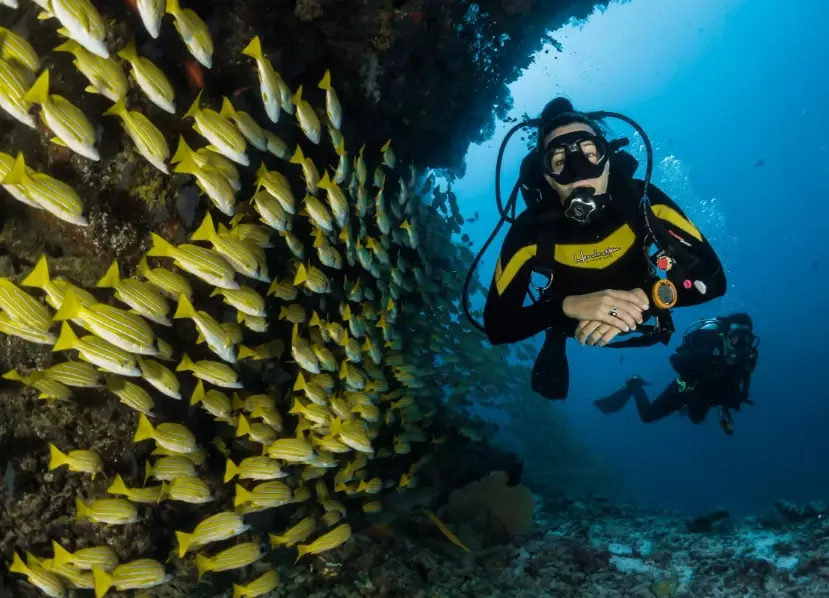
Here’s a quick comparison to help you choose:
| Feature | Andaman Sea (West Coast) | Gulf of Thailand (East Coast) |
|---|---|---|
| Best Known For | Big pelagics, granite boulders, whale sharks, manta rays, pristine visibility. | Colorful coral reefs, macro life, wrecks (like the HTMS Sattakut), whale sharks (seasonal). |
| Top Dive Hubs | Phuket, Khao Lak, Krabi (Ao Nang, Railay), Koh Lanta. | Koh Tao, Koh Samui, Koh Phangan, Pattaya, Chumphon. |
| Water Visibility | Generally excellent (15-40m+), especially offshore. | Good to very good (10-25m), can be affected by plankton bloom. |
| Sea Conditions | Can be rougher, with stronger currents, especially at offshore sites. | Typically calmer, more sheltered, with milder currents. |
| Best Diver Profile | Experienced divers, adrenaline seekers, liveaboard enthusiasts. | Beginners, macro photographers, divers seeking relaxed vibes. |
| Signature Experience | Drifting past a school of hunting tuna at Richelieu Rock. | Finding a pygmy seahorse wrapped around a gorgonian fan at Chumphon Pinnacle. |
My personal take? If it's your first time and you dream of those classic, iconic Thailand diving scenes with possible big animal encounters, lean towards the Andaman. If you're just getting certified, are on a tighter budget, or geek out over tiny, weird creatures, the Gulf is your happy place.
When to Go: Navigating Monsoons and Peak Seasons
Timing is everything. Thailand has tropical monsoons that flip the diving seasons on each coast. Get this wrong, and you might find your dream dive resort closed or the sea too rough to sail.
The Golden Rule: When one coast is in its rainy/monsoon season, the other is usually in its prime diving season. This means Thailand offers great diving somewhere, all year round.
For the Andaman Sea (Phuket, Similans, etc.), the high season runs from November to April. This is the dry, sunny season with the calmest seas and best visibility. The absolute peak is December to March. The Similan Islands National Park is officially open during this period (approx. mid-October to mid-May). The monsoon hits from May to October, with the heaviest rains and roughest seas typically from July to September. Some liveaboards still operate, focusing on southern sites like Koh Haa and Hin Daeng/Hin Muang which can be more sheltered.
For the Gulf of Thailand (Koh Tao, Samui, etc.), the best conditions are generally from April to September. It's drier and sunnier on this side during these months. The monsoon here runs from October to December, with November often being the wettest. Even during the Gulf's monsoon, diving usually continues because many sites are sheltered, but you might have more rain and occasional windy days.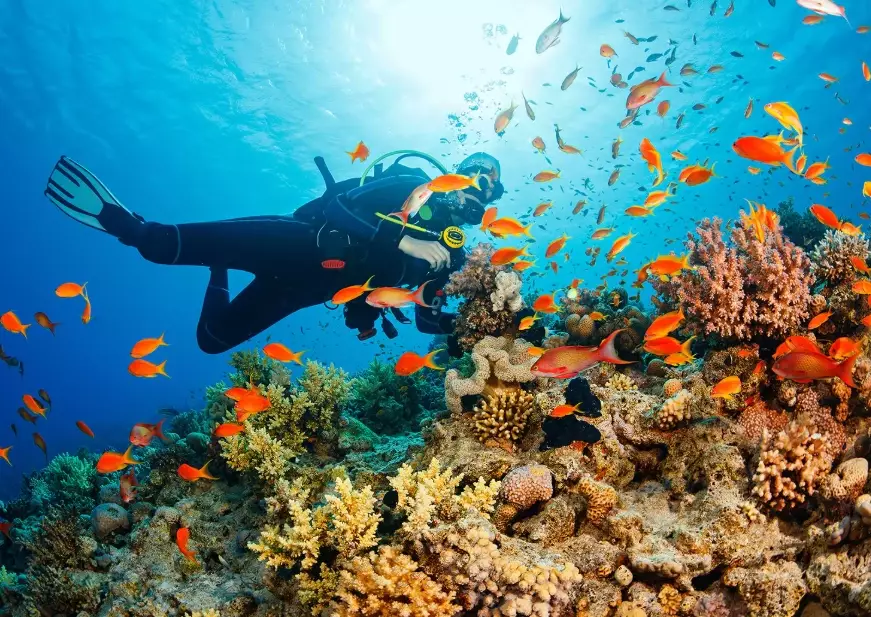
So, planning a trip in August? Head to the Gulf. Dreaming of a Christmas dive holiday? The Andaman is your only real bet.
Top Thailand Diving Destinations & What You'll Actually See
Let's get specific. Here’s a breakdown of the major hubs and what makes each one special. I've included some honest pros and cons from my own experience.
The Andaman Coast Powerhouses
Khao Lak: This isn't a flashy island; it's a mainland town that serves as the primary gateway for Similan Islands liveaboards. If your goal is to reach the Similans, Richelieu Rock, and Surin Islands, you'll likely start here. The town itself is relaxed, with a long beach. The diving is all about the liveaboard trips to those legendary offshore sites. It's less about casual day diving and more about committing to a 3-7 day boat adventure.
Phuket: The bustling heart of Andaman Sea diving. Phuket has it all—dozens of dive shops, day trip boats to nearby reefs like Racha Yai and Racha Noi, and access to longer trips to Phi Phi and even the Similans. It's convenient, with tons of non-diving activities for travel companions. The downside? Some of the closer sites can get crowded. My dive at Shark Point (a great site for leopard sharks) felt a bit like underwater traffic sometimes. Still, the variety is unmatched.
Koh Lanta: A more laid-back alternative to Phuket. Koh Lanta has a cool, bohemian vibe and is the main jump-off point for diving the spectacular Hin Daeng and Hin Muang ("Red Rock" and "Purple Rock"). These are advanced dives due to depth and current, but they are arguably two of the best sites in Thailand for pelagic action—manta rays are common, and whale sharks are frequent visitors. Lanta also offers trips to the Koh Haa lagoon, a stunning cluster of limestone islands with caves and swim-throughs perfect for all levels.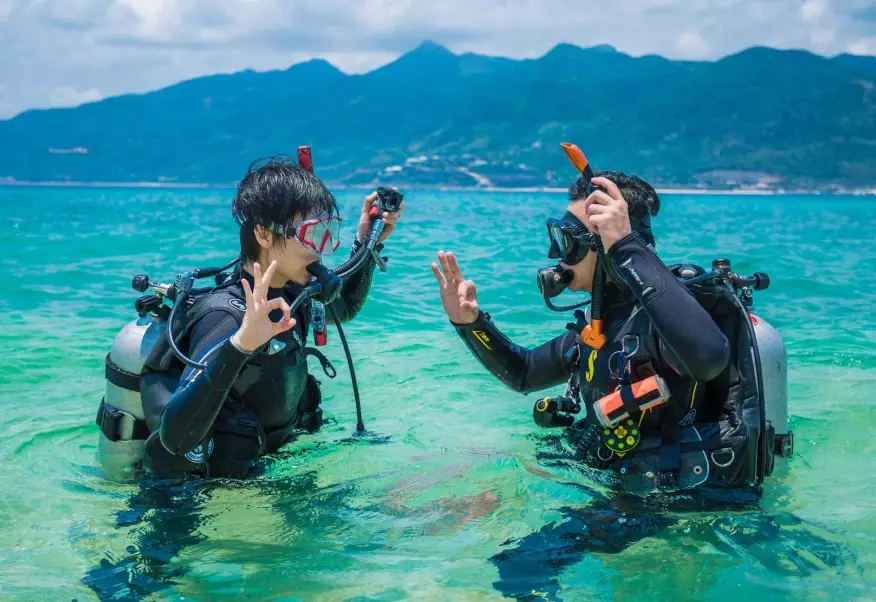
The Gulf of Thailand Gems
Koh Tao: The dive mecca of the Gulf. Seriously, this island certifies more new divers than anywhere else on Earth. That means it's incredibly beginner-friendly, with heaps of shallow, calm bays for training. But it's not just for newbies. Sites like Chumphon Pinnacle, Southwest Pinnacle, and Sail Rock (which it shares with Koh Phangan) offer fantastic deeper dives with chances of bull sharks, giant groupers, and massive schools of barracuda and trevally. The social scene is huge, and it's very budget-friendly. The critique? Some sites, especially the training bays, can feel a bit "loved to death." Choose your dive operator carefully—one that respects the reef and manages buoyancy well.
Koh Samui & Koh Phangan: Samui is the big, comfortable island with an airport. Many divers stay here for the wider range of hotels and fly directly in, then take day trips to the best dive sites shared with Koh Tao and Koh Phangan. Koh Phangan, famous for its Full Moon Party, also has a quieter diving scene on its southern tip. Sail Rock, located between them, is a must-do—a solitary pinnacle that acts as a fish magnet.
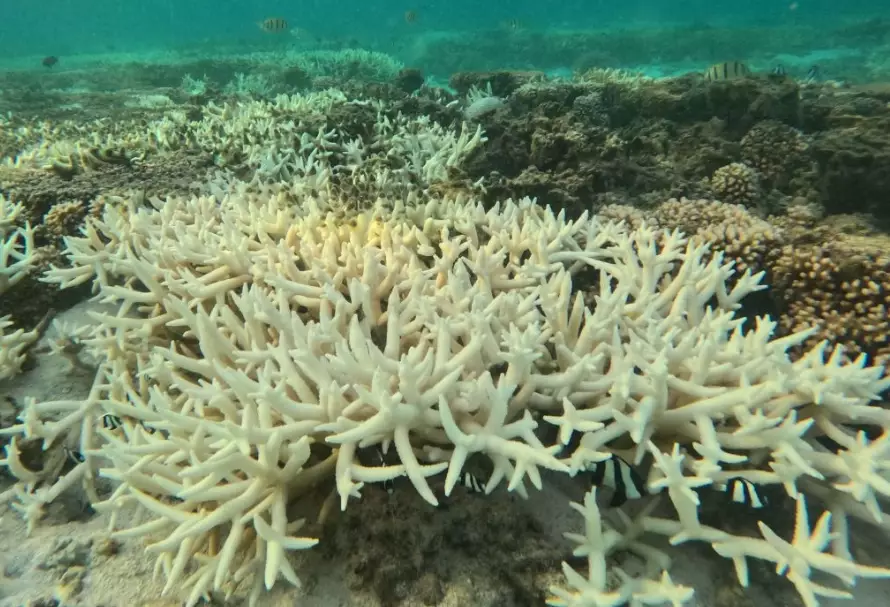
A Quick Rant on Conservation: The popularity of Thailand diving comes with a cost. You will see coral bleaching. You might see damaged reef from careless anchors or divers. It's heartbreaking. Always choose operators with strong eco-policies (no gloves, no touching, strict buoyancy control). Consider supporting reef restoration projects. The Thailand Department of Marine and Coastal Resources has information on protected areas, and organizations like the Ocean Conservancy work globally on these issues. Your choices matter.
Beyond the Basics: Liveaboards, Wrecks, and Unique Experiences
If you're ready to level up your Thailand diving game, these experiences are worth the splurge.
Liveaboards to the Similan and Surin Islands: This is the pinnacle for many. You sleep on the boat, waking up at the most remote sites before the day-trippers arrive. You dive 3-4 times a day, including magical night dives. The journey to Richelieu Rock, a submerged pinnacle in the middle of nowhere famous for its resident whale sharks and incredible purple soft corals, is a pilgrimage. The marine life is on another scale. It's not cheap, and the cabins can be cozy, but for a dedicated diver, it's transformative. I did a 4-day trip and still dream about the schools of jack fish at Elephant Head Rock.
Wreck Diving: Thailand has some fascinating wrecks. The crown jewel in the Gulf is the HTMS Sattakut off Koh Tao, a former US Navy warship deliberately sunk in 2011. It's now a thriving artificial reef, covered in corals and home to big groupers, batfish, and barracuda. It's a deep dive (the deck is around 22m, the seabed at 30m) but absolutely stunning. In the Andaman, the King Cruiser Wreck between Phuket and Phi Phi is a car ferry that sank in 1997. It's shallower and absolutely packed with marine life, but it's also heavily dived and can be silty.
So, How Much Does Thailand Diving Actually Cost?
Let's talk numbers, because budget is real. Thailand is a value destination, but costs can add up.
- Fun Dives: A standard two-tank day trip from places like Phuket or Koh Tao typically costs between 2,500 to 3,500 Thai Baht (approx. $70-$100 USD). This usually includes gear, lunch, and drinks.
- Open Water Certification: This is where Koh Tao shines. You can find courses for as low as 9,000-11,000 Baht ($250-$300 USD), all-inclusive. It's shockingly affordable compared to most of the world.
- Liveaboards: This is the big expense. A 3-night/4-day trip to the Similans can range from 25,000 to 40,000+ Baht ($700-$1,100+ USD) depending on the boat's luxury level. It sounds like a lot, but when you factor in all meals, accommodation, and up to 12 dives, the per-dive cost becomes reasonable.
- Gear Rental: Usually included in courses and dive trips. If you need to rent separately, a full set might be 500-800 Baht per day ($15-$22 USD).
My advice? Don't just go for the absolute cheapest operator. A slightly higher price often means smaller groups, better-maintained equipment, and more experienced guides—all of which dramatically improve your experience and safety.
Gearing Up: Practical Tips for Your Thailand Diving Trip
- Get Insured. Not just travel insurance, but proper dive insurance. DAN (Divers Alert Network) or similar. Chamber facilities are available in major hubs like Phuket and Samui, but evacuation can be costly. Don't skip this.
- What to Pack: Your certification card (they *will* ask for it), a logbook, a reef-safe sunscreen (please!), a seasickness remedy if you're prone to it (those Andaman crossings can be bumpy), and a lightweight surface cover-up like a rashguard. Most gear is rentable, but many divers bring their own mask, snorkel, and computer for comfort and familiarity.
- Respect the Rules. Many of the best sites are in National Marine Parks (Similans, Surin, Ang Thong). There's an additional park fee (around 500 Baht per person). Touching marine life, collecting shells, or wearing gloves (which encourages touching) is often prohibited. Follow your guide's briefings.
- Acclimatize. Don't book a deep dive or a liveaboard for the day after a long international flight. Your body needs time to off-gas nitrogen from the flight. Plan a day or two of relaxing or easy diving first.

Answering Your Burning Questions (FAQs)
Final Thought: Thailand diving is more than just a holiday activity; it's a gateway to a different world. The first time you hover weightless over a garden of anemones with clownfish darting about, or hold your breath as a majestic manta ray glides overhead, you'll get it. The planning might seem tedious now, but it's worth it. Do your homework, choose responsibly, and get ready for an adventure that will stick with you long after your tan fades.
Have specific questions I didn't cover? Drop a comment below. And if you've been, what was your favorite Thailand diving memory? Mine will always be that moment of silence at 30 meters, surrounded by a swirling vortex of fish at Richelieu Rock. Pure magic.


Comments