Explore This Guide
- The Foundation: Essential Diving Techniques for Everyone
- Leveling Up: Intermediate Diving Techniques and Skills
- Advanced Diving Techniques for Specialized Scenarios
- Safety First: Diving Techniques That Save Lives
- Tailoring Your Techniques: Scuba vs. Freediving
- Answers to Common Diving Technique Questions
Let's talk about diving. Not the graceful Olympic kind, but the one where you're submerged in a different world, surrounded by silence and wonder. I remember my first open water dive like it was yesterday – equal parts excitement and sheer panic. My buoyancy was all over the place, I was sucking air like there was no tomorrow, and I'm pretty sure I looked more like a distressed octopus than a diver. That's when it hit me: knowing a few diving techniques isn't just about looking cool; it's the difference between a stressful splash and a magical, safe experience.
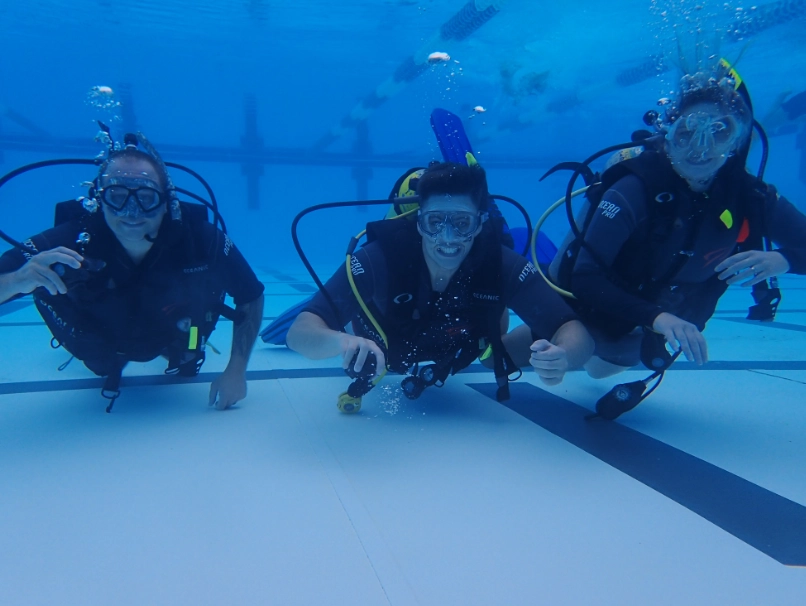
Over the years, through countless dives, certifications, and yes, a few embarrassing moments, I've learned that the art of diving is built on a foundation of core skills. This guide is everything I wish I'd known back then. We'll break it down, from the absolute basics you learn in a pool to the nuanced skills that separate good divers from great ones. Whether you're gearing up for your first scuba certification or you're a seasoned freediver looking to refine your approach, there's something here for you.
The Foundation: Essential Diving Techniques for Everyone
Before we get fancy, let's nail the fundamentals. These are the non-negotiables, the skills that every single diver, regardless of type, needs to have in their muscle memory.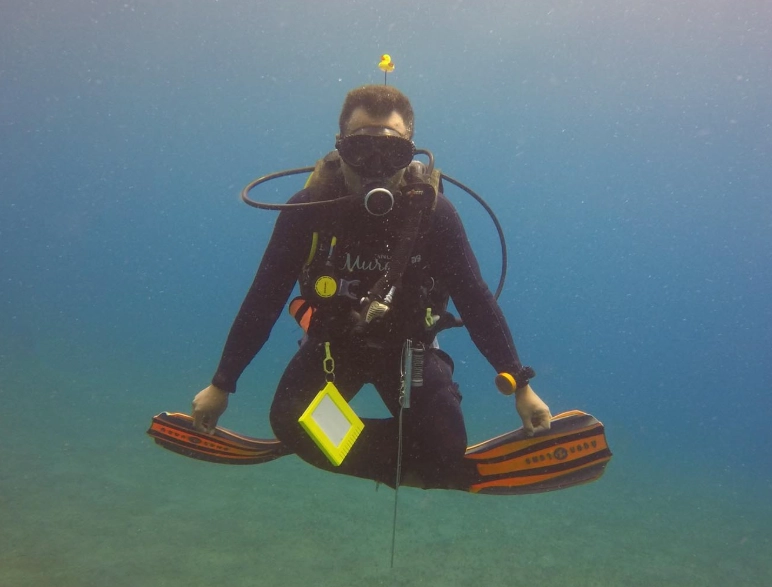
Breathing Control (It's Not as Simple as It Sounds)
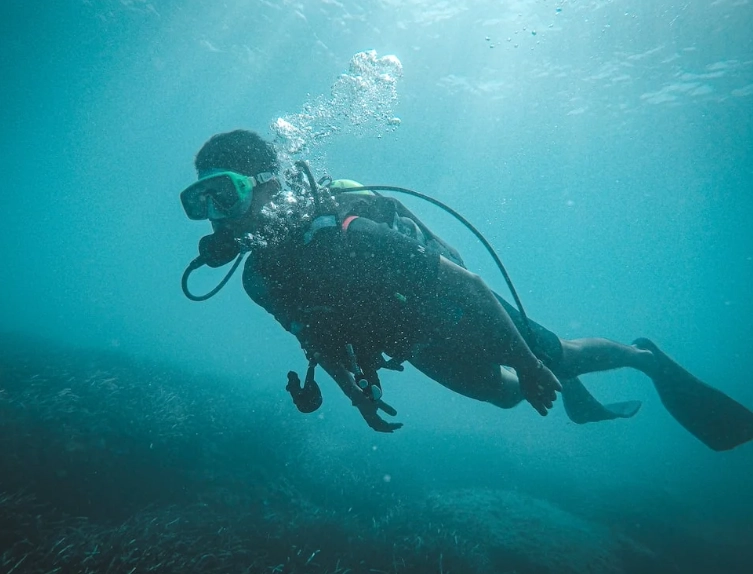
In scuba diving, your breathing is your engine and your buoyancy control. The classic mistake? The "panting diver" – short, shallow breaths that waste air, increase CO2 buildup (hello, headache), and make you bob up and down like a cork. The right technique is slow, deep, and rhythmic diaphragmatic breathing. Inhale deeply for a count of four, hold for a second, exhale fully for a count of six. This maximizes gas exchange, calms your nervous system, and gives you smooth buoyancy adjustments. For freedivers, breath control is the entire game, involving specific breath-up sequences and static apnea tables to prepare the body and mind. The Professional Association of Diving Instructors (PADI) emphasizes controlled breathing as a primary skill for managing air consumption and stress.
Buoyancy Control: The Holy Grail of Diving
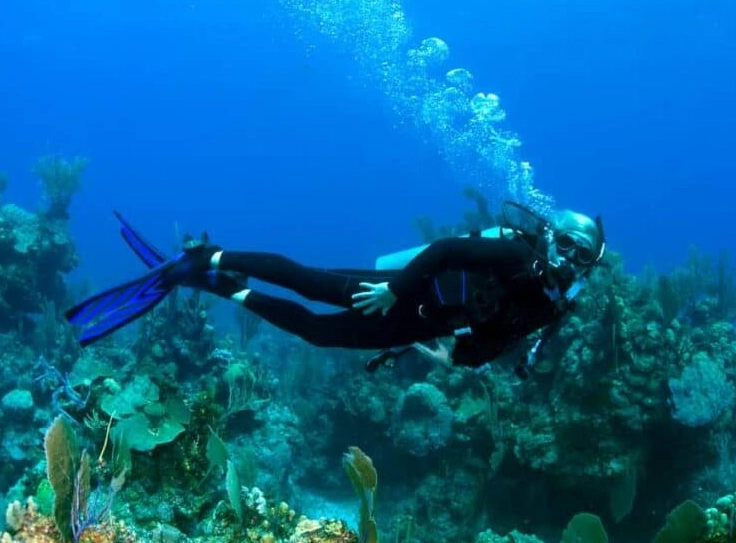
Mastering neutral buoyancy is what makes diving feel effortless. It's the skill that protects the reef (no more crashing into coral), saves your air, and lets you hover motionless to watch a critter. It's a three-part dance: proper weighting, lung volume, and your Buoyancy Control Device (BCD). Start by getting your weight right – you should float at eye level in the water with an empty BCD and a full breath, then sink slowly as you exhale. Underwater, use tiny bursts of air into your BCD, not your lungs, for major adjustments. Use your breath for micro-adjustments. It takes practice. I spent my first ten dives either scraping the bottom or doing an uncontrolled ascent – not my finest moments.
Equalization: Do It Early and Often
Ear pain is the number one reason beginners abort a dive. The key is to equalize the pressure in your air spaces before you feel discomfort. Start equalizing the moment your head goes underwater and continue every foot or so as you descend. The Valsalva maneuver (pinching your nose and gently blowing) works, but it can be harsh. I prefer the Toynbee maneuver (pinch nose and swallow) or the Frenzel technique (using the tongue as a piston) for a gentler, more controlled equalization, especially in freediving. If you feel pain, stop your descent, ascend a foot or two until it eases, and try again. Never force it. The Divers Alert Network (DAN) has extensive resources on ear and sinus barotrauma, highlighting that proper equalization is the first line of defense.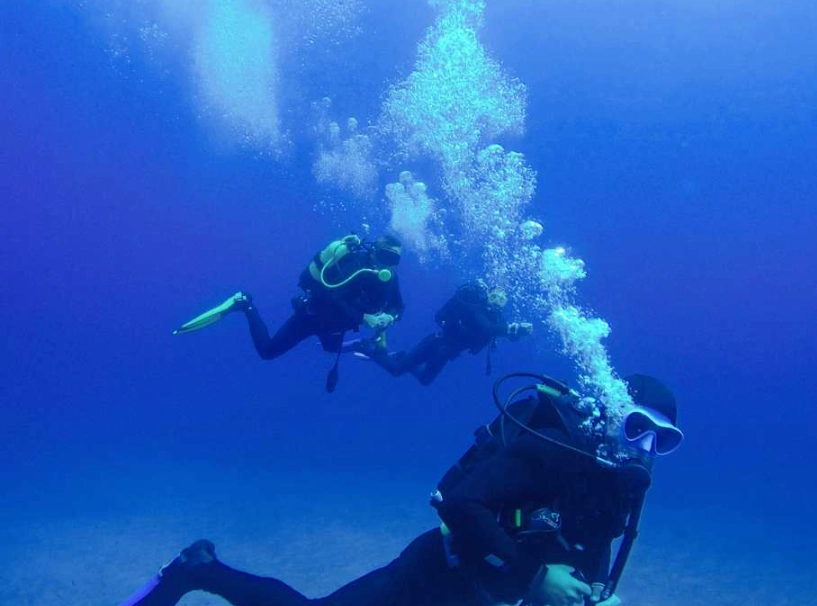
It sounds basic, right? But you'd be amazed how many divers, even experienced ones, get sloppy with these core diving techniques. They are the bedrock of everything else.
Leveling Up: Intermediate Diving Techniques and Skills
Once you're comfortable in the water, it's time to build your toolkit. These skills increase your safety margin, expand your dive planning options, and make you a more competent buddy.
Underwater Navigation
Getting lost is disorienting and can be dangerous. Good navigation combines natural techniques and compass use. Natural navigation means paying attention: the sun's direction, sand ripples on the bottom (they often run parallel to shore), the way reef structures align, and the general slope of the terrain. But don't rely on it alone, especially on a cloudy day or in low visibility. A compass is your reliable friend. Practice simple patterns on a sandy bottom: out-and-back courses, square patterns, and triangles. The goal is to know where you are, where you're going, and how to get back to your entry point without surfacing. I once followed a "friendly" turtle on a reef dive and ended up completely turned around. My compass was the only thing that got my buddy and me back to the boat. A humbling lesson.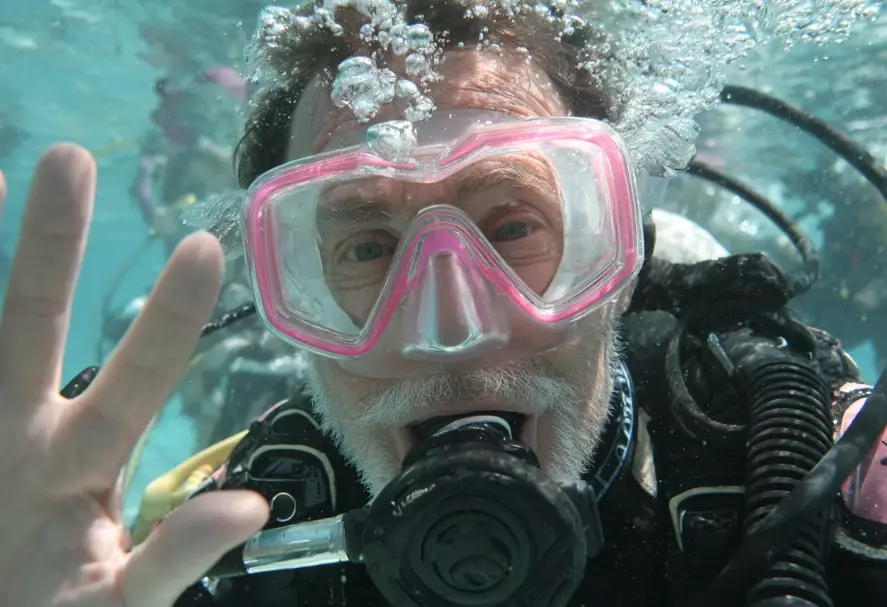
Communication & Buddy Procedures
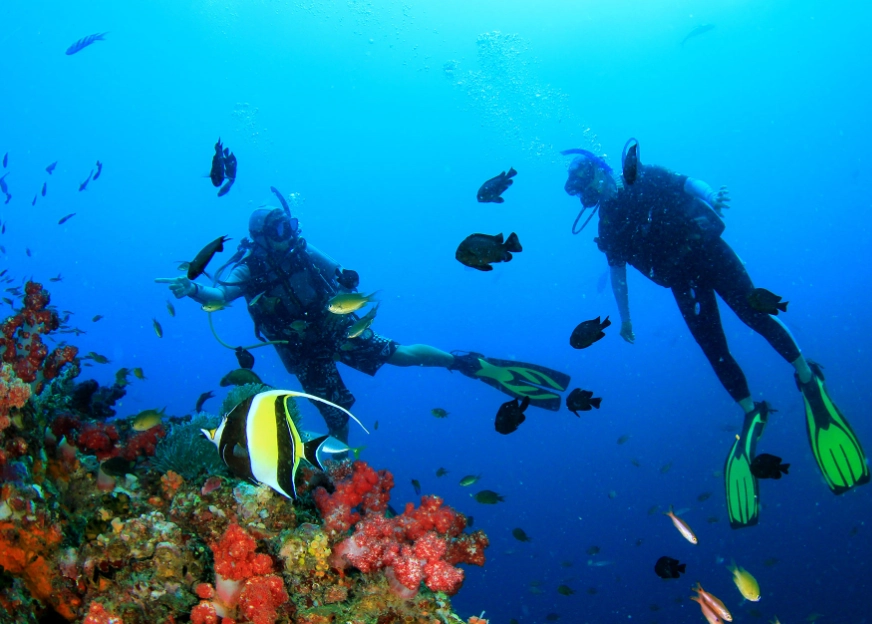
You're a team, not two solo divers sharing a space. Standard hand signals are a must: OK, problem, low on air, ascend, etc. But go beyond the basics. Agree on signals for specific marine life, directions, and check-in procedures. Practice sharing air in a controlled environment – it's a clunky, awkward drill, but knowing you can do it builds immense confidence. The buddy system is about constant awareness. Where is your buddy? What's their air? Do they look comfortable? This situational awareness is a critical diving technique that's often overlooked until it's needed.
Gear Management and Streamlining
Dangling gear isn't just inefficient; it's an environmental hazard. It can snag on wreckage or damage delicate coral. Streamlining is about making yourself a smooth, hydrodynamic shape. Secure your console gauge to your BCD with a clip, tuck your octopus regulator into a holder on your chest strap, and keep your hoses routed neatly. A good pre-dive check with your buddy should include a look for dangling items. This isn't about aesthetics; it reduces drag, conserves energy and air, and minimizes your impact. The National Oceanic and Atmospheric Administration (NOAA) promotes the concept of "Green Diving," where proper gear management is a key component of protecting underwater habitats.
Advanced Diving Techniques for Specialized Scenarios
As your interests grow, so do the required skills. These advanced diving techniques require additional training and should never be attempted without proper certification and mentorship.
Technical Diving and Decompression Procedures
This is where diving gets serious. Tech diving involves going beyond recreational limits (often deeper than 40m/130ft), using multiple gas mixes (like Trimix or Nitrox), and mandatory decompression stops. The diving techniques here are about meticulous planning, redundancy, and rigorous discipline. Gas management switches from a simple rule (the rule of thirds) to more complex calculations with multiple cylinders. You learn to use a dive computer as a backup to your planned tables. Buoyancy control becomes even more critical when holding a decompression stop at 6 meters for 20 minutes in a current. This is not for casual divers; it's a commitment to a high level of skill and risk management. Organizations like Technical Diving International (TDI) set the global standards for this kind of training.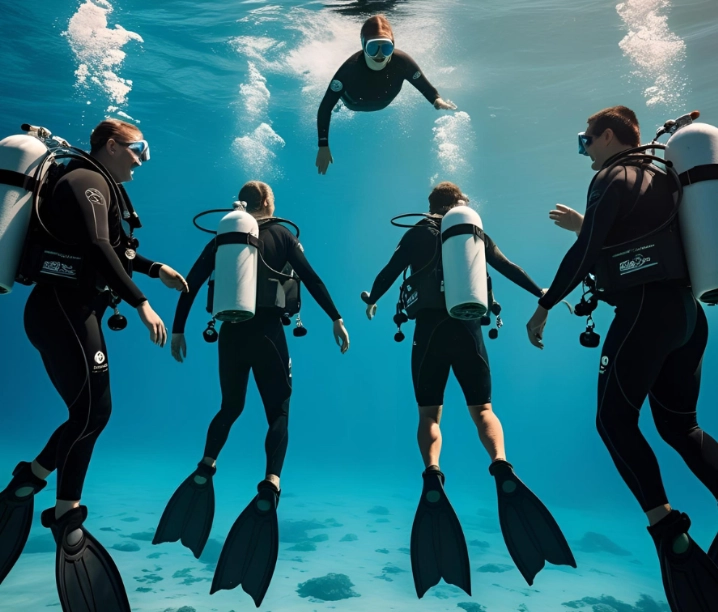
Freediving's Unique Skill Set
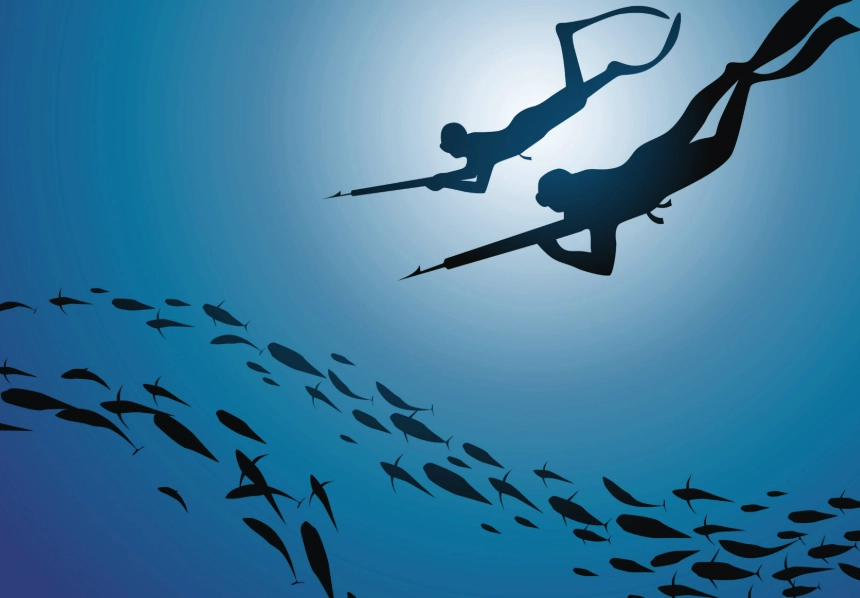
Freediving strips away the gear and focuses on human potential. The diving techniques are inward-focused. Static Apnea is training to hold your breath while motionless, teaching mental calm and CO2 tolerance. Dynamic Apnea is swimming horizontally underwater on a single breath, focusing on efficient finning technique (the fluid frog kick or powerful flutter kick) and streamlining. For depth disciplines like Constant Weight, the freefall technique is key – achieving neutral buoyancy at a certain depth so you sink effortlessly, conserving oxygen. Equalization becomes the primary limit, requiring mastery of the Frenzel or Mouthfill techniques. Safety is paramount, with rigorous buddy procedures where one diver always watches the other from the surface. The International Association for the Development of Apnea (AIDA) is a leading body that defines these disciplines and safety protocols.
Safety First: Diving Techniques That Save Lives
All the cool skills mean nothing without safety. These procedures are drilled for a reason.
| Common Scenario | Wrong Reaction | Correct Diving Technique & Response |
|---|---|---|
| Running Low on Air | Panic, rapid ascent. | Signal your buddy immediately. Switch to your alternate air source if needed. Begin a controlled, slow ascent together while continuously exhaling. |
| Getting Entangled | Thrashing, pulling forcefully. | Stop. Breathe. Signal your buddy for help. Trace the line or net to find the point of entanglement. Use a cutting tool (shears or knife) if necessary. Carry at least two cutting devices in different locations. |
| Buddy Separation | Swimming around wildly searching. | Follow the agreed pre-dive plan: search for no more than one minute, then safely ascend to the surface. Reunite on the surface. Use a surface signaling device (whistle, safety sausage). |
| Strong Current | Fighting it head-on, exhausting yourself. | If caught in a downcurrent, swim horizontally out of it, not directly up. In a moving current, use it for a drift dive, staying with your buddy. Ascend using a delayed surface marker buoy (DSMB) to signal the boat. |
| Feeling Panicked | Holding breath, bolting to surface. | Stop all movement. Focus on a single, fixed point (your gauge, the reef). Consciously take slow, deep breaths. Signal your buddy. If needed, hold onto them or a solid object until the feeling passes. |
This table isn't just theory. I've been in a mild entanglement (fishing line on a wreck) and that moment of "stop, breathe, think" was everything. The muscle memory from drills kicked in, and it was a non-event instead of an emergency.
The Divers Alert Network (DAN) is an unparalleled resource. Their pre-dive safety checklists and accident reports are sobering but essential reading to understand how and why incidents happen.
Tailoring Your Techniques: Scuba vs. Freediving
While the principles of physics are the same, the application of diving techniques differs wildly between scuba and freediving.
- Buoyancy: Scuba divers adjust with a BCD. Freedivers achieve it through precise weighting, lung volume, and wetsuit compression.
- Movement: Scuba favors slow, efficient finning (like the frog kick or modified flutter) to avoid stirring silt. Freediving demands powerful, hydrodynamic kicks (monofin or bi-fin technique) for propulsion on a single breath.
- Ascent/Descent: Scuba ascents are slow, with safety stops, controlled by buoyancy and breathing. Freediving descents are often a purposeful freefall, and ascents are a powerful swim, with a critical last 10 meters where pressure changes are most rapid.
- Mindset: Scuba is often about exploration and duration. Freediving is a meditative, athletic pursuit focused on peak performance in a short, intense window.
I love both for different reasons. Scuba lets me linger and investigate. Freediving gives me a raw, pure connection to the water. The techniques complement each other beautifully – my buoyancy control in scuba improved immensely after understanding my body's natural buoyancy in freediving.
Answers to Common Diving Technique Questions
Mastering diving techniques is a journey, not a destination. It's a continuous process of learning, practicing, and refining. It starts with humble skills in a pool and can expand to complex procedures in challenging environments. The payoff is immense: confidence, safety, and the pure, unadulterated joy of moving through the underwater world with grace and purpose. It transforms diving from a tourist activity into a true skill-based pursuit. So get in the water, focus on one skill at a time, and enjoy the process. The reefs, the wrecks, and the incredible marine life are waiting for a diver who knows how to visit them properly.
Comments