Guide Highlights
Let's be honest. Planning a diving trip can feel overwhelming. There's the gear, the certifications, picking a spot that's not overrun with tourists, and that nagging worry about safety. I remember my first trip. I spent more time stressing over my packing list than being excited. I brought the wrong kind of sunscreen, forgot a crucial adapter, and felt completely unprepared on the boat. It was a learning experience, to say the least.
That's why I'm putting this together. Not as a rigid manual, but as a chat from someone who's made the mistakes so you don't have to. Think of these as your core diving travel tips, the stuff that turns a good trip into an unforgettable one.
Phase 1: The Planning Stage (Before You Book a Thing)
This is where most trips are made or broken. Jump in too fast, and you might end up in a destination during monsoon season or without the right qualifications.
Getting Your Diving Papers in Order
Do you need a certification? For snorkeling, no. For scuba diving, almost always yes. Most reputable dive centers won't let you touch a tank without a recognized certification card (C-card). The global standard-setter is PADI (Professional Association of Diving Instructors), but NAUI and SSI are also major, respected agencies.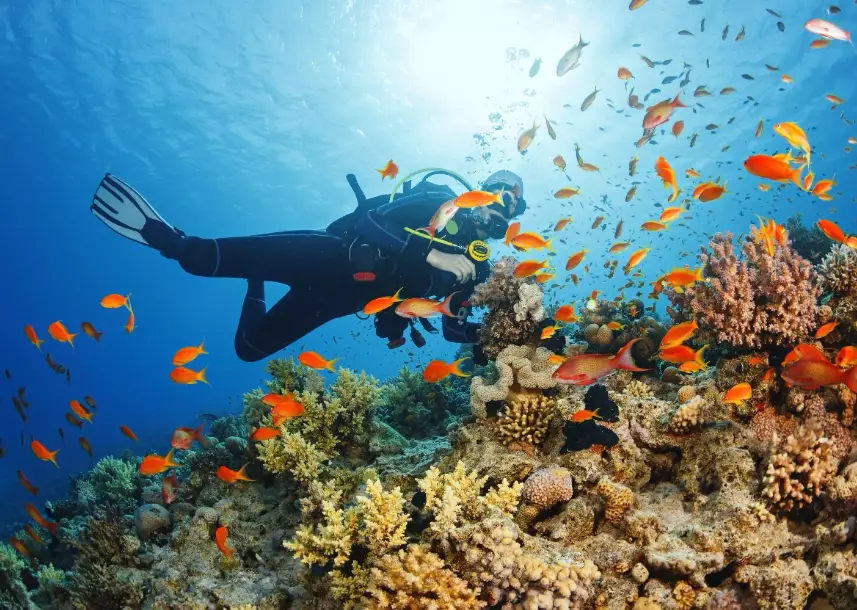
What if you're not certified?
You have options. A "Discover Scuba Diving" (DSD) or equivalent experience lets you try diving under very close instructor supervision, usually in a pool or very shallow, calm water. It's a great taster. But for real freedom to dive on your holiday, you need the Open Water Diver certification. It takes about 3-4 days. Get it locally at home to save precious vacation time, or do it abroad if you have a longer trip. I did mine on vacation, and while it was fun, it did eat into my exploration time.
Choosing Your Underwater Paradise
This is the fun part. The "best" place depends entirely on you. Are you a macro photography nut who goes crazy for tiny nudibranchs? Or do you dream of drifting alongside whale sharks? Your answer changes the map.
Here’s a quick, opinionated breakdown of a few classic types of destinations:
| Destination Type | What You'll Find | Best For... | My Personal Take |
|---|---|---|---|
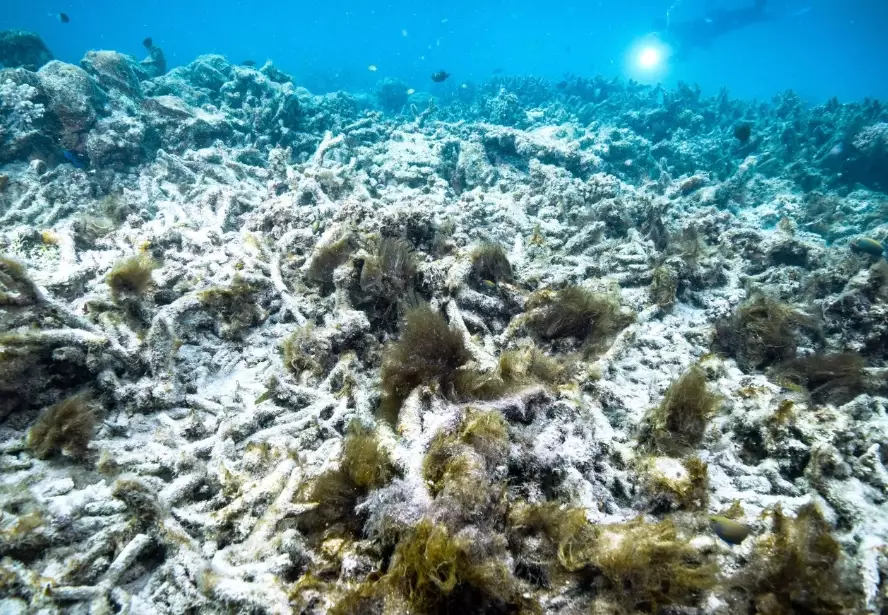
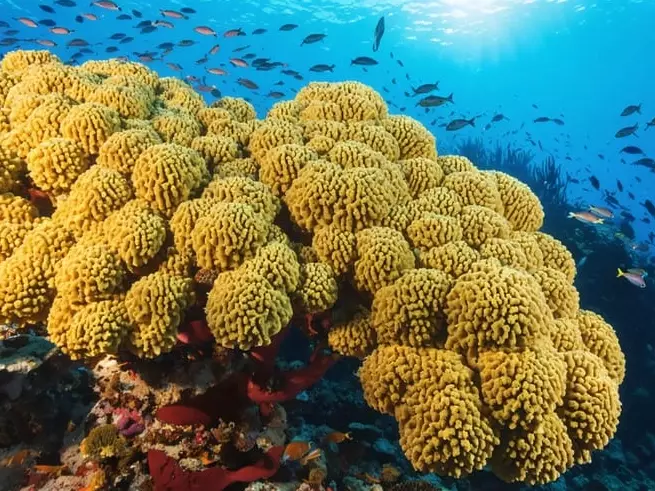
| The Coral Reef Classic (e.g., Great Barrier Reef, Belize, Red Sea) | Vibrant coral walls, tons of tropical fish, clear, warm water. | Beginners, photographers, anyone wanting that "postcard" dive. | Can be crowded. Some areas suffer from bleaching—research the specific site's health. |
| The Big Animal Adventure (e.g., Socorro Islands, Cocos Island, South Africa) | Pelagics! Sharks (hammerheads, whale sharks), mantas, dolphins. Oceanic conditions. | Experienced divers comfortable with currents and deeper water. Liveaboards are common. | This is bucket-list stuff. Expensive and requires advanced skills, but utterly mind-blowing. |
| The Wreck Diver's Playground (e.g., Truk Lagoon, Bikini Atoll, North Carolina) | History frozen in time. Intact warships, airplanes, often teeming with marine life. | History buffs, photographers, divers with good buoyancy control (wrecks are fragile). | Spooky and profound. Some require technical diving certifications. Not for the claustrophobic. |
| The Muck Diving Mecca (e.g., Lembeh Strait, Anilao, Mabul) | Sand and silt bottoms hiding the weird and wonderful: frogfish, seahorses, mimic octopuses. | Macro photographers and divers who love hunting for rare, tiny critters. | It's not pretty in the traditional sense, but the biodiversity is insane. Patience is key. |
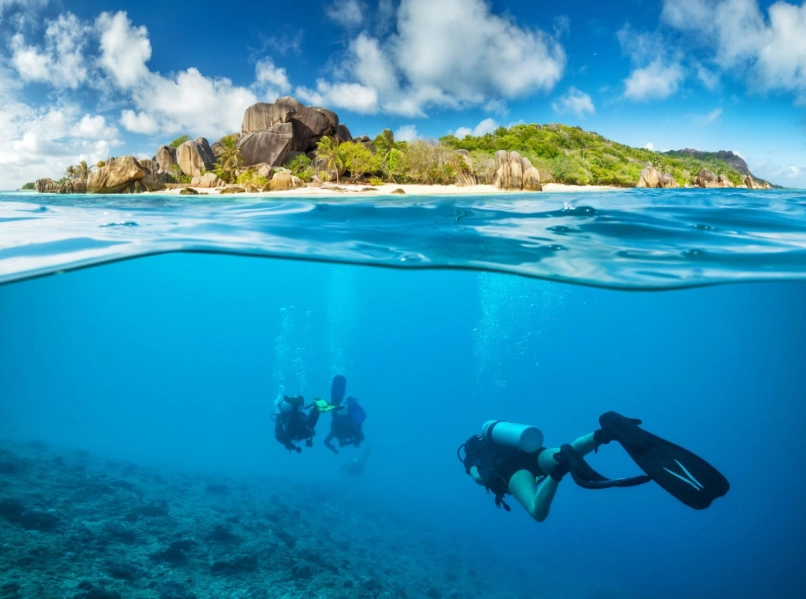
When is the best time to go diving? There's no single answer. You're balancing weather, water visibility, animal migrations, and tourist crowds. For Southeast Asia, the dry season is generally better. For the Caribbean, watch out for hurricane season. A fantastic resource for checking regional weather patterns and dive conditions is the National Oceanic and Atmospheric Administration (NOAA) website. They have global data on marine weather.
Budgeting Realistically
Diving isn't a cheap hobby. Let's break down the costs so there are no surprises.
- Certification: If you need it, this is your biggest upfront cost ($300-$600).
- Gear: You can rent everything, and for beginners, I recommend it. But owning a well-fitting mask, snorkel, fins, and a dive computer is a game-changer for comfort and safety. Budget $500-$1000 for these personal items.
- Daily Dive Costs: A two-tank boat dive can range from $80 in cheaper locales to $200+ in remote or premium spots. Liveaboards are another level ($1500-$5000+ per week).
- The Extras: Travel insurance that covers diving (CRUCIAL), marine park fees, tips for guides, and extra costs like nitrox fills.
How can you save money? Travel in a group, book multi-day packages with a dive shop, and consider less-hyped destinations that are just as good.
Phase 2: Gearing Up & Getting There
The Non-Negotiable Packing List
Forget the fancy clothes. This is what you actually need in your bag. Consider this your ultimate dive travel checklist.
The Core Gear:
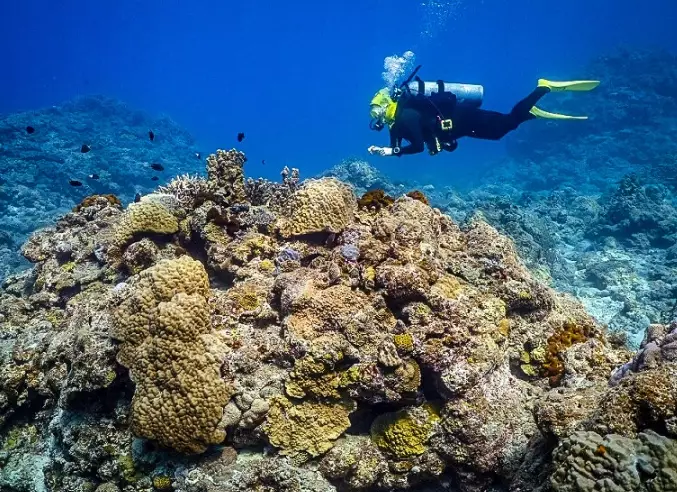
- Mask, Snorkel, Fins: Test your mask for fit before you go (press it to your face without the strap, inhale slightly—it should stay put).
- Exposure Suit: A 3mm wetsuit is fine for most tropics. For cooler water, a 5mm or 7mm. Rent the bulky BCD and regulator if you're traveling light.
- Dive Computer: This is your underwater brain. Don't rely on the divemaster's. Knowing your own no-deco time and depth is Safety 101.
The "Oh, I Wish I Had That" Items:
- Reef-Safe Sunscreen: Many places (like Hawaii and parts of Mexico) ban chemicals like oxybenzone that harm coral. Get a mineral-based one (zinc oxide/titanium dioxide).
- Dive Gear Bag: A mesh bag with sturdy straps for wet gear on the boat.
- Save-a-Dive Kit: Small kit with spare O-rings, mask strap, fin strap, zip-ties, and a multitool. It has saved my day more than once.
- Dry Bag: For keeping your phone, wallet, and towel dry on the boat ride.
Navigating Travel with Dive Gear
Flying with gear is a pain, but doable. Weigh your bag before the airport. Airlines have strict weight limits (often 50 lbs/23 kg for checked bags) and will charge exorbitant fees for overages. Some, like United, have specific sporting equipment policies. Check your airline's website.
Pack your regulator in your carry-on, but cushion it well. For checked bags, pack fins along the sides to protect other items. Let some air out of your BCD bladder to avoid pressure changes causing issues.
Is travel insurance really necessary?
Yes. A thousand times, yes. A standard policy might not cover scuba diving, especially below 18 meters or if you're not certified. You need specialized dive travel insurance. DAN (Divers Alert Network) is the gold standard. Their policies cover medical treatment, hyperbaric chamber evacuation (which can cost over $100,000), and trip cancellation. I've never gone on a trip without DAN coverage. It's peace of mind.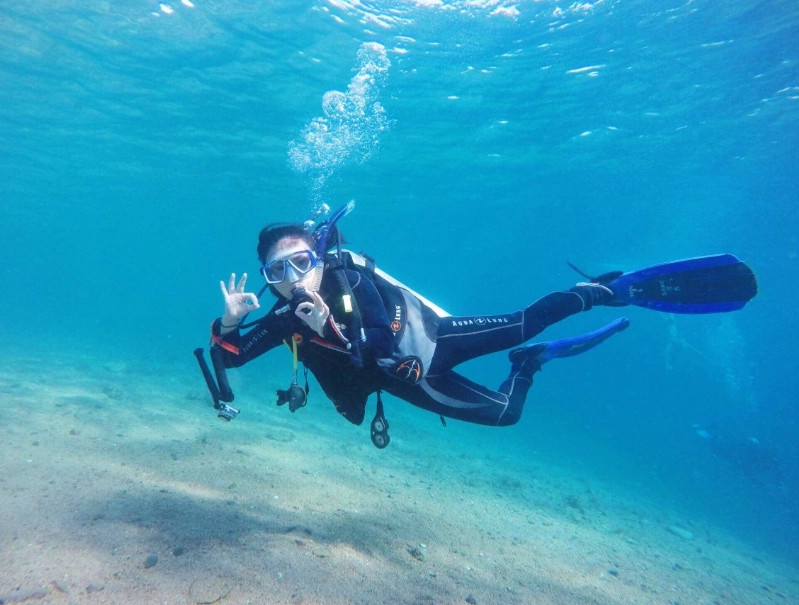
Phase 3: On the Ground & In the Water
You've arrived. The sun is shining. Now what?
Choosing a Dive Operator
This is the most important decision you'll make on the trip. A bad operator can ruin everything. Don't just pick the cheapest one from a brochure in your hotel lobby.
Do your homework. Read recent reviews on multiple platforms (TripAdvisor, Google). Look for comments about boat maintenance, guide-to-diver ratios, and safety briefings. Email them beforehand. Ask questions:
- What is your maximum group size per guide? (4-6 divers per guide is ideal).
- Do you provide a detailed dive briefing and draw a site map?
- What safety equipment is on the boat? (Oxygen kit, first aid, radio).
- What is your policy if a diver is low on air? (A good guide will end the dive for the group if one person is low).
When you visit the shop, trust your gut. Is it organized? Are the tanks in good condition? Do the staff seem professional and happy to answer questions?
The Art of the Dive Briefing
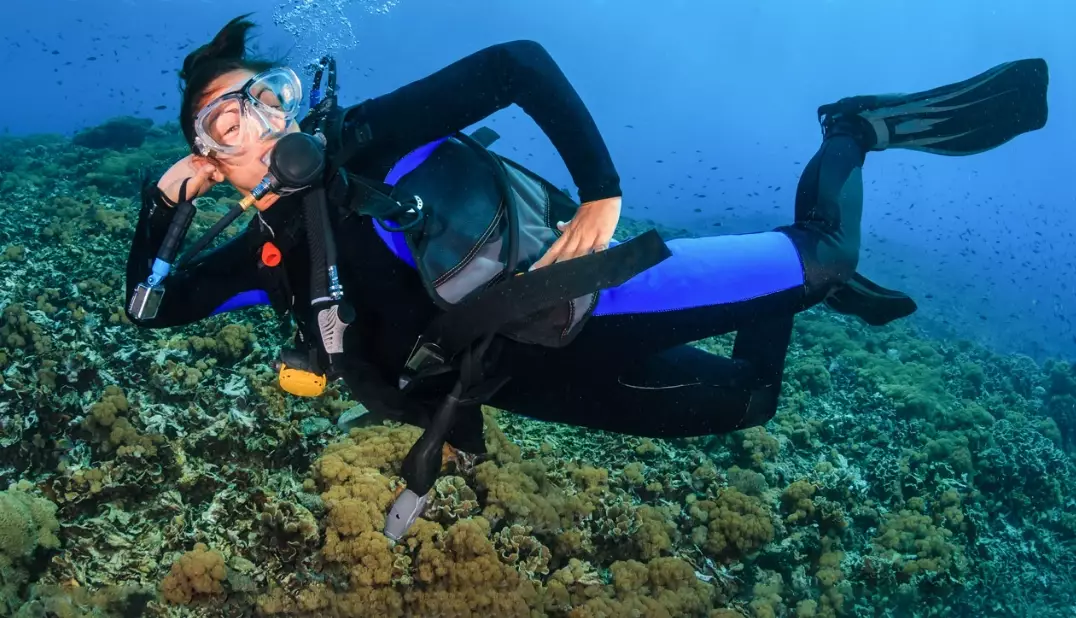
Listen. This isn't the time to fiddle with your camera. A good briefing covers entry/exit points, max depth, dive time, the route, potential hazards (current, boat traffic), and the hand signals for local marine life. If you don't understand something, ask. Every single one of these diving travel tips boils down to communication.
Underwater Etiquette & Safety
This is where theory meets practice. The golden rule: never hold your breath. Breathe normally and continuously. Beyond that:
- Buoyancy is King: Good buoyancy protects the reef and saves your air. Practice hovering. A quick tip: exhale fully to descend, add tiny puffs of air to your BCD to ascend slightly.
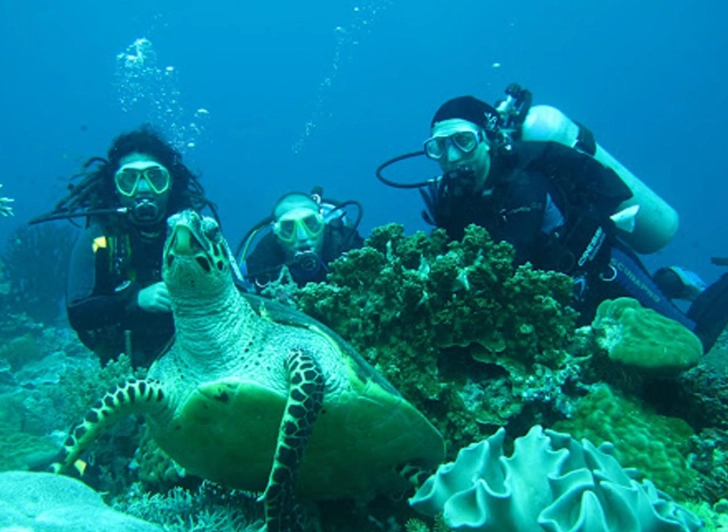
- Stay with Your Buddy: Check in regularly. The classic "OK" sign. Know where they are. I once got distracted by a turtle and looked up to find myself alone. It was a brief but heart-pounding moment of panic until I reunited with the group.
- Respect the Wildlife: Look, don't touch. Don't chase animals. Don't ride turtles. Don't poke the coral. Your fins can do massive damage if you're not careful. Be a observer, not an intruder.
- Monitor Your Gauges: Air, depth, time. Check them often. A good rule is to turn back when you hit half your tank pressure.
Phase 4: After the Dive
Post-Dive Health & Care
You're back on the boat, elated. Now, hydrate. Drinking water is critical to off-gas nitrogen efficiently. Avoid heavy drinking (alcohol) and strenuous exercise for several hours after diving.
Know the signs of Decompression Sickness (DCS): unusual fatigue, joint pain, skin itching, dizziness, or tingling. It can appear hours after a dive. If you suspect anything, administer oxygen and seek medical help immediately. This is where your DAN membership is vital.
Log your dives. Not just for the stamp collection, but to track your progress, note gear configurations, and remember the amazing things you saw. What was that blue fish with the yellow tail? Your logbook will tell you.
Gear Maintenance on the Go
Rinse everything with fresh water after every dive day—especially after saltwater dives. Regulators first (never press the purge button while rinsing!), then BCD, then everything else. Hang wetsuits inside out in the shade to dry. Let gear dry completely before packing it away, or you'll be greeted by a lovely mildew smell next trip.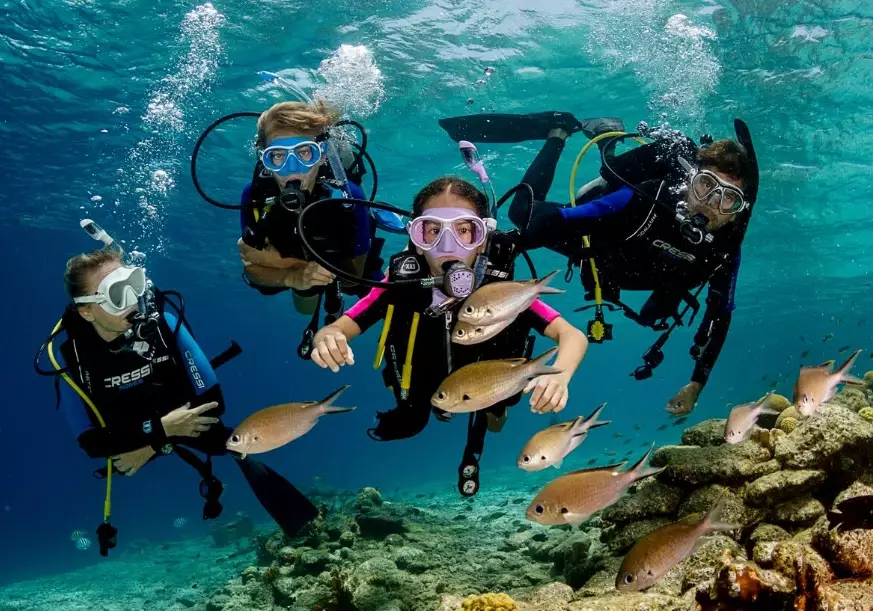
Advanced Considerations & The Future of Dive Travel
Diving with a Camera
It adds a whole new layer of complexity. Master your buoyancy first. A dragging camera housing can destroy coral. Get close to your subject (water reduces clarity), then get even closer. Use natural light when possible before relying on a strobe. And be patient. The best shots come to those who wait.
The Elephant in the Room: Fear and Anxiety
It's normal. Even experienced divers get pre-dive jitters. The key is to acknowledge it. Talk to your dive guide. Tell them you're nervous. A good guide will keep a closer eye on you, give you extra reassurance, and maybe choose a calmer site. Breathe deeply and slowly. Focus on the amazing thing you're about to do. One of the most valuable diving travel tips I ever got was to hum a calm song through my regulator on the descent. It regulates your breathing and calms the mind.
Becoming a Sustainable Diver
We love the ocean, so we have to protect it. This is the industry's biggest conversation right now.
- Choose Operators Wisely: Support shops that practice eco-friendly measures: mooring buoys (not anchoring), responsible animal interactions, and waste reduction.
- Minimize Your Impact: No-touch policies, secure all your gear (no dangling gauges), use reef-safe sunscreen.
- Be a Citizen Scientist: Report sightings of specific species (like whale sharks on whaleshark.org) or coral bleaching. Your observations help science.
It's not about being perfect. It's about being conscious. Every choice matters.
So there you have it. A massive brain dump of everything I've learned from my years of dive travel. It's not about following a rigid set of rules, but about being informed, prepared, and respectful. The ocean is an alien and breathtaking world. With these diving travel tips in your back pocket, you're ready to explore it safely and leave nothing behind but bubbles.
Got a specific question I didn't cover? Drop it in the comments. Maybe your question will be the start of my next post. Safe diving!
Comments