Quick Guide
- Meet the Locals: Florida's Sea Turtle Species
- When is the Best Time for Diving with Sea Turtles in Florida?
- Top Spots for Diving with Sea Turtles in Florida
- Getting Ready: What You Need to Know Before You Go
- The Golden Rules: How to Behave Around Sea Turtles
- Beyond the Dive: Understanding Nesting and Conservation
- Frequently Asked Questions (The Stuff You're Actually Searching For)
- Making It Happen: Your Action Plan
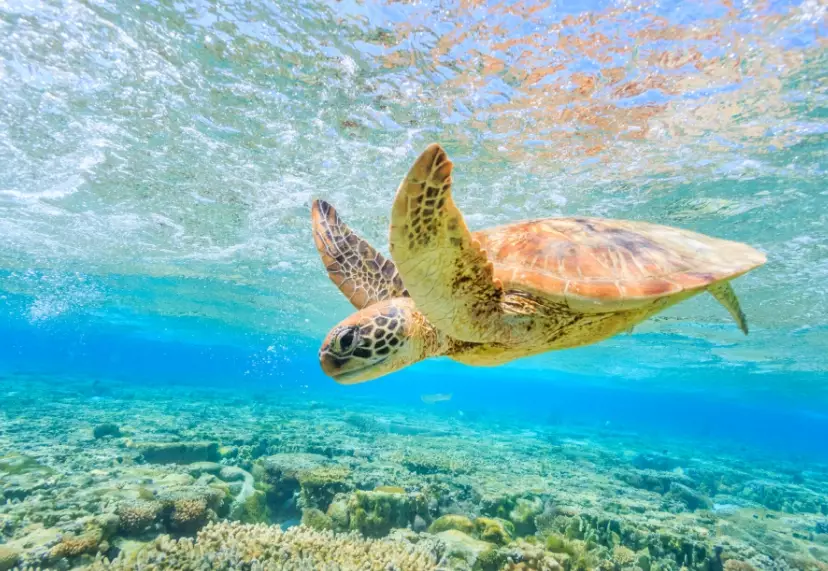
Let's be honest. For many of us, the dream of floating weightlessly beside a sea turtle is a big part of what got us into diving in the first place. That slow, graceful flap of their flippers, the wise, ancient look in their eyes—it's pure underwater magic. And you know what? You don't have to fly to some remote Pacific atoll to experience it. Some of the most accessible and incredible encounters happen right here, diving with sea turtles in Florida.
I remember my first time. It was off the coast of Palm Beach, visibility was just okay, and I was focusing on my buoyancy. Then, out of the blue-green haze, she appeared. A massive loggerhead, her shell crusted with life, just cruising along the reef line. She glanced at me, utterly unbothered, and went about her business. I froze, trying not to breathe too loudly into my regulator. That moment, that connection, is what keeps divers coming back to Florida's waters.
But it's not just about luck. Knowing where to go, when to go, and how to behave makes all the difference between a fleeting glimpse and a transformative experience. This guide is everything I wish I'd known before my first dive. We'll cut through the clutter and give you the real, practical info you need to plan your own adventure.
Why Florida? It's simple. Florida's extensive reef systems, warm Gulf Stream currents, and protected marine areas create a perfect haven for several sea turtle species. They're not just passing through; they live here, feed here, and nest here. This means your chances of a sighting are surprisingly high if you're in the right place at the right time.
Meet the Locals: Florida's Sea Turtle Species
Before you jump in, it helps to know who you might meet. You're not looking for just one type of turtle. Florida is home to a few regulars, and each has its own personality and habits.
The Loggerhead: The Florida Classic
This is the turtle you're most likely to see. Named for their large, block-like heads, loggerheads are robust and common on Florida's reefs, especially along the Atlantic coast. They're the workhorses of the turtle world, using their powerful jaws to crush conchs, crabs, and other hard-shelled critters. Seeing a big loggerhead, often covered in barnacles and algae, munching away on a sponge is a classic Florida diving moment.
The Green Sea Turtle: The Graceful Grazer
If loggerheads are the construction workers, green sea turtles are the gardeners. They're named for the greenish color of their fat, not their shells. These turtles are primarily herbivores, munching on seagrass and algae. This diet often brings them into shallower, calmer waters like lagoons and bays. They tend to be a bit sleeker and can be incredibly calm and approachable (though you must never approach them—more on that later).
The Hawksbill: The Rare Jewel
Consider yourself very lucky if you spot a hawksbill. They're more elusive and critically endangered. They have a beautiful, overlapping shell pattern (the "tortoiseshell" of old) and a pointed beak perfect for plucking sponges from coral crevices. Your best chance for diving with a Hawksbill sea turtle in Florida is on the deeper, less-disturbed reefs of the Keys or Palm Beach.
There are others, like the massive Leatherback, but they are pelagic giants rarely seen by divers on reefs. Your focus will be on the first three.
A quick personal gripe: I've seen too many dive shops promise "guaranteed" turtle sightings. That's marketing nonsense. They're wild animals. No one can guarantee it. A good operator knows the spots where sightings are very likely, especially in season, but always treat a turtle encounter as a precious gift, not a booked appointment.
When is the Best Time for Diving with Sea Turtles in Florida?
Timing is everything. While you can see turtles year-round in Florida's warmer waters, there are definite peaks.
The Sweet Spot: Late Spring through Early Fall (May - October)
This is the undisputed best window. The water is warm, visibility is generally at its best, and this period overlaps with sea turtle nesting season (March-October on the Atlantic, May-October on the Gulf). Why does nesting season matter for divers? Because the adult females are in near-shore waters during this time, either preparing to nest or resting after nesting. They're active, visible, and plentiful.
Summer months (June-August) offer the warmest water (80s°F/ high 20s°C) but also come with higher chances of afternoon thunderstorms and more boat traffic. Shoulder months like May, September, and October can be perfect—still great conditions, slightly fewer people.
Winter Diving (November - April)
Don't write off winter. Water temps can drop into the low 70s°F (low 20s°C) or even high 60s°F in North Florida, so a 3mm or 5mm wetsuit is essential. The upside? Fewer divers, often excellent visibility, and resident turtles are still around. They don't all leave. I've had fantastic, serene turtle dives in January off Key Largo, with the turtles seemingly enjoying the quieter environment.
Top Spots for Diving with Sea Turtles in Florida
Florida has an embarrassment of riches when it comes to dive sites. But some spots are just turtle magnets. Here’s a breakdown of the top regions, from the famous to the lesser-known gems.
| Region/Spot | Why It's Great for Turtles | Best For | Species You'll Likely See |
|---|---|---|---|
| Florida Keys National Marine Sanctuary | Vast protected area with healthy reefs, abundant sea grass beds, and sponge communities. A complete ecosystem that supports turtle life. | Beginner & intermediate divers; consistent sightings; variety of dive types (reef, wreck) | Green, Loggerhead, occasional Hawksbill |
| John Pennekamp Coral Reef State Park (Key Largo) | The first undersea park in the U.S. Heavily protected, which means healthy fish and turtle populations. Sites like Molasses Reef are legendary. | First-timers, snorkelers, families; highly managed and accessible dives. | Green, Loggerhead |
| Palm Beach & Jupiter | The Gulf Stream flows close here, bringing clear, warm water and nutrients. Rich reefs and famous drift dives where turtles are commonly spotted riding the current. | Experienced divers (strong currents); adrenaline-filled drift dives; larger marine life. | Loggerhead, Green, Hawksbill, sometimes Leatherbacks (seasonally) |
| Volusia County (Daytona Beach area) | Massive Loggerhead nesting beaches mean adults are consistently in nearby waters. Artificial reefs and natural ledges attract them. | Divers looking to avoid the crowds of South Florida; good for Loggerhead focus. | Loggerhead (primarily) |
| Dry Tortugas National Park | Remote, pristine, and incredible. A long trip but offers some of the most untouched diving in Florida. Turtle populations are less habituated to humans. | Advanced trips; liveaboards; divers seeking adventure and remoteness. | All species in a wild setting. |
So, which is the absolute best place for diving with sea turtles in Florida? It depends. For reliability and ease, the Middle Keys around Marathon are hard to beat. For excitement and bigger animals, Palm Beach is phenomenal. For a first-time, family-friendly experience, you can't go wrong with Key Largo.
A little secret? Sometimes the less-hyped, "secondary" reef sites have more turtle action than the famous ones, simply because they get less pressure.
Getting Ready: What You Need to Know Before You Go
Okay, you've picked a spot and a season. Now, let's get you ready. This isn't just about grabbing gear.
Choosing a Dive Operator: Ask the Right Questions
This is crucial. A good operator makes the trip. Don't just book the cheapest one online.
- Ask specifically about turtle sightings: "How frequently are you seeing turtles on your dives this month?" A good captain or guide will be honest.
- Ask about their marine life guidelines: Do they brief divers on proper behavior around turtles and reefs? If they seem dismissive, that's a red flag.
- Check their conservation affiliations: Many great operators partner with or support organizations like the Florida Fish and Wildlife Conservation Commission (FWC) or SEE Turtles. It shows a commitment.
Gear Considerations
Nothing special, but a few things help.
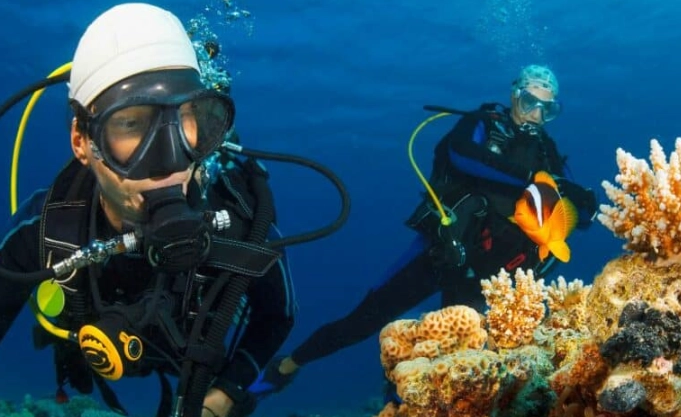
- Good Buoyancy Control: This is your most important piece of "gear." Practicing in a pool beforehand is worth it. You want to hover, not kick up sand or crash into coral.
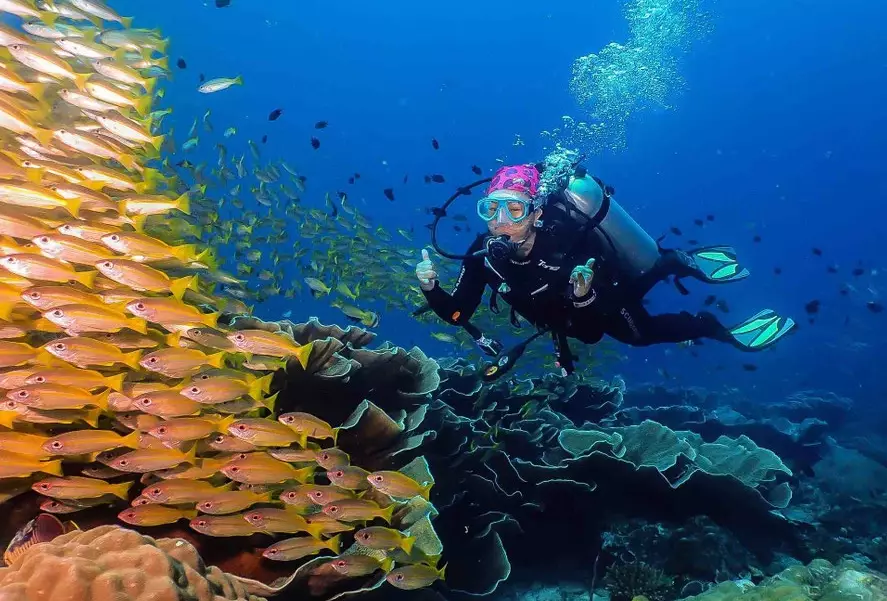
- Neutral Colored Gear: Bright pink or yellow fins might spook a cautious turtle more than black or blue. It's a minor thing, but every bit helps.
- Underwater Camera? If you're not proficient, consider leaving it behind on your first few turtle dives. Focus on the experience, not fumbling with settings. If you do bring it, use a floaty strap!
Pro Tip for New Divers: Nervous about your first ocean dive? Be upfront with the shop. Many offer "refresher" dives in calm, shallow areas that are also great turtle habitats (like seagrass beds in the Keys). It's a low-pressure way to get your skills back and possibly see a turtle.
The Golden Rules: How to Behave Around Sea Turtles
This is the heart of it. A bad encounter stresses the animal and ruins it for everyone. The rules are simple but non-negotiable.
- Never, Ever Touch. I don't care how calm it looks. Touching can remove their protective bio-film, spread disease, or simply scare them away from an important feeding ground. Keep your hands to yourself.
- Give Them Space. The recommended distance is at least 10 feet. If the turtle moves away from you, you're too close. Let it control the interaction.
- No Chasing or Cornering. Don't swim aggressively towards a turtle. If you want to observe, position yourself slightly to the side and let it come to you (or not). Never trap a turtle against the surface, reef, or sand.
- Minimize Your Bubbles. Try to breathe slowly and calmly. A sudden blast of bubbles from an excited diver can startle a turtle.
- Look, Don't Feed. Feeding wildlife alters their natural behavior and is illegal. Their natural diet is what's best for them.
What does a good encounter look like? You're hovering over a reef. A green turtle swims into view. You stay still. It glances at you, then continues grazing on seagrass. You slowly fin to maintain a respectful distance, watching it for a minute or two. It eventually swims off, unhurried. You feel a surge of joy, not because you got a selfie, but because you shared a moment with a wild creature on its terms. That's the goal.
Legal Note: All sea turtles in U.S. waters are protected under the Endangered Species Act. Harassment, which includes any act that disrupts normal behavior like feeding or resting, is a federal crime with serious fines. This isn't just etiquette; it's the law. The National Oceanic and Atmospheric Administration (NOAA) Fisheries is the federal agency responsible for their protection.
Beyond the Dive: Understanding Nesting and Conservation
Diving with sea turtles in Florida gives you a connection to their underwater world. But their life cycle is tied to the beach. Understanding nesting makes the whole picture come alive.
From May to October, females haul themselves ashore at night to dig nests and lay eggs. About two months later, hatchlings emerge and make a desperate dash for the sea. It's a perilous journey. Only about 1 in 1,000 reach adulthood.
That's why beachfront lighting ordinances are so strict in coastal towns. Hatchlings use the natural glow of the ocean to find their way; artificial lights disorient them, leading to death. As a visitor or resident, you can help:
- Use red flashlights on the beach at night during nesting season (red light doesn't disorient them).
- Fill in any holes you dig and knock down sandcastles before you leave. These are obstacles for nesting moms and hatchlings.
- If you see a nesting turtle or hatchlings, keep your distance, keep lights off, and contact local authorities if they seem in distress. Never interfere.
Many dive shops support local turtle hospitals, like the Loggerhead Marinelife Center in Juno Beach or the Turtle Hospital in Marathon. Visiting or donating to these places is a fantastic way to give back.
Frequently Asked Questions (The Stuff You're Actually Searching For)
Let's tackle the common questions head-on.
Absolutely. Sea turtles are not aggressive. The main risks are the normal risks of scuba diving (ear equalization, buoyancy, boat traffic). The turtles pose no threat. Just respect their space.
You can absolutely snorkel! Many of the best turtle spots, especially in the Keys, have shallow reefs or seagrass beds accessible to snorkelers. John Pennekamp Park, for instance, offers fantastic snorkel tours where turtle sightings are common. Scuba lets you spend more time in their world, but snorkeling is a wonderful, accessible alternative.
Summer: 82-86°F (28-30°C). A 3mm wetsuit or even a rash guard is fine. Winter: 70-75°F (21-24°C) in South Florida, cooler north. A 5mm wetsuit is recommended, maybe a hood for comfort.
Yes, if you choose the right location. Stick to the calmer reefs of the Keys (like Molasses Reef or Sombrero Reef) with a reputable operator that caters to beginners. Avoid high-current areas like Palm Beach until you have more experience and drift dive training.
It happens. Florida's reefs are teeming with life—colorful fish, moray eels, rays, maybe even a nurse shark. A dive without a turtle is still a great dive. Focus on the whole ecosystem. Often, the turtle shows up just when you've stopped actively looking for one.
Making It Happen: Your Action Plan
Feeling inspired? Here's a quick step-by-step to turn this dream into a booked trip.
- Pick Your Season: Aim for May-October for the highest probability.
- Choose Your Region: Match it to your skill level (Keys for beginners, Palm Beach for advanced).
- Research Dive Operators: Read recent reviews, email them with specific questions about turtles and conservation practices.
- Book Your Dives & Accommodation: Especially in peak season, things fill up.
- Brush Up on Skills: Do a pool refresher if it's been a while. Practice your hovering.
- Pack: Don't forget your certification card, logbook, reef-safe sunscreen, and a sense of wonder.
Diving with sea turtles in Florida is more than a checkbox on a dive log. It's a gentle reminder that we share this planet with ancient, magnificent creatures. It's a lesson in patience and respect. When you float alongside one, time seems to slow down. The worries of the surface world fade away, replaced by the simple, profound rhythm of the ocean and its inhabitants.
The reefs need responsible divers. The turtles need advocates. By choosing to dive mindfully, you become part of the solution. You get to witness the magic, and in doing so, you help ensure it's still there for the next diver, and the next generation of turtles.
So, what are you waiting for? The water's warm, and the turtles are waiting.
Comments