In This Guide
- Why Florida is a Prime Destination for Swimming with Sea Turtles
- Top Locations to Swim with Sea Turtles in Florida
- How to Choose a Tour Operator (The Right Way)
- Gearing Up: What You Actually Need
- The Golden Rules: Etiquette for Swimming with Sea Turtles
- What Does a Great Encounter Actually Feel Like?
- Safety First: For You and the Turtles
- Beyond the Swim: How to Be a Turtle Ally
- Frequently Asked Questions (FAQs)
Let's be honest, the idea of gliding through clear blue water alongside a majestic sea turtle is on a lot of bucket lists. It was definitely on mine. And Florida, with its miles of coastline and abundant marine life, is one of the best places on the planet to make that dream a reality. But here's the thing – it's not as simple as just jumping in the ocean anywhere and hoping for the best. I learned that the hard way on my first, somewhat disappointing, attempt.
This guide isn't just a list of spots. It's everything I wish I'd known before I went. We'll cut through the hype and get into the real details: where you actually have a good chance of swimming with sea turtles in Florida, how to do it without stressing them out (super important), what a good tour looks like versus a bad one, and how to prepare so your day is magical, not miserable. Because seeing a turtle in the wild is incredible, but doing it responsibly is what makes the memory truly special.
The Core Idea: Swimming with sea turtles in Florida is a privilege, not a right. Our goal is to have an unforgettable experience while ensuring these ancient creatures are left completely undisturbed by our visit. This guide is built around that principle.
Why Florida is a Prime Destination for Swimming with Sea Turtles
You don't get lucky by accident. Florida's geography and ecology create a perfect turtle habitat. Think warm Gulf Stream currents, extensive seagrass beds (which are like a salad bar for green sea turtles), and miles of sandy beaches for nesting. Several species call these waters home or pass through regularly.
The most common species you might encounter while you swim with sea turtles in Florida are:
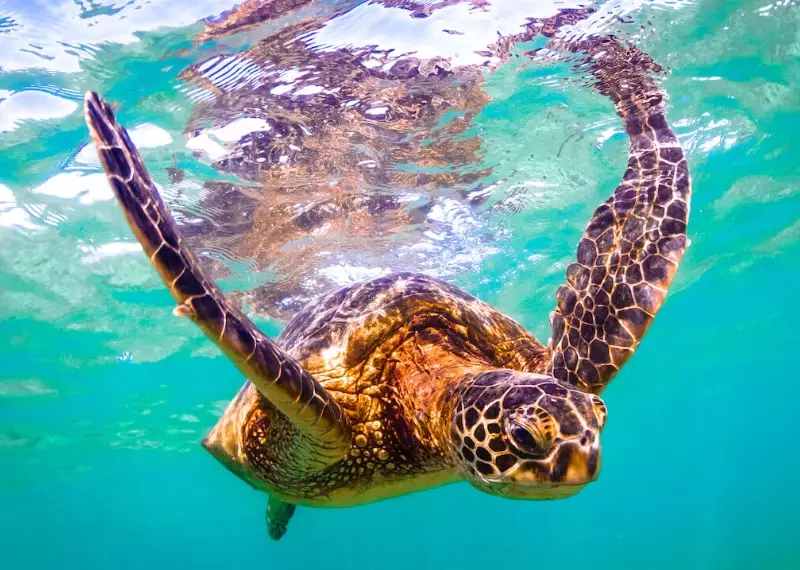
- Green Sea Turtle: Named for the greenish color of their fat, not their shell. These are the vegetarians, often found munching on seagrass in shallow, calm areas. Probably your most likely encounter.
- Loggerhead: Big heads, powerful jaws. They're more carnivorous, eating crabs and conchs. You might see them on reefs or during seasonal gatherings.
- Hawksbill: Rarer and more associated with coral reefs. Their beautiful, patterned shells are sadly what made them historically over-hunted.
- Kemp's Ridley: The most endangered. Sightings are rare and special, usually in specific Gulf areas.
- Leatherback: The giant. Seeing one is a monumental event, as they are deep ocean dwellers but sometimes come close to shore.
The Florida Fish and Wildlife Conservation Commission (FWC) does a ton of work to monitor and protect these species. Their sea turtle research page is a fantastic resource if you want to dive into the science and conservation efforts behind the scenes. It really puts into perspective why the rules we follow are so crucial.
Top Locations to Swim with Sea Turtles in Florida
Not every beach is created equal. Some spots are famous for a reason – consistent sightings, clear water, and accessible entry points. Others are more hit-or-miss. I've grouped them not just by location, but by the kind of experience they offer.
Consistent & Managed Encounter Zones
These are places where sightings are very common, often due to resident turtles or supplemental feeding (in a responsible, educational context). They're great for first-timers or families who really want to maximize their chance of an encounter.
- Clearwater Marine Aquarium (Winter's Dolphin Tale Adventure): Okay, let's address this one first. This is a facilitated experience in a protected, netted-off area of the bay. The aquarium cares for non-releasable turtles and other marine life here. You're guaranteed to see and swim with turtles (and often dolphins and rays) in a controlled, educational setting. It's not "wild" in the open ocean sense, but it's incredibly impactful, especially for kids or weaker swimmers. The guides are fantastic educators. It's a different vibe than the open water, but a valid and amazing one.
- Crystal River & Homosassa (With a Major Caveat): This area is world-famous for swimming with manatees. You will sometimes see turtles here, especially in the warmer months when manatees are less prevalent. However, the focus is legally and ethically on manatees. If a turtle is present, you must give it even more space. Don't come here solely for turtles; come for the manatee experience and consider a turtle a wonderful bonus.
Open Ocean & Reef Hotspots
This is the classic dream: snorkeling on a reef or near a wreck and having a wild sea turtle casually swim by. It requires a bit more luck and comfort in open water.
| Location | What to Expect | Best Time | Good For |
|---|---|---|---|
| Florida Keys (All the way from Key Largo to Key West) | This is arguably the top destination for a wild encounter. The coral reefs (like Molasses Reef off Key Largo, Sombrero Reef off Marathon) are cleaning stations and feeding grounds. Turtles are regulars. You'll need a boat tour to reach most sites. Water clarity is usually excellent. | Year-round, but calmest seas are typically May-September. Summer offers the warmest water. | Confident snorkelers, those wanting a classic reef snorkel combo, underwater photographers. |
| West Palm Beach / Jupiter | The Gulf Stream comes close here, bringing clear, blue water and pelagic life. Reefs like the Breakers Reef are known for large, curious green sea turtles. Drift snorkeling tours are popular here—you float with the current along the reef line, covering more ground. | Year-round, but winter can have stronger currents and cooler water (wetsuit recommended). | Stronger swimmers comfortable with potential currents, adventurous snorkelers. |
| Dry Tortugas National Park (70 miles west of Key West) | The holy grail for remote adventure. The park is a critical habitat. Turtles are abundant and less habituated to people. The catch? It's a major trip via ferry or seaplane. You're committing to a full-day or multi-day adventure. | Spring through Fall. Ferry runs mostly April-November. Seas can be rough. | Adventure seekers, experienced snorkelers, those combining history (Fort Jefferson) with wildlife. |
| St. Lucie Inlet / Pepper Park (Near Stuart) | A bit of a local secret. The snorkeling trail on the north side of the inlet has a resident population of green sea turtles that feed on the seagrass. It's a shore snorkel! You can walk in from the beach. Visibility varies greatly with tide and weather. | Summer months for calmest conditions and best visibility. Check tide charts—high tide is better. | Budget travelers (no boat needed), those staying on the mainland Atlantic coast, beginners wanting a low-cost trial. |
I made the mistake once of just renting snorkel gear in the Keys and swimming out from a random beach, hoping to find turtles. I saw some fish, got tired, and was disappointed. Booking a reputable reef tour was a night-and-day difference. The captains know the specific reefs where turtles like to hang out.
The “Maybe, If You're Lucky” Beaches
You'll hear about people seeing turtles just off beaches in places like Sanibel, Vero Beach, or even certain spots in the Panhandle. It does happen, especially during nesting season (May-Oct) when females come close to shore. But swimming with them in the surf zone is unlikely, unpredictable, and can disturb nesting. It's better to enjoy these sightings from the beach with binoculars.
Local Tip: If you're set on a DIY approach, talk to local dive shops, not just tourist info centers. Ask them: "Have there been consistent turtle sightings on the reefs this week?" Conditions change daily.
How to Choose a Tour Operator (The Right Way)
This is where your experience is made or broken. A good operator prioritizes the animals and your safety. A bad one herds people, chases wildlife, and turns the ocean into a circus. Here’s my checklist from painful experience.
- Small Groups: This is non-negotiable for me now. Look for tours that cap at 10-15 people max. A boat with 40 snorkelers creates chaos in the water. The Project AWARE community often lists operators with strong ethical practices, though they are more dive-focused.
- Their Script Matters: Listen to their pre-snorkel briefing. Do they spend 5 minutes emphasizing not to touch, chase, or crowd the turtles? Do they explain the 6-foot rule (stay back at least 6 feet/2 meters)? If their talk is only about safety and not ethics, be wary.
- Ask Direct Questions: Call or email ahead. "What is your policy if a turtle approaches the group?" A good answer: "We instruct our guests to float calmly and let the turtle control the interaction. If it comes close, enjoy it, but do not reach out." A bad answer: "We swim with them all the time, you'll get great photos!"
- Check for Credentials: Are they a registered, licensed business? Do the captains and crew have first aid/CPR? Are they affiliated with any conservation groups (like the Sea Turtle Conservancy)? This isn't just about stickers on a boat; it's about mindset.
I went on one tour early on where the guide literally grabbed a turtle to turn it toward a customer's camera. We all complained, and I later reported it to the FWC. It ruined the moment. Don't be afraid to walk away if something feels off.
Gearing Up: What You Actually Need
You don't need top-of-the-line everything, but the right gear prevents a lot of frustration. Here’s my must-pack list for a day aiming to swim with sea turtles in Florida.
The Essentials:
- A Well-Fitting Mask & Snorkel: Leaky mask = ruined day. Go to a dive shop and try some on. Press it to your face without the strap – it should suction and stay on as you inhale slightly through your nose. For snorkels, a simple J-style is fine; dry-top snorkels are great for beginners to prevent water intake.
- Fins: Not flimsy, plastic swim fins. Proper snorkeling fins make moving effortless, which is key for staying relaxed and not flailing near turtles. Open-heel with booties are most comfortable.
- Reef-Safe Sunscreen: This is a law in Key West and many areas, and just good practice everywhere. Chemicals in regular sunscreen (oxybenzone, octinoxate) bleach and kill coral, which is part of the turtle's ecosystem. Look for mineral-based (zinc oxide, titanium dioxide) formulas. Apply it 30 minutes BEFORE you get in the water to let it bind to your skin.
The Game-Changers:
- Rash Guard or Wetsuit Top: Protects your back from sunburn (hard to reapply sunscreen out there) and offers a bit of warmth and protection from jellyfish. A 1mm or 2mm "skin" is perfect for Florida summers.
- Defogger: Baby shampoo in a tiny bottle works miracles. Spit works in a pinch, but defogger is better.
- Waterproof Dry Bag: For your keys, phone, towel on the boat.
- Sea Sickness Remedy: Even if you don't think you get seasick. Being on an anchored boat in swells is different. Take non-drowsy Dramamine or Bonine an hour BEFORE boarding, just in case. Trust me.
What you DON'T need: gloves (makes you more likely to try to touch something), heavy underwater camera rigs if you're a beginner (just enjoy the moment), or any kind of food to "attract" turtles (illegal and harmful).
The Golden Rules: Etiquette for Swimming with Sea Turtles
This is the most important section. Violating these rules isn't just rude; it's often illegal under the U.S. Endangered Species Act and Florida state law, with potential fines. More importantly, it harms the animals.
THE ABSOLUTE DO NOTs:
- DO NOT TOUCH THE TURTLES. Not ever. The oils, lotions, and bacteria on our hands can damage their shells and skin, making them susceptible to infection. It's also incredibly stressful for them.
- DO NOT CHASE OR CORNER THEM. You are a visitor in their home. Let them go about their business. If a turtle swims away from you, you are too close. Full stop.
- DO NOT RIDE THEM. It should go without saying, but I've seen videos. It's abusive and can cause severe injury.
- DO NOT FEED THEM. It alters their natural behavior, can make them sick, and teaches them to associate boats and people with food, leading to dangerous boat strikes.
- DO NOT USE FLASH PHOTOGRAPHY. It can startle and disorient them.
The DOs for a Perfect Encounter:
- DO maintain a minimum distance of 6-10 feet. If the turtle approaches you, stay calm and let it. Enjoy the privilege.
- DO move slowly and calmly. No splashing, no frantic kicking. Smooth, gentle fin strokes. Imagine you're trying not to spook a deer.
- DO observe from the side or above. Try not to position yourself directly in front of a swimming turtle, as it may interpret you as a block.
- DO keep the group dispersed. Don't all swarm the one turtle. Spread out along the reef. There might be more than one!
- DO control your buoyancy. If you're a diver, this is critical to avoid crashing into the reef. Snorkelers, try to hover without standing on or touching the coral.
The goal is to be a passive, quiet observer. The best encounters happen when the turtle chooses to investigate you out of curiosity. That moment is pure magic and only happens if you follow the rules.
What Does a Great Encounter Actually Feel Like?
Let me describe my best one, off Molasses Reef in Key Largo. We'd been snorkeling for about 20 minutes, seeing lots of fish. I was just floating, looking at a parrotfish, when I felt a presence. I turned my head slowly, and there she was – a large green sea turtle, maybe three feet long, rising from the deeper blue near the reef wall. She didn't flee. She just... looked at me. Then she started swimming slowly, methodically, toward the surface for a breath. I stayed perfectly still, just gently kicking to maintain position. She passed about four feet below me, her powerful front flippers moving in slow motion. I could see every scute on her shell, the pattern on her skin. She took a breath at the surface, gave a slight glance in my direction, and then descended gracefully back to the reef to continue grazing. The whole interaction lasted maybe 90 seconds. It was peaceful, mutual, and unforgettable. No touching, no chasing. Just two beings sharing a space for a moment.
That's what you're hoping for.
Safety First: For You and the Turtles
Beyond etiquette, there are practical safety concerns. The ocean is not a pool.
- Currents & Conditions: Always listen to the captain/guide. If they say it's too rough, it is. Rip currents can occur, even in seemingly calm areas. If caught, don't fight it. Swim parallel to shore until you're out of it, then back in.
- Marine Life: Don't touch anything. Coral can cut and give nasty infections. Fire coral, sea urchins, and jellyfish are common. Watch where you put your hands and feet. A rash guard provides good protection.
- Boat Traffic: Stay with your group and near the dive flag. Surface carefully, looking and listening for boats before you come all the way up.
- Hydration & Sun: You're in the sun and saltwater for hours. Drink way more water than you think you need. Reapply reef-safe sunscreen (on the boat, not in the water) to exposed areas.
Beyond the Swim: How to Be a Turtle Ally
The experience doesn't have to end when you get back on the boat. If swimming with them moves you, here are real ways to help.
- Support Local Conservation: Many tour operators partner with groups. You can often donate directly or "adopt" a tracked turtle through organizations like the Sea Turtle Conservancy based in Gainesville.
- Choose Sustainable Seafood: Sea turtles often die as bycatch in fishing gear. Look for seafood certified by the Marine Stewardship Council (MSC).
- Reduce Plastic: Plastic bags in the ocean look like jellyfish to a turtle. Use reusable bags, bottles, and straws.
- If You're Beachfront at Night (May-Oct): Use turtle-friendly lighting (amber LEDs, shielded, low to the ground) or close your blinds. Hatchlings can be disoriented by white lights and wander inland to their deaths.
- Report Issues: See a sick, injured, or entangled turtle? Or someone harassing one? Note the location and call the FWC's Wildlife Alert Hotline: 1-888-404-FWCC (3922). See a nesting turtle or hatchlings on the beach? Give them space and report it to the same number.
Frequently Asked Questions (FAQs)
Yes, for you, it's very safe. Sea turtles are not aggressive. They have no teeth designed for biting humans (though a large loggerhead's beak could give a nasty pinch if you were harassing it, which you won't be). The main risk is you accidentally stressing or harming them, or getting into general ocean safety trouble (currents, boats). Follow the rules, and it's perfectly safe for both parties.
You can see them year-round in South Florida and the Keys. However, late spring through early fall (May-September) offers the most reliable conditions: calmest seas, warmest water (no wetsuit needed), and peak tourist infrastructure. Winter months can be windier with choppier seas, but water visibility can be excellent if you pick a calm day. Nesting season is May-October, so you might see more adults near shore then.
Technically yes, in some places like St. Lucie Inlet or off certain Keys beaches with easy reef access. But for a first-timer, I don't recommend it. A good tour provides transportation to the best spots, safety oversight, equipment, and most importantly, education. Your odds of a good, ethical encounter are exponentially higher with a guide who knows the daily conditions and turtle behavior.
Stay calm! Hold your position or float gently. Enjoy the incredible moment. Do not reach out. Do not try to back away frantically (that might startle it). Just be still and let it check you out. It will usually move on after a few seconds. This is the ultimate reward for being a calm, passive observer.
Most boat tours require kids to be at least 5-6 years old and be comfortable in the water. They will require all participants, even adults, to wear a snorkel vest (usually provided). You do not need to be an Olympic swimmer, but you should be a confident swimmer comfortable in deep water where you can't stand up. If you're not, opt for a facilitated experience like Clearwater Marine Aquarium's adventure first.
Prices vary widely. A basic 3-4 hour reef snorkel tour in the Keys might cost $40-$70 per person. A full-day trip to the Dry Tortugas can be $200+. The Clearwater Marine Aquarium experience is around $100-$150. Remember, cheaper isn't always better—often it means bigger groups and less focus on ethics.
Got more questions? Drop them in a comment below – I read them all and this guide is a living document I update based on reader experiences.
So there you have it. The complete, no-BS guide to making your dream of swimming with sea turtles in Florida a reality. It's an adventure that will stick with you forever, but only if you do it right. Do your research, choose wisely, follow the rules, and go in with a sense of wonder and respect. The turtles are waiting – and with any luck, they'll decide you're interesting enough for a quick hello.
Happy (and responsible) snorkeling!

Comments