Quick Navigation
- Where Can You Swim with Sea Turtles in Europe? The Top Destinations
- When is the Best Time to Swim with Sea Turtles in Europe?
- How to Have a Safe and Responsible Encounter: The Golden Rules
- Choosing Your Tour Operator: What to Look For
- What to Pack: Your Snorkel Day Checklist
- Common Questions About Swimming with Sea Turtles in Europe (FAQs)
- Beyond the Swim: Supporting Sea Turtle Conservation
Let's be real, there's something magical about gliding through the water alongside a sea turtle. It's not like seeing a fish or even a dolphin. Turtles have this ancient, wise presence. They've been around since the dinosaurs, and sharing a moment with them in their own world feels... special. For a long time, I thought you had to fly halfway across the globe to the Caribbean or the Great Barrier Reef for that kind of magic. It turns out, I was completely wrong. Europe hides some absolutely incredible spots where you can swim with sea turtles, and some of them are surprisingly accessible.
But where in Europe can you actually do this? Is it ethical? What's the best time of year? And how do you make sure you're not just another tourist stressing out the wildlife? I had all these questions before my first trip, and I made a few mistakes along the way so you don't have to. This guide is everything I wish I'd known before I went to swim with sea turtles in Europe.
Where Can You Swim with Sea Turtles in Europe? The Top Destinations
This is the big one. Europe's coastlines border several seas that are home to key populations of loggerhead (Caretta caretta) and green turtles (Chelonia mydas). Your chances are highest in the warmer waters of the Mediterranean and the Atlantic archipelagos. I've compiled the top spots based on accessibility, reliability of sightings, and the overall quality of the experience.
| Destination | Country | Best Season | Turtle Species | Experience Level |
|---|---|---|---|---|
| Laganas Bay, Zakynthos | Greece | May - October | Loggerhead | Beginner to Intermediate |
| Kefalonia Island | Greece | June - September | Loggerhead | Beginner |
| Gozo & Comino | Malta | July - September | Loggerhead | Intermediate |
| Azores Archipelago | Portugal | June - October | Loggerhead, Green (rare) | Intermediate to Advanced |
| MEDITERRANEAN Turkey (Dalyan, Iztuzu Beach) | Turkey | May - September | Loggerhead | Beginner (snorkeling from boat) |
| Cyprus (Lara Bay, Akamas) | Cyprus | June - August | Green, Loggerhead | Beginner to Intermediate |
Zakynthos (Zante), Greece: The Most Famous Spot
Zakynthos is probably the first place that pops up when you search for this. Laganas Bay is a major nesting ground for loggerheads. The upside? You're almost guaranteed to see turtles during the season, especially if you take a responsible boat trip to the marine park area. The water is clear and calm, perfect for beginners.
The downside? Its popularity is its curse. In peak summer, it can feel a bit crowded. Some boat operators are better than others at managing their groups. I went once in late June, and while seeing multiple turtles was amazing, there were moments when a few boats got too close to the same animal. It taught me to be super picky with my tour operator (more on that later). The key here is to go early in the morning or book a smaller, eco-focused tour that respects the park's rules. The ARCHELON website, the Greek Sea Turtle Protection Society, is an invaluable resource for understanding the conservation efforts in the area.
The Azores, Portugal: The Wild Atlantic Adventure
If you want a more rugged, open-ocean feel, the Azores are incredible. This is a different ballgame from the Mediterranean. The water is cooler, deeper, and clearer. You're less likely to see turtles right by the shore; encounters usually happen on dedicated boat-based snorkeling or diving trips that go out to where the turtles feed. Species are primarily loggerheads, but you might get lucky with a green turtle.
This is for people who are comfortable in the open sea. The weather can change quickly, and seas can be choppy. But the reward? A feeling of true wilderness. You're in the middle of the Atlantic, sharing the water with these ancient mariners. The islands of Pico and Faial are particularly good bases. The official Azores tourism site has links to certified marine activity companies.
A completely different vibe from the Med.
Gozo & Comino, Malta: The Underrated Gem
Malta doesn't always get top billing, but the waters around Gozo and the tiny Comino (home to the Blue Lagoon) have healthy turtle populations. The experience here feels more intimate than Zakynthos. You'll often find turtles feeding on seagrass meadows in bays. The water visibility is fantastic.
The catch? They're wild and unpredictable. You might snorkel for an hour and see nothing, or you might turn a corner and find yourself with a curious companion. I prefer this uncertainty—it feels less like a wildlife show and more like a genuine encounter. It's best to go with a local guide who knows the specific bays where turtles frequent.
When is the Best Time to Swim with Sea Turtles in Europe?
Timing is everything. You can't just show up in December and expect to swim with sea turtles in Europe. Their activity is tightly linked to water temperature and their biological cycles.
Here’s a more detailed breakdown:
- May-June: The season is starting. Water is warming up. In nesting areas like Zakynthos, you'll see more females coming ashore at night, and males/females mating offshore. Snorkeling encounters become more frequent. A great time to avoid crowds.
- July-August: Peak activity. Hatchlings begin to emerge (late July onwards). This is when you're most likely to have multiple encounters on a single trip. Be prepared for more boats and people in the popular spots.
- September-October: The season winds down. Water remains warm from the summer heat. Turtles are still feeding actively before their migrations or to prepare for a less active winter. September is personally my favorite month in Greece for this.
For the Azores, the season is slightly shifted and shorter due to the Atlantic climate. Focus on July through September for the calmest seas and best chances.
How to Have a Safe and Responsible Encounter: The Golden Rules
This is the most critical part of the guide. If you care about turtles, you need to get this right. Irresponsible behavior stresses them, wastes their precious energy, and can cause them to abandon good feeding or nesting sites. I've seen people do dumb things, like try to touch them or chase them for a photo. Don't be that person.
Let's break down the non-negotiable rules for swimming with sea turtles in Europe:
- Look, Don't Touch. This is rule number one for a reason. Touching a turtle can damage its protective bio-film (slime layer) that shields it from infections. It's also illegal in most places. Just don't do it.
- Keep Your Distance. Aim to stay at least 2-3 meters away. Let the turtle control the encounter. If it wants to approach you, fine. But never swim directly at it or corner it. If it starts swimming away quickly, you're too close. Back off.
- No Flash Photography. Flash can startle and disorient turtles, especially underwater. It's terrible for their eyes. Use natural light or a camera with a good sensor for low-light conditions.
- Move Slowly and Calmly. No splashing, no sudden movements. Use gentle fin kicks. Imagine you're trying not to spook a deer. The calmer you are, the more likely the turtle will be curious rather than fearful.
- Never Feed Them. Feeding wildlife alters their natural behavior, makes them reliant on humans, and can make them sick. Their diet is specific—your sandwich is not on the menu.
- Be Sunscreen-Smart. Chemicals in standard sunscreens (like oxybenzone and octinoxate) are proven to bleach and damage coral reefs and are likely harmful to other marine life. Before you go to swim with sea turtles in Europe, invest in a certified reef-safe, mineral-based sunscreen (with zinc oxide or titanium dioxide). Apply it at least 20 minutes before entering the water.
It's not about getting the perfect selfie. It's about the privilege of being a guest in their home.
Choosing Your Tour Operator: What to Look For
Unless you have your own boat and local knowledge, you'll likely book a tour. This is where you vote with your wallet. A good operator prioritizes the turtles' wellbeing; a bad one just wants to pack people onto a boat.
Red Flags:
- Guarantees you can "touch or hold" a turtle. (Run away.)
- Boats that look overcrowded or poorly maintained.
- No briefing on responsible behavior before entering the water.
- Chasing or corralling turtles to keep them near swimmers.
Green Flags:
- Small group sizes (10-15 people max on a boat is ideal).
- A clear, detailed briefing on the rules before you even get in the water.
- Certifications or partnerships with local conservation NGOs (like ARCHELON in Greece).
- Knowledgeable guides who can explain turtle biology and behavior.
- They use mooring buoys instead of dropping anchor on sensitive seabeds.
What to Pack: Your Snorkel Day Checklist
Being prepared makes the day more enjoyable. Here’s what I always bring:
- Your own quality snorkel mask and snorkel. A good fit is crucial for comfort. Finned masks are great. Renting can be hit or miss.
- Reef-safe sunscreen and a rash guard/long-sleeve swim shirt. The shirt protects you from the sun and means you need less sunscreen.
- GoPro or underwater camera. Set it to video or photo mode without flash beforehand.
- Reusable water bottle. Stay hydrated. Avoid single-use plastic.
- Waterproof dry bag. For your phone, keys, and towel on the boat.
- Sea sickness tablets. If you're prone to it, even on seemingly calm days, take one before the trip. The Azores or windy days in the Med can be bumpy.
- Patience and realistic expectations. You are observing wild animals. There are no guarantees.
Common Questions About Swimming with Sea Turtles in Europe (FAQs)
Is it safe to swim near sea turtles?
Absolutely. Sea turtles are not aggressive towards humans. They have no teeth designed for biting (they have beaks for crushing jellyfish and seagrass). The main risk is from you stressing them or, very rarely, getting accidentally scratched by a large flipper if you're way too close. Keep a respectful distance, and it's perfectly safe.
Can I swim with turtles without a tour?
In some places, yes, but it's less reliable. From certain beaches in Kefalonia (like Argostoli waterfront early in the morning) or Cyprus, turtles sometimes come close to shore to feed. However, for a high-probability, high-quality experience, a boat tour that takes you to known feeding grounds is worth every penny. It also often includes gear, a guide, and safety oversight.
What's the difference between snorkeling and diving with turtles?
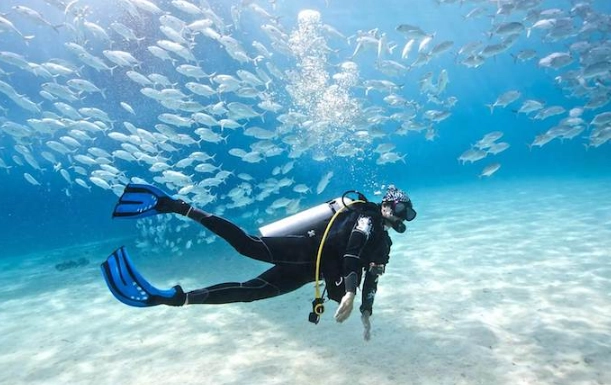
Snorkeling is on the surface, looking down. It's easier, requires less training, and is how 90% of people swim with sea turtles in Europe. Scuba diving lets you stay underwater at depth, often letting you observe turtles for longer as they rest on the bottom or feed. Diving requires certification. Both are amazing, but snorkeling is the accessible option for most.
Is this activity ethical?
It can be, if done correctly. The ethical line is drawn by the behavior of the humans, not the turtles. Choosing a responsible operator, following the rules, and prioritizing the animal's comfort makes it an ethical wildlife tourism activity. It can also generate crucial economic value for local communities, giving them a reason to protect the turtles and their habitat. The World Wildlife Fund (WWF) discusses the importance of sustainable tourism for conservation.
Beyond the Swim: Supporting Sea Turtle Conservation
The best way to ensure future generations can also swim with sea turtles in Europe is to support the people working to protect them. Many tour operators donate a portion of fees to local NGOs. You can also donate directly or volunteer.
Consider supporting organizations like:
- ARCHELON in Greece: They run nesting beach protection, rescue, and public awareness campaigns.
- SPOT (Society for the Protection of Turtles) in Cyprus.
- The European Commission's page on Sea Turtle conservation outlines the broader EU legal framework (like the Habitats Directive) that protects these species.
Even small actions help. Picking up plastic on the beach (turtles often mistake plastic bags for jellyfish), using reef-safe sunscreen, and telling others about responsible practices create a ripple effect.
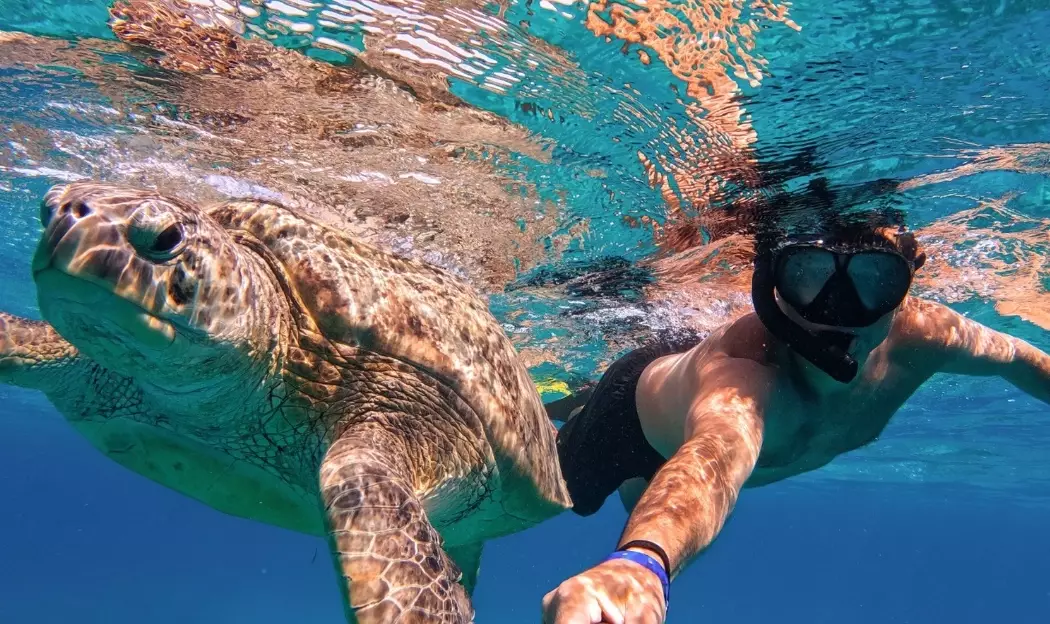
So, there you have it. Swimming with sea turtles in Europe is not a myth; it's a breathtaking reality waiting for you. It asks for a bit of planning, a lot of respect, and the right mindset. Do your homework, pick a good operator, follow the rules, and you'll be rewarded with one of the most profound connections with nature you can have. The image of that graceful creature moving silently through the blue will stay with you long after you've dried off.
Honestly, just go. But go the right way.

Comments