Quick Guide
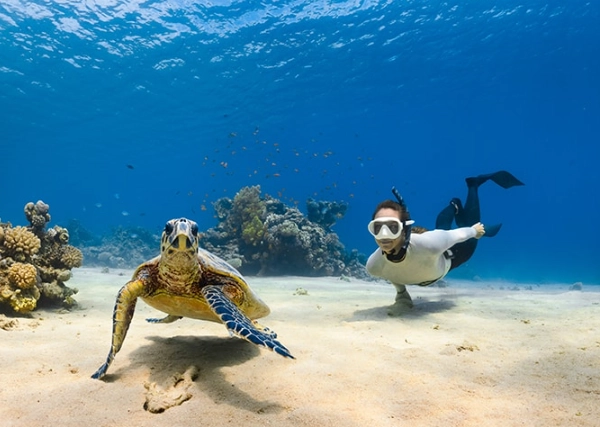
Let's be honest. For a lot of us, the dream of floating in clear blue water while a majestic sea turtle glides peacefully past is a big part of what pulls us toward the Caribbean. It’s not just about checking a box on a travel list. It’s a moment of pure, quiet magic that sticks with you. I remember my first time, off the coast of Barbados. I was so busy staring at the reef below that I almost didn't notice the huge Green sea turtle coming up for air right beside me. The sound of its exhale, the calm look in its eye—it was breathtaking. No screen, no filter, just real life.
But here's the thing. Not every beach or snorkel spot is created equal. You can hop off a cruise ship, join a random tour, and maybe, if you're lucky, see a turtle in the distance. Or, you can go to the right places—the spots these ancient creatures actually call home—and have an encounter that feels truly special, and maybe even frequent. That’s the goal, right?
So, how do you find the best place to swim with sea turtles in the Caribbean? It depends. Are you looking for a guaranteed, almost park-like experience? Or do you prefer a wilder, more solitary moment with nature? Do you want to wade in from a beach, or are you happy to take a short boat ride? This guide isn't just a list. We’re going to dig into the specific bays, islands, and even particular reefs that are legendary for turtle encounters. We'll talk about the best times to go, how to behave when you're in their home (this is super important), and how to choose an experience that's ethical and unforgettable.
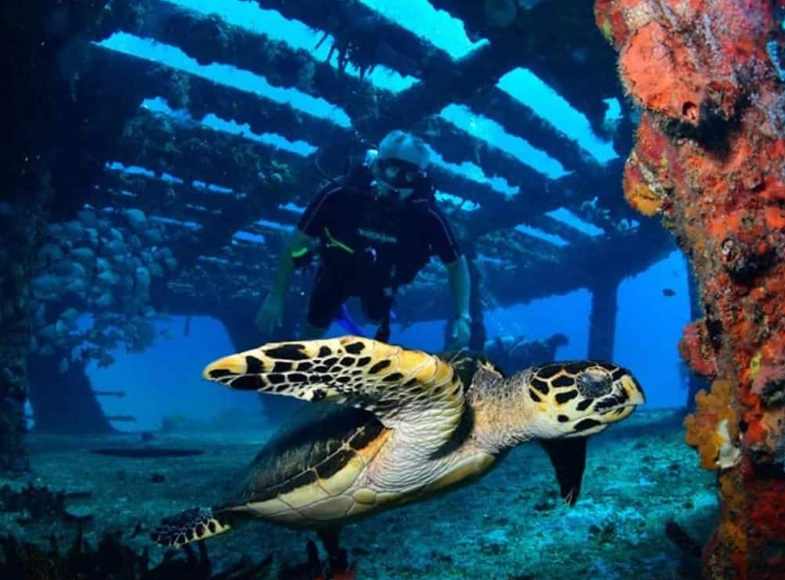
Quick Reality Check: The Caribbean is home to several species you might meet, primarily the Green turtle, the Hawksbill, and the occasional Loggerhead. Greens are often found munching on seagrass in calm bays, while Hawksbills prefer hanging around coral reefs. Knowing this little bit of biology already helps you pick your spot.
Top Islands and Spots for Caribbean Sea Turtle Snorkeling
Alright, let's get to the good stuff. Based on years of chatter among divers, snorkelers, marine biologists, and my own booties-in-the-water experiences, here are the places that consistently deliver. I’ve broken them down by the type of experience they offer.
The Heavy Hitters: Where Encounters Are Almost Guaranteed
These spots are famous for a reason. They have large, resident populations or are critical feeding grounds. If you're on a tight schedule and seeing a turtle is non-negotiable, start here.
I have a soft spot for Barbados, but I won't sugarcoat it—the most famous spot, the Folkestone Marine Park & Turtle Haven, can get crowded with tour boats around midday. Go early. Like, sunrise early. You’ll have the turtles and the reef mostly to yourself, and the light is incredible.
Barbados (West Coast): The seagrass beds between Holetown and Paynes Bay are like a turtle cafeteria. Local boat captains know exactly where to go, and it's common to see a dozen or more Greens and Hawksbills in a single trip. You can also sometimes spot them from the beach! It’s arguably one of the easiest and most reliable best places to swim with sea turtles in the Caribbean for first-timers.
Stingray City & Coral Gardens (Grand Cayman): Yes, it’s famous for the rays, but the sandbar and surrounding reefs are also a major turtle hangout. The water is absurdly clear and shallow, making it perfect for nervous swimmers or kids. It’s a managed area, so the animals are accustomed to people, which leads to very close encounters. Some purists find it a bit too staged, but for a guaranteed photo and memory, it’s unbeatable.
Tobago Cays (St. Vincent & the Grenadines): This is a different league. A protected marine park accessible only by boat, it’s a pristine cluster of small islands surrounded by a massive horseshoe reef. The seagrass beds in the central lagoon are a major feeding ground for Green turtles. You’re swimming with them in a completely wild, protected national park. The vibe is less “tour” and more “authentic nature experience.” It’s a commitment to get to, but oh boy, is it worth it.
The Hidden Gems & Local Favorites
If you want to escape the bigger crowds and feel more like an explorer, these destinations offer incredible turtle encounters with a side of adventure.
Little Bay (Anguilla): A secluded, often overlooked cove. I’ve had days here where it was just me and a curious Hawksbill turtle for a good twenty minutes. The reef is healthy and close to shore. There’s no big tour operation, just maybe a few locals and independent travelers. You need your own transport and a bit of a walk down a path, but that keeps it special.
Buck Island Reef National Monument (St. Croix, USVI): A U.S. National Monument and a pristine marine sanctuary. The underwater trail is cool, but the eastern end of the island is where turtle sightings are frequent. Since it’s a protected area, the ecosystem is thriving, and the turtles are numerous and going about their natural business. You need a charter boat from Christiansted, but the trip itself is beautiful.
Les Saintes (Guadeloupe): These small islands off the main Guadeloupe coast are a French Caribbean secret. The snorkeling around Pain de Sucre is excellent, with turtles often seen cruising the drop-offs. It feels more European and low-key than some of the more developed islands.
To make your research easier, here’s a quick comparison of some key spots. This should help you match a location to your travel style.
| Location | Turtle Species Commonly Seen | Best For | Access & Crowds | "Wild" Factor |
|---|---|---|---|---|
| West Coast, Barbados | Green, Hawksbill | First-timers, families, guaranteed sightings | Easy by boat tour or sometimes from shore. Can be crowded. | Medium (habituated) |
| Tobago Cays, SVG | Green | Adventurous travelers, pristine nature, sailing trips | Boat only (sailboat/charter). Less crowded due to remoteness. | High (wild, protected park) |
| Stingray City, Grand Cayman | Green | Families, shallow water, combo experiences (rays & turtles) | Many organized tours. Can be very busy. | Low (managed interaction) |
| Buck Island, St. Croix | Hawksbill, Green | Nature lovers, snorkelers wanting a protected ecosystem | Charter boat from Christiansted. Moderate crowds. | High (wild, national monument) |
| Little Bay, Anguilla | Hawksbill | Independent travelers, solitude, shore snorkeling | DIY via car/taxi and short walk. Usually quiet. | High (wild) |
How to Choose Your Perfect Turtle Swimming Spot
So with all these options, how do you pick? Throwing a dart at a map might be fun, but let's be strategic. Ask yourself these questions.
What's your snorkeling comfort level? If you're a newbie or swimming with kids, the calm, shallow waters of Grand Cayman's sandbar or a protected bay in Barbados are ideal. Strong swimmers looking for deeper reef action might prefer the channels of Tobago Cays or the walls of Buck Island.
What's your travel style? Are you on a relaxing resort vacation and want a half-day tour? Or are you on a sailing adventure seeking remote anchorages? The best place to swim with sea turtles in the Caribbean for a resort-goer in Jamaica might be a specific reef off Negril, while for a sailor in the Grenadines, it's a secluded cove of Bequia.
Beyond the turtle: What else do you want? Some spots are purely about the turtle encounter. Others, like the reefs around Bonaire or parts of Roatán, offer turtle sightings as a fantastic bonus to some of the best coral reefs in the hemisphere. If you're a die-hard reef nerd, prioritize locations known for overall marine health. Organizations like the Ocean Foundation work on reef conservation throughout the region, and a healthy reef usually means healthy turtle populations.
A Word on Seasonality: It's not just about summer vs. winter. In many places, turtle sightings are year-round because they are resident feeders. However, your odds often increase in warmer, calmer months (roughly April to October) when water visibility is better and more boats are running tours. Hurricane season (June-November) can disrupt travel, but the periods just outside it (May, December) can be perfect. Always check local weather patterns.
The Non-Negotiable Guide to Responsible Interaction
This part is crucial. We're visitors in their home. I've seen people do stupid, stressful things to get a photo, and it ruins the experience for everyone, especially the turtle. Let's be better than that.
The Golden Rules:
- Look, Don't Touch. Seriously. Don't chase them, don't try to ride them, don't poke them. Touching can remove their protective bio-film and cause stress. Just observe. Their beauty is in their natural behavior.
- Keep Your Distance. Give them space, especially if they are swimming toward the surface to breathe. Blocking their path to air is like holding someone's head underwater. Let them have a clear path up and down.
- Go Slow, Move Calmly. Sudden, frantic movements look like a predator. Use slow, gentle fin kicks. Often, if you relax and float, a curious turtle will actually approach you.
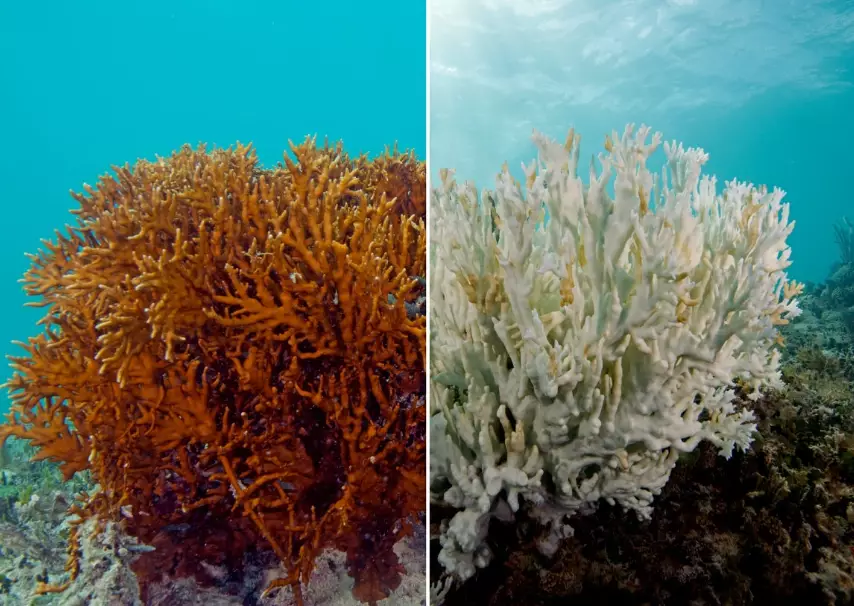
- Respect the Reef. Don't stand on or kick the coral. It's a living animal that takes centuries to grow and is the foundation of the entire ecosystem, including the turtle's home. Use buoyancy control or stay in sandy areas.
- Choose Responsible Operators. Book with tour companies that explicitly follow guidelines, keep group sizes small, and educate their guests. Ask them about their practices before you book. A good captain will brief you on how to behave in the water.
Why does this matter so much? Because sea turtles are still vulnerable or endangered. They face threats from plastic pollution, habitat loss, and illegal poaching. Our tourism should support their protection, not add to their stress. The SEE Turtles organization has fantastic resources on conservation and responsible tourism practices that are worth a look.
Answering Your Burning Questions (FAQs)
Let's tackle some of the specific questions people hesitate to ask or can't find clear answers for.
Is it safe to swim with sea turtles?
Absolutely. Sea turtles are not aggressive. They are gentle, curious herbivores (Greens) or sponge-eaters (Hawksbills). The only danger is if you accidentally corner or harass one, which might cause it to swim away quickly—potentially bumping you. Give them space, and it's perfectly safe.
Can I touch the turtles if they come close?
I know the temptation is real. But no. For the reasons above, it's harmful to them and is illegal in many protected areas. The best interaction is a mutual, respectful observation. The memory of a turtle choosing to swim near you is far more powerful than one you grabbed.
Do I need to be a strong swimmer?
Not necessarily. Many of the best places to swim with sea turtles in the Caribbean, like the sandbars of Cayman or the calm bays of Barbados, are in shallow, protected water where you can often stand up. Always wear a life jacket if provided, and be honest with your tour operator about your swimming level. They can recommend the right trip.
What time of day is best?
Early morning (before 10 am) is almost always magic. The water is calmer, the light is beautiful for photos, and the tour crowds haven't arrived yet. Turtles are often more active in the morning as they forage. Late afternoon can also be good, but morning wins for me every time.
What should I bring?
Your own mask and snorkel if you have them (for a better fit), reef-safe sunscreen (please! normal sunscreen kills coral), a rash guard for sun protection, an underwater camera or GoPro, and a sense of patience and wonder.
Are there places to see nesting turtles?
That's a different, and highly regulated, experience. Nesting (females coming ashore to lay eggs) happens at night on specific, often remote beaches during summer months. Hatchling releases are also seasonal. These events are usually managed by conservation groups like the Wider Caribbean Sea Turtle Conservation Network (WIDECAST). They require permits and guided tours to prevent disturbance. If you're interested, research specific islands (like Trinidad, Tortuguero in Costa Rica, or certain beaches in Antigua) and plan well in advance with a legitimate conservation operator.
The Bottom Line: Finding the best place to swim with sea turtles in the Caribbean is about aligning the spot with your skills, your travel goals, and your commitment to being a good guest. Whether it's the reliable waters of Barbados, the pristine park of Tobago Cays, or a hidden cove in Anguilla, that moment of connection is out there waiting. Do your homework, choose responsibly, and get ready for one of the coolest experiences the ocean has to offer.
One last personal thought. After dozens of these encounters, what stays with me isn't just the turtle itself. It's the feeling of being a tiny part of a huge, ancient, and graceful system. It’s the silence underwater, broken only by your own breath and the slow, powerful flap of a turtle's flippers. It’s a reminder that some of the best things in travel require a bit of planning, a lot of respect, and the willingness to just float and watch. Now go find your spot.

Comments