So you want to swim with sea turtles. I get it. There's something almost magical about gliding through turquoise water and locking eyes with a creature that's been around since the dinosaurs. It's not just a bucket list item; it feels like a connection to a quieter, older world. But the big question everyone asks is: where in the world can you swim with sea turtles for real? Not just a distant glimpse, but a proper, memorable encounter?
Your Quick Guide
Quick Reality Check: Anyone who guarantees you a turtle encounter is stretching the truth. They're wild animals. But go to the right place at the right time with the right approach, and your odds are incredibly high. It's about stacking the deck in your favor.
The Top Global Hotspots for Swimming with Sea Turtles
Let's get to the good stuff. Based on consistency, accessibility, and the sheer magic of the experience, here are the places that consistently answer the dream of where to swim with sea turtles. I've ranked them not just by popularity, but by the overall quality of the encounter for a responsible traveler.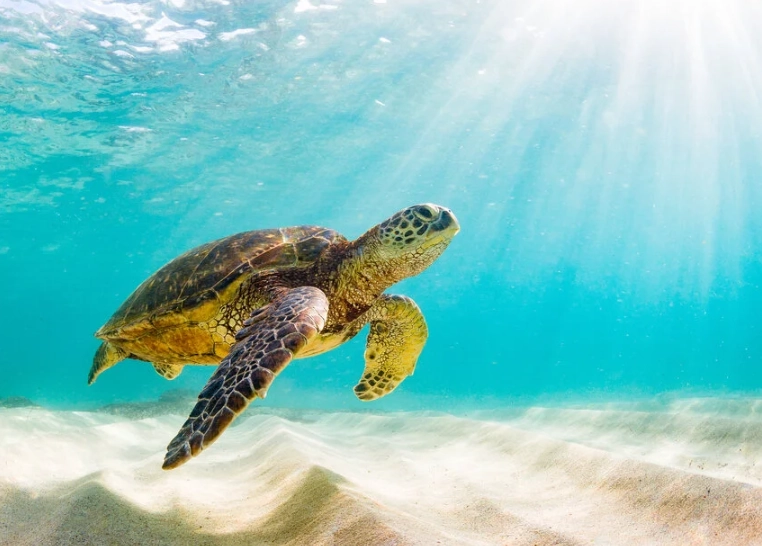
| Destination | Key Species You'll See | Best Time to Visit | Why It's Special | Skill Level Needed |
|---|---|---|---|---|
| Hawaiian Islands, USA | Green (Honu), Hawksbill | Year-round (Calmer seas: May-Sept) | Turtles are common, protected, and often resting on beaches. A cultural icon. | Beginner to Intermediate |
| Great Barrier Reef, Australia | Green, Loggerhead, Hawksbill | June to October (Dry season, best viz) | Vast reef system with countless cleaning stations where turtles congregate. | Beginner to Advanced (depends on site) |
| Akumal Bay, Mexico | Green, Loggerhead | Year-round | Shallow, seagrass-filled bay that is a literal turtle cafeteria. Extremely reliable. | Beginner (Snorkeling only) |
| Gili Islands, Indonesia | Green, Hawksbill | April to November (Dry season) | Vibrant coral walls with resident turtles. The famous "Turtle Point" at Gili Trawangan. | Beginner to Intermediate |
| Sipadan Island, Malaysia | Green, Hawksbill (schools of them!) | April to December | World-class diving. Famous for the "Turtle Tomb" and huge populations. Permit-limited. | Advanced (Divers only) |
| Maui & Oahu, Hawaii | Green (Honu) | Year-round | Specific spots like Turtle Town (Maui) or Laniakea Beach (Oahu) offer near-guaranteed sightings. | Beginner |
| Apo Island, Philippines | Green, Hawksbill | March to June | A marine sanctuary success story. Turtles are utterly unbothered by snorkelers. | Beginner |
| Turtle Island (Laamu Atoll), Maldives | Green, Hawksbill, Olive Ridley | November to April (NE monsoon) | As the name suggests. Pristine atolls with incredible visibility and healthy populations. | Intermediate to Advanced |
| Bonaire | Green, Hawksbill, Loggerhead | Year-round | Easy shore diving. Turtles are frequent visitors to the island's many reefs. | Intermediate (Divers) |
| Ras Mohammed, Egypt (Red Sea) | Green, Hawksbill | April to November | Dramatic drop-offs and reefs where turtles are commonly spotted on dive routes. | Intermediate to Advanced |
See what I mean? The options are global. Your choice depends on your travel style, budget, and whether you're a snorkeler or a diver.
I remember my first time in Akumal. You wade in from the beach, put your face in the water, and bam—there's a green turtle, maybe two feet away, munching on seagrass. It felt almost too easy. In contrast, spotting a turtle at Sipadan felt like a reward after a deep dive along a wall. Both were incredible, but in different ways.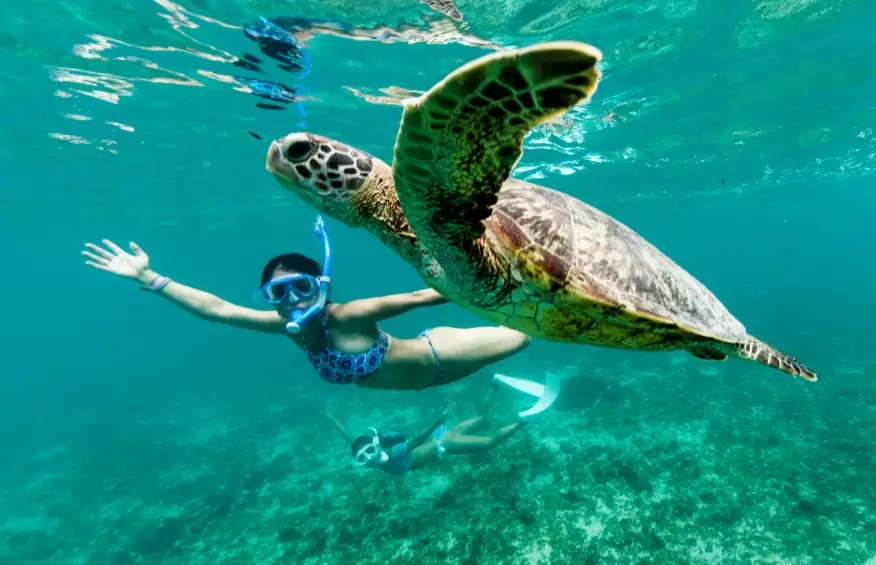
Deep Dive: Hawaii – The Accessible Paradise
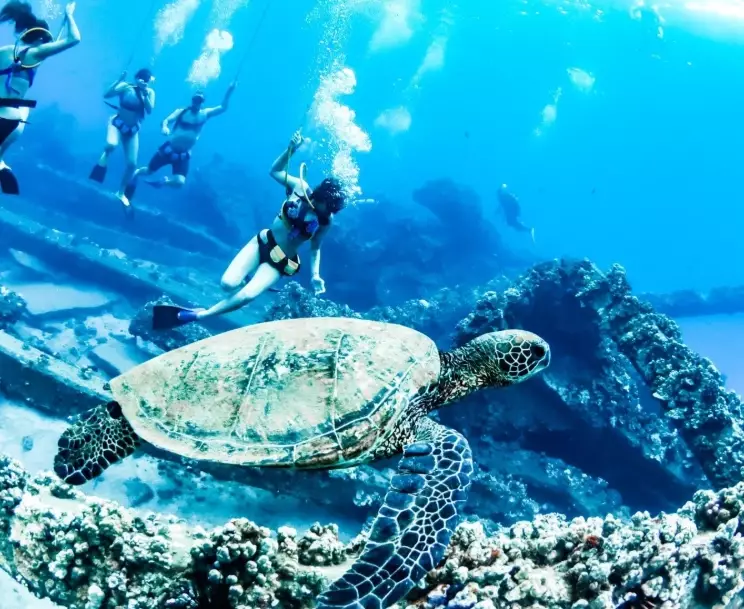
Let's talk about Hawaii for a minute because it's a prime example of where in the world you can swim with sea turtles with relative ease. The green sea turtle, or 'Honu,' is revered here. You can find them on almost every island.
On Oahu, the north shore's Laniakea Beach is famous for turtles basking on the sand (view from a distance, please!). For swimming, spots like Sharks Cove (in summer) or Electric Beach are good bets. Maui's Turtle Town (a reef area off Makena) is a snorkel tour staple for a reason. The Big Island has great spots like Kahalu'u Bay.
A word of caution from my last Maui trip: the tour boats can get crowded at the most famous sites. If you're a confident snorkeler, sometimes researching a calm, public beach entry near a reef can lead to a more private and peaceful encounter. It takes more legwork, but it's worth it.
The key in Hawaii is respecting the rules. Federal and state laws protect these turtles. The National Oceanic and Atmospheric Administration (NOAA) mandates keeping a distance of 10 feet (3 meters) from Hawaiian green sea turtles. Good operators will enforce this. The turtles seem to know they're protected, which often makes them more relaxed.
Deep Dive: The Coral Triangle Epicenter
If you want biodiversity, head to the Coral Triangle (Indonesia, Malaysia, Philippines, Papua New Guinea). This is the heart of marine life on the planet, and turtle populations reflect that. Places like the Gili Islands or Apo Island are snorkeling havens.
Apo Island is a masterclass in conservation. The local community protects the area, and the results are clear. The turtles there… they just don't care about you. They go about their business, and you're just a visitor in their home. It's the most natural wildlife encounter I've ever had in the water.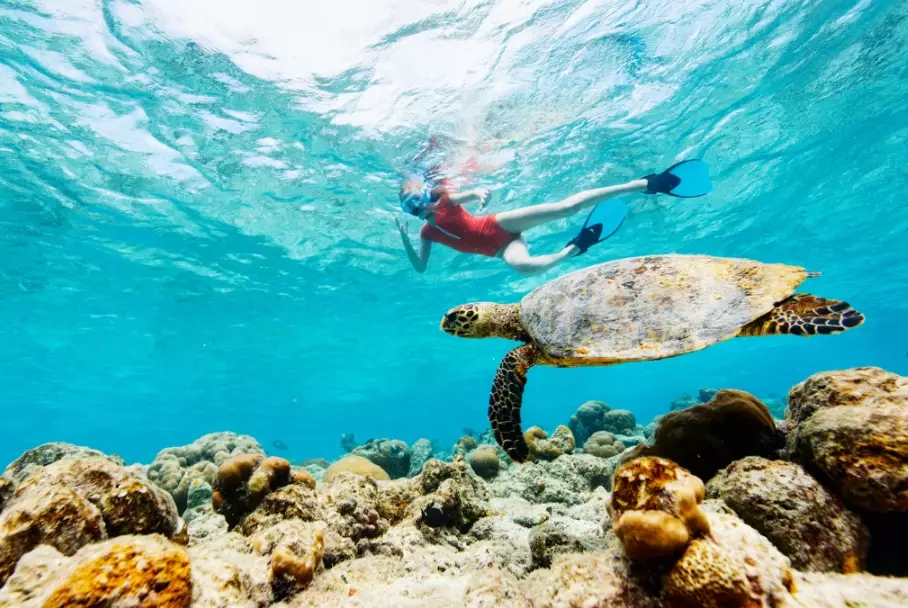
For divers, Sipadan is the holy grail. It's not cheap or easy (permits are strictly limited to protect the island), but dropping down to see a dozen turtles at a cleaning station is an image you won't forget. You're truly answering the question of where in the world can you swim with sea turtles at its most spectacular.
How to Have a Responsible and Amazing Turtle Encounter
This is the part that matters more than the destination. A bad encounter stresses the turtle and leaves you feeling guilty. Let's avoid that.
What NOT to Do (The Quick List): Never touch, ride, chase, or corner a turtle. Don't use flash photography. Don't try to feed them. Avoid crowding—if there are already 5 people around one turtle, give it space and move on. Your selfie isn't worth its stress.
So, what should you do?
Move slowly and predictably. Sudden movements are scary. Imagine a giant, clumsy creature splashing above you. Be calm.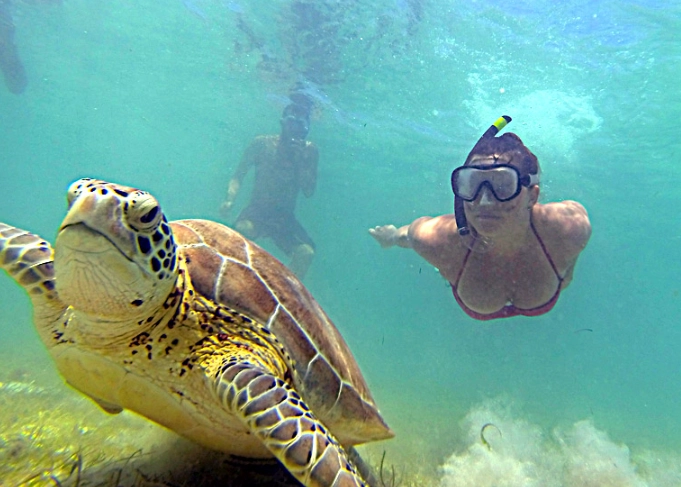
Observe from the side or front, not directly above. Coming from above can feel like a predator attack.
Let the turtle control the encounter. If it wants to leave, let it leave. If it approaches you (it happens!), stay still and enjoy the moment. Don't reach out.
Maintain that critical distance. Rules vary, but 10 feet (3 meters) is a great minimum guideline. If you're kicking sand or debris onto it, you're too close.
Choosing the Right Tour Operator
This makes or breaks your day. A good operator is a guide, not a turtle herder.
Here’s what to look for:
- Small Group Sizes: They should advertise this. A boat with 30 snorkelers dumping into the water is a recipe for chaos.
- Clear Briefing: Before you get in the water, they should give a thorough talk on turtle behavior, rules, and proper etiquette. If they don't, that's a red flag.
- Respectful Guides: The guides should model good behavior. If you see a guide touching or chasing a turtle to give clients a better look, that's a terrible operator.
- Environmental Stance: Do they talk about conservation? Do they support local marine parks or clean-up efforts? Good signs.
- Check Reviews: Read between the lines. Reviews saying "the guide made sure we didn't get too close" are gold.
I once went on a cheap, crowded tour where the guide literally pushed a turtle's shell to turn it toward a customer for a photo. We left the water early and asked for a partial refund. It was awful. Don't be afraid to vote with your wallet.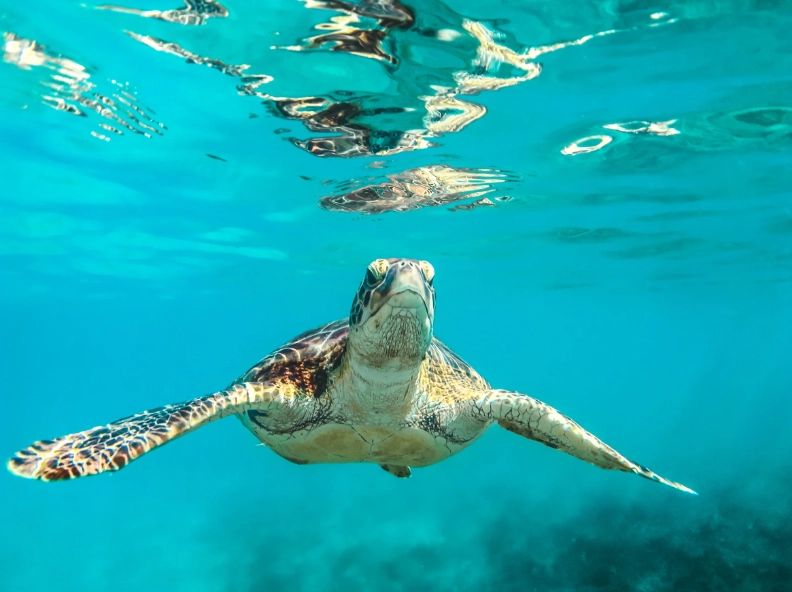
Beyond the Swim: Understanding Sea Turtles
Knowing a bit about them makes the encounter richer. There are seven species, and you'll most commonly meet Greens and Hawksbills on reefs.
Green Sea Turtles: Named for their greenish fat, not shell. They're mostly herbivores as adults, munching on seagrass and algae. That's why you find them in places like Akumal's seagrass beds.
Hawksbill Sea Turtles: Have a beautiful, patterned shell (tortoiseshell) and a pointed beak. They eat sponges, which helps keep reefs healthy. They're more critically endangered.
All sea turtles face massive threats: habitat loss, plastic pollution, fishing net bycatch, and climate change affecting sand temperatures (which determines hatchling sex). When you pay for a responsible tour or a marine park fee, you're directly contributing to their protection.
Organizations like the International Union for Conservation of Nature (IUCN) list most sea turtle species as Endangered or Critically Endangered. The World Wildlife Fund (WWF) runs global conservation programs. It's good to know your encounter is part of a larger story of survival.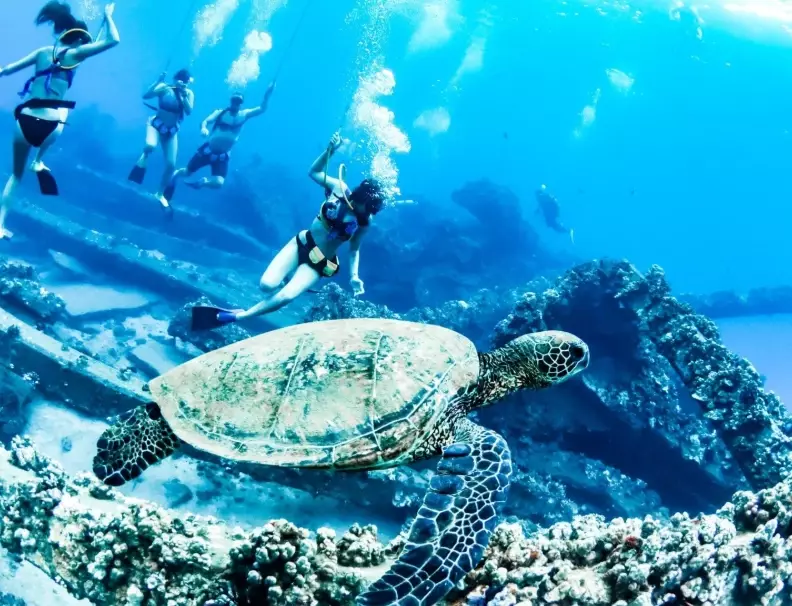
Your Questions, Answered (The Real Stuff People Worry About)
Is it safe to swim with sea turtles?
Generally, yes. They are not aggressive. They have no teeth (they have beaks) and their main defense is to swim away. The main risks are to them from us (fin kicks, touching) and to us from our own poor swimming skills or not respecting the ocean conditions (currents, boats). Always assess your own ability and listen to guides.
What is the absolute best time of year?
It varies by hemisphere. In tropical locations, aim for the dry/sunny season for the calmest seas and best visibility. This is often (but not always) the northern hemisphere winter (Nov-Apr) for places south of the equator, and summer (May-Sept) for places north of it. Always check regional weather patterns.
Can I swim with sea turtles without a tour?
Absolutely. In many locations, you can. Hawaii, Akumal, and the Gili Islands are perfect examples where you can just walk in from a public beach. This requires more research on your part to find the spot, assess conditions, and ensure you're following local rules. A tour is easier for first-timers or in remote locations.
What gear do I need?
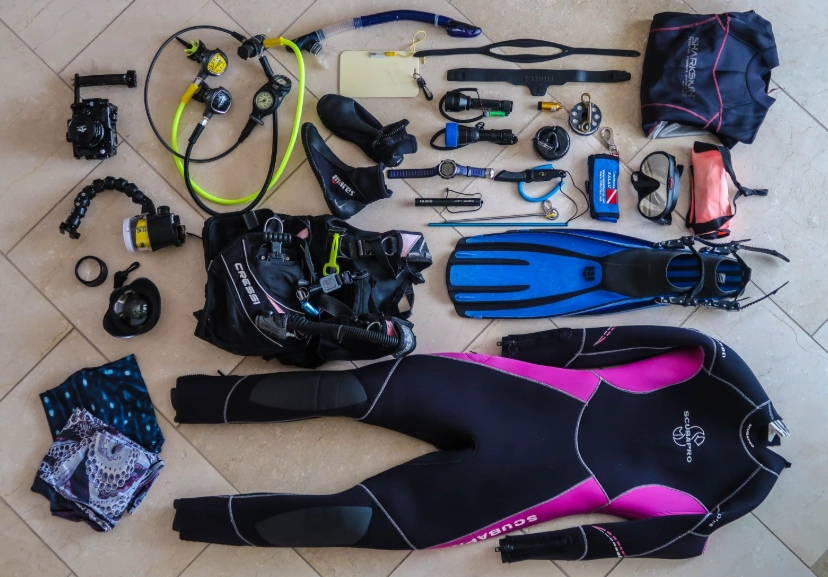
A good-fitting mask and snorkel are essential. Leaky masks ruin the experience. Fins help you move efficiently without kicking up sand. A rash guard or wetsuit top protects you from the sun—sunscreen can harm coral and turtles, so mineral-based, reef-safe sunscreen is a must if you need it. Consider a waterproof camera or GoPro, but remember: no flash.
What if I'm not a strong swimmer?
Choose your location wisely. Akumal Bay is shallow. Some Hawaiian coves are protected. Many tour operators offer floatation devices (pool noodles, life vests). Always tell your guide about your comfort level. There's no shame in using a vest—it lets you relax and focus on looking down, not treading water.
The dream is universal.
To float weightlessly beside a creature that has navigated oceans for millions of years. It’s quiet, and profound, and a little humbling.
Final Thoughts: Making Your Choice
So, where in the world will you swim with sea turtles?
If you want ease and high odds: Akumal (Mexico) or Hawaii.
If you're a diver seeking the pinnacle: Sipadan (Malaysia) or the Coral Sea.
If you want a conservation success story: Apo Island (Philippines).
If you want a backpacker-friendly vibe: The Gili Islands (Indonesia).
The map is wide open. The key is to pick a place that matches your travel style, plan for the right season, and—I can't stress this enough—choose to be a responsible visitor. Do that, and you won't just be checking off a bucket list item. You'll be having a genuine wildlife moment that you can feel good about long after you've come home.
That’s the real answer to where in the world you can swim with sea turtles. It’s anywhere we choose to respect them as the wild, ancient wonders they are.

Comments