Quick Guide
Let's be honest, when most people hear "coral bleaching," they picture a reef turning from vibrant color to ghostly white. And they're not wrong. But that visual is just the tip of the iceberg—a symptom of a much deeper, messier, and frankly terrifying problem. The real story of coral bleaching effects isn't about aesthetics; it's about the collapse of an entire underwater world that millions of creatures, and people, depend on.
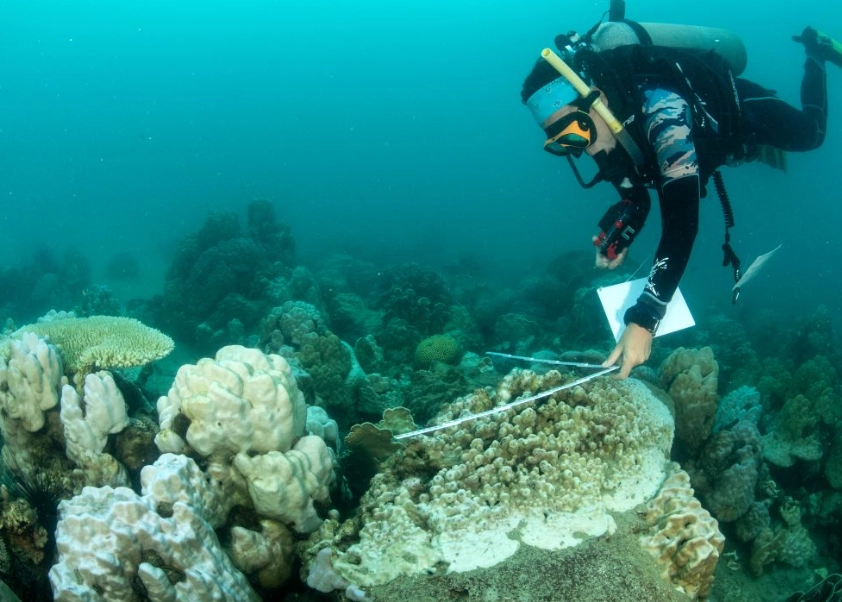
I remember seeing my first bleached coral on a dive years ago. It wasn't in some far-off documentary; it was right there. A big, beautiful brain coral that should have been brown and green, just sitting there, bone white and still. It felt wrong. It felt dead. And that single moment made the whole abstract concept of "ocean warming" brutally, undeniably real.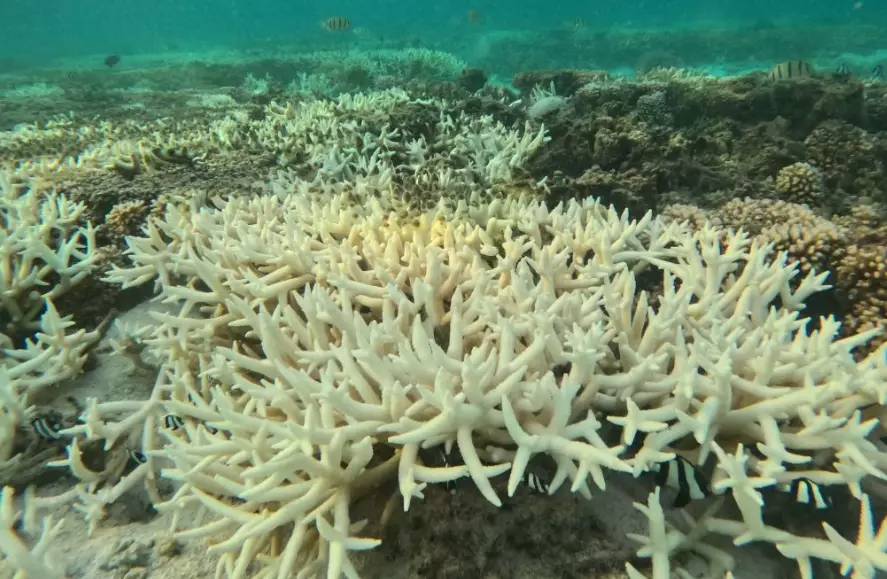
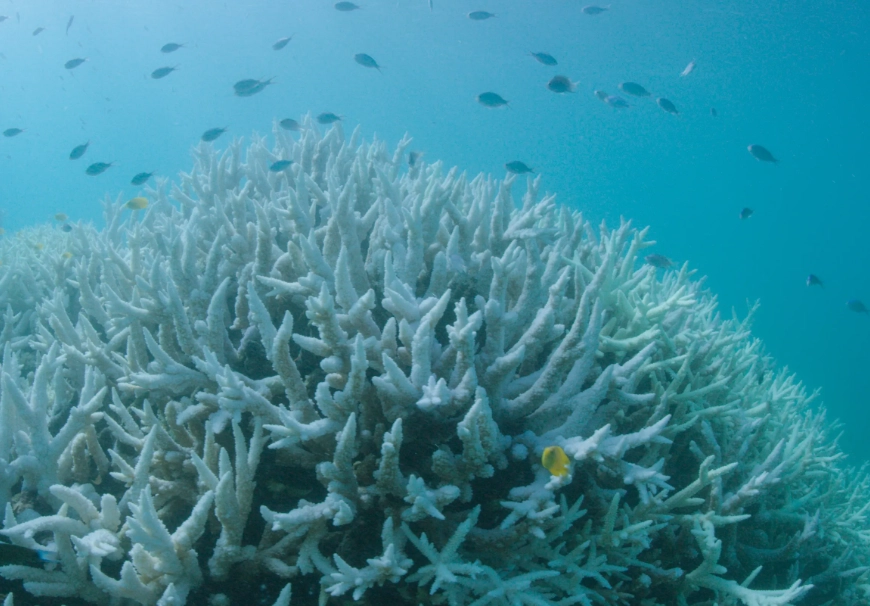
When the water gets too warm, or too polluted, or even too sunny, this happy relationship goes sour. The stressed coral essentially kicks its algal roommates out. Without the algae, the coral's tissue becomes transparent, and you see right through to the white limestone skeleton beneath. That's the "bleaching" we see. The coral isn't dead yet, but it's starving, stressed, and incredibly vulnerable.
What's Actually Causing the Bleaching? It's Not Just Hot Water
If you think it's just about the ocean getting a bit warmer, you're only seeing part of the picture. The main driver is indeed climate change-induced sea surface temperature rise. When water temperatures stay just 1°C above the usual summer maximum for a few weeks, bleaching can start. At 2°C, it becomes widespread. The National Oceanic and Atmospheric Administration (NOAA) has a great Coral Reef Watch program that tracks these thermal stress levels globally, and the maps have been looking alarmingly red in recent years.
But it's a pressure cooker with multiple heat sources. Think of it like this: a coral reef is already living a tough life. Then we add in:
- Local Pollution: Runoff from land—fertilizers, sewage, sediment—clouds the water and adds nutrients. This pollution can smother corals and fuel algal blooms that compete for space and light.
- Ocean Acidification: Another lovely gift from our CO2 emissions. As the ocean absorbs more carbon dioxide, it becomes more acidic. This makes it harder for corals (and creatures like clams and oysters) to build their skeletons and shells. A bleached, weakened coral trying to recover in acidic water? It's like trying to rebuild your house while someone is slowly dissolving your bricks.
- Overexposure to Sunlight: Calm, clear water during a heatwave is a double-edged sword. More intense ultraviolet (UV) radiation can compound the thermal stress.
- Extreme Weather: More intense cyclones and hurricanes can physically smash reef structures, leaving broken corals that are even more susceptible to disease and bleaching effects.
To make it clearer, here’s how these different pressures team up against a reef:
| Stress Factor | How It Affects Coral | Connection to Bleaching |
|---|---|---|
| Elevated Sea Temperature | Disrupts the coral-algae symbiosis at a cellular level. | Primary Trigger. Directly causes the expulsion of zooxanthellae. |
| Water Pollution (Nutrient Runoff) | Increases algal competition, reduces light, introduces toxins. | Weakening Agent. Makes corals less healthy and resilient, so they bleach more easily when heat comes. |
| Ocean Acidification | Reduces carbonate ions needed for skeleton building (calcification). | Recovery Blocker. Hinders a bleached coral's ability to rebuild its structure even if it survives. |
| Physical Damage (Storms, Anchors) | Breaks coral structures, exposes tissue to disease. | Stress Multiplier. Injured corals expend energy on repair, leaving less energy to cope with thermal stress. |
The Domino Effect: What Happens After the Bleaching?
Okay, so the coral turns white. What's the big deal? The cascade of coral bleaching effects is where the ecological and economic nightmare truly unfolds. It's not an isolated event; it's the first domino in a long, falling line.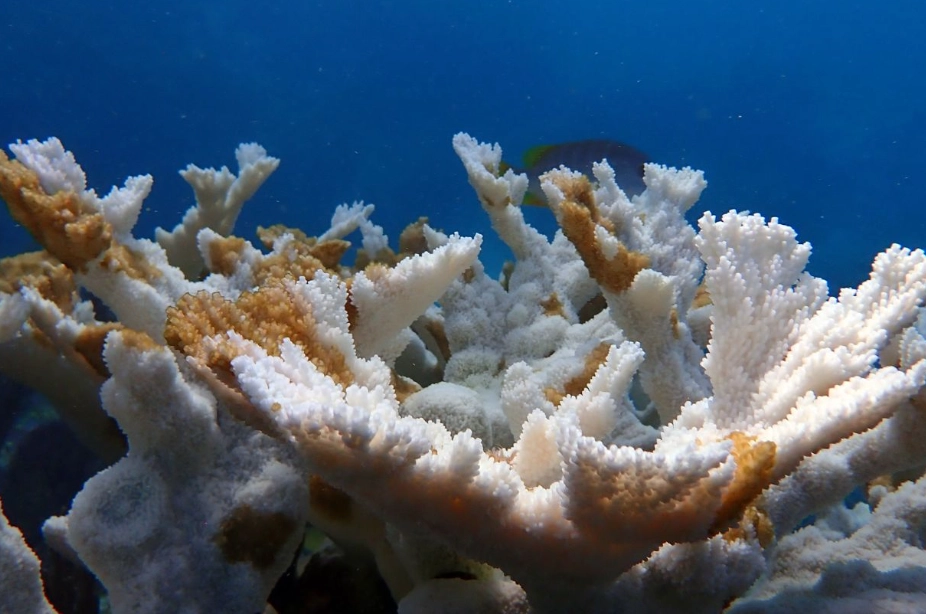
1. The Immediate Biological Fallout
First, the coral itself. If the stressful conditions don't last too long (a few weeks), and the water cools down, the algae can move back in. The coral can recover. But recovery is slow, energy-intensive, and leaves the coral weakened—more prone to disease, less able to reproduce, and way more likely to die during the next heatwave.
If the stress persists, the coral dies. It's not a quiet death, either. The fleshy tissue decays, leaving behind that white skeleton. Soon, fast-growing, fleshy algae (the kind that doesn't support much life) colonize the skeleton, covering it in a slimy turf. This prevents new baby coral larvae from settling and growing. The reef structure remains, but it's now a ghost town covered in algal graffiti.
2. The Ecosystem Collapse (This is the Heart of It)
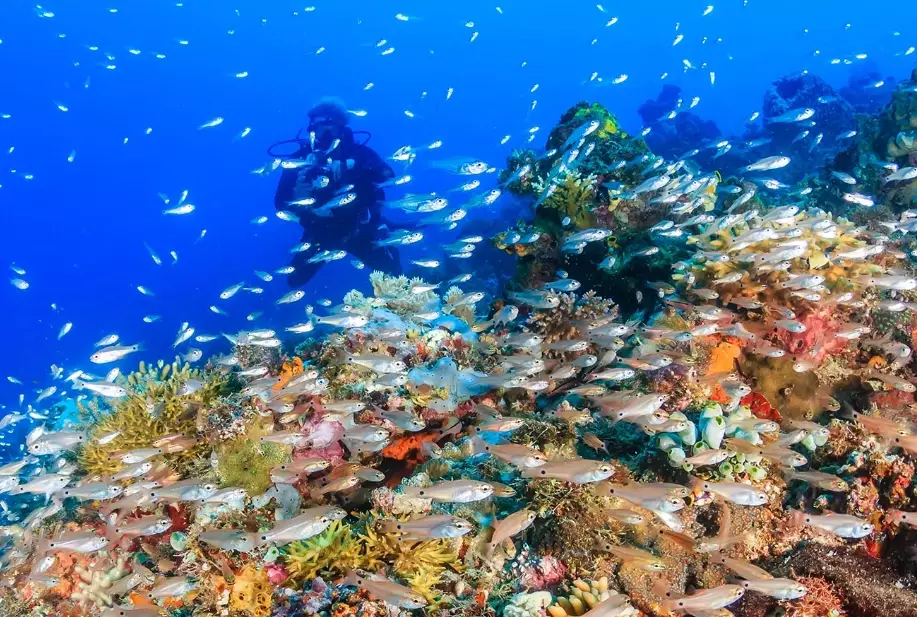
Corals are the architects of the reef ecosystem. Their complex, nooky-cranny skeletons provide the essential habitat—the apartments, nurseries, and hunting grounds—for up to a quarter of all marine species. You take out the architect, and the whole condo complex falls apart.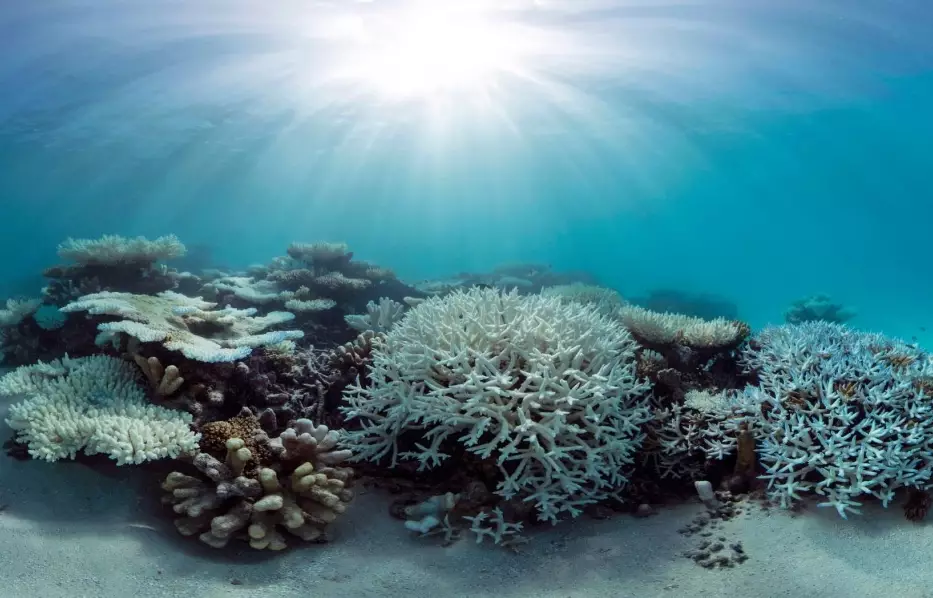
- Fish Vanish: Fish that rely on coral for food (like butterflyfish that nibble on coral polyps) or shelter (like the iconic clownfish in anemones, which are related to corals) simply disappear. Commercially important fish like groupers and snappers lose their juvenile nursery grounds.
- The Food Web Unravels: Tiny invertebrates hiding in the reef are food for small fish, which are food for bigger fish. A bleached and dead reef supports fewer of these critters, so the entire food chain shrinks, right up to the sharks and dolphins.
- Loss of Biodiversity: This is the silent, massive casualty. We're losing species we haven't even discovered yet. Many reef organisms are highly specialized; they can't just move to another habitat. The International Coral Reef Initiative (ICRI) consistently highlights biodiversity loss as one of the most irreversible coral bleaching effects.
3. The Human Cost Hits Home
This isn't just about saving pretty fish. The coral bleaching effects slam directly into human societies, especially coastal communities in the tropics.
- Coastal Protection Gone: Reefs act as natural breakwaters, absorbing up to 97% of wave energy. They are the first line of defense against storms, hurricanes, and erosion. A dead, eroded reef offers little protection. The cost of replacing this service with artificial seawalls is astronomical, and often unaffordable for island nations.
- Fisheries Implode: Hundreds of millions of people depend on reef fisheries for their primary protein and livelihood. No reef, no fish. It's that simple. This leads to food insecurity, lost incomes, and increased poverty.
- Tourism Industry Bleeds: Reef tourism is a multi-billion dollar global industry. Who pays to go snorkeling or diving over a field of white skeletons and algae? Resorts close, guides lose jobs, and local economies tank. I've spoken to dive operators who've had to completely shift their business model or shut down after a major bleaching event wiped out their local reefs.
- Medical Cures Lost: Coral reef organisms are a goldmine for biomedical research, with compounds used to treat cancer, HIV, arthritis, and more. We're burning the library of potential medicines before we've even read the books.
Is There Any Hope? What's Being Done (And What Actually Works)
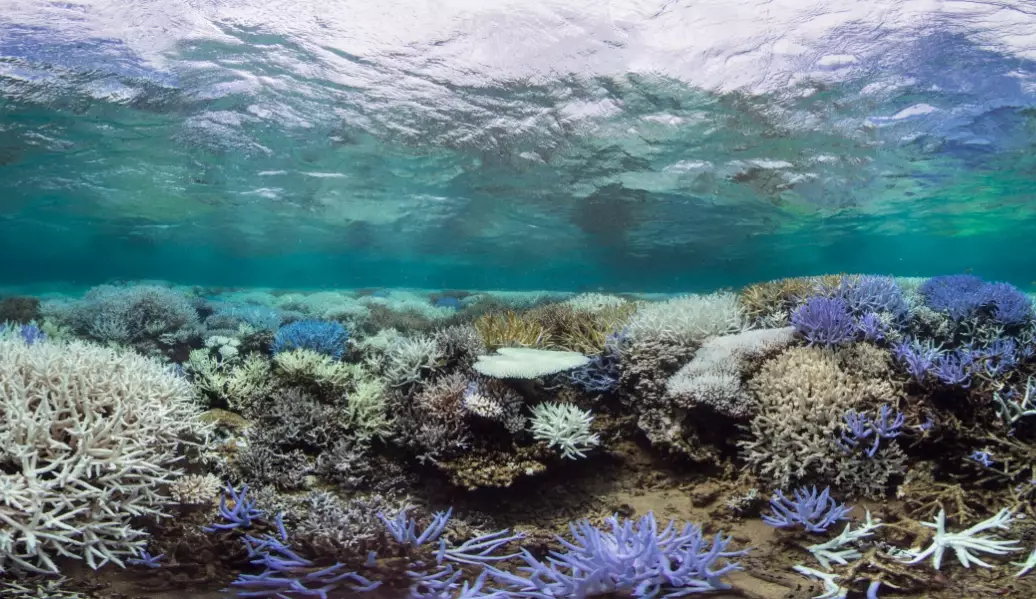
Reading all this, it's easy to feel hopeless. I get it. The scale is overwhelming. But giving up guarantees failure. So, what's happening on the front lines? The response is a two-pronged strategy: tackle the global root cause and buy time with local action.
The Big Picture Fix: Slash Carbon Emissions
There is no way around this. The single most important action to reduce severe coral bleaching effects long-term is to stop planet-wide warming. Every fraction of a degree of warming we prevent gives reefs a better chance. This means global policy, renewable energy transitions, and individual choices that add up. Organizations like the NASA Climate Change division provide the hard, satellite-based data that shows the relentless pace of warming we're trying to curb.
It's frustratingly slow and political, but it's non-negotiable.
Local Actions: The Reef's Life Support System
While we fight the global battle, scientists and communities are working frantically to make reefs more resilient and help them recover. Think of this as emergency medicine and rehabilitation.
- Marine Protected Areas (MPAs): These are like national parks for the ocean. They reduce local pressures like overfishing and pollution, giving reefs their best possible health to face warming waters. A healthy reef bleaches less severely and recovers faster. It's basic, but it works.
- Reducing Land-Based Pollution: Fixing sewage systems, managing agricultural runoff, and restoring coastal wetlands (which filter water) can dramatically improve water quality on nearby reefs. This is one of the most effective local management tools.
- Coral Restoration & Gardening: This is the flashy, hands-on stuff you see in the news. It involves growing corals in nurseries (fragments on underwater trees or tables) and then "outplanting" them onto degraded reefs. It's labor-intensive and expensive, and honestly, it's like replanting trees in a forest that's still on fire if the water is still too warm. But for specific, high-value sites (like tourist areas or critical fish nurseries), it can help kickstart recovery. Some projects are even trying to breed "super corals" that are more heat-tolerant, though the ethics and ecology of that are complex.
- Active Cooling and Shading:
Some experimental, last-ditch efforts include using underwater sprinklers to bring cooler deep water up, or even using giant shade cloths over small areas of reef. These are desperate, localized, and not scalable to whole reef systems, but they show how dire the situation is.
Your Questions, Answered (The Stuff People Really Want to Know)
Can a bleached coral recover?
Yes, but it's a big "but." If the stress is mild and short-lived, algae can return. Recovery takes weeks to years, and the coral is left weaker. After severe or repeated bleaching, mortality is high. A reef's recovery depends entirely on getting a long break from stress, which is becoming rarer.
Is all bleaching caused by warm water?
Warm water is the number one cause, especially large-scale mass bleaching events. But cold water shocks, extreme low tides (which expose corals to air and sun), freshwater flooding from storms, and high levels of pollution can also cause localized bleaching.
What can I, as an individual, actually do?
More than you think. Reduce your carbon footprint (transport, energy, diet). Choose sustainable seafood (check guides like Seafood Watch). Never touch or stand on corals when swimming. Use reef-safe sunscreen (ones without oxybenzone and octinoxate). Support organizations doing real conservation work. And vote for leaders who prioritize climate action. It all connects.
Are some corals more resistant to bleaching?
Absolutely. Generally, fast-growing branching corals (like staghorn) are often the first to bleach and die. Massive, slow-growing corals (like brain or boulder corals) tend to be more resistant but recover more slowly. This changes the very structure of the reef over time.
How often are major bleaching events happening now?
Scarily often. Before the 1980s, they were rare, localized events. Now, global mass bleaching events are occurring back-to-back. The third global bleaching event lasted from 2014 to 2017. We are currently in what NOAA declared a fourth global mass bleaching event in 2023, which is ongoing. The respite periods reefs need to recover are vanishing.
The frequency is the killer. Reefs can handle a crisis every decade or so. But when crisis becomes the new normal, there is no recovery. There is only managed decline.
The Bottom Line: It's a Choice
The story of coral bleaching effects is ultimately a story about thresholds and resilience. We are pushing a magnificent, ancient ecosystem past its breaking point. The bleaching is the visible cry for help.
The impacts are not hypothetical future scenarios. They are playing out right now in the Pacific, the Caribbean, the Indian Ocean, and Australia's Great Barrier Reef. The loss of biodiversity, the threat to food security, the erosion of coastlines—these are today's headlines.
The solutions exist. They are a hard mix of global systemic change and relentless local stewardship. It requires moving beyond despair to determined action. The reefs won't be saved by a single miracle technology. They'll be saved, or lost, by the collective choices we make about the world we want to live in—and the world we leave behind.
Will future generations experience the awe of a living, thriving coral reef, or will they only know of them as ghostly, white graveyards in documentaries about a world we let slip away? The effects of our inaction are written in the bleaching skeletons. The chance to write a different ending is still, just barely, there.


Comments