Explore the Guide
- What Is Coral Bleaching, Really? (And Why Florida is Ground Zero)
- The Florida Diving Reality Check: What to Expect Now
- The Responsible Diver's Action Plan: Your Pre-Dive, Dive, and Post-Dive Guide
- Beyond the Dive: How to Be a Force for Good
- Straight Answers: Your Coral Bleaching and Diving Florida FAQs
- The Bottom Line: A New Kind of Dive Adventure
Let's be real for a second. You've probably seen those heartbreaking photos. Pristine, colorful coral reefs turned into ghostly white skeletons. Maybe you've booked a trip to Florida dreaming of vibrant underwater gardens, only to hear whispers of "coral bleaching" and wonder what you're actually going to see. I get it. I've been there, staring at a bleached elkhorn coral in the Florida Keys, feeling a mix of awe and a deep, sinking sadness.
That experience is what sparked this guide. This isn't just another generic article. We're going to dig into what coral bleaching in Florida really means for you, the diver. We'll strip away the jargon, look at the current state of affairs (no sugarcoating), and most importantly, talk about how you can still have an incredible, ethical diving experience while being part of the solution, not the problem. Because yes, you can still go diving in Florida, but the rules of the game have changed.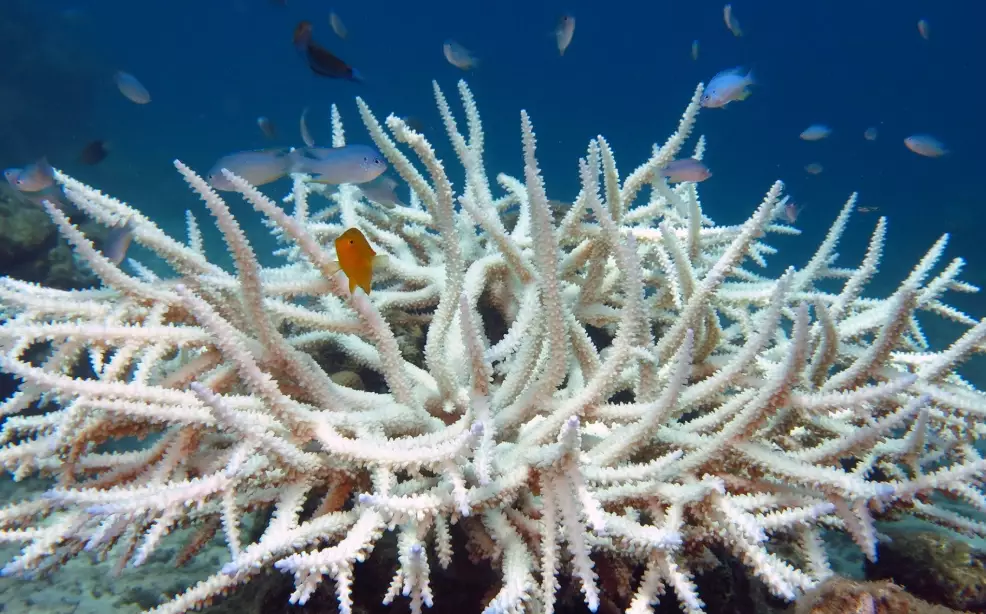
What Is Coral Bleaching, Really? (And Why Florida is Ground Zero)
Okay, science time, but I'll keep it simple. Imagine the coral animal (yep, it's an animal) and the tiny algae that live inside its tissues are best friends in a perfect business deal. The algae (called zooxanthellae) pay "rent" by giving the coral food from photosynthesis. In return, the coral gives it a safe home. This partnership is what gives coral its crazy colors.
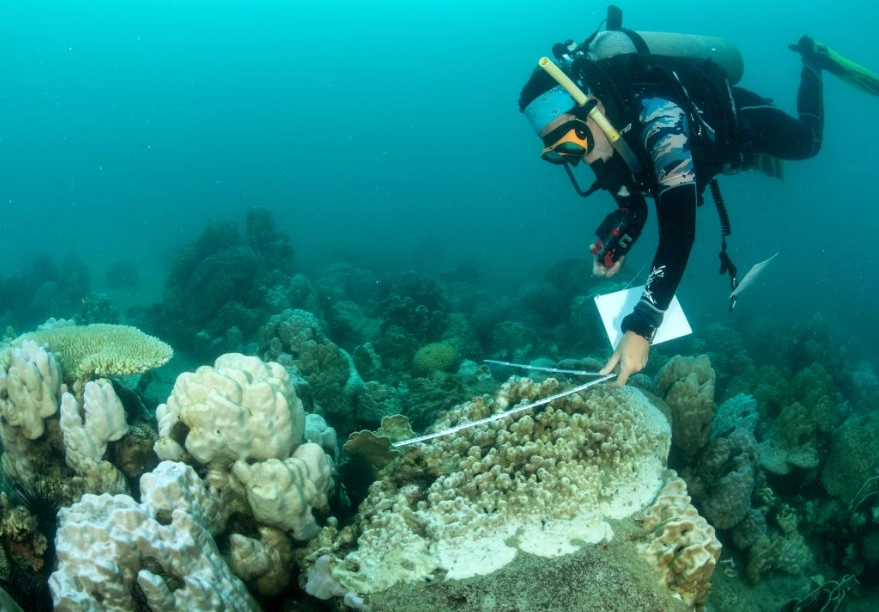
Now, throw in sustained heat stress—like the record-breaking water temperatures Florida has been battling—and the partnership breaks down. The coral gets stressed and evicts its algae tenants. Without the algae, the coral's white skeleton shows through its transparent tissue. That's the "bleaching" you see.
Florida, especially the Florida Reef Tract (the only living coral barrier reef in the continental US), is on the front lines. It's in a subtropical zone where temperature swings can be sharp, and it faces a perfect storm of local and global pressures. The situation with coral bleaching and diving Florida reefs is a constant conversation among local operators, scientists, and us divers.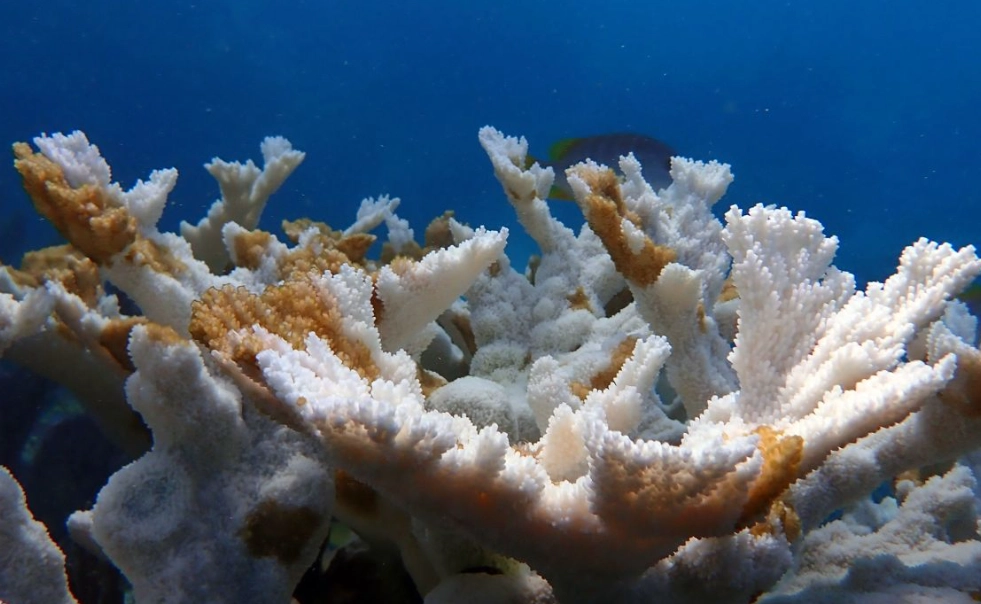
The National Oceanic and Atmospheric Administration (NOAA) maintains a Coral Reef Watch program with satellite data that often shows Florida's waters under significant heat stress. It's sobering to check.
The Main Culprits: It's Not Just One Thing
Pointing fingers at just climate change is easy, but the truth is messier. For Florida's reefs, it's a combination punch:
- Ocean Warming: The big one. Prolonged high water temperatures are the primary trigger for mass bleaching events.
- Water Quality Runoff: From agriculture and development. This isn't talked about enough. Nutrients from fertilizers can fuel algal blooms that smother corals and reduce water clarity.
- Physical Damage: This is where divers and boaters come in. An anchor strike, a careless fin kick, or even constant touching can wound corals, making them more susceptible to disease and bleaching.
- Ocean Acidification: As the ocean absorbs more CO2, the water becomes more acidic, making it harder for corals to build their skeletons.
The Florida Diving Reality Check: What to Expect Now
Gone are the days (if they ever truly existed) of every reef looking like a postcard from 1970. The landscape has changed. But here's the honest take: it's not all doom and gloom. There is still profound beauty and life, but it requires a shift in perspective.
You'll see a mosaic. Vibrant, healthy patches right next to bleached or recently dead coral. You'll see incredible resilience in some species and heartbreaking fragility in others. Diving in Florida today is less about passive sightseeing and more about active witnessing and understanding.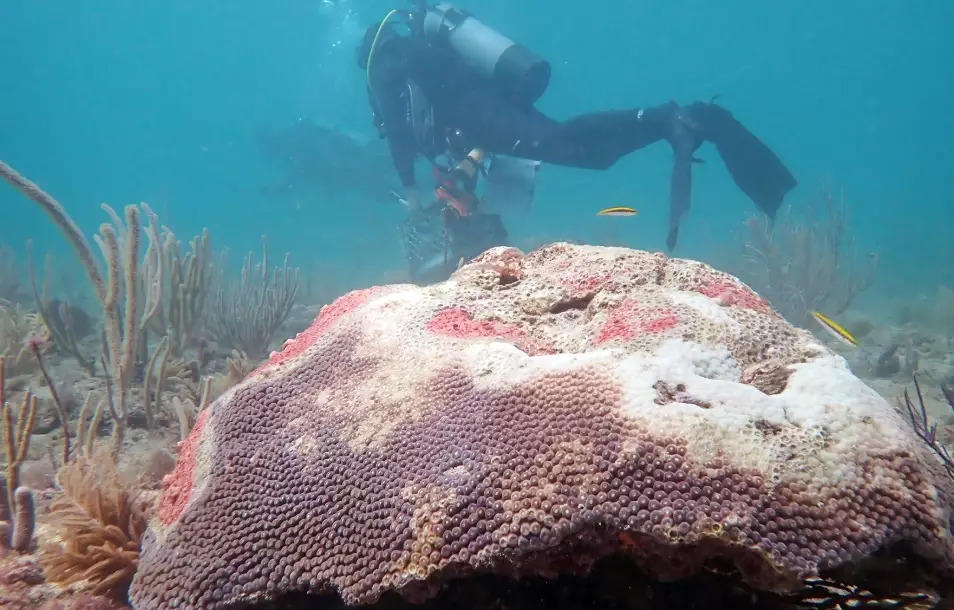
A Region-by-Region Snapshot for Divers
This table breaks down what you might encounter. Remember, conditions change, so this is a general guide based on recent trends and reports from the Florida Department of Environmental Protection and dive operator updates.
| Region | Coral Health Outlook | Diving Experience & Key Considerations |
|---|---|---|
| The Florida Keys (Key Largo, Islamorada, Marathon) | Mixed. Significant bleaching history, especially on shallow reefs. Active restoration sites (like the Coral Restoration Foundation nurseries) are bright spots. | You can see the crisis and the cure in one dive. Shallow reefs (10-25ft) like Molasses Reef show more impact. Deeper sites and wrecks often have healthier communities. Expect to see lots of restoration buoys and lines. |
| Key West & the Dry Tortugas | Generally more resilient due to clearer, cleaner water and stronger currents. Still not immune to warming events. | Often considered the crown jewel for a reason. Better overall coral cover and fish life. The trade-off is it's more remote and trip costs are higher. |
| Southeast Florida (Miami, Ft. Lauderdale, Palm Beach) | Heavily impacted near shore. The artificial reef network (wrecks, sculptures) is thriving with life and is a major focus. | The natural reefs close to shore have struggled. The diving scene has brilliantly pivoted to world-class artificial reefs. Expect amazing wreck dives teeming with fish, which takes pressure off natural reefs. |
| Northwest Florida & the Panhandle | Different ecosystem (more temperate). Less stony coral, but sensitive soft corals and sponges can also bleach. | A different kind of diving. Focus is on caverns, springs, and unique geological formations. Coral bleaching is less of a direct concern, but water quality issues exist. |
See what I mean? It's nuanced. A trip focused on coral bleaching and diving Florida's reefs isn't a lost cause—it's an education.
The Responsible Diver's Action Plan: Your Pre-Dive, Dive, and Post-Dive Guide
This is the most important part. How you dive directly affects reef health. It's not about guilt; it's about empowerment. Here’s your checklist.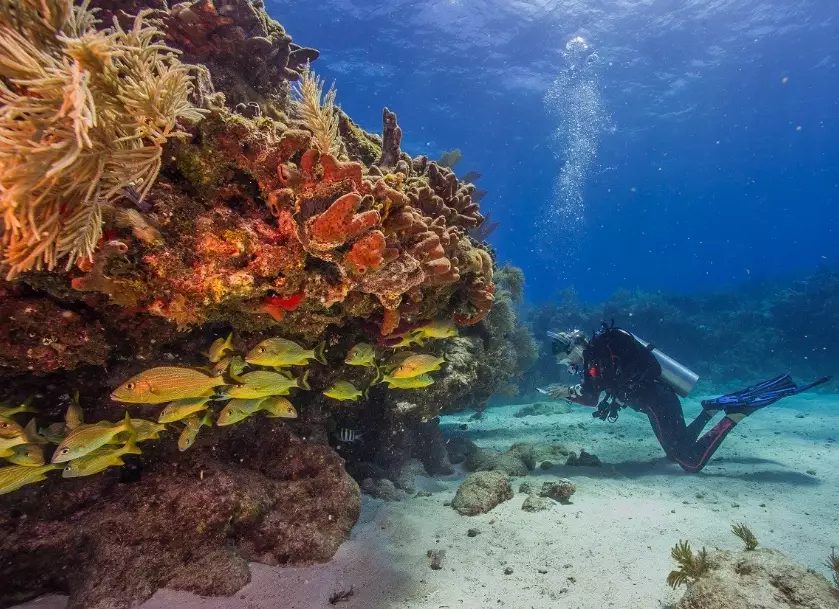
Before You Book (The Most Critical Step)
- Choose Your Operator Like a Pro: Don't just pick the cheapest boat. Ask questions. Email them. Do they give environmental briefings? Do they advocate for reef-safe sunscreen? Do they support local restoration efforts? Operators who are part of organizations like Green Fins (which has members in Florida) are a great bet.
- Timing is Everything: Water temperatures peak in late summer/early fall. This is often the highest risk period for coral bleaching in Florida. Consider spring (April-June) or late fall (October-November) for potentially cooler water and better visibility. It's also less crowded.
- Get Your Skills Sharp: If you're a new diver or haven't dived in a while, consider a buoyancy refresher in a pool. Perfect buoyancy is your number one tool for protecting the reef. I can't stress this enough. A clunky diver does real damage.
On the Boat & In the Water (The Practical Rules)
The briefing matters. Listen.
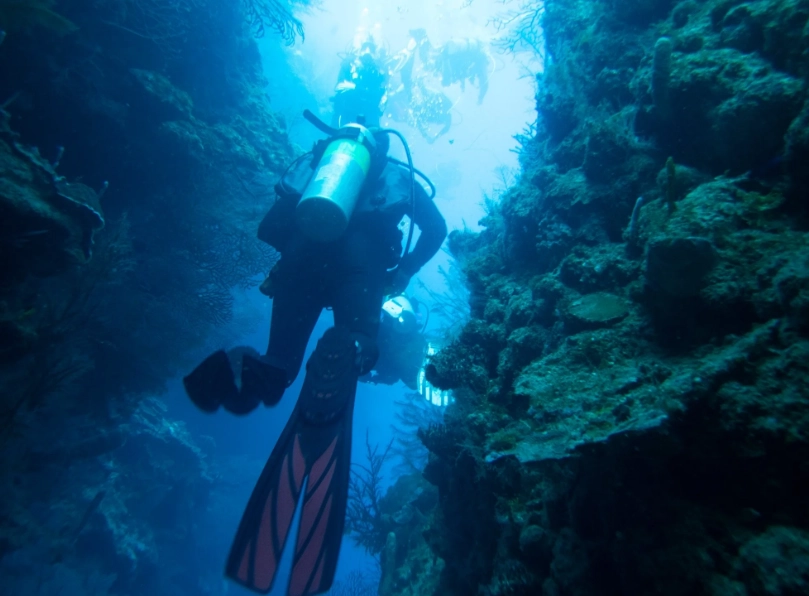
- Master Your Buoyancy: Practice hovering. Use your breath, not your BCD, for small adjustments. Stay off the bottom. Always.
- Streamline Everything: Secure your gauge console, octopus, and computer. A dangling hose can wipe out a coral colony in seconds.
- No Touch. Ever. Not the coral, not the sponges, not the "cute" sea slug. Your touch can remove protective mucous layers, spread disease, or kill polyps.
- Fins Up: Be aware of your fins. Avoid kicking up sand (which can smother corals) and never kick the reef itself. When near the bottom, swim horizontally, not vertically.
- Photography Ethics: If you're shooting, be extra careful. A camera housing is a big, clumsy thing. Control your buoyancy first, then add the camera.
- Sunscreen: Use only mineral-based, reef-safe sunscreen (zinc oxide or titanium dioxide). Apply it at least 15 minutes before getting in the water. Better yet, wear a rash guard and leggings to minimize use.
It sounds like a lot, but it becomes second nature. It makes you a better diver, period.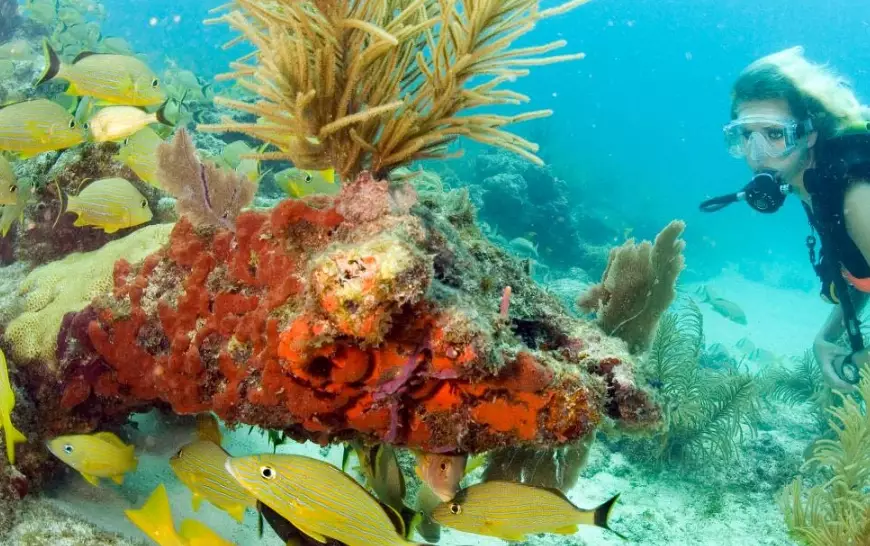
After Your Dive (The Part Most People Skip)
- Report What You Saw: You are a valuable pair of eyes. Use apps like REEF's Fish Survey Project or the Atlantic and Gulf Rapid Reef Assessment (AGRRA) citizen science programs to log your fish and coral observations. This data is gold for scientists.
- Choose Where Your Money Goes: Tip your guide well if they emphasized conservation. Consider donating a small amount to a local restoration group like the Coral Restoration Foundation or Mote Marine Laboratory. That $20 means more than you think.
- Talk About It: Share your experience honestly on review sites and social media. Praise the good operators. Talk about the bleaching you saw, but also the hope. This shifts the narrative.
Beyond the Dive: How to Be a Force for Good
What if you want to do more? The good news is, Florida has a passionate community of "reef stewards."
You can join a citizen science dive. Organizations regularly need divers to help with coral outplanting (the underwater gardening part of restoration). It's hard work, but it's the most rewarding dive you'll ever do. You're literally putting new coral back on the reef.
You can also advocate from home. Support policies for clean water and climate action. Be mindful of your own carbon footprint. It all connects.
Straight Answers: Your Coral Bleaching and Diving Florida FAQs
Is it even ethical to dive on bleached reefs?
This is the big one. My view? Yes, but with strict caveats. Avoiding the reef entirely removes economic incentive for local communities to protect it. Tourism dollars fund patrols, research, and restoration. The key is to go with hyper-responsible operators, follow all guidelines to the letter, and view your role as a witness and supporter, not just a consumer. If you're going to be careless, stay home.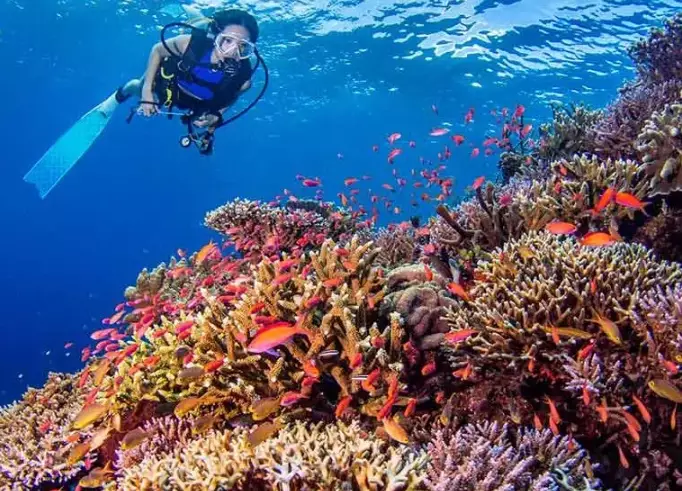
Will I still see fish if the coral is bleached?
Often, yes, especially in the short term. Fish rely on the reef structure for shelter, not necessarily its color. However, if the coral dies and the structure crumbles, the fish community will eventually decline and change. On many Florida sites, the fish life is still spectacular, which is a bittersweet reminder of what's at stake.
What's the single best thing I can do as a diver?
Master your buoyancy. Full stop. It's the foundation of every other good practice. A diver with perfect buoyancy is like a ghost in the water, leaving no trace.
Are some corals in Florida doing better than others?
Absolutely. Scientists are identifying "super corals"—individuals or species that seem more resilient to heat stress. The massive boulder corals (like brain corals) often fare better than the delicate branching corals (like staghorn and elkhorn). Restoration efforts focus on these resilient strains. It's a form of assisted evolution.
Where can I get reliable, up-to-date info before my trip?
Don't rely on blog posts from five years ago. Check:
1. The Florida Keys National Marine Sanctuary website for alerts and conditions.
2. Social media accounts of reputable Florida dive shops and restoration organizations. They post current photos and updates.
3. NOAA's Coral Reef Watch satellite heat stress maps.
The situation is dynamic. What's true this month might shift next season.
The Bottom Line: A New Kind of Dive Adventure
Diving in Florida amidst the coral bleaching crisis isn't the carefree escape it might have been decades ago. It's something more meaningful now. It's a chance to engage with one of the planet's most critical ecosystems at a pivotal moment.
You'll come face-to-face with both fragility and fierce resilience. You'll learn more about marine ecology in a week than you might in a year. And by choosing to dive responsibly, you become a direct contributor to the reef's survival story. You vote with your wallet, your fin kicks, and your choices.
So yes, go diving in Florida. Go with your eyes wide open. Go with a commitment to be the gentlest visitor possible. Seek out the stories of hope—the restoration nurseries, the thriving artificial reefs, the dedicated scientists. The conversation around coral bleaching and diving Florida's iconic reefs is complex, but it's a conversation we all need to be part of. The future of these underwater cities depends on it, and honestly, so does the soul of diving itself.
Comments