Your Dive Journey Map
Let's be honest. Typing "scuba diving best places in world" into Google is exciting but also kind of overwhelming, isn't it? You get a million lists, all claiming to have the answer. But here's the thing—there's no single "best" place. It all depends on you. What do you want to see? Who are you diving with? What's your budget and skill level? I've been chasing that perfect dive for years, from freezing kelp forests to bath-warm coral reefs, and I've learned that the magic happens when the destination matches your personal dive dream.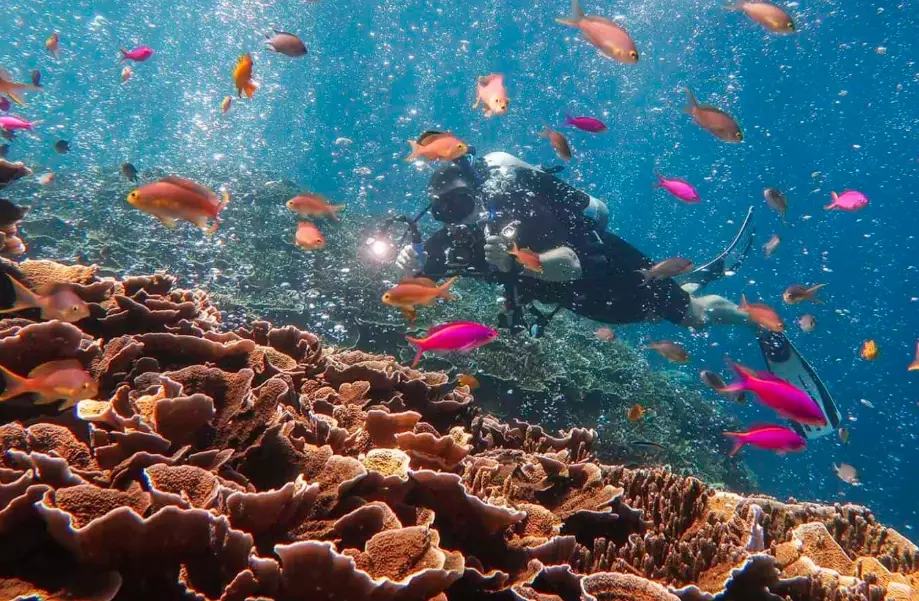
This guide isn't just another list. We're going to dig into the real details that matter when you're planning a trip. We'll talk about the iconic spots, sure, but also the hidden gems and the places that are perfect for specific things, like shark lovers or macro photography nerds. I'll share some of my own hits and misses along the way. The goal is to give you everything you need to make your own decision, so you can stop searching and start booking.
How to Actually Choose Your Scuba Diving Paradise
Before we jump to the destinations, let's figure out what you're really after. This is the part most lists skip, but it's the most important.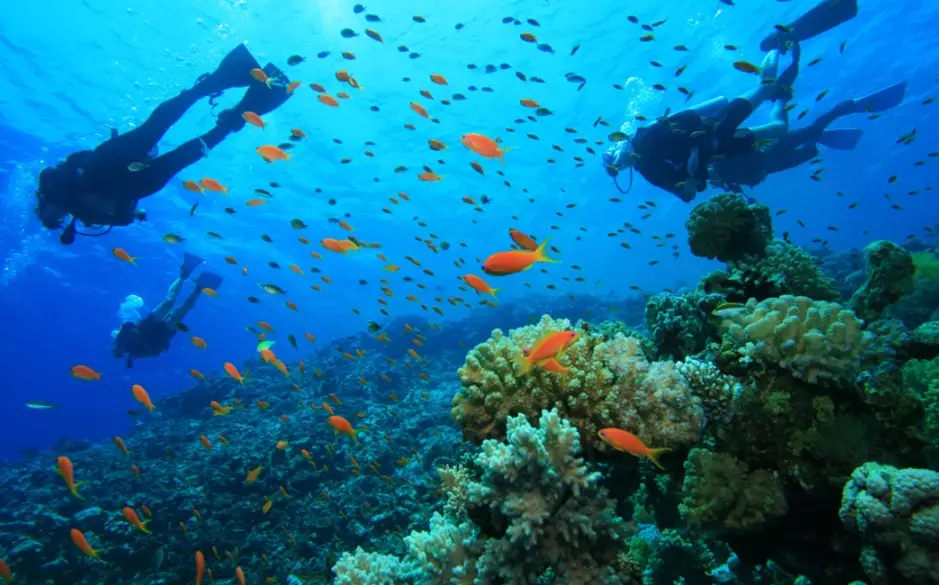
What's Your Diving Style & Skill Level?
Are you a new diver, freshly minted with an Open Water certification? Then you probably want calm, shallow, forgiving sites with easy beach or boat access. Places with strong currents, deep walls, or mandatory decompression stops should wait. Been diving for decades and crave adrenaline? Current-swept channels packed with pelagics or mysterious wrecks might be your jam.
Think about what you love to see. Big stuff? Small stuff? Wrecks? Drifts? This isn't a trivial question. I once took a dedicated macro photographer to a destination famous for mantas and sharks; he spent the whole week complaining he couldn't find any good nudibranchs. My bad.
Beyond the Dive: The Logistics & Vibe
The diving might be world-class, but if the logistics are a nightmare or the island vibe is all wrong for you, the trip can fall flat. Ask yourself:
- Travel Time & Cost: How far are you willing to fly? A weekend trip to Cozumel is different from a 30-hour journey to Raja Ampat.
- Non-Diver Activities: Traveling with a non-diving partner or family? Make sure there's something for them to do.
- Accommodation Style: Do you want a rustic liveaboard boat, a luxury resort, or a backpacker-friendly dive shop with cheap bunks?
- Season & Weather: This is huge. The best scuba diving places in the world have a "best" time to visit. Monsoon seasons can shut down diving entirely or make it dangerously rough.
To make this easier, let's break down some top contenders by what they're famous for. This table should give you a quick-glance overview before we dive deeper into each one.
| Destination | Best For | Skill Level | Iconic Sight | Peak Season |
|---|---|---|---|---|
| Great Barrier Reef, Australia | Biodiversity, Coral Reefs | Beginner to Advanced | Coral Gardens, Reef Sharks | June - October |
| Red Sea, Egypt | Wrecks, Pelagics, Value | Intermediate to Advanced | SS Thistlegorm, Shark Reef | April - June, Sept - Nov |
| Palau, Micronesia | Wall Diving, Sharks, Currents | Intermediate to Advanced | Blue Corner, Jellyfish Lake | November - May |
| Galápagos Islands, Ecuador | Big Animal Encounters | Advanced (Strong Currents/Cold) | Hammerhead Sharks, Sea Lions | June - November |
| Maldives | Channel Drifts, Mantas, Luxury | Beginner to Advanced | Manta Rays, Whale Sharks | January - April |
| Cozumel, Mexico | Easy Drift Diving, Accessibility | Beginner to Intermediate | Palancar Reef, Eagle Rays | Year-Round (May-Oct rainy) |
Deep Dive into the Top Tier Scuba Diving Destinations
Now, let's get into the nitty-gritty of places that consistently rank as the scuba diving best places in world. I'll give you the hype and the reality.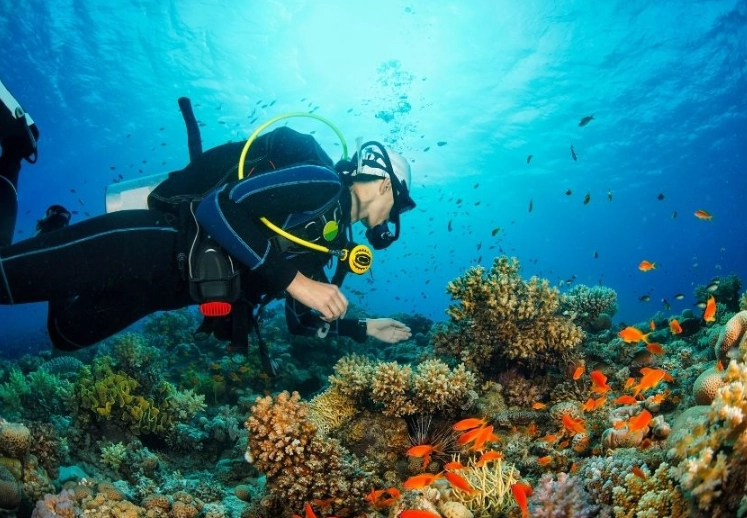
The Great Barrier Reef, Australia
It's the poster child for a reason. The scale is mind-boggling. It's not one reef but thousands, stretching over 2,300 kilometers. The biodiversity is off the charts. You can see everything from tiny, technicolor nudibranchs to dwarf minke whales. Diving the outer reefs from Cairns or Port Douglas is the classic experience.
The Good: Unmatched variety. You can do gentle coral garden dives one day and explore dramatic drop-offs the next. The infrastructure is top-notch, with day boats and liveaboards for all budgets. The Great Barrier Reef Marine Park Authority manages it well, so you'll see a strong focus on conservation.
The Not-So-Good: Parts of the reef, especially the inshore sections near Cairns, have suffered from coral bleaching. It's a reality. The outer reefs are generally in much better shape, but it's not the pristine, untouched paradise it's sometimes sold as. Also, it's expensive. Australia isn't a cheap country to visit or dive in.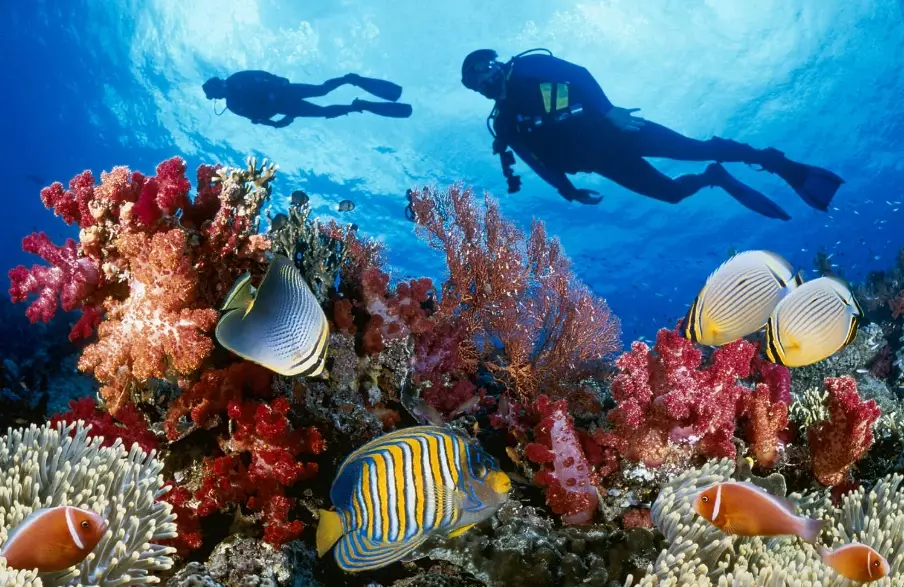
My take? It's a must-do for the sheer scale and history, but manage your expectations about coral health and be prepared to pay for the trips that get you to the best, most remote sections.
The Red Sea, Egypt
Where do I even start? The Red Sea is a diver's playground. It's close to Europe, relatively inexpensive, and packs an insane punch. You've got two main options: the day-boat diving from Sharm el-Sheikh or Hurghada (great for reefs and sharks), or the legendary liveaboard trips to the Brothers, Daedalus, and Rocky Islands (the "BDE" route) for advanced divers seeking pelagics and pristine walls.
Then there are the wrecks. The SS Thistlegorm is arguably the best wreck dive on the planet. It's a WWII cargo ship sitting upright, and you can swim through holds full of motorbikes, trucks, and airplane parts. It's history you can touch.
The Good: Incredible value for money. The marine life is abundant and used to divers. The water is clear and warm. The liveaboard standard is high. It's one of the most accessible world's best dive sites for many people.
The Not-So-Good: Political stability in the region can be a concern—always check travel advisories. Some reef sites near the shore have seen damage from heavy tourism. The advanced northern routes (BDE) have strong currents and can be challenging.
Palau
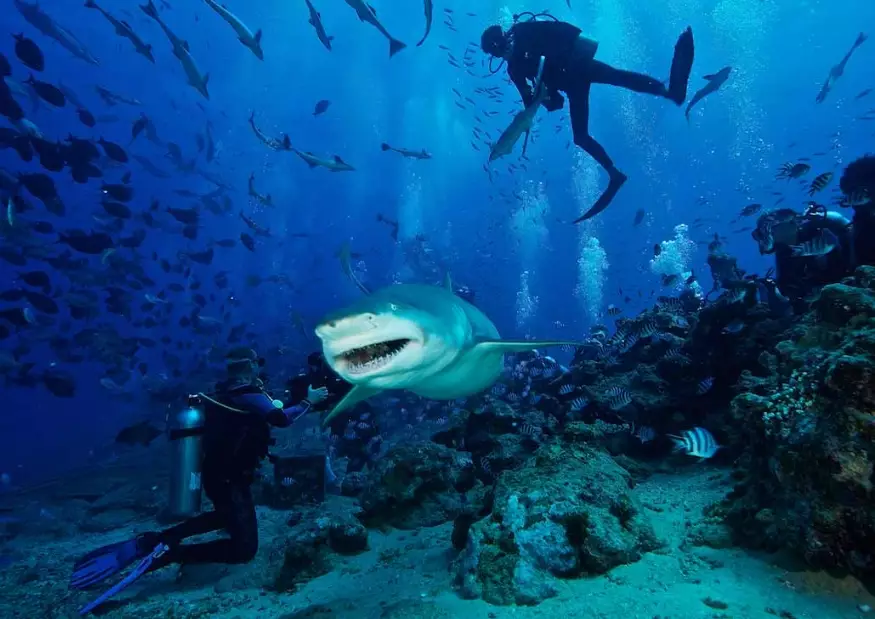
If you dream of walls covered in soft corals and sharks patrolling every corner, Palau is your place. It's a Pacific island nation that's built its identity around conservation. Their famous Blue Corner is a masterclass in current diving. You hook into the reef with a reef hook and float in the current like a kite, watching sharks, eagle rays, and schools of trevally cruise by.
Then there's the famous Jellyfish Lake (snorkeling only now, to protect them), where millions of harmless golden jellyfish migrate daily. It's otherworldly.
The Good: Pristine environment, insane shark populations, unique dive techniques (reef hooking), and a strong eco-ethos. The feeling of being in the blue surrounded by predators is pure adrenaline.
The Not-So-Good: It's remote and expensive to get to. The diving is often advanced due to currents. It's not a great place for beginners. And honestly, after a week of being hooked into walls, I started to miss just floating over a gentle reef.
The Galápagos Islands, Ecuador
This isn't a colorful coral reef trip. This is raw, wild, pelagic action. The water is cold (18-24°C / 64-75°F), the currents are strong, and the seas can be rough. But the payoff... Schools of hundreds of scalloped hammerhead sharks. Playful sea lions that bite your fins. Marine iguanas feeding underwater. Whale sharks (seasonally). It's like diving in a David Attenborough documentary.
This is 100% a liveaboard destination. You need to move between islands to see the best sites like Wolf and Darwin.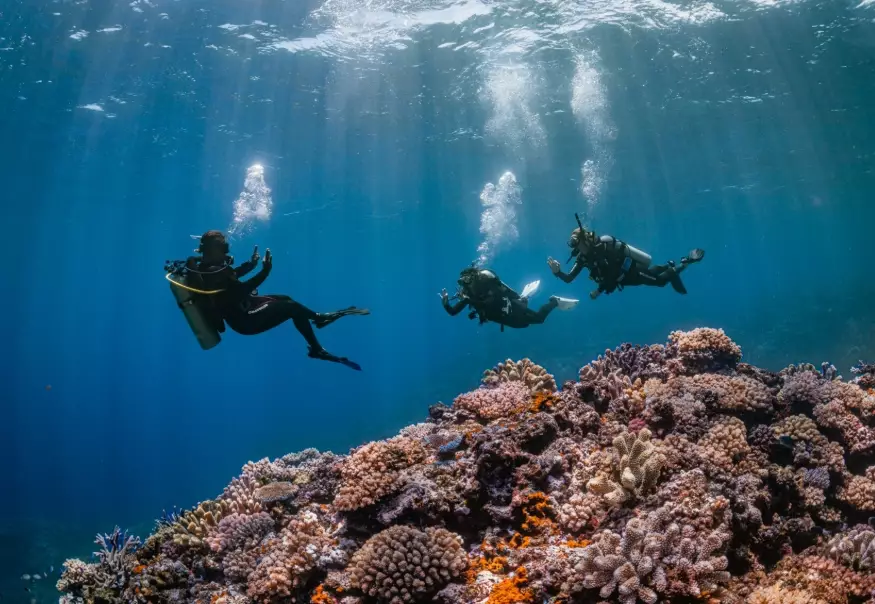
The Good: The most unique and intense big animal encounters on the planet. It's a life-changing trip for serious divers.
The Not-So-Good: Requires an advanced certification, experience in cold water and strong currents, and a hearty stomach for sea motion. It's also one of the most expensive diving trips you can take. And you won't see pretty corals.
More Incredible Spots Worth Your Consideration
The list of top scuba diving destinations doesn't end with the big five. Here are a few more that could easily be your personal best.
- Sipadan Island, Malaysia: We mentioned it. It's a tiny island with a limited number of permits. The diving is vertical walls that start at 5 meters and go down into the abyss. Famous for the "Barracuda Tornado" at Barracuda Point and turtles everywhere. It's a protected marine park, so the fish are fearless. A true gem.
- Silfra Fissure, Iceland: Not tropical, but an utterly unique experience. You dive between the North American and Eurasian tectonic plates in water filtered through lava rock for decades. The visibility is over 100 meters. It's freezing (2-4°C), it's a drysuit dive, and there's almost no life, but the sensation of floating in pure, liquid air is surreal.
- Komodo National Park, Indonesia: Famous for the dragons on land, but underwater it's a riot. Strong currents bring in nutrients, which feed massive coral reefs and huge schools of fish. You can see mantas, sharks, and incredible macro life all in one trip. The currents mean it's best for intermediate+ divers.
- Bonaire: The shore diving capital of the Caribbean. Rent a truck, grab tanks from your resort, and dive whenever you want along marked sites. It's easy, relaxed, and perfect for photographers who want unlimited time underwater. The reef health is consistently good thanks to strong conservation laws.
Your Scuba Diving Best Places in World Questions, Answered
I get asked these all the time. Let's tackle some common questions head-on.
What is the #1 best place to scuba dive in the world?
See, that's the trick question. There isn't one. For a beginner, the #1 place is somewhere calm, warm, and easy like the Caribbean. For a wreck enthusiast, it's the Red Sea. For a shark fanatic, it might be Cocos Island or the Galápagos. The "best" is deeply personal. A better question is: "What's the best place for *me* to dive right now, based on my experience and what I want to see?"
Where is the clearest water for scuba diving?
Visibility depends on currents, plankton, and weather. Generally, offshore oceanic islands have the clearest water. Places like the Blue Hole in Belize (though the dive itself is overrated, in my opinion), parts of the Maldives, and the outer atolls of the South Pacific can offer 40-meter+ visibility. But clear water doesn't always mean more life—plankton feeds the ecosystem.
What is the cheapest world-class diving destination?
For value, it's hard to beat Egypt's Red Sea or parts of Southeast Asia like Thailand (Koh Tao for learning, the Similan Islands for liveaboards) or the Philippines (Malapascua for thresher sharks, Moalboal for sardine runs). The flights might be long, but the daily cost of diving and living can be very low.
How do I know if a destination is ethical and sustainable?
Great question. Look for operators who talk about their practices. Do they have mooring buoys to avoid anchor damage? Do they enforce no-touch, no-glove policies? Are they involved in local conservation? Look for certifications from Green Fins or affiliations with Project AWARE. Read recent reviews. If an operator is offering to let you feed sharks or touch turtles, run the other way.
Is it safe to dive in places with sharks?
Statistically, scuba diving with sharks is incredibly safe. You are not on their menu. Most incidents involve spearfishers (with bleeding fish) or surface swimmers in murky water. Seeing sharks while diving is a sign of a healthy ecosystem. Reputable dive operators know how to conduct these dives safely. The fear is natural, but the experience is almost always one of awe, not terror. I've done hundreds of shark dives, and the only scary thing is how quickly you run out of air because you're so excited.
What's the best way to dive remote locations like Truk Lagoon or the Coral Sea?
For truly remote best scuba diving places in the world, a liveaboard boat is almost always the only option. These are multi-day trips where you live, eat, and sleep on the boat, and it takes you to sites far from any land-based resort. They are more expensive but offer the most dives per day and access to untouched sites. Book well in advance for popular routes.
So, there you have it. A real, detailed, hopefully helpful look at the scuba diving best places in world. It's a big, blue planet out there. Go explore a piece of it.
Comments