Your Dive Guide Highlights
Let's be honest. Every diver, from the wide-eyed beginner to the grizzled tech veteran, has a mental list. That secret list of places you see in magazines, hear about in dive shop chatter, and dream about when you're stuck in traffic. The problem is, there are thousands of incredible spots. How do you even begin to choose?
I remember my first big trip after getting certified. I was overwhelmed. I ended up at a decent, but utterly forgettable, reef because I just didn't have a good guide. That's why we're here. This isn't just another random list. We've talked to instructors, read countless dive logs, sifted through marine biology reports, and yes, spent a small fortune on airfills to bring you a genuinely useful, ranked breakdown of the top 50 dive sites in the world.
Think of this as your one-stop shop. We're covering everything from the warm, shallow reefs perfect for your first open water dives to the heart-pounding, deep-water adrenaline rushes. The goal? To give you the real picture—the amazing stuff and the "you should know this before you go" stuff—so you can plan the underwater adventure that's perfect for you.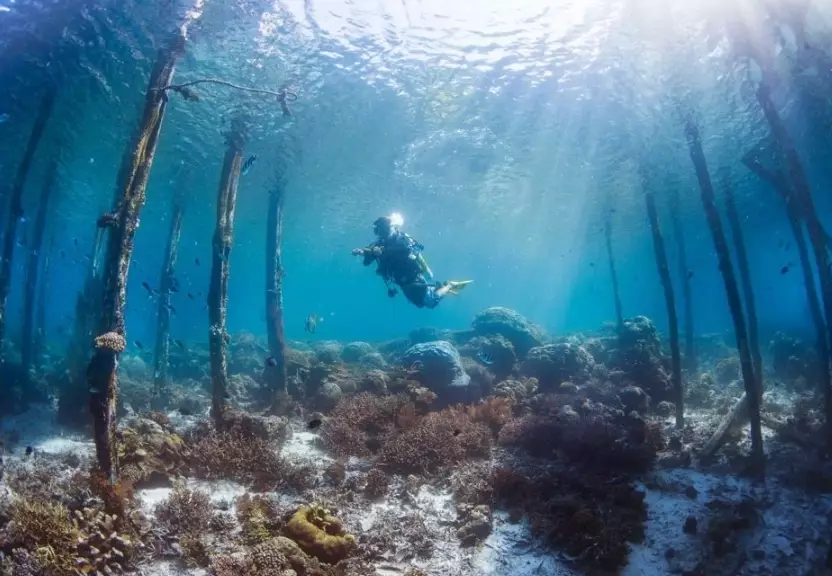
How We Picked These Top 50 Dive Sites: This isn't a popularity contest pulled from thin air. We ranked sites based on a mix of factors: the consistency and diversity of marine life, uniqueness of the underwater landscape (coral walls, caves, wrecks), water clarity and visibility, accessibility for divers of various levels, and that intangible "wow" factor that makes a dive truly legendary. Conservation status and overall health of the ecosystem were also heavy considerations.
The Complete List: Top 50 Dive Sites in the World
Alright, let's dive right in. Here's the full table. We've broken it down by region and included key details to help you scan quickly. This is your starting point for exploring the top 50 dive sites in the world.
| Rank | Dive Site Name | Location | Key Highlights | Best For | Difficulty |
|---|---|---|---|---|---|
| 1 | Raja Ampat (Various Sites) | West Papua, Indonesia | Ultimate marine biodiversity, pristine reefs, manta rays, wobbegongs | Macro lovers, photographers, biodiversity enthusiasts | Medium |
| 2 | Great Blue Hole | Belize Barrier Reef | Iconic giant sinkhole, stalactites, Caribbean reef sharks | Adventure seekers, unique geological features | Advanced |
| 3 | SS Yongala Wreck | Queensland, Australia | Massive historic wreck, colossal marine life aggregation | Wreck divers, pelagic fish lovers | Advanced |
| 4 | Manta Ray Night Dive | Kona, Hawaii, USA | Guaranteed manta ray encounters, mesmerizing night spectacle | Night divers, unique animal interactions | Easy |
| 5 | Barracuda Point | Sipadan Island, Malaysia | Famous for huge tornadoes of barracuda, turtles, sharks | Big animal action, drift diving | Medium |
| 6 | Shark & Yolanda Reef | Ras Mohammed, Egypt | Sheer drop-offs, strong currents, sharks, colorful soft corals | Experienced drift divers, adrenaline | Advanced |
| 7 | Bloody Bay Wall | Little Cayman, Cayman Islands | Sheer vertical wall starting at 20ft, incredible visibility | Wall diving, accessibility for all levels | Easy-Medium |
| 8 | Thistlegorm Wreck | Red Sea, Egypt | World War II shipwreck full of trucks, motorcycles, artifacts | History buffs, wreck penetration, photographers | Medium |
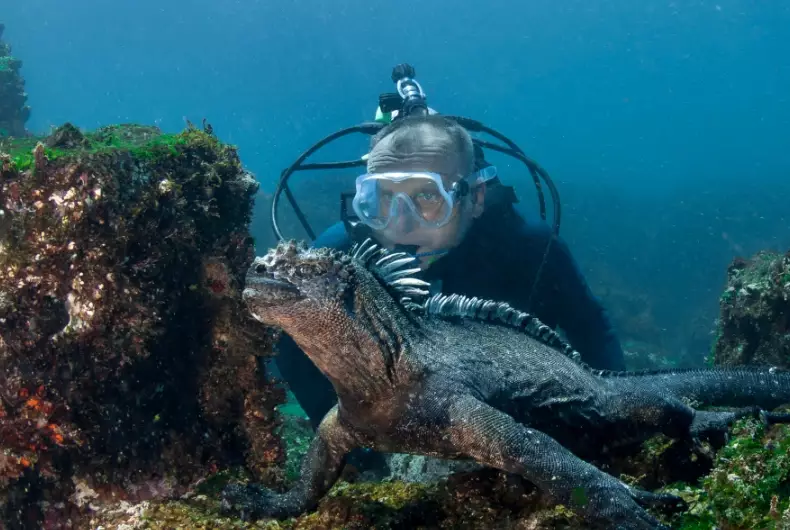
| 9 | Galápagos Islands (Wolf & Darwin) | Galápagos, Ecuador | Hammerhead shark schools, whale sharks, marine iguanas | Bucket-list pelagic encounters, liveaboard adventures | Expert |
| 10 | USAT Liberty Wreck | Tulamben, Bali, Indonesia | Easy shore dive on a WWII wreck, incredible macro life | Beginners, night divers, macro photography | Easy |
That's just the top ten to give you a taste.
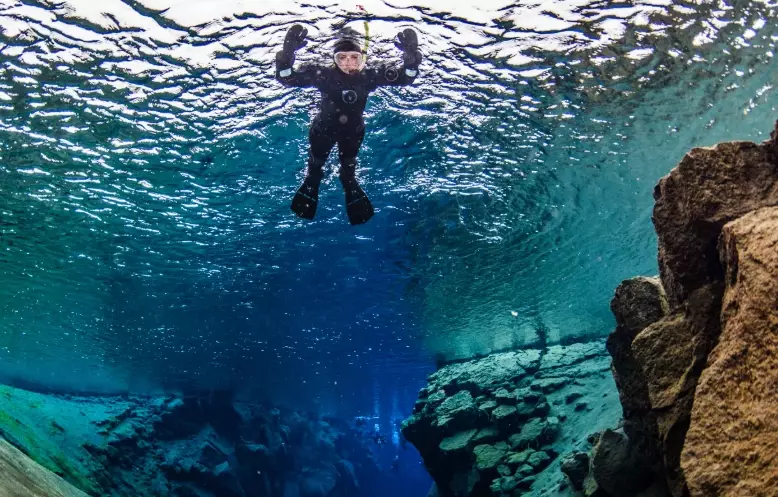
The full list of the top 50 dive sites in the world includes gems from every corner of the planet: the chilly kelp forests of California's Monterey Bay (home to playful sea otters), the eerie, beautiful Silfra Fissure in Iceland where you can touch two continental plates, the vibrant coral gardens of the Philippines' Tubbataha Reefs, and the sardine run in South Africa, a frenzy of predators and prey that's pure underwater chaos in the best way.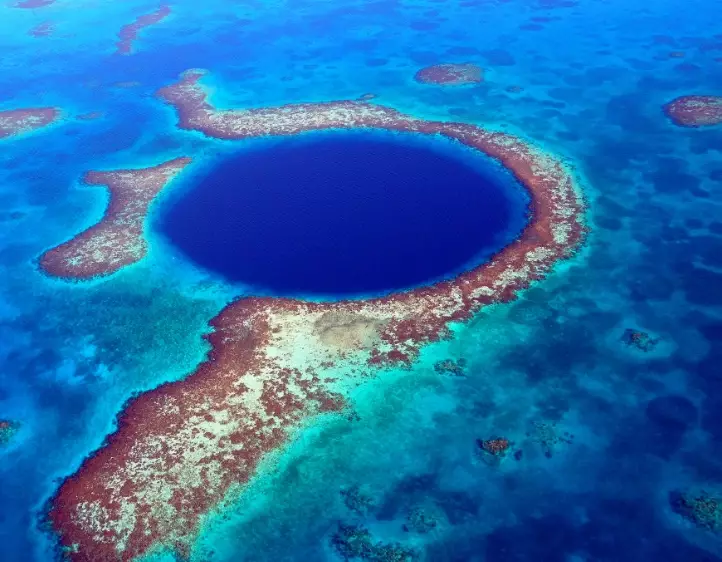
Breaking Down the Best of the Best
Looking at that big table can still be a lot. Let's group some of these top 50 dive sites in the world by what they're famous for. This might help you narrow down your choices based on what you really want to see.
For Coral Reef Lovers & Biodiversity
If your happy place is a bustling, colorful reef crammed with life, these are your destinations. Raja Ampat is the undisputed king here. Scientists from organizations like Conservation International have documented it as having the highest recorded marine biodiversity on Earth. We're talking over 1,500 species of fish and 75% of the world's known coral species. It's mind-blowing. Other standouts in this category include:
- Palau's Blue Corner: A famous wall dive where you hook in and watch the parade of sharks, Napoleon wrasse, and eagles rays go by. The current can be fierce, but that's what brings the big stuff.
- Tubbataha Reefs Natural Park, Philippines: A remote, UNESCO-protected atoll only accessible by liveaboard. The reefs are pristine, the walls are dramatic, and you have a great chance of seeing sharks and mantas.
- The Great Barrier Reef, Australia (Specific Sites like Cod Hole): Look, parts of the GBR have suffered, which is a heartbreaking reality of our time. But in the northern, more remote sections, you can still find breathtakingly healthy reefs. Sites like Cod Hole, where giant potato cod will eat out of your hand (ethically questionable, but historic), are legendary.
For Wreck Diving Enthusiasts
There's something hauntingly beautiful about a shipwreck. It's history frozen in time, now home to a new ecosystem. The top 50 dive sites in the world list has some absolute gems for wreck lovers.
The SS Yongala in Australia is often called the best wreck dive in the world. Sunk in 1911, it's now a colossal artificial reef. The amount of life on it is staggering—giant gropers, massive schools of trevally, sea snakes, and rays. It's in open water, so conditions can be challenging, but it's worth it.
The Thistlegorm in the Red Sea is a time capsule. You can swim through holds full of Bedford trucks, Bren carriers, motorcycles, and even railway locomotives. It's a four-dimensional history lesson. For something completely different, the intentionally sunk USS Spiegel Grove in Florida is a massive warship you can spend multiple dives exploring.
For Big Animal Action & Pelagics
Want your heart to race? These sites are where you go to see the ocean's giants. It's not a zoo; sightings are never 100% guaranteed, but at these spots, the odds are in your favor.
Galápagos Islands: This is the holy grail for big animal divers. At remote pinnacles like Darwin and Wolf, you can see hundreds of scalloped hammerhead sharks schooling in the blue. Whale sharks (seasonally), Galápagos sharks, and massive manta rays are also on the menu. The diving here is advanced—strong currents, cold water, and often low visibility. It's a tough but incredibly rewarding environment. The Galapagos Conservancy details the unique challenges of conserving this fragile ecosystem.
Socorro Islands, Mexico: Known as "Mexico's Galápagos," these remote islands are famous for friendly, curious giant manta rays that will interact with divers, as well as dolphin pods, humpback whales (in season), and shark action.
South Africa's Sardine Run: (Seasonal, June-July): This isn't a single site, but an event. Billions of sardines migrate up the coast, followed by a feeding frenzy of dolphins, sharks, whales, and seabirds. Diving into the middle of a "bait ball" is one of the most intense experiences on the planet.
Planning Your Trip: Beyond the "Top 50" Label
So you've picked a site (or five) from the top 50 dive sites in the world list. Now what? The dream is one thing; the logistics are another. Let's talk brass tacks.
When to Go & Seasonality
This is huge. Going at the wrong time can mean missing the main event or battling terrible weather. For example:
- Manta Rays in Kona: You can see them year-round, but the night dive is a sure thing because dive operators use lights to attract plankton, which attracts the mantas.
- Whale Sharks: In Isla Mujeres, Mexico, peak season is summer. In the Maldives, it varies by atoll. In Ningaloo Reef, Australia, it's March to July. Do your specific research.
- Water Temperature: A place like the Galápagos is drizzly and cooler from June to November, but that's when the nutrient-rich water brings the hammerheads. You trade blue water for animal action.
What Level of Diver Are You?
Be brutally honest with yourself. I've seen advanced divers struggle in strong currents they weren't prepared for, and I've seen new divers have a miserable time because they were in over their head (literally).
For many of the top 50 dive sites in the world, especially the pelagic hotspots, operators will require a minimum number of logged dives (often 50-100+) and sometimes proof of experience in similar conditions (currents, cold water, deep diving). They're not being elitist; they're keeping you safe.
Liveaboard vs. Day Trips
For remote, pristine sites, a liveaboard is often the only way. Think Galápagos, Socorro, Raja Ampat's far-flung islands, or Tubbataha. You pay more, but you get 4-5 dives a day, access to sites day-trippers never see, and a full immersion in the diving lifestyle. For sites closer to shore (most of the Caribbean, Southeast Asia's coastal sites), day trips from a resort are perfect and more budget-friendly.
Common Questions About the Top 50 Dive Sites
Q: I'm an Advanced Open Water diver with 30 dives. Can I dive the Great Blue Hole?
A: Technically, yes, many operators will take you. But should you? The dive itself is mostly a slow descent to about 40 meters/130 feet to see the stalactites, followed by a long safety stop. It's a deep, relatively featureless dive until you get deep. If you're not super comfortable with buoyancy, narcosis, and deep diving procedures, it can be disorienting and stressful. My advice? Get more deep diving experience first. There are amazing dives all over Belize that are more rewarding for an intermediate diver.
Q: Which is better for a first-time liveaboard: the Maldives or the Red Sea?
A: Depends on your focus. The Red Sea (Egyptian itineraries) is generally cheaper, has incredible wrecks and reefs, and is great for divers who want a mix of history and marine life. The currents can be strong. The Maldives is all about channel drifts, pelagic life (mantas, sharks), and stunning atolls. It's often more expensive. For a first-timer, a classic Red Sea wrecks and reefs itinerary might be slightly less intimidating and more varied.
Q: How can I ensure my visit doesn't harm these fragile sites?
A> This is the most important question. Always practice perfect buoyancy—never touch anything. Use reef-safe sunscreen (mineral-based). Choose operators with clear environmental policies. Don't chase or harass marine life. Consider supporting operators involved in citizen science or coral restoration. The Project AWARE website has great resources for responsible diving practices. Remember, we're visitors in their home.
The Final Splash
Compiling this list of the top 50 dive sites in the world just reinforces how incredibly diverse our oceans are. From the macro wonderland of a muck dive in Indonesia to the awe-inspiring scale of a hammerhead school in the Galápagos, there's a perfect dive out there for every personality and skill level.
The key is to match the site to your experience, your interests, and your budget. Don't just chase the "#1" spot because it's famous. The ninth-ranked site on someone's list might be the absolute #1 experience of your life because it's exactly what you wanted.
Use this guide as a starting point. Dig deeper into the regions that call to you. Talk to divers who have been there. And start saving for that next tank of air—adventure awaits.
See you underwater.
Comments