Guide Highlights
- Forget the “Extreme” Lists: What Makes a Truly Great Beginner Dive Site?
- The World Tour: Top Regions and Their Beginner Gems
- Let's Compare: A Quick-Reference Table
- Before You Book Anything: The Non-Negotiable Prep Work
- Answering the Nervous Questions in Your Head
- Wrapping It Up: Your Path to the First Amazing Dive
Let's be honest. Scrolling through photos of divers floating in crystal blue water next to whale sharks or hovering over endless coral gardens is what probably got you here. It looks magical, peaceful, and incredibly cool. But then the reality hits: you're new to this. The thought of your first open water dive can be equal parts thrilling and terrifying. Where do you even start? You don't want to be thrown into a raging current on your first try. You want beauty, sure, but you also need safety, calm water, and a patient guide.
That's exactly why finding the best dive sites in the world for beginners is so crucial. It's the difference between a lifelong passion and a one-time, stressful experience you'd rather forget.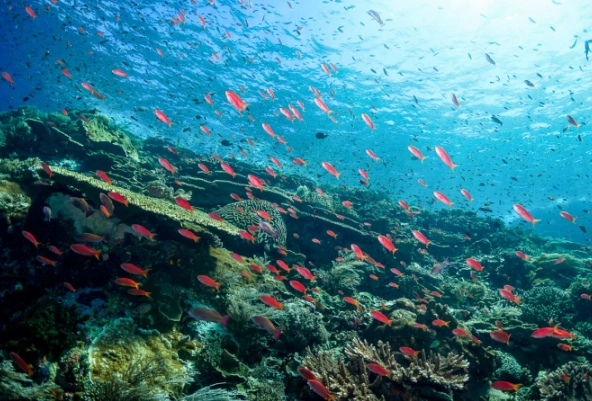
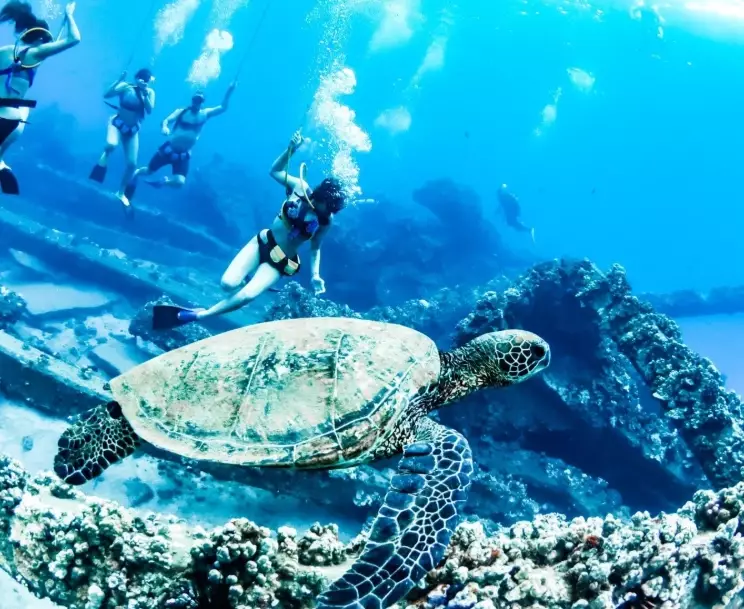
I remember my first non-training dive. My instructor took me to a spot known for its gentle sandy slope and resident turtle. Seeing that turtle munching on seagrass, completely unbothered by my clumsy fin kicks, was the moment I was hooked. It wasn't the deepest or most dramatic dive, but it was perfect. It gave me confidence. That's what you're looking for.
• Calm Conditions: Minimal current, gentle surges. You have enough to think about without fighting the water.
• Great Visibility: Being able to see your buddy, your guide, and the bottom is a huge confidence booster.
• Easy Access: A beach entry or a short, calm boat ride is ideal. Rolling backwards off a boat in big swell is an advanced move.
• Professional Infrastructure: Reputable dive centers with guides who are used to new divers. This is non-negotiable.
• Interesting but Forgiving Life: Colorful coral, friendly fish, maybe a turtle or a harmless ray. Not 20-foot deep walls or curious sharks (save that for later!).
Forget the “Extreme” Lists: What Makes a Truly Great Beginner Dive Site?
You'll see a lot of “top 10” lists that include places like the Blue Hole in Belize. Let me stop you right there. The Blue Hole is an iconic, advanced deep dive with stalactites and sharks. It is emphatically not one of the best dive sites in the world for beginners. Including it is a disservice. We're not here for bucket-list bragging rights; we're here to set you up for success.
A true beginner site has a shallow reef or sandy area, often called a “house reef,” right off a beach. This lets you practice your buoyancy (that's the skill of not crashing into coral or shooting up to the surface) in a safe, confined area. Depth is your friend when you're learning—staying between 10 and 18 meters (30-60 feet) means more bottom time, less pressure on your ears, and a shorter ascent if anything feels off.
Water temperature matters too. Shivering in a 22°C (72°F) wetsuit while trying to remember your hand signals is no fun. Warmer tropical waters (26°C/79°F and above) mean you can often dive in just a rash guard or a thin wetsuit, making you more comfortable and mobile.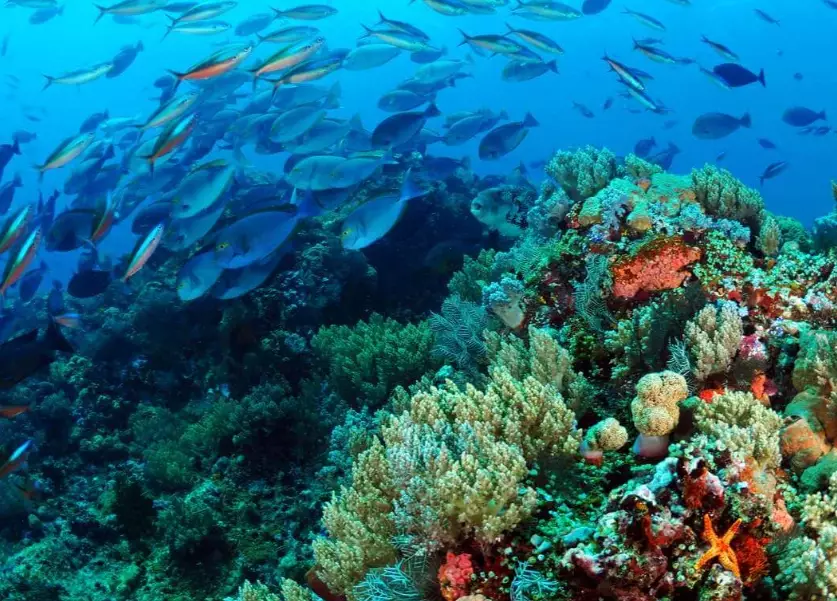
The World Tour: Top Regions and Their Beginner Gems
Instead of just listing sites, let's talk regions. Certain parts of the world are practically designed for new divers, with whole archipelagos and coastlines offering perfect conditions. Here’s a breakdown of the top contenders.
The Caribbean & Bahamas: Consistency is King
For North and South Americans, the Caribbean is the obvious first stop. The water is warm year-round, visibility is usually stellar, and English is widely spoken. The pace of life is slow, and so is the diving. It's predictable in the best way possible.
Roatán, Bay Islands, Honduras: The western side of Roatán is protected by the Mesoamerican Barrier Reef. Sites like West Bay Wall and Half Moon Bay offer shallow coral gardens starting at just 5 meters. The reef is close to shore, so boat rides are short. You'll see tons of parrotfish, angelfish, and maybe a friendly grouper. I found the dive operations here, many of which are affiliated with resorts, to be exceptionally beginner-friendly.
Bonaire: Called the “Shore Diving Capital of the World.” This is unique. You literally rent a truck, load your tanks, and drive to marked dive sites along the coast for a DIY beach entry. Sounds advanced? For some sites, yes. But for beginners, sites like 18 Palms or Something Special are protected, shallow, sandy entries with abundant life just a few fin kicks from shore. The freedom is amazing, but go with a guide first. The island's official tourism site, Tourism Bonaire, has great resources on responsible diving practices.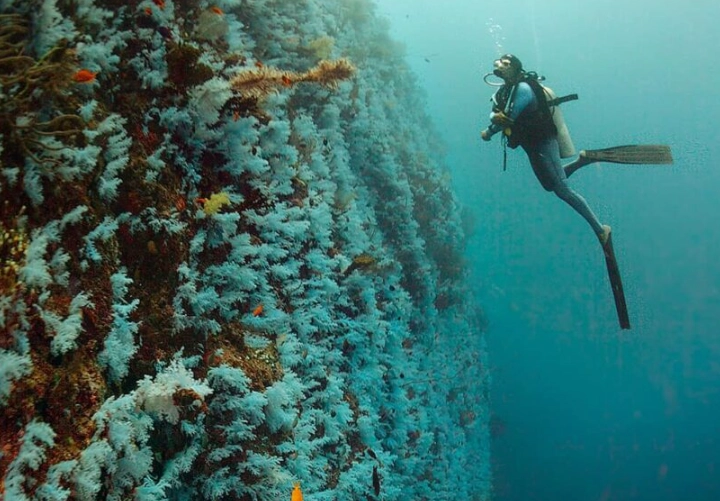
The Red Sea: House Reef Heaven
Egypt's Red Sea, particularly the Sinai Peninsula, is a budget-friendly paradise from Europe and the Middle East. The marine life is dense and colorful, and the coral is some of the hardiest in the world.
Sharm el-Sheikh, Egypt: Places like Naama Bay have incredible house reefs. You can walk in from the beach and be over coral teeming with life in minutes. Sites like Ras Um Sid or Tower are gentle, sloping reefs perfect for a first dive. The sheer density of fish is astonishing. Liveaboards (trips on a boat you sleep on) are popular here, but as a beginner, stick to day boats from the shore to avoid being stuck on an itinerary that might go to advanced sites.
Dahab, Egypt: More laid-back than Sharm. Its most famous site, the Blue Hole, is a deep, dangerous sinkhole for tech divers. Ignore it. Instead, head to The Canyon or Eel Garden—sandy, shallow areas with playful marine life that are absolutely among the best dive sites in the world for beginners on a budget.
Southeast Asia: The Biodiversity Bonanza
If your dream is to see weird and wonderful creatures, this is your spot. The water is bath-warm, and the value for money is outstanding.
Gili Trawangan, Indonesia: The Gilis are famous for their turtle population. Sites like Hans Reef or Deep Turbo are shallow, current-free, and almost guarantee turtle encounters. I must have seen a dozen on my first dive there. They're used to divers and just go about their business. The vibe on the island is ultra-chill, perfect for after-dive beers and comparing notes.
Koh Tao, Thailand: This island certifies more new divers than perhaps anywhere else on earth. That means the entire economy is built around beginners. Sites like Japanese Gardens or Twins are purpose-built training sites: shallow, sandy bottoms with scattered coral bommies to practice navigation around. It can feel a bit like diving in a classroom sometimes, with students everywhere, but the support system is unmatched. The conservation group Save Koh Tao is a great example of the local dive community's commitment to the reef.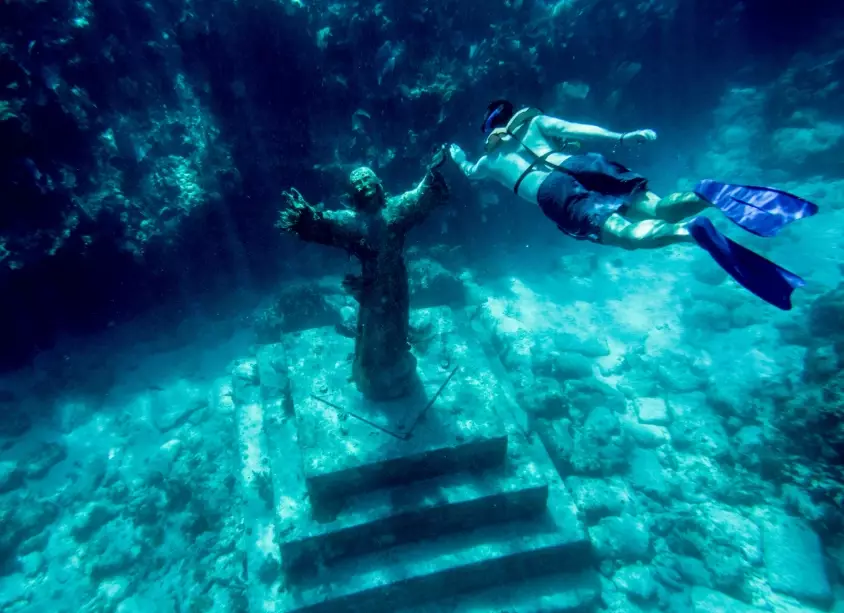
Mabul Island, Malaysia (Sipadan area): Sipadan itself is advanced, with strong currents and deep walls. But the nearby island of Mabul is a muck-diving paradise in shallow, sandy water. You won't see big pelagics, but you'll see more bizarre critters—frogfish, ghost pipefish, ornate mimic octopuses—than you can count. It's like a treasure hunt. Perfect for buoyancy practice and learning to spot the small stuff.
The Great Barrier Reef, Australia: The Big One
It's the poster child for diving, and yes, there are parts of it that are fantastic for beginners. The key is to avoid the outer reef day trips from Cairns, which can be long, rough rides to sites that are sometimes degraded.
Instead, head to the Whitsunday Islands or Lady Elliot Island. These are part of the GBR but offer protected lagoons and reef flats. Lady Elliot is especially magical for beginners—you can snorkel or dive in the lagoon with manta rays right off the beach. The Great Barrier Reef Marine Park Authority (GBRMPA) website is an authoritative resource for understanding the reef's ecology and how to choose a responsible operator.
Let's Compare: A Quick-Reference Table
This table should help you narrow down based on what's most important to you for your first diving adventure.
| Region/Spot | Best For | Water Temp & Vis | Typical Marine Life | Beginner Vibe Note |
|---|---|---|---|---|
| Roatán, Honduras | Easy reef diving, short boat rides, all-inclusive resorts | Warm (26-29°C), Excellent Vis (20-30m) | Colorful corals, parrotfish, angelfish, occasional turtles | Very structured and safe; great for total first-timers. |
| Bonaire | Adventurous beginners who want freedom, shore diving | Warm (26-28°C), Very Good Vis (18-25m) | Macro life, seahorses, tarpon, healthy corals | More independence required. Best after 5-10 dives. |
| Sharm el-Sheikh, Egypt | Vibrant coral walls & gardens, budget-friendly from Europe | Warm (22-28°C), Good Vis (15-25m) | Dense fish clouds, lionfish, moray eels | Can be busy. Stick to the designated beginner sites. |
| Koh Tao, Thailand | Getting certified cheaply, social backpacker atmosphere | Very Warm (28-30°C), Variable Vis (5-15m) | Reef fish, occasional barracuda, whale sharks (rare) | The “diver factory.” Excellent training, can feel crowded. |
| Gili T, Indonesia | Guaranteed turtle action, ultra-relaxed island life | Very Warm (28-30°C), Good Vis (15-20m) | TURTLES, reef sharks, bumphead parrotfish | Perfect post-certification fun dive destination. |
| Lady Elliot, Australia | A pristine, eco-focused GBR experience, manta rays | Mild-Warm (22-26°C), Excellent Vis (20m+) | Manta rays, turtles, reef sharks, nesting birds | Higher cost, but a unique, uncrowded eco-lodge feel. |
See? Choosing the right one depends on your travel style and what you want to see. There's no single “best,” but there is a best one *for you*.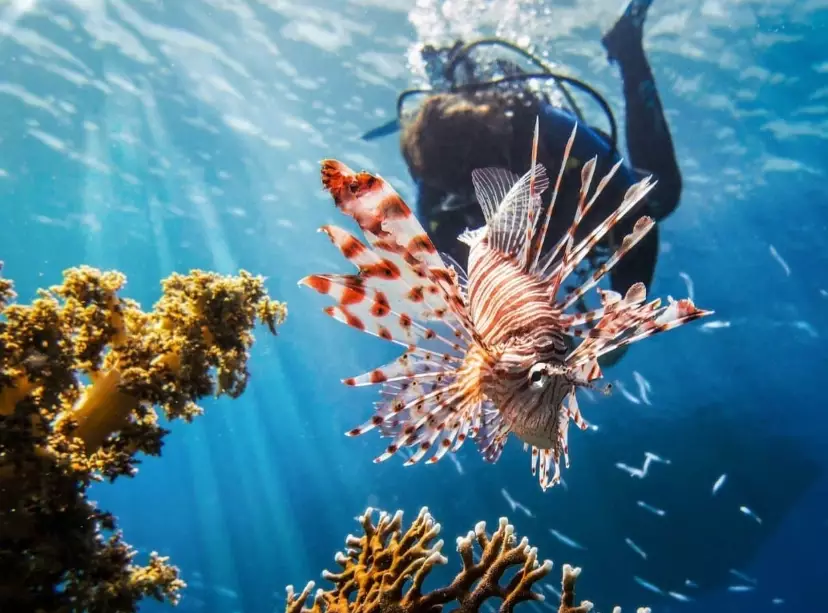
Before You Book Anything: The Non-Negotiable Prep Work
Finding the site is half the battle. The other half is being prepared. Diving isn't like booking a snorkeling trip.
Get Certified First (Or Do a Referral)
You need an Open Water Diver certification from a recognized agency like PADI, SSI, or NAUI. This isn't a scam; it's vital safety training. You learn how your gear works, how to equalize your ears, what to do if something goes wrong, and how to interact with the underwater world responsibly. You can do the theory and pool sessions at home, then do the “open water checkout dives” at your dream destination (this is called a referral). It's a fantastic way to learn.
How to Vet a Dive Operator: Red and Green Flags
This is the most important research you'll do.
- Green Flag: They ask about your certification level, logbook count, and last dive date before quoting a price.
- Red Flag: They say “every site is fine for beginners” or offer prices drastically lower than everyone else.
- Green Flag: Their website talks about small groups (4-6 divers per guide), marine conservation, and has photos of their actual boats/gear.
- Red Flag: They promise to take you to the most famous (and often advanced) site in the area on your first dive.
Don't be shy. Email them. Ask: “I am a newly certified diver with X dives. Which of your daily sites would you recommend for someone with my experience?” A good shop will give you a thoughtful answer.
Gear: To Bring or Not to Bring?
As a beginner, rent the big stuff (tank, BCD, regulator, wetsuit) from the dive center. They maintain it, and it's one less bag to haul. However, investing in a few personal items dramatically improves comfort and hygiene:
- Mask, Snorkel, and Fins: A mask that fits your face perfectly is a game-changer (no leaks!). Try it on without the strap—it should suction to your face with gentle inhaling. Fins that fit well prevent blisters.
- Dive Computer: This is your underwater brain. It tells you how deep you are, how long you've been down, and when you need to surface. While shops often rent them, having your own means you learn one interface. Even a basic model is a huge confidence booster. It makes you an active participant in your safety.
- Surface Marker Buoy (SMB): A bright tube you inflate at the surface to signal the boat. A responsible diver's tool. Ask your instructor to show you how to deploy it.
Answering the Nervous Questions in Your Head
Wrapping It Up: Your Path to the First Amazing Dive
So, the journey to finding your perfect best dive sites in the world for beginners spot looks like this:
First, get certified or set up a referral. That's your ticket. Then, pick a region that matches your travel style—the structured Caribbean, the biodiverse Asia, or the iconic Australia. Choose a specific spot from the list above known for its gentle conditions. Research and book with a reputable, communicative dive center that caters to new divers. Invest in a good mask, snorkel, fins, and consider a computer. Pack your patience and a sense of wonder.
Finally, remember this: every expert diver was once a beginner hovering nervously over their first coral head. They all remember that first perfect dive. The goal isn't to be Jacques Cousteau on day one. The goal is to have a safe, enjoyable, and awe-inspiring experience that makes you want to do it again. That's how you find the best dive sites in the world for beginners—they're the ones that give you the gift of confidence along with the beauty.
Now go take that first breath. The water's fine.

Comments