Quick Navigation
Let's be honest. Every diver has that mental list. That dream list of places you'd sell a kidney to dive (not literally, of course). The spots you see in documentaries and glossy magazines. The ones that make your Instagram feed look painfully boring. Well, I've been lucky enough to tick off a good chunk of that list over the years, and I've talked to countless guides, instructors, and fellow addicts about the rest.
So, I sat down and wrestled with the impossible task of narrowing it down to just twenty. It's brutal. Leaving out some incredible places felt wrong. But the goal here is to create a definitive, actionable bucket list for serious divers. This isn't just a list of nice spots; this is the crème de la crème, the places that define what scuba diving is all about. We're talking about the top 20 dive sites in the world, the ones that consistently deliver mind-blowing experiences.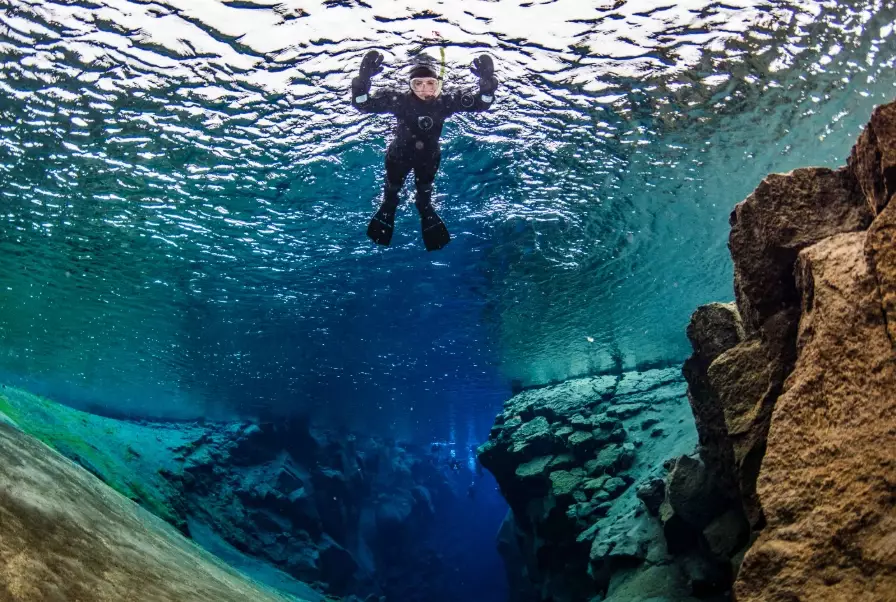
How We Chose the World's Best Dives
Picking the top 20 dive sites in the world isn't like picking your favorite ice cream. There's a method to the madness. I looked at a few key things beyond just pretty fish.
First, biodiversity is king. A site teeming with life from the big guys (sharks, mantas, whales) down to the tiny, weird critters (pygmy seahorses, nudibranchs) scores highly. Second, the underwater landscape matters. Is it a sheer wall dropping into the abyss? A stunning coral garden? A creepy wreck? Third, reliability. A site that's amazing one week and dead the next doesn't make a world-class list. We want places known for consistent action. Finally, there's the unique factor. Does it offer something you simply cannot see anywhere else on Earth?
I also factored in accessibility and suitability for different skill levels. Some of these sites are for advanced divers only, and I'll be very clear about that. Safety first, always.
Okay, enough setup. Let's get wet.
The Definitive List: Top 20 Dive Sites in the World
Here it is. The main event. I've presented this as a table because, frankly, it's the easiest way to compare these heavy-hitters at a glance. Think of it as your cheat sheet for dive trip planning.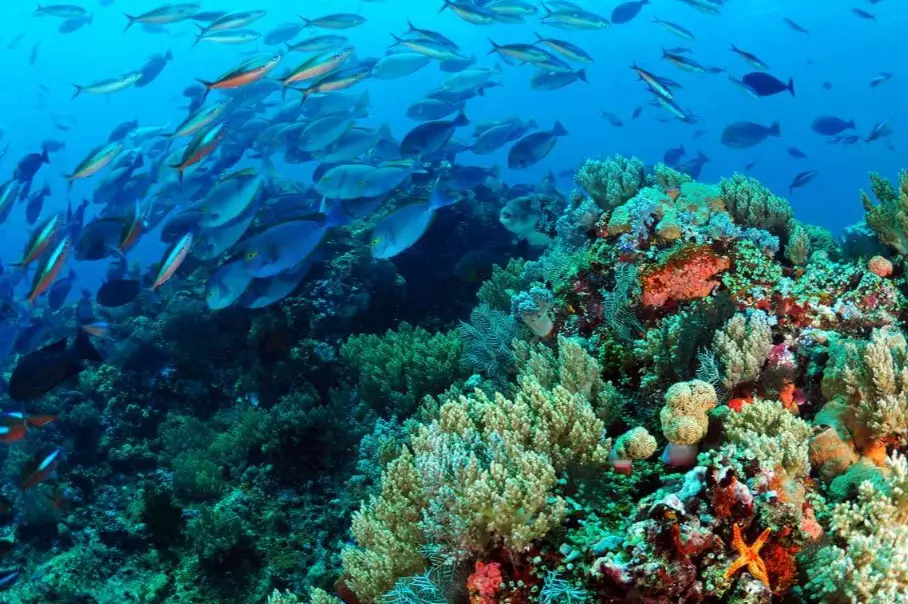
| Rank | Dive Site Name | Location | Key Attraction | Best For |
|---|---|---|---|---|
| 1 | Richelieu Rock | Thailand (Similan Islands) | Guaranteed whale shark sightings (in season), massive schools of fish, stunning pinnacle. | Advanced divers, macro & mega fauna lovers. |
| 2 | Blue Corner Wall | Palau (Micronesia) | Unbelievable shark action (grey reef, white tip), strong currents, hook-in diving. | Advanced/current-savvy divers. |
| 3 | Great Blue Hole | Belize | Iconic geological formation, deep dive stalactites, eerie atmosphere. | Advanced/deep divers (it's a deep dive!). |
| 4 | Manta Ray Night Dive | Kona, Hawaii, USA | Up-close encounters with feeding manta rays, night dive spectacle. | All levels (guided night dive). |
| 5 | SS Yongala Wreck | Queensland, Australia | Often called the best wreck dive in the world, colossal marine life magnet. | Advanced divers (strong currents possible). |
| 6 | Barracuda Point | Sipadan Island, Malaysia | Famous for swirling tornadoes of barracuda, constant turtle action, pristine reefs. | Advanced divers. |
| 7 | Shark & Yolanda Reef | Ras Mohammed, Egypt | Sheer abundance of life, sharks, drift dive, iconic currents. | Intermediate to advanced divers. |
| 8 | Mola Mola Dive Sites | Nusa Penida, Bali, Indonesia | Chance to see the bizarre oceanic sunfish (Mola mola), strong currents. | Advanced divers only. |
| 9 | Cod Hole | Great Barrier Reef, Australia | Friendly, massive potato cod, classic Great Barrier Reef biodiversity. | Intermediate divers. |
| 10 | Silfra Fissure | Thingvellir, Iceland | Dive between tectonic plates, 100m+ visibility, glacial water. | Dry suit certified divers (it's 2°C!). |
| 11 | Bloody Bay Wall | Little Cayman, Cayman Islands | Sheer vertical wall starting at 6m, incredible coral, reliable visibility. | All levels (wall diving). |
| 12 | Elphinstone Reef | Marsa Alam, Egypt | Long, narrow reef famous for oceanic whitetip sharks (seasonal). | Advanced divers (open ocean). |
| 13 | Muck Diving Sites | Lembeh Strait, Indonesia | Critter capital of the world. Frogfish, mimic octopus, hairy frogfish—you name it. | Macro photographers, critter hunters. |
| 14 | Thistlegorm Wreck | Red Sea, Egypt | History-packed WWII wreck with trucks, motorbikes, and artifacts. | Intermediate to advanced wreck divers. |
| 15 | Gordon Rocks | Galapagos Islands, Ecuador | "The washing machine." Hammerhead sharks, Galapagos sharks, thrilling currents. | Expert divers only (serious currents). |
| 16 | Cathedral | Lauro Island, Mozambique | Breathtaking swim-throughs, arches, and light beams. Pure underwater architecture. | Intermediate divers. |
| 17 | Shark Reef | Beqa Lagoon, Fiji | Controlled shark feeding dive with bull sharks, tiger sharks (seasonal), and more. | Adrenaline seekers (it's intense!). |
| 18 | Koh Tao Sail Rock | Gulf of Thailand | Iconic chimney swim-through, great for training, reliable marine life. | Beginner to intermediate divers. |
| 19 | Poor Knights Islands | Northland, New Zealand | Sub-tropical water, unique species, caves, arches. A hidden gem. | All levels. |
| 20 | Cocos Island | Costa Rica | Remote, liveaboard-only. Massive schools of hammerheads, mantas, dolphins. | Advanced divers on liveaboards. |
See what I mean? Just reading that gets the heart pumping. But a table only tells part of the story. Let's dig deeper into a few of these legends and what makes them so special. This is where we move from a list to a real guide.
Deep Dives on a Few Must-See Sites
Richelieu Rock (Thailand): The Whale Shark Magnet
Topping many lists of the top 20 dive sites in the world, Richelieu Rock is a solitary pinnacle in the Andaman Sea. It's not easy to get to—you need a liveabboat from the Similan or Surin Islands—but oh boy, is it worth it. During the right season (roughly February to April), the chance of seeing whale sharks here is higher than almost anywhere else. I did a trip there once where we saw three different individuals over two days. It's not just about the giants, though. The rock itself is covered in colorful soft corals, and the fish life is staggering—giant trevally, barracuda, and massive schools of snapper. The currents can be strong, which is what brings in the big stuff, so it's best suited for divers with some experience.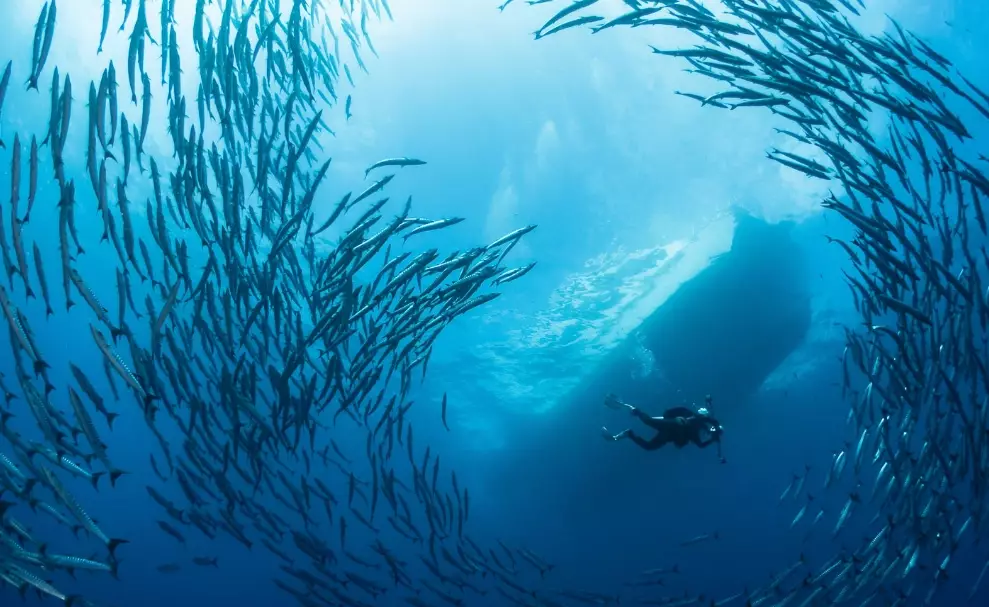
Blue Corner (Palau): The Adrenaline Rush
If you want to feel like a tiny speck in a vast, shark-filled ocean, Blue Corner is your spot. This is not a gentle dive. You typically use a "reef hook" to attach yourself to the coral ledge and hover in the current as the marine life parades by. Grey reef sharks are almost guaranteed, often in double digits. You'll see Napoleon wrasse, eagle rays, and schools of jacks. The first time I did it, my eyes didn't know where to look. It's a masterclass in current diving and a pure predator-dominated ecosystem. The professional dive guides in Palau are some of the best in the world at managing these dynamic sites safely. You can learn more about Palau's unique marine protected area, which is a big reason the diving is so good, through resources from the Palau Government.
SS Yongala (Australia): The Wreck That's Alive
Sitting in the sandy bottom of the Coral Sea for over a century, the SS Yongala isn't just a wreck; it's an artificial reef that has become one of the most biodiverse spots in Australia. The wreck itself is huge, but you're often so distracted by the life on it that you forget it's a ship. Giant Queensland grouper, massive schools of trevally, sea snakes, turtles, and bull rays are all regulars. The visibility is usually excellent. I remember descending and seeing the shadow of the wreck from 20 meters away, surrounded by fish so thick they blurred the outline. It's a powerful, awe-inspiring dive that lives up to every bit of its reputation as a top-tier world dive site.
It's a protected historic shipwreck, and its management is a good example of sustainable dive tourism. For authoritative information on its history and protection status, the Australian Government's Department of Climate Change, Energy, the Environment and Water has detailed records.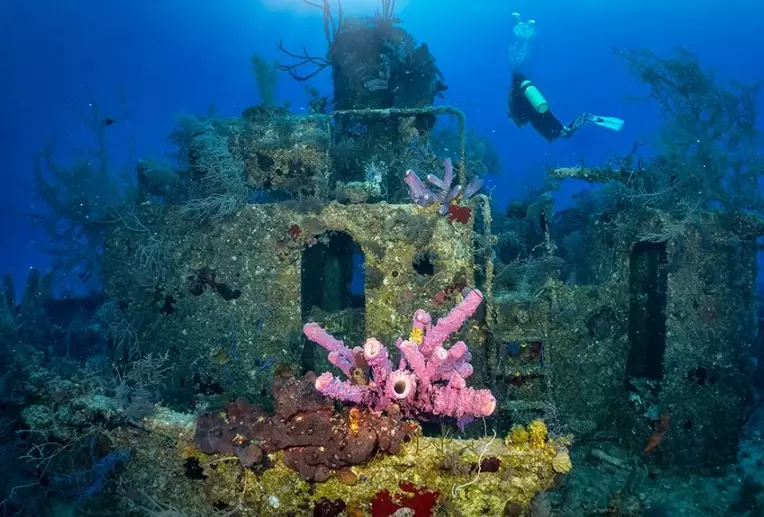
Silfra (Iceland): The Otherworldly Crack
This one is completely different. Forget warm water and colorful fish. Silfra is about geology and water clarity so perfect it feels like you're floating in air. You're diving in the crack between the North American and Eurasian tectonic plates. The water is glacial melt, filtered through porous lava rock for decades, resulting in visibility that often exceeds 100 meters. It's cold—you'll be in a dry suit—but the experience is surreal. You can literally touch two continents at once. It's a must for any diver looking to expand their horizons beyond coral reefs. It's a unique entry on any list of the top 20 dive sites in the world because it redefines what a dive can be.
Planning Your Trip: It's More Than Just Picking a Spot
Dreaming is easy. Actually planning a trip to one of these top 20 dive sites in the world takes some thought. You can't just book a flight to "Palau" and show up.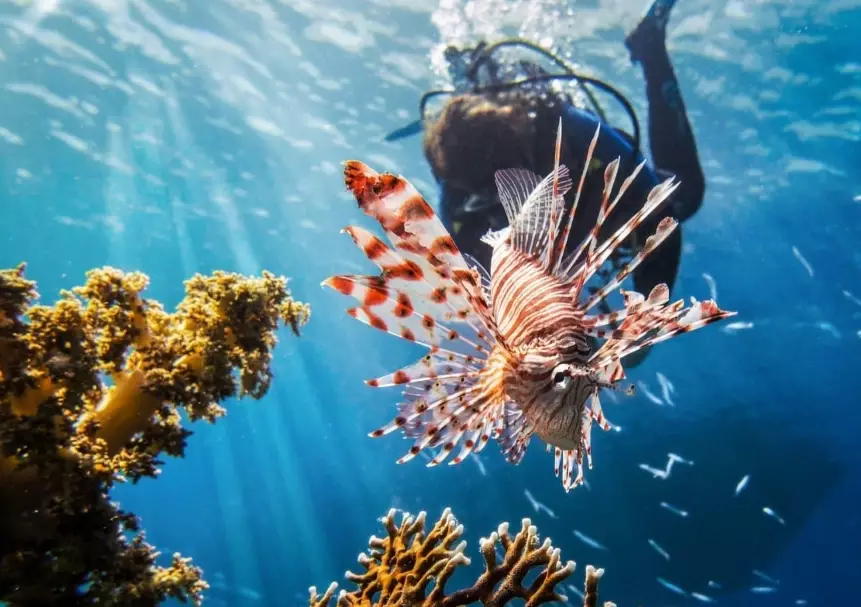
First, be brutally honest about your skill level. Sites like Gordon Rocks (Galapagos) or Elphinstone (Egypt) demand excellent buoyancy, air consumption, and comfort in strong currents. Diving them before you're ready is dangerous and ruins the dive for everyone. Consider doing a current-specialty course or a liveaboard trip in milder currents first to build skills.
Second, think about the trip type. Many of these sites, especially the remote ones (Cocos Island, Galapagos, Truk Lagoon), are almost exclusively accessed via liveaboards. These are week-long commitments on a boat. Others, like many in Egypt or Thailand, can be done from land-based resorts. What's your preference and budget?
Third, don't overlook the non-diving details. Visa requirements, travel insurance that covers diving (and evacuation!), and vaccination needs are critical. For reliable travel health information, the U.S. Centers for Disease Control and Prevention (CDC) travel pages are an excellent resource.
My personal strategy? I pick one "big" bucket-list trip every few years and supplement with smaller, closer trips in between. It makes the planning part of the fun.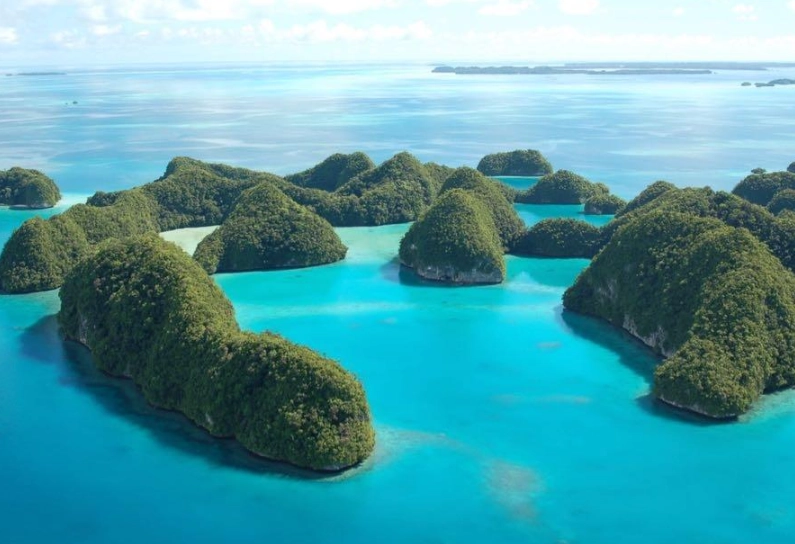
Answers to Your Burning Questions (FAQ)
Final Thoughts Before You Go
Compiling this list of the top 20 dive sites in the world was a reminder of how incredibly diverse and rich our oceans are. From the frantic shark action of the Pacific to the silent, crystalline fissures of Iceland, each site offers a unique window into another world.
The goal isn't to dive them all (though that's a fantastic life goal). The goal is to use a list like this as inspiration. To push your skills so you're ready for the advanced ones. To save up for that dream liveaboard. To understand what makes a dive site truly legendary.
Start with one. Do your research, book with a reputable operator, and go in with your eyes wide open. Respect the ocean, respect the locals, and dive within your limits.
That's how you turn a dream from a list into a memory that lasts a lifetime. Now, go check your gear. Your next adventure is waiting.
Comments