Your Dive Journey Map
- Why a "Top 100" List? And How to Use This One
- A World of Wonders: Breaking Down the Top 100 by Region & Experience
- So, Where's the Full List of 100?
- Planning Your Trip to a World-Class Dive Site
- Beyond the List: Diving Responsibly
- Frequently Asked Questions (The Stuff You Actually Google)
- Final Thoughts: Your List is Personal
Let's be honest. Every diver has that dream list. That mental scrapbook of places you see in magazines, hear about from buddies with enviable Instagram feeds, and promise yourself you'll get to one day. The top 100 dive sites in the world represent that collective bucket list—the crème de la crème of underwater adventures. But here's the thing that always bugged me about most "top 100" lists. They're just that: lists. A name, maybe a location, and a one-line teaser. How are you supposed to plan a trip, let alone decide where to spend your hard-earned money and precious vacation days, from just that?
I remember sitting down years ago, frustrated, trying to plan a big dive trip. I had three different "top 100 dive sites in the world" articles open, and none of them told me what I really needed to know. Was it good for beginners? What time of year do you avoid the rain? Is it all about sharks, or macro life, or pristine corals? I had to dig through a dozen forums to get answers.
So, this isn't just another list. Think of this as your planning companion. We're going to break down what makes these sites legendary, give you the practical nitty-gritty, and honestly, talk about some of the downsides too. Because not every legendary site is right for every diver, and that's okay.
What makes a site "top 100"? It's a mix of sheer beauty, biodiversity, uniqueness (like a crazy wreck or a wild current), and that intangible "wow" factor that leaves you speechless on the boat ride back. It's the sites that consistently blow the minds of both newbies and grizzled dive pros.
Why a "Top 100" List? And How to Use This One
You might wonder, why even aim for a hundred? It feels arbitrary. But it forces the conversation beyond the same 10 iconic spots everyone knows. It pushes us to explore lesser-known gems and diverse ecosystems. A true top 100 dive sites in the world collection should showcase the incredible variety our oceans offer—from frozen kelp forests to warm, coral-filled basins.
This guide is structured to help you choose, not just dream. We'll group sites by region and type, give you key details at a glance, and then dive deeper (pun intended) into what the experience is really like. We'll also tackle the big questions you should ask before booking.
Let's get our feet wet.
A World of Wonders: Breaking Down the Top 100 by Region & Experience
Listing 100 sites one after another is a surefire way to make your eyes glaze over. Instead, let's categorize. This way, if you're planning a trip to Southeast Asia, you can zoom in. If you live for shark encounters, you know where to look.
Warm, clear water and easy access make this a playground for divers of all levels. You'll find stunning walls, swim-throughs, and historic wrecks.
The Big Names You Can't Miss
The Blue Hole, Belize. It's iconic for a reason. That perfect circular sinkhole, the stalactites as you descend past 40 meters, the chance to see reef sharks and giant groupers. It's a geological marvel. But I'll give you the real talk: the dive itself is very deep (the cool stuff starts at 30m+), brief due to nitrogen limits, and the reef around the hole is nice but not the Caribbean's best. It's a checkbox dive. Worth it? For the unique geology, absolutely. For prolific marine life? Look elsewhere on the atoll.
SS Thistlegorm, Red Sea, Egypt. Often ranked #1 in wreck diving circles. This British WWII merchant ship is a time capsule, packed with motorcycles, trucks, rifles, and even locomotives. Swimming through its holds is like floating through history. The marine life coating it is spectacular. It can get crowded, and currents can be strong, so good buoyancy and some experience are advised. The PADI Dive Site Atlas has a great overview, but nothing beats being there.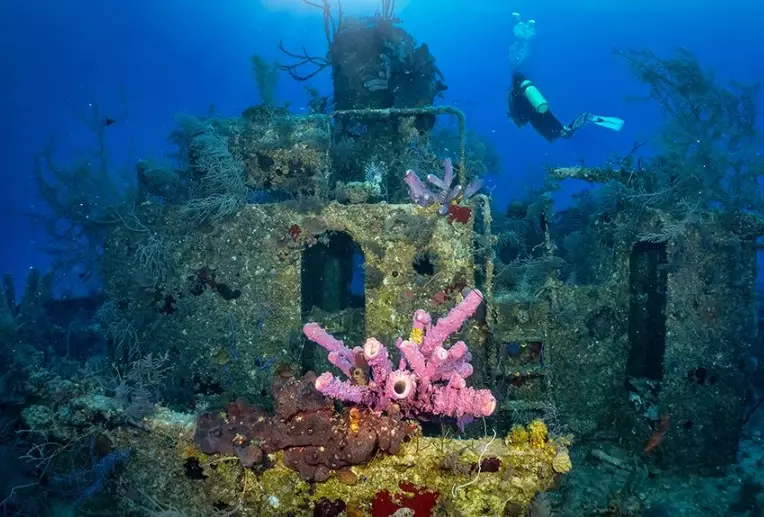
| Site Name | Location | Key Highlights | Best For | Considerations |
|---|---|---|---|---|
| Bloody Bay Wall | Little Cayman, Cayman Islands | Sheer vertical wall starting at 6m, incredible visibility, prolific sponges & black coral. | Wall diving lovers, photographers, all skill levels. | Generally mild currents. A consistent favorite. |
| Shark Ray Alley | Ambergris Caye, Belize | Nurse sharks and southern stingrays swarm the boat in waist-deep water. | Thrilling animal encounters, beginners, snorkelers. | Can feel a bit "touristy," but the animals are wild and the experience is genuine fun. |
| Kittiwake (USS) | Grand Cayman, Cayman Islands | Purpose-sunk wreck in 20m, perfectly prepared for divers with cut-outs and open rooms. | Wreck training, photography, macro life (frogfish often spotted). |
Just breathtaking.
This is the global epicenter of marine biodiversity. The Coral Triangle (Indonesia, Philippines, Papua New Guinea, Solomon Islands, Timor-Leste, Malaysia) holds more species than anywhere else.
Raja Ampat, Indonesia
Widely considered the crown jewel. It's not a single site, but an archipelago of thousands of islands. The numbers are staggering: over 1,500 fish species, 75% of the world's known coral species. Sites like Cape Kri or the Manta Sandy cleaning stations are legendary. The downside? It's remote and expensive to get to. But for sheer density of life and pristine reefs, it's unbeatable. The UNESCO recognition of its biosphere reserve status underscores its global importance.
The Philippines' Best
Tubbataha Reefs Natural Park. Another UNESCO World Heritage Site, accessible only by liveaboard during a short season (March-June). It's open ocean atoll diving—deep blue walls, huge pelagics like whale sharks and mantas, and incredibly healthy corals because of its isolation and strict protection. This is advanced diving, often with strong currents, but it's the Philippines' premier big-animal destination.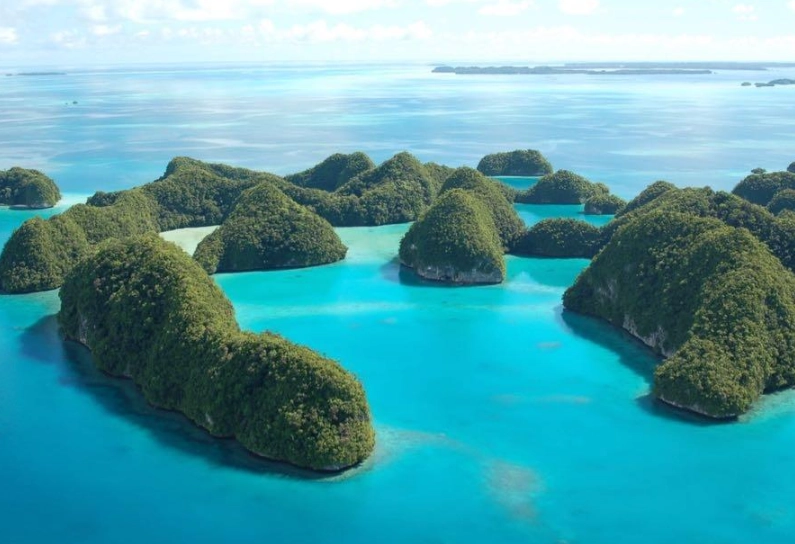
He's right. That's why any meaningful top 100 dive sites in the world list must include muck diving Meccas like Lembeh Strait (Indonesia) or Anilao (Philippines). The thrill of the hunt for the weird and wonderful is a huge part of diving.
Crystal clear waters, big pelagics, and stunning reef structures define this region.
Maldives. It's all about the channels (kandus). Drift dives where you hook in and watch the parade: gray reef sharks, eagle rays, Napoleon wrasse, and massive schools of snapper. The South Ari Atoll is famous for year-round whale shark sightings. It's luxurious, but the diving can be current-heavy.
Sodwana Bay, South Africa. A surprising entry for some, but this is where you go for pristine reefs in the "aquarium" of the Indian Ocean. The corals are spectacular, and it's a very affordable destination compared to Indian Ocean islands. Less big pelagic action, but incredible biodiversity.
From the cold, rich waters of the north to the remote islands of the south.
Cocos Island, Costa Rica. A liveaboard-only destination for serious divers. It's about one thing: large pelagics in massive numbers. Hundreds of scalloped hammerhead sharks, whale sharks, mantas, dolphins, and marlin. The water can be greenish, the currents strong, and the seas rough. It's not pretty coral diving; it's raw, adrenaline-fueled animal action. A true top 100 dive sites in the world contender for the adventurous.
Galápagos Islands, Ecuador. The holy grail of cold-water, big-animal diving. Marine iguanas feeding underwater, penguins zipping by, schools of hammerheads at Wolf and Darwin Islands. It's challenging—cold currents (hence the famous "washing machine"), often low visibility, and advanced conditions. Not for beginners, but an unforgettable experience for those ready for it. The conservation story here, managed by the Galapagos Conservancy and the Ecuadorian government, is as important as the diving.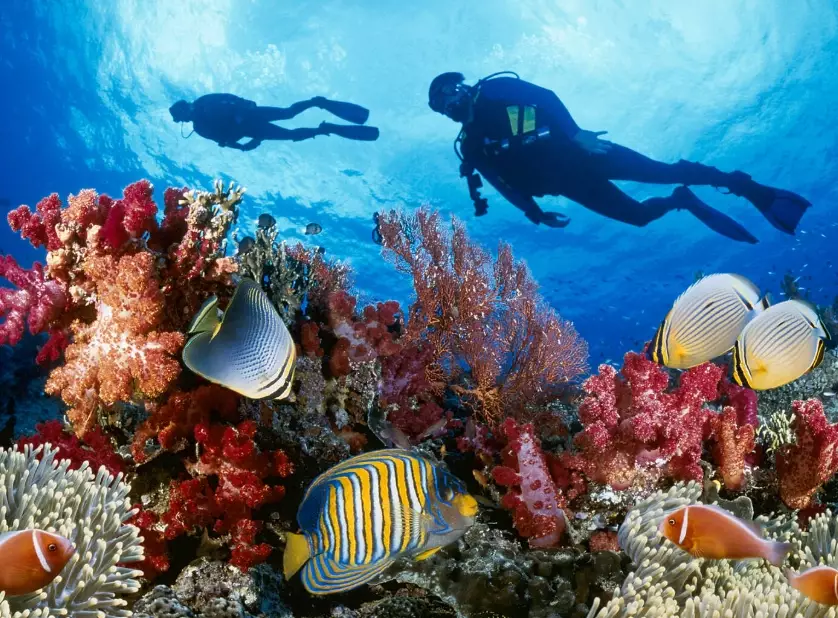
So, Where's the Full List of 100?
Here's my approach. I could copy-paste a numbered list, but that doesn't help you. Instead, I'm giving you the framework and the most celebrated examples. To build your own personalized "top 100" list, you need to research based on what calls to you.
My recommended method: Use this guide to identify regions and types of diving you like. Then, consult the annual "Top 100 Readers' Choice" awards from Scuba Diving Magazine. It's a crowd-sourced list that changes yearly and is an excellent snapshot of what active divers are loving right now. Combine that with the timeless classics we've discussed, and you'll have a robust, personalized list far more useful than any static one.
For example, that list will have recent discoveries, sites that are having a great year for manta sightings, or newly accessible wrecks. It's dynamic, like the ocean itself.
Planning Your Trip to a World-Class Dive Site
Dreaming is easy. Planning takes work. Here are the hard questions you need to answer.
What's Your Skill Level?
Be brutally honest with yourself. A site can be in every top 100 dive sites in the world article, but if it has strong currents, deep profiles, or tricky entries, and you're a new diver, you'll be stressed, not stoked. Many top sites are advanced. Others, like many in the Caribbean or the Great Barrier Reef's outer reefs (with a good guide), are suitable for confident open water divers.
Ask the operator: "What is the minimum certification and number of logged dives you recommend for this site?"
When Should You Go?
Seasonality is huge. Monsoon seasons can bring rain, reduced visibility, and rough seas. Animal sightings are often seasonal (whale shark seasons, manta ray seasons). Water temperature varies. Research the specific site's prime season.
Liveaboard vs. Land-Based?
Remote sites like Cocos, Galápagos, Tubbataha, or the outer atolls of Raja Ampat require liveaboards. They're a big investment but offer multiple dives per day right on the site. Land-based diving is often cheaper and more flexible, but you lose time commuting to sites each day.
Budget Realistically
This is the big one. A diving trip to a top 100 dive sites in the world location isn't cheap. Factor in:
- Flights (often to remote airports)
- Liveaboard or resort costs
- Park fees & conservation levies (can be $100+ per day in places like Galápagos)
- Gear rental (if you're not bringing yours)
- Tips for crew/guides
- Travel insurance with dive coverage
A personal note on cost: I saved for two years for my Raja Ampat trip. Was it worth it? Unequivocally, yes. But I went in knowing the cost and budgeting accordingly. Don't put it on a credit card and hope for the best.
Beyond the List: Diving Responsibly
Our privilege to visit these places comes with responsibility. Many top sites are top because they've been protected.
- Master your buoyancy. This is non-negotiable. Crushing coral is unacceptable. Practice in a pool or on less sensitive sites before hitting the pristine reefs.
- Don't touch, chase, or feed anything. Observe. Use a reef hook in currents instead of grabbing coral.
- Choose ethical operators. Look for operators committed to sustainability, who enforce rules, and who respect marine life. Look for affiliations with Green Fins or local conservation initiatives.
- Use reef-safe sunscreen. Chemicals in regular sunscreen bleach and damage coral. It's a simple switch.
Sustainable diving isn't a buzzword; it's the only way these sites will remain in any top 100 list for our grandchildren.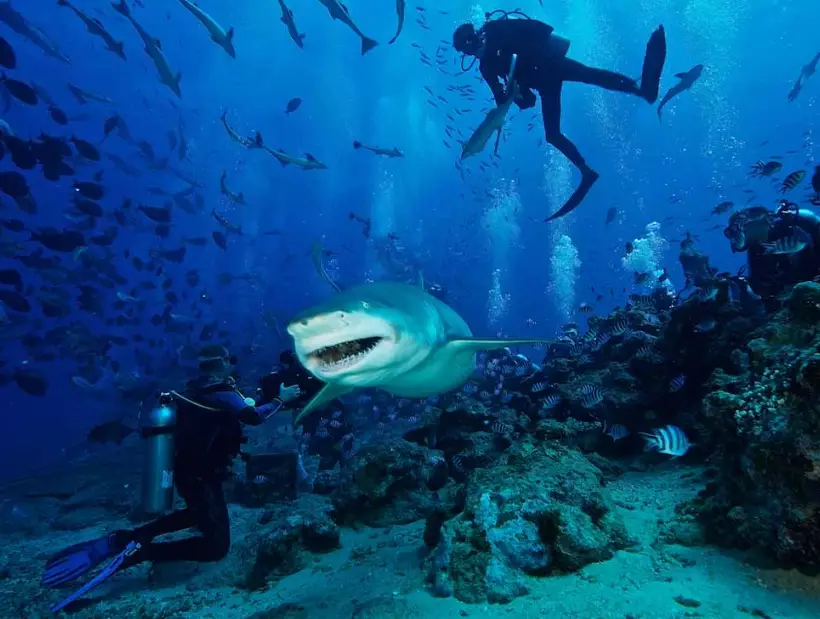
Frequently Asked Questions (The Stuff You Actually Google)
I'm a new diver. Which "top 100" sites are suitable for me?
Stick to the Caribbean, parts of the Great Barrier Reef (like the Agincourt Ribbons), the Red Sea's more sheltered reefs, or Hawaii. Look for sites described as "protected bays," "gentle slopes," or "easy conditions." Always dive within your certification limits and be upfront with your guide about your experience.
What's the best time of year to dive most of these places?
There's no universal answer. The "dry season" or "summer" months in each hemisphere are generally safer bets for calmer seas and better visibility. But always, always check the specific destination. The Pacific's typhoon season is different from the Caribbean's hurricane season.
Do I need an advanced certification for most top sites?
For a significant number of them, yes. Deep wrecks like the SS Yongala (Australia), drift dives in currents, or sites below 18 meters will require Advanced Open Water or specific experience. However, a huge portion of the world's best coral reefs can be enjoyed within an Open Water diver's depth limits.
How do I avoid crowds at popular sites?
Book with smaller, boutique operators who schedule dives at off-times (like a late afternoon dive). Go in the shoulder season. Choose liveaboards that visit less-frequenced areas of a reef system. Research! Some sites are just perpetually busy, and you have to accept that as part of the experience.
Are these sites still healthy with climate change and bleaching?
This is the critical question. Many have suffered. Parts of the Great Barrier Reef have experienced severe bleaching. However, resilience varies. Sites in cooler, current-swept areas often fare better. The healthiest reefs I've seen recently are in well-managed, remote locations like Raja Ampat or the Coral Sea. Support operators and destinations that are actively involved in conservation and research.
Final Thoughts: Your List is Personal
At the end of the day, the "top 100 dive sites in the world" is a starting point for conversation, not a gospel. Your personal top 10 will be shaped by what you love—whether it's the eerie silence of a deep wreck, the heart-pounding thrill of a shark encounter, or the patient hunt for a critter the size of your fingernail.
Use this guide, use the resources linked, talk to other divers, and start plotting your course. The ocean's wonders aren't going anywhere if we dive responsibly. The hardest part is deciding where to go first. So, what's calling to you? Is it the legendary wrecks of the Truk Lagoon, the schooling hammerheads of Cocos, or the colorful chaos of a Coral Triangle reef?
Go find out.
Just remember to send a postcard. Or better yet, just tag me in the photos. I'm always looking for ideas for my next trip.
Comments