Quick Dive Guide Overview
Let's be honest. You've probably seen those glossy magazine lists—"Top 10 Dive Destinations!"—and wondered how much of it is real. I remember planning my first big dive trip, staring at a map, utterly overwhelmed. Was the Red Sea all it was cracked up to be? Could Indonesia really be that good? And what about the places nobody talks about? It's not just about finding clear water; it's about finding your kind of underwater magic.
That's what this is. Not just another list. We're going to dig into what actually makes a country one of the best diving countries in the world. Is it sheer number of fish? Pristine coral? Or is it the feeling you get when you're down there, the logistics of getting there, and whether you'll need a second mortgage to pay for it? We'll cover all that.
I've been lucky enough to get my fins wet in quite a few of these places. Some blew my mind. Others? Well, let's just say the photos looked better online. I'll give you the unvarnished truth, the stuff that doesn't always make it into the brochures.
What Makes a Country a Top Diving Destination Anyway?
Before we jump into specific countries, let's set the ground rules. If you're searching for the best places to dive, you're probably weighing a few key things without even realizing it.
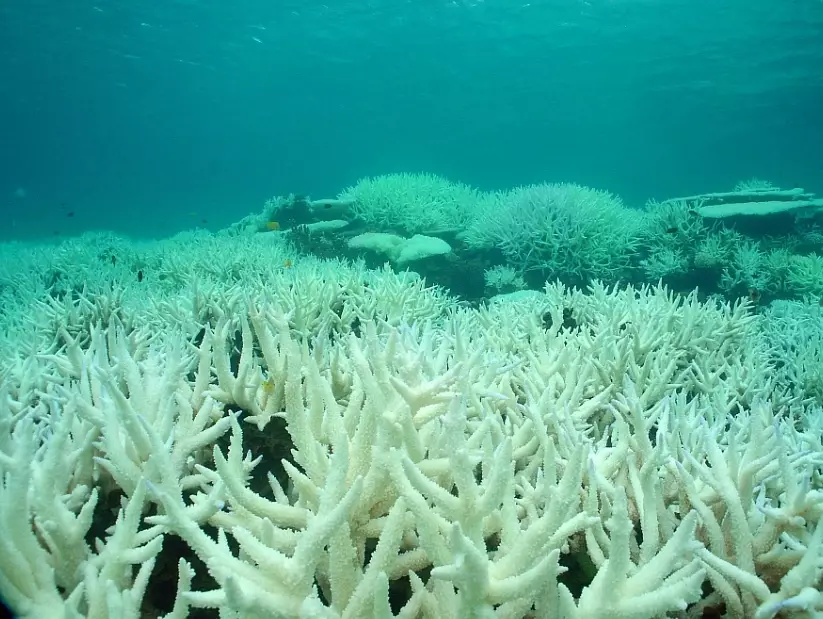
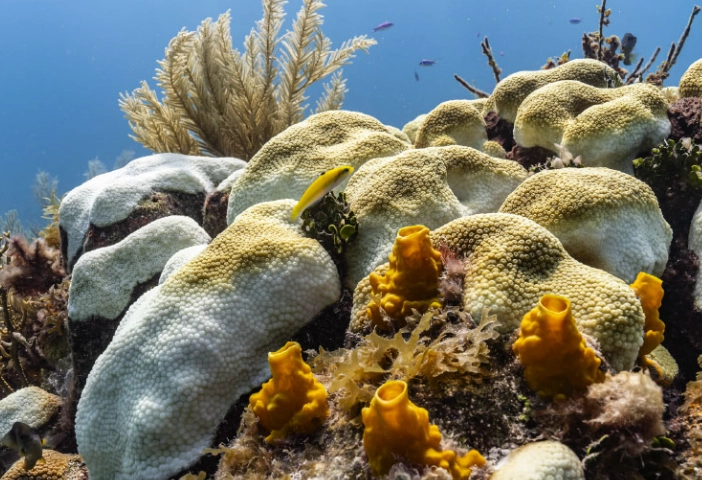
First, the obvious one: Marine Life and Health. This is the big ticket. We're talking biodiversity—the sheer variety of creatures—and the health of the ecosystem, especially the coral. A country with stunning walls but bleached, dying reefs isn't a top contender for long. Visibility matters too, but it's not everything. Some of the most exciting dives I've done were in slightly murkier water teeming with life you'd never see in crystal-clear seas.
Then there's Infrastructure and Accessibility. You can have the best reef on the planet, but if it takes three flights, a bumpy jeep ride, and a leaky boat to get there, it's not exactly user-friendly. A true top-tier destination has reliable dive operators, safe boats, and decent access to amenities. Think about it. After a long day of diving, you want a hot shower and a decent meal, not a survival challenge.
Variety of Dive Sites is huge. Does the country cater to all levels? Are there gentle, sandy slopes for beginners, thrilling drift dives for the adventurous, and deep walls for the techies? A one-trick pony can get boring after a week.
And we can't ignore Safety and Political Stability. This is the boring, adult part of trip planning, but it's crucial. You need to feel secure on land as much as in the water. Checking travel advisories from your government's foreign affairs website (like the U.S. Department of State or the UK Foreign Office) is a non-negotiable first step.
Finally, and this is becoming a deal-breaker for more and more of us: Sustainability and Conservation Efforts. Is the local dive industry protecting its golden goose? Look for destinations with active marine protected areas (MPAs), mooring buoys to prevent anchor damage, and operators who follow responsible practices. Organizations like Green Fins provide great benchmarks for this.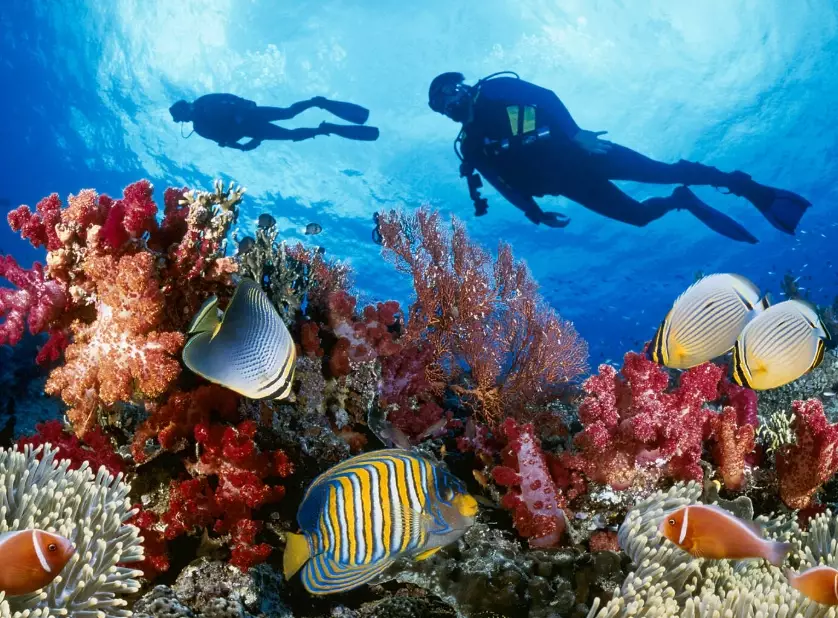
The Heavy Hitters: A Breakdown of the Best Diving Countries
Alright, let's get into it. The table below isn't just a ranking; it's a cheat sheet to help you match a country's strengths with what you're looking for.
| Country/Region | Core Diving Appeal & Signature Experience | Best For Diver Type | Prime Season | Budget Vibe |
|---|---|---|---|---|
| Egypt (Red Sea) | World-class wrecks (SS Thistlegorm), vibrant coral walls, reliable pelagics. Amazing value for money. The northern routes (wrecks) and southern routes (pelagics) offer distinct trips. | All levels, but especially wreck enthusiasts and intermediate divers. Some strong currents in southern sites. | Year-round, but Apr-Jun & Sep-Nov offer best overall conditions (calm seas, warm water). | Mid-range. Liveaboards offer incredible value. Sharm el-Sheikh can be touristy but convenient. |
| Indonesia (Raja Ampat, Komodo) | Unmatched marine biodiversity. The "species factory" of the world. Raja Ampat has insane coral gardens, Komodo offers thrilling currents with big fish. | Intermediate to advanced. Strong currents are common. Not ideal for absolute beginners. | Oct-Apr for Raja Ampat. Jul-Sep for Komodo (cooler water, more pelagics). | High-end. Getting there is expensive, and liveaboards are the primary way to explore. A bucket-list splurge. |
| Maldives | Iconic overwater bungalows meet channel dives with mantas and sharks. The quintessential "luxury" dive holiday. More about pelagic action than intricate macro life. | All levels, but channel dives require good buoyancy. Resorts are great for beginners. | Jan-Apr (dry season, best visibility). Dec-Mar for manta rays in the south. | Very High. Resort-based diving is pricey. Liveaboards can be a better value for serious divers. |
| Mexico (Cenotes & Sea of Cortez) | Two worlds in one. The Cenotes offer unique freshwater cavern diving in crystal-clear groundwater. The Sea of Cortez ("Aquarium of the World") has huge pelagics like whale sharks. | Cenotes: confident beginners (cavern, not cave) to advanced. Sea of Cortez: all levels. | Cenotes: Year-round. Sea of Cortez: Whale sharks Jun-Sep, water temps vary. | Mid-range. Excellent infrastructure in Playa del Carmen/Tulum. Good mix of affordable and luxury. |
| Philippines (Tubbataha, Malapascua) | Incredible variety. Tubbataha Reefs Natural Park (UNESCO site) is pristine and remote. Malapascua for guaranteed thresher sharks. Anilao is the "macro capital." | Tubbataha: intermediate+. Malapascua/Anilao: all levels. Some remote travel involved. | Tubbataha liveaboards only run Mar-Jun. Visits to other sites are good Nov-May. | Low to Mid-range. Fantastic value. Local island living is cheap, resorts are reasonable. |
| Australia (Great Barrier Reef) | The iconic, sprawling reef system. Outer Reef trips from Cairns/Port Douglas offer the best coral health. Also consider the Yongala wreck (teeming with life) and the critters of the Coral Sea. | All levels, especially beginners. Many sheltered, shallow sites. Outer reef trips can be choppy. | Jun-Nov (dry season, best visibility, stinger season minimal). Water is cooler Jun-Aug. | Mid to High. Domestic flights and liveaboards are expensive, but day trips are accessible. |
That table gives you the snapshot. But let's get personal about a few of them.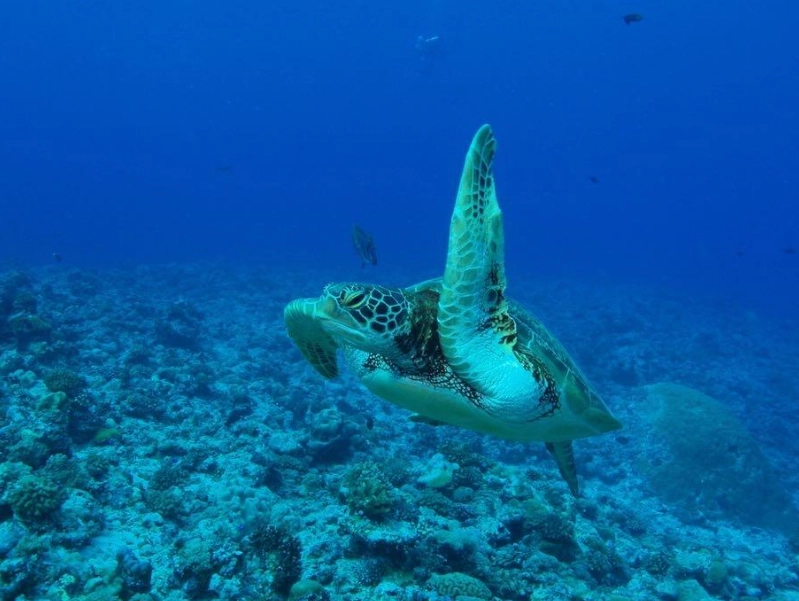
Egypt's Red Sea: The Reliable Workhorse
For divers in Europe and beyond, Egypt is often the first taste of truly world-class diving. And it delivers. The SS Thistlegorm wreck is, in my opinion, the single most fascinating wreck dive on the planet. It's not just a ship; it's a WWII time capsule with motorcycles, trucks, and boots still sitting in the hold. You need multiple dives to even scratch the surface.
But here's my slightly negative take: the northern routes from Hurghada can feel a bit... conveyor-belt sometimes. You'll see a lot of boats on the popular sites. The solution? Book a liveaboard that heads south to the reefs of Fury Shoals or the remote St. John's. The crowds thin out, and the coral seems to breathe a sigh of relief.
The value is insane. Where else can you get a full-board liveaboard with 3-4 dives a day for that price? It's a major reason it's consistently named one of the best diving countries in the world for those wanting bang for their buck.
Indonesia: The Overwhelming, All-Consuming Champion
If you put a gun to my head and forced me to name the single best country for diving, I'd probably say Indonesia. It's just unfair how much it has. Raja Ampat isn't just beautiful; it's scientifically significant as the heart of the Coral Triangle. The number of fish can be so dense it looks like a living, swirling wall. I once spent an entire dive in Komodo just watching a single cleaning station where mantas lined up like airplanes at Heathrow.
The downside? It's logistically tough. Flights to Sorong or Labuan Bajo, then onto a liveaboard. It's expensive. And it's not for the faint-hearted diver—the currents in places like Komodo's "Shotgun" are serious business. You need to be comfortable in the water and have a good guide. But if you are, it's the pinnacle. No debate.
Philippines: The Underrated All-Rounder
People sleep on the Philippines, and I don't know why. Maybe it's the long flight from the West. But honestly, it might be the most complete package. Want pristine, remote reefs? Tubbataha is up there with any in the world, but you can only go on a liveaboard during a short season. Want crazy macro life? Anilao is a nudibranch paradise. Want to see something truly bizarre? The daily dawn dive to see thresher sharks at Monad Shoal off Malapascua is a unique ritual.
Plus, it's affordable. The people are incredibly friendly, and you can mix world-class diving with island-hopping relaxation. It's a less polished, more adventurous feel than some other spots, and that's part of its charm.
Beyond the Big Names: Hidden Gems and Niche Contenders
What if you want to get away from the well-trodden path? The list of top scuba diving destinations has some fantastic understudies.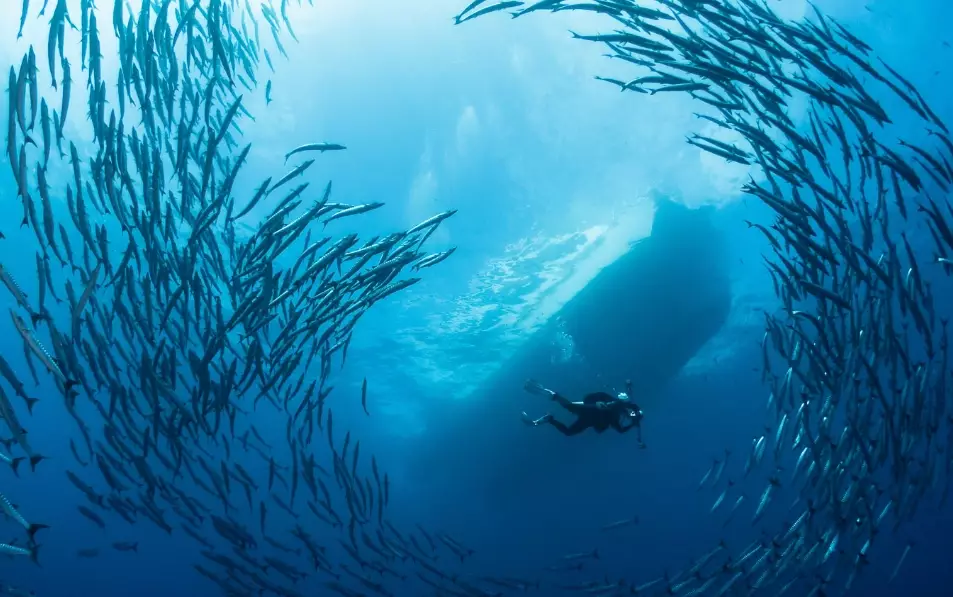
Socotra, Yemen: This is the ultimate adventure frontier. It's not easy to get to (you'll need to go via Egypt or UAE and check safety advisories very carefully), but the reports are of utterly pristine, unexplored reefs surrounded by a surreal, alien landscape. This is for the expedition diver only.
Sudan: North of Egypt, the reefs are even more pristine and the shark populations are legendary. Again, this is a liveaboard-only destination, and political stability is a constant concern. You have to be very diligent with planning.
Mozambique: The southern African coast is wild. Think manta ray cleaning stations, whale sharks, and healthy reefs without the Asian crowds. Tofo Beach is the main hub. The diving can be incredible, but the infrastructure is more rustic. You come here for raw nature, not for sushi bars and infinity pools.
Palau: Often grouped with Micronesia, Palau is a Pacific jewel. It's the home of Jellyfish Lake (though the jellyfish population has fluctuated), stunning walls, and a strong conservation ethic. It's expensive and remote, but the "Blue Corner" dive site is the stuff of legend—a sheer wall where you hook in and watch sharks and currents battle it out.
My point is, the "best" list isn't static. It shifts with conservation success, accessibility, and what you personally value.
Your Decision Toolkit: How to Actually Choose
Okay, so you've got the list. Now, how do you pick? Stop thinking about countries for a second and ask yourself these questions.
What's your current skill level and comfort zone? Be brutally honest. If you have less than 20 dives, Indonesia's strong currents might be a stressful nightmare, not a dream. The Red Sea or the Great Barrier Reef might be a better classroom. If you're an advanced diver bored of the usual, then you can start looking at the more challenging best places to dive like Komodo or Palau.
What's the one marine creature you're dying to see? Build your trip around that. Whale sharks? Mexico (seasonal), the Philippines, or Mozambique. Manta rays? The Maldives, Indonesia, or Hawaii. Hammerheads? Cocos Island (Costa Rica) or the Galapagos. Macro critters? Anilao (Philippines) or Lembeh Strait (Indonesia). Be specific.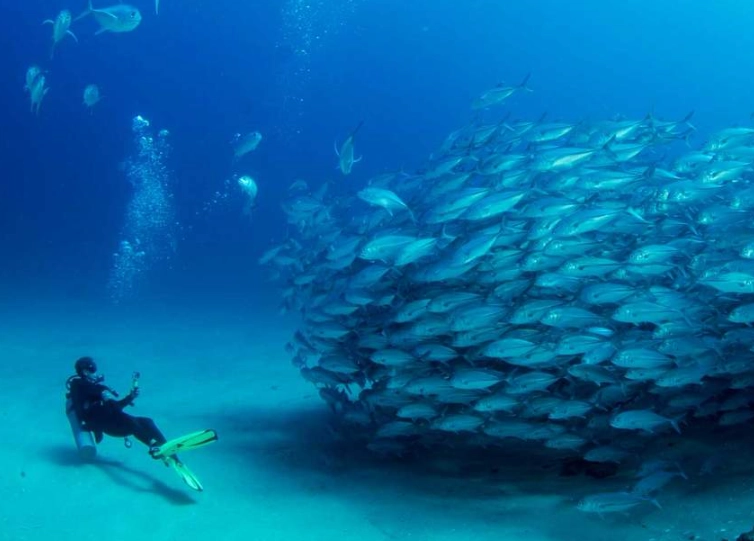
What's your budget, really? Factor in everything: international flights, domestic transfers, liveaboard vs. resort, number of diving days, equipment rental. Southeast Asia and parts of Central America generally offer lower daily costs. The Maldives, Seychelles, and remote Pacific atolls are premium priced. Egypt and the Red Sea sit in a sweet spot of quality and value.
What kind of non-diving experience do you want? Are you a "dive-eat-sleep-repeat" person, or do you want cultural experiences, jungle trekking, or great food and wine? Mexico offers cenotes and ruins. Egypt has ancient history. The Philippines has incredible beaches and islands. This matters more than you think for overall trip satisfaction.
Common Questions (The Stuff You Actually Google)
You want calm, clear, warm water with professional operations. Think: The Caribbean islands (like Bonaire, Cayman Islands), Egypt's Red Sea (Sharm el-Sheikh or Dahab), Thailand (Koh Tao, though it's very backpacker-focused), or Australia (the Great Barrier Reef). The key is a high-quality instructor and a stress-free environment. Don't try to get certified in a current-swept, advanced location.
For overall low costs (accommodation, food, diving), the Philippines and Egypt are hard to beat. In Southeast Asia, Vietnam (Nha Trang, Phu Quoc) and parts of Malaysia (Perhentian Islands) are also very affordable. Your money goes a long way here. The trade-off might be longer travel times or less luxurious boats.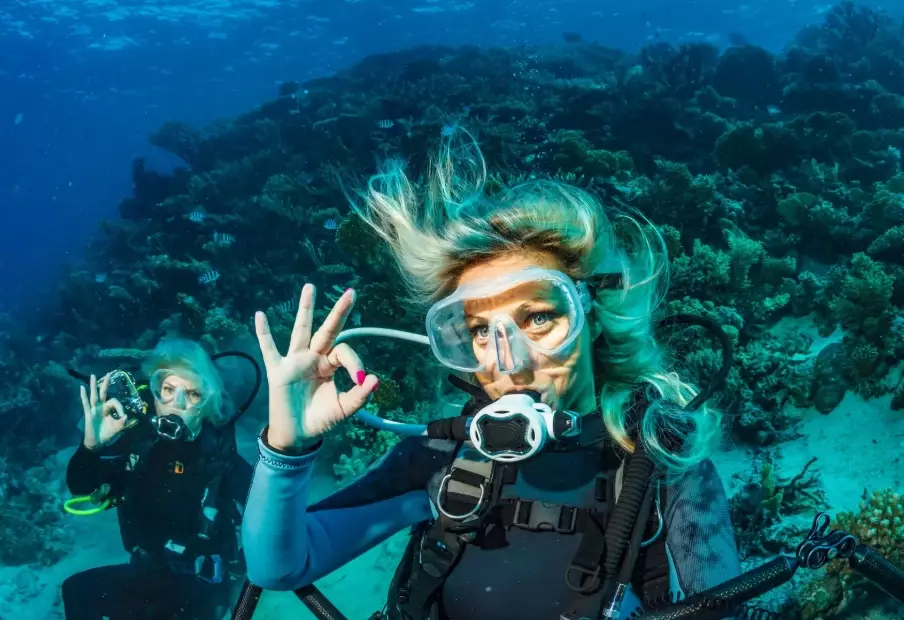
There is no universal answer. It's a dance between "dry season" (best visibility) and "wet season" (often better for pelagic life, but potentially rougher seas). For the Coral Triangle (Indonesia, Philippines), the dry season is roughly October to April. For the Caribbean, it's December to April. Always, always check the specific region's micro-climate. A site like Dive The World's destination guides breaks this down well.
Most sharks you'll encounter on typical recreational dives (reef sharks, white tip sharks) are not interested in you. Seeing sharks is often a sign of a healthy ecosystem and is a highlight for most divers. That said, if you have a genuine phobia, you might prefer destinations known for macro life (small stuff) or coral gardens over big animal encounters. Talk to your dive operator—they can often guide you to sites less frequented by larger sharks.
Do your homework. Look for:
- Membership in professional associations (PADI 5-Star, SSI, etc.).
- Clear safety protocols and briefings.
- Well-maintained equipment and boats with safety gear (O2, first aid, radios).
- Small group sizes.
- Environmental policies (no gloves, no touching, using mooring lines).
- Reviews on multiple platforms (not just their own website). Don't just pick the cheapest one.
The Final Step: Your Action Plan
Finding the best diving countries in the world for you isn't about finding a single answer. It's about matching a place's soul to your own diving desires.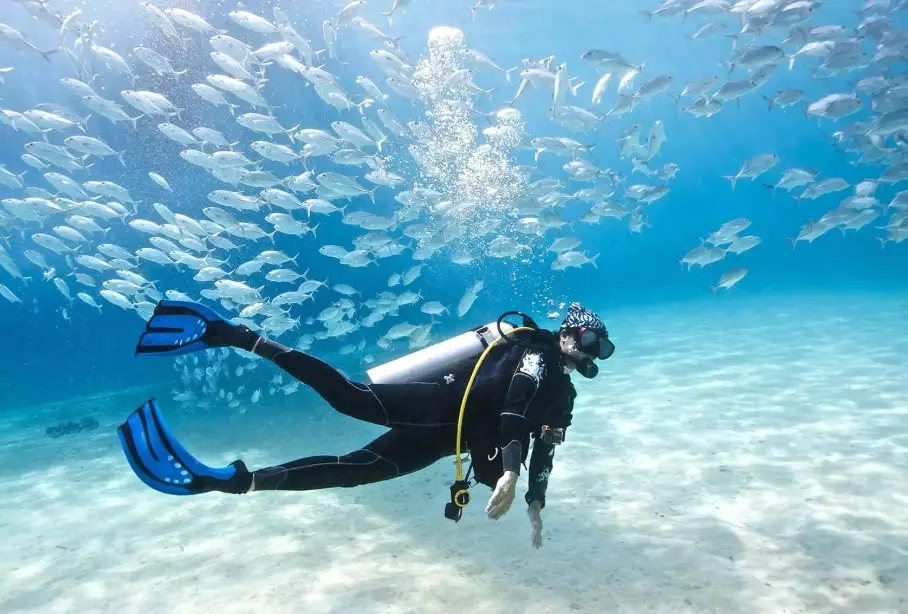
Start with your non-negotiables (budget, skill level, must-see animal).
Cross-reference with the season.
Research the top 2-3 countries that fit.
Dig into the logistics and recent traveler reports (forums like ScubaBoard are gold).
Reach out to a few dive operators with specific questions. Their responsiveness tells you a lot.
Book your international flight, then book your diving.
The ocean is the last great wilderness on our planet. Choosing where to explore it is a wonderful problem to have. Whether it's the wreck-laden waters of the Red Sea, the vibrant chaos of a Indonesian reef, or the serene blue of a Caribbean wall, the real "best" country is the one that calls to you and that you'll help protect for the divers who come after.
Now go get your gear ready. The water's fine.
Comments