What’s Inside This Guide
- The Mediterranean & Adriatic: Classics for a Reason
- The Atlantic Edge: Wrecks, Walls, and Big Animals
- The Cold & The Unique: Baltic and Inland Treasures
- How to Choose? A Quick Comparison
- Planning Your European Dive Trip: The Nitty-Gritty
- Answers to Questions You're Probably Asking
- Final Thoughts Before You Go
Let's be honest, when you think about the best diving spots in Europe, your mind probably jumps straight to warm, blue Mediterranean waters. I did too, for years. I pictured lazy dives with lots of fish and maybe an old amphora. Nice, but maybe a bit... predictable?
Then I tried diving in the Baltic Sea in January. Let me tell you, pulling on a drysuit in a freezing wind is a character-building experience. But the moment I descended onto the deck of a century-old warship, perfectly preserved in the cold, dark water, I realized how wrong I'd been. Europe's diving scene is wildly diverse, and limiting yourself to one type is like only ever eating pasta in Italy—you're missing out on so much.
This continent packs an insane variety into a relatively small space. We're talking about everything from submerged volcanoes and crystal-clear alpine lakes to some of the world's most famous wreck diving spots. The water temperature, visibility, and marine life change completely depending on where you point your compass. That's the real magic. Whether you're a warm-water wuss (no shame, I get it) or a hardcore tech diver looking for a challenge, there's a spot here with your name on it.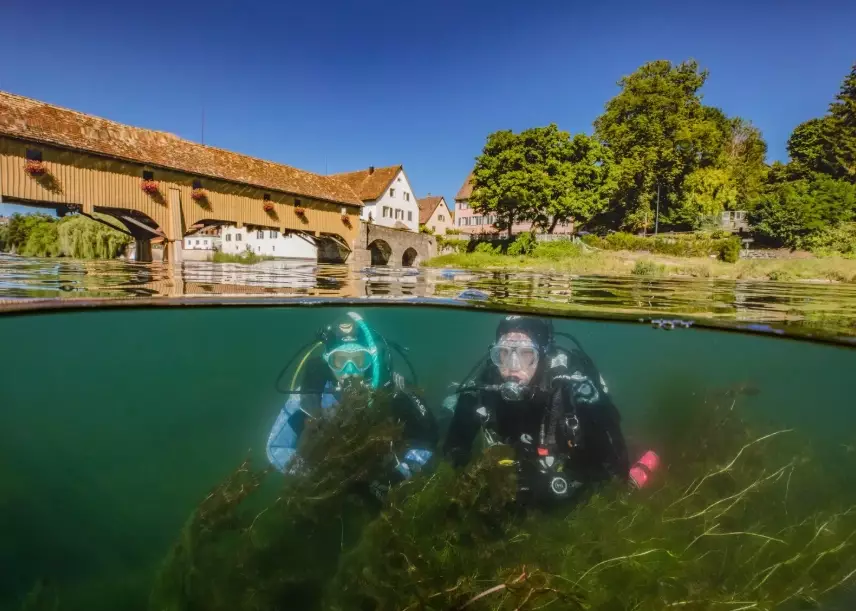
So, where do you even start? I've put this guide together to cut through the noise. We'll break it down by region, by experience level, and by what you actually want to *see*. Forget generic lists. This is about finding the right dive for *you*.
The Mediterranean & Adriatic: Classics for a Reason
Okay, let's start with the sun-drenched classics. The Med and the Adriatic are the easy-going, reliable friends of the diving world. The water is generally warm (especially from June to October), the visibility is often great, and the sites range from simple reefs to deep walls and caves. It's where a lot of people get certified, and for good reason. The conditions are usually forgiving.
The Blue Hole, Gozo (Malta)
Malta, Gozo, and Comino are a limestone labyrinth. The star of the show is the Blue Hole on Gozo. It's a natural arch that starts in a shallow, rocky pool and drops you down to about 15 meters, where you swim through the archway itself. Outside, the wall plummets into the deep blue. The light show is incredible.
What you'll see: The arch itself is the main attraction, but look for moray eels hiding in the cracks, and schools of bream and salema. On a good day, you might spot barracuda patrolling the blue.
Best time to go: May to October. Winter diving is possible but rougher and colder.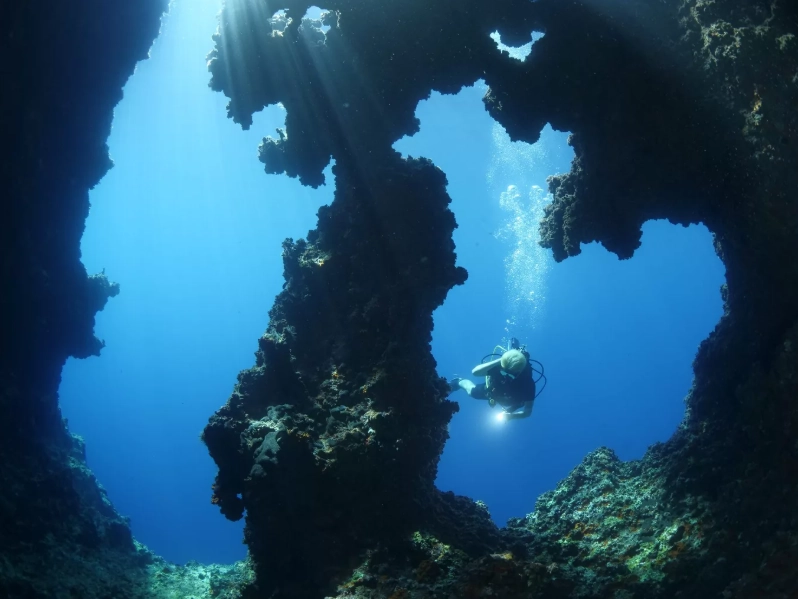
Suit up: A 5mm wetsuit is usually enough in summer, maybe a 7mm or semi-dry in the shoulder seasons.
Medes Islands, Costa Brava (Spain)
This is a marine reserve, and it shows. The fish here have clearly not read the memo about being scared of divers. The islands offer a mix of caves, tunnels, and walls covered in colorful gorgonians and soft corals. Because it's protected, the biomass is impressive.
What you'll see: Expect large schools of sardines, barracuda, dentex, and groupers. If you're lucky, sunfish (Mola mola) sometimes pass through. The tunnels, like the famous "Dofí" tunnel, are draped in life.
Best time to go: June to September for the warmest water and calmest seas. Spring and autumn can still be good with fewer boats.
Local dive centers are very strict about buoyancy and not touching anything—as they should be. You can find a list of licensed operators through the official tourism site of Costa Brava.
The Aegean & Ionian Seas (Greece)
Greece is more than ruins on land. The clarity of the water here is often staggering—we're talking 30-40 meters on a good day. Wreck enthusiasts should head to the island of Alonnisos, home to the famous Peristera wreck, a 5th-century BC cargo ship often called the "Parthenon of Shipwrecks." It's deep (around 28m) and protected, so diving is regulated, but it's a unique historical dive.
For something completely different, the volcanic caldera of Santorini offers hot springs underwater and unique geological formations. It's not the most "fishy" dive, but it's an experience you won't get anywhere else.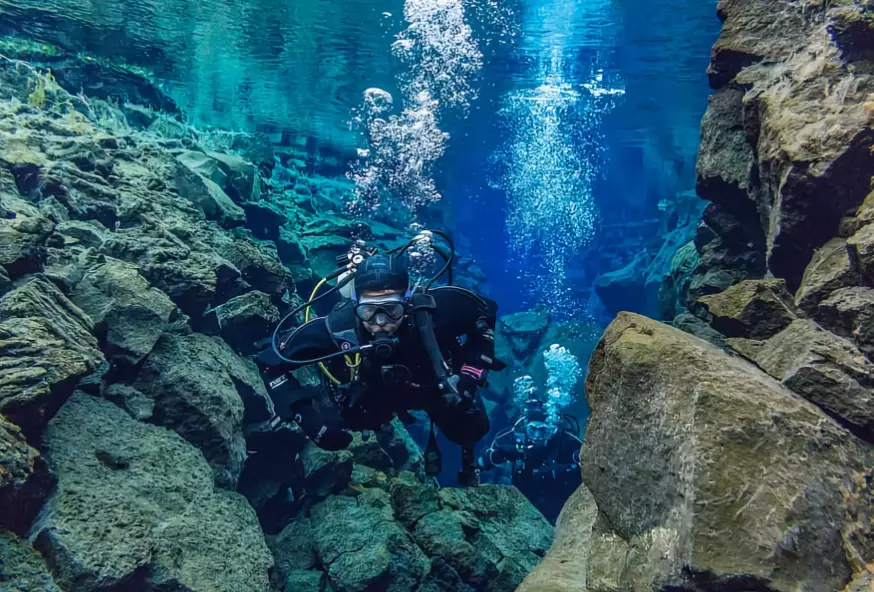
The Atlantic Edge: Wrecks, Walls, and Big Animals
Now we're talking about a different beast. The Atlantic side—from Scotland down to Portugal and the Azores—is where things get more dramatic. The water is cooler, the currents can be stronger, and the rewards are often bigger. This is where you find some of the most epic best diving spots in Europe for adventure.
Scapa Flow, Scotland (UK)
This is hallowed ground for wreck divers. In 1919, the German High Seas Fleet was interned here and scuttled by its own crew. The result? Seven massive wrecks—battleships and cruisers—sitting in relatively shallow water (25-45 meters). They are huge, haunting, and covered in life. The water is cold (8-14°C year-round) and the visibility can be moody, but it doesn't matter. Swimming over the guns of the Kronprinz Wilhelm is unforgettable.
What you'll see: History, first and foremost. Giant steel wrecks encrusted with anemones, plumose anemones creating white forests, and lots of crustaceans. Seal encounters are common too.
You need: A drysuit certification is non-negotiable for most operators. Good buoyancy control is critical to preserve the wrecks and your own safety.
The SS Thistlegorm, Red Sea (Egypt)
Okay, technically Egypt is in Africa. But since it's the most iconic wreck dive accessible from Europe (short flights from many hubs), and a cornerstone of any European diver's bucket list, it earns an honorary mention. This British WWII cargo ship, sunk in 1941, is a time capsule. It's packed with motorcycles, trucks, rifles, and even railway carriages.
The sheer scale and the history make it overwhelming. It's busy—you won't be alone—but it's worth it. The marine life has taken over, with schools of fish using the holds as their home.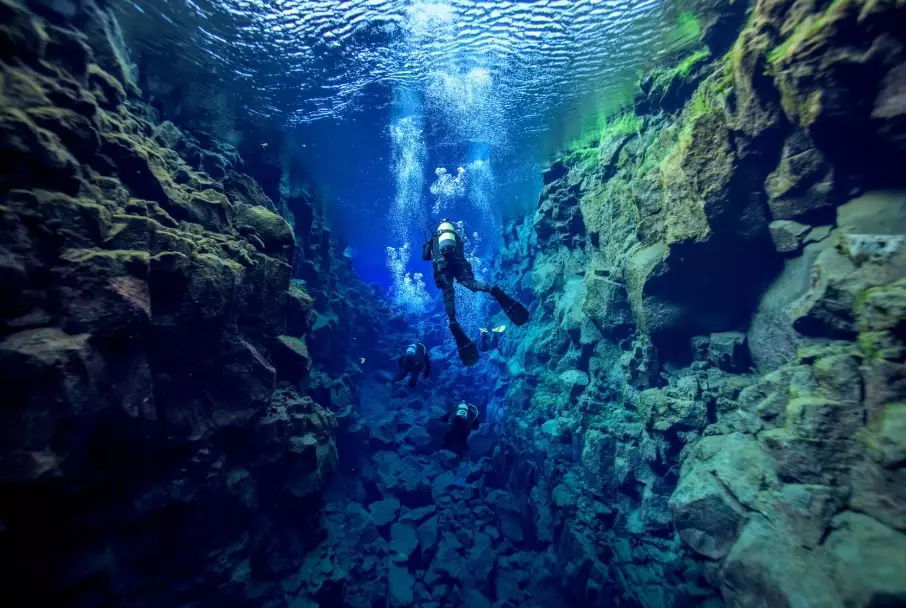
The Azores, Portugal
Smack in the middle of the Atlantic, this Portuguese archipelago is a magnet for pelagic life. Think of it as Europe's answer to more famous blue-water destinations. The water is cooler than the Med (16-24°C), but the possibility of encounters is off the charts.
What you might see: From June to October, you have a real shot at diving with blue sharks and mako sharks (on organized baited dives). Year-round, you can see mobula rays, large schools of tuna, and dolphins. Princess Alice Bank, a seamount a few hours offshore, is legendary for encounters with massive mobula rays and sometimes even sperm whales in the blue.
The diving here is more advanced due to open ocean conditions and often stronger currents. It's for divers who are comfortable in the blue and with variable visibility.
The Cold & The Unique: Baltic and Inland Treasures
This is where Europe truly shines with unique offerings you won't find in tropical brochures. If you're willing to brave cooler water, the payoff is unparalleled history and surreal landscapes.
The Baltic Sea Wrecks (Sweden, Finland, Estonia)
The Baltic's low salinity and cold, dark water have a magical preservative effect. Wooden ships from the 17th and 18th centuries look like they sank yesterday. Masts still stand, figureheads are intact, and you can see tools and personal items on the deck. It's eerie and absolutely fascinating. Sites like the Vasa sister ship Riksäpplet in Sweden or the Kronan in Estonia are world-class historical dives.
The catch? It's dark. Below 20 meters, you're diving in a twilight world, and a good torch is essential. Thermoclines can be sharp. And yes, it's cold—a drysuit is mandatory for any extended diving.
The professional diving association, PADI, lists many drysuit specialty instructors in the region if you need to get certified.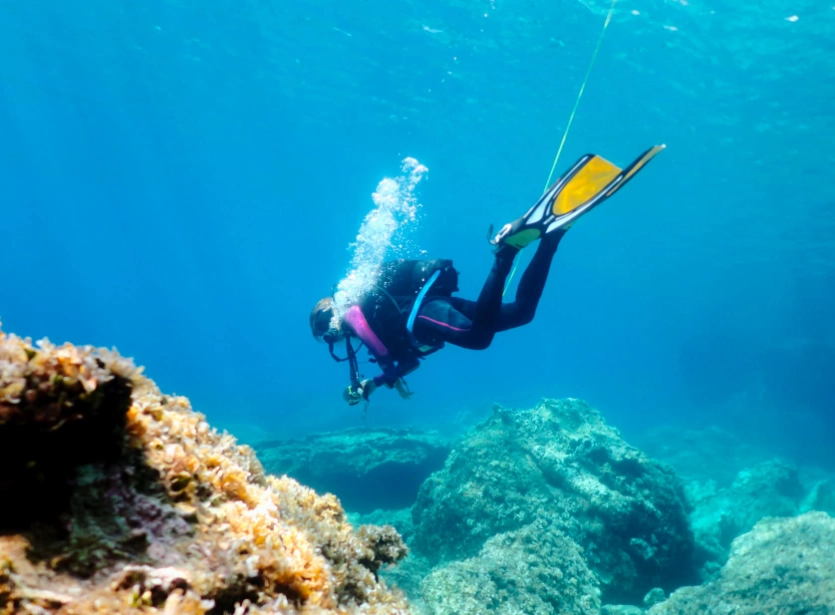
Silfra Fissure, Iceland
This is the most over-the-top unique dive on the list. You are diving between the North American and Eurasian tectonic plates in water filtered through porous lava rock for decades. The visibility is literally over 100 meters. It's like floating in the clearest air. You drink the water through your regulator.
Important: This is a drysuit-only dive in 2-4°C water. You must be certified for drysuit diving. No fish, no coral—just incredible geology and purity.
Cenotes, Yucatán Peninsula (Mexico)
Another honorary entry for European divers, as it's a major flight destination. Cenotes are freshwater sinkholes and cave systems. Diving here is in crystal clear freshwater, with stunning haloclines (where fresh and salt water meet) and breathtaking light rays. It's cavern diving (staying within the light zone), not full cave diving, so it's accessible with a special guided course.
It's a completely different skillset—buoyancy control is paramount to avoid stirring up silt. The silence and the beauty are meditative.
How to Choose? A Quick Comparison
Still torn? This table might help you narrow down your search for the best diving spots in Europe based on what you're after.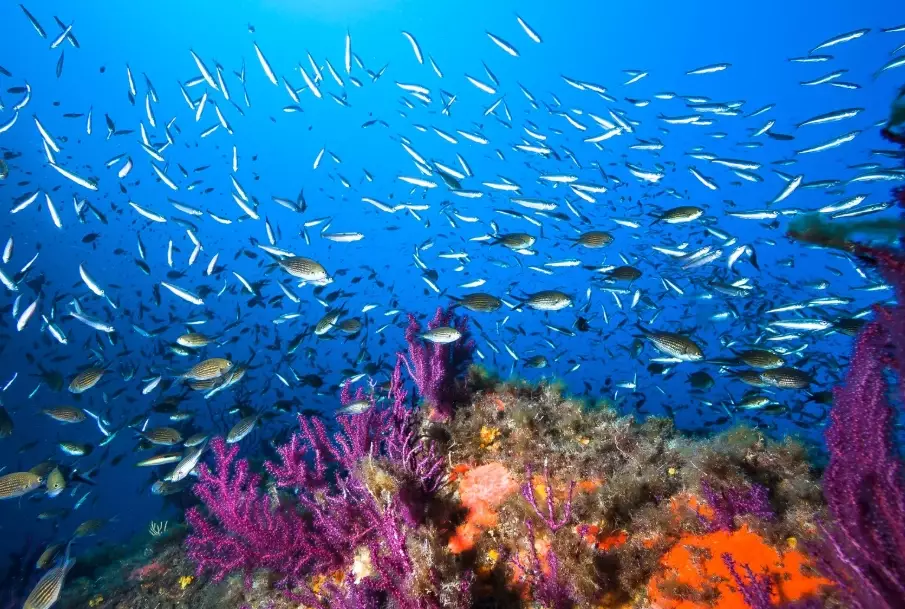
| If You Want... | Top Pick | Water Temp | Skill Level | Best Season |
|---|---|---|---|---|
| Epic Wrecks & History | Scapa Flow, Scotland | Cold (8-14°C) | Advanced (Drysuit req.) | May - Sept |
| Vibrant Marine Life & Easy Diving | Medes Islands, Spain | Mild-Warm (16-25°C) | Beginner to Intermediate | June - Sept |
| Big Animal Encounters | The Azores, Portugal | Cool (16-24°C) | Intermediate to Advanced | |
| Unbelievable Visibility & a Unique Experience | Silfra Fissure, Iceland | Freezing (2-4°C) | Intermediate (Drysuit req.) | Year-round (ice in winter) |
| Warm Water & Dramatic Scenery | Blue Hole, Gozo | Warm (19-28°C) | All Levels (some swim) | May - Oct |
| Preserved Historical Wrecks | Baltic Sea (e.g., Sweden) | Cold (4-17°C) | Advanced (Drysuit, low vis) | June - Aug |
Planning Your European Dive Trip: The Nitty-Gritty
Finding the sites is one thing. Actually making it happen is another. Here are some things you might not think about until you're there.
Choosing a Dive Center
Don't just pick the cheapest one online. Email them. Ask questions.
- How many people are typically on the boat? (Smaller is almost always better).
- What's their protocol for divers of different levels? Do they split groups?
- What rental equipment do they have? Is it well-maintained?
- Read reviews, but look for specifics about safety and guiding, not just "friendly staff."
Gear Considerations
For the Mediterranean in summer, a 5mm wetsuit is standard. I always pack a hood too—even 23°C water gets chilly after 45 minutes. For the Atlantic and north, a 7mm wetsuit with hood, gloves, and boots is the minimum. For Scotland, the Baltic, Iceland—you must be drysuit certified and proficient. Trying to learn in those conditions is miserable and unsafe.
A good, bright dive torch is essential almost everywhere, even on day dives, for looking into cracks and under overhangs.
Beyond Diving
This is Europe. The surface intervals and post-dive life are half the fun. Is your non-diving partner coming? Choose a location with great food, culture, and landscapes. Malta has history, the Azores have hiking and whale watching, Spain has amazing food and beaches. A good dive trip is a good *trip* first.
Answers to Questions You're Probably Asking
Do I need a dive guide in Europe?
For most of the best diving spots in Europe, especially if you're new to the area, yes, absolutely. Local guides know the sites, the currents, the entry and exit points, and the hidden gems. In marine protected areas (like Medes), guiding is often mandatory. In places with tricky conditions or wrecks (Scapa Flow, Baltic), it's for your safety and the site's preservation. Even in easy places, a guide enhances the experience.
Is diving in Europe expensive?
It varies wildly. Resort diving in Egypt or Turkey can be very cheap. Diving in Scandinavia or on remote islands (like the Azores) is more expensive due to boat costs and generally higher local prices. A two-tank boat dive in the Med might cost €80-120. In Scotland, with a drysuit rental, it could be €100-140. Silfra is a fixed price tour (€200+). Always factor in gear rental if you're not bringing your own.
Can I dive in Europe year-round?
Technically, yes. Practically, it depends on your tolerance. The Mediterranean is diveable year-round in the south (Malta, Cyprus), though winter water temps can drop to 15°C. Northern and Atlantic sites have a much shorter season (May-Oct) for comfortable diving. Winter diving in the north is for specialists only.
What's the number one mistake first-time visitors make?
Overestimating their cold tolerance.
Seriously. Booking a week of diving in Scotland with only a 7mm wetsuit because you "run hot" is a recipe for misery. Cold water saps your energy, increases air consumption, and makes diving un-fun if you're not properly insulated. When in doubt, go warmer. Being slightly too warm is better than being cold and shivering on your safety stop.
Final Thoughts Before You Go
Europe's diving strength is its variety. You can chase history in a dark Baltic wreck one week and float over a sunlit Mediterranean reef the next. The key is to match the destination to your interests, experience, and—let's be real—your comfort with temperature.
Don't get hung up on the idea of a single "best" spot. There isn't one. There's only the best spot *for you* right now. Maybe that's the easy, fish-filled dives of the Med to rebuild confidence. Maybe it's finally ticking that iconic wreck off your list. Or maybe it's trying something completely alien, like the silent, crystal world of Silfra.
Do your research on the conditions, be honest about your skills, and choose a good operator. Then get ready for some of the most varied and fascinating dives on the planet, all within a relatively small corner of the world. The best diving spots in Europe are waiting, and they have stories to tell that go far beyond just pretty fish.
Now, go check your regulator service date and start looking at flights.
Your comment