Dive Guide Highlights
Let's be real, picking just ten is tough. I've been diving for over fifteen years, from freezing quarries to the open ocean, and every diver has their own secret spot. But when friends ask me, "What are the top 10 places to scuba dive in the world?" there are certain names that always, always come up. These are the places that make you gasp into your regulator, the ones that redefine what you thought was possible underwater.
This isn't just a list. It's a conversation starter, a bucket list, and hopefully, a bit of inspiration for your next trip. We'll talk about what makes each spot special, who it's best for, and some practical stuff you might not find in the glossy brochures.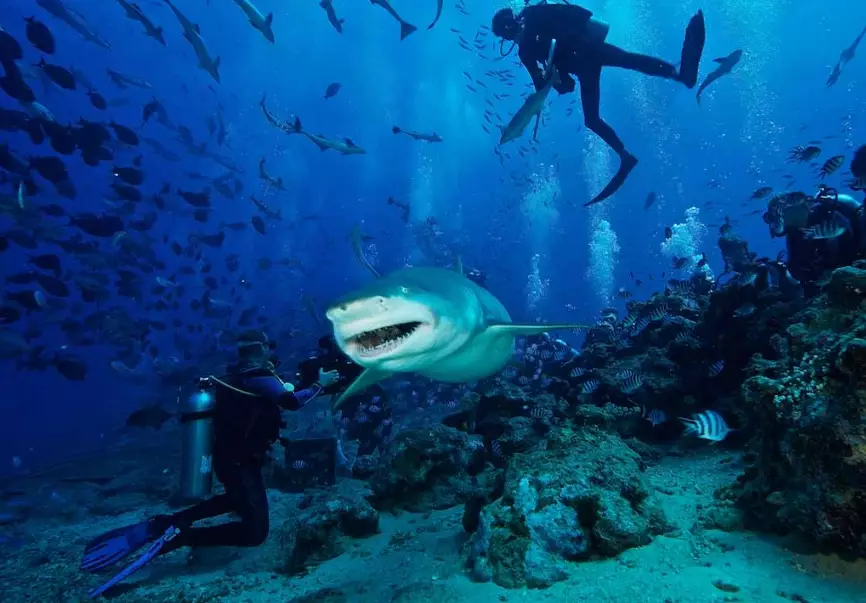
What Makes a "Top" Dive Site, Anyway?
Before we jump in, let's set the stage. A world-class dive site isn't just about clear water (though that helps). It's a combination of factors. Incredible marine life diversity—think sharks, mantas, tiny nudibranchs. Unique topography—sheer walls, swim-throughs, caverns. Historical significance, like a sunken warship. Or maybe it's just that feeling, that raw, untouched beauty you can't find anywhere else. Some spots are for adrenaline junkies, others are peaceful coral gardens perfect for beginners.
I've tried to balance this list. You'll find classics everyone knows, and a few that might surprise you.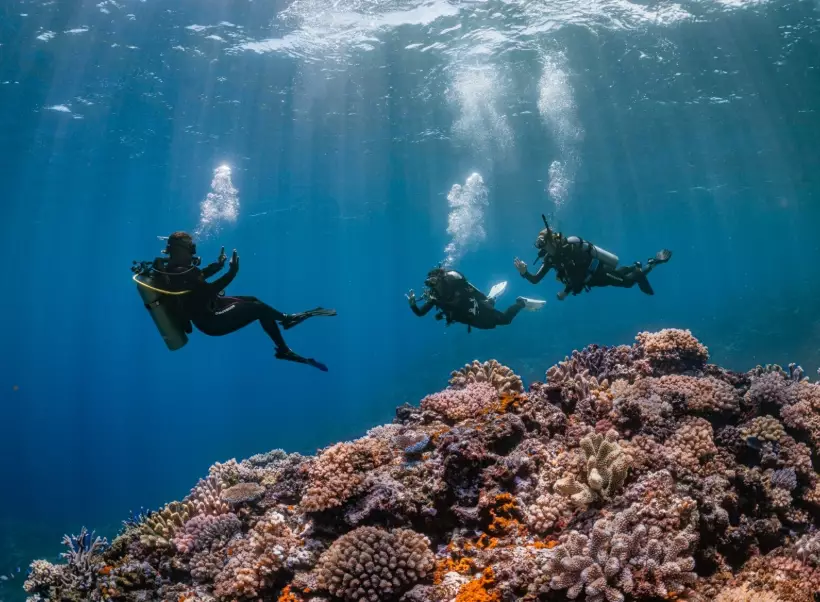
The Definitive List: Top 10 Places to Scuba Dive in the World
Here they are, in no particular order after the first one (because, come on, it's the Great Barrier Reef). Use the table below as your quick-reference cheat sheet.
| Dive Destination | Country/Region | Signature Experience | Best For | Peak Season |
|---|---|---|---|---|
| Great Barrier Reef | Australia | Vast Coral Ecosystems | All levels, Coral Lovers | June - October |
| Raja Ampat | Indonesia | Ultimate Biodiversity | Advanced, Macro Photographers | October - April |
| Galápagos Islands | Ecuador | Big Animal Encounters | Advanced/Strong Currents | June - November |
| Palau | Micronesia | Sharks & Jellyfish Lakes | All levels, Adventure Seekers | November - June |
| Blue Hole (Belize) | Belize | Iconic Deep Dive | Advanced/Technical Divers | April - June |
| Sipadan Island | Malaysia | Turtle Tornadoes & Walls | All levels | April - December |
| Red Sea (Egypt) | Egypt | Wrecks & Drift Dives | All levels, Wreck Divers | March - May, Sept - Nov |
| Silfra Fissure | Iceland | Diving Between Continents | All levels (Dry Suit) | Year-round |
| Cocos Island | Costa Rica | Pelagic Shark Action | Advanced/Liveaboard Only | June - December |
| Maldives | Maldives | Manta Rays & Channels | All levels, Luxury Travel | January - April |
See one that catches your eye? Let's dive deeper into each one.
The Great Barrier Reef, Australia
It's the big one. The reef system so massive it's visible from space. Look, it has faced challenges—bleaching events are a serious concern, which is something we can't ignore. But to write it off is a mistake. Large sections, particularly in the far north and outer reefs, remain breathtakingly vibrant.
Diving here is less about a single "spot" and more about exploring a continent of coral. You have the Ribbon Reefs for big stuff like reef sharks and minke whales (seasonally). The Cod Hole is famous for its friendly, potato-cod giants. For sheer coral gardens, sites like Flynn Reef are hard to beat. It's a place where you can spend a week on a liveaboard and still feel like you've only scratched the surface.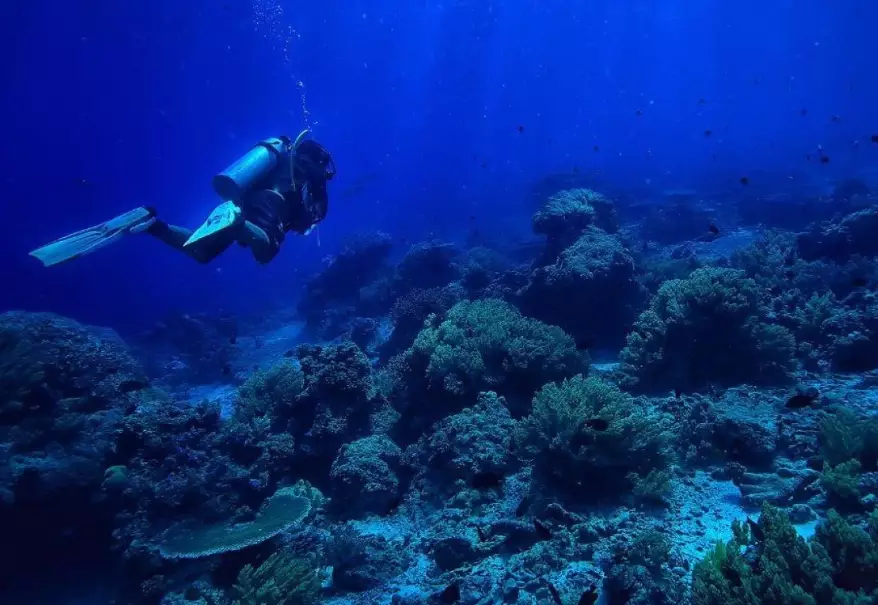
Raja Ampat, Indonesia
If the Great Barrier Reef is the grand old masterpiece, Raja Ampat is the wild, untamed jungle. Scientists believe this region has the highest marine biodiversity on Earth. We're talking over 1,500 species of fish and 75% of the world's known coral species. The numbers are staggering, but the feeling is what gets you.
Diving in the Dampier Strait, you're carried by gentle currents over fields of soft coral in every neon color imaginable. Manta rays glide at cleaning stations. Tiny, impossibly ornate creatures (pygmy seahorses, anyone?) hide in the nooks. It's a macro photographer's paradise, but also just a wonderland for anyone who loves life in the sea. The down side? It's remote. Getting there takes time and money. But honestly? Worth every second.
The Galápagos Islands, Ecuador
This is the safari of the diving world. Forget calm, warm reefs. This is raw, cold, current-swept, blue-water big animal action. You come here for the school of hundreds of scalloped hammerheads at Gordon Rocks. You come for the curious sea lions that bite your fins. You come hoping to see a whale shark (season depending).
It is not for beginners. The currents can be fierce, the water is chilly (a 7mm wetsuit or drysuit is mandatory), and the dives are deep. But if you have the experience and the nerves, it is arguably the most thrilling non-cave diving on the planet. Most diving is done via liveaboard, as the best sites are far from the main islands.
Palau
Palau is a world apart. Its signature experience is Jellyfish Lake, a snorkeling spot where millions of harmless golden jellyfish migrate daily (though their numbers fluctuate—check if they're visible before you go). But the scuba diving is the main event.
The Blue Corner is legendary. You hook in (using a reef hook) on the current-swept corner of a wall and watch the show: gray reef sharks, Napoleon wrasse, barracuda, and eagle rays. It's like front-row seats at the ocean's greatest theater. Then there's the Chandelier Cave, a series of chambers filled with stalactites where you can surface inside air pockets. Palau manages to blend adrenaline-pumping drifts with serene, weird, and wonderful experiences.
The Great Blue Hole, Belize
This one is about the icon. From the air, it's a perfect dark blue circle in the turquoise Caribbean. The dive itself is a deep, dark descent along stalactite-covered walls to about 130-140 feet. You don't go for coral or fish—life is sparse that deep. You go for the geology, the history (those stalactites formed in a dry cave during the last ice age), and the sheer awe of it.
Let me be honest: as a recreational dive, it can be a bit... boring after the initial wow factor. You go down, you look at the formations, you do your safety stop, and you're done. The real magic of Belize is on the surrounding Lighthouse Atoll reefs, which are spectacular. So, do the Blue Hole for the bucket-list check, but plan to spend more time on the other sites.
Sipadan Island, Malaysia
Sipadan is a tiny oceanic island that just explodes with life. It's famous for the "turtle tornado"—literally dozens of green and hawksbill turtles feeding, sleeping, and swimming around you. At Barracuda Point, you might see a swirling vortex of thousands of barracuda forming a living tornado.
The island is a protected park, with limited permits per day, so it never feels overcrowded underwater. The walls drop away into the deep blue, covered in hard corals and gorgonians. It's accessible, warm, and consistently delivers incredible encounters. A perfect answer for someone asking for the top 10 places to scuba dive in the world who wants a balance of excitement and ease.
The Red Sea, Egypt
The Red Sea is Europe's diving playground, and for good reason. It's relatively accessible, affordable, and packed with variety. You've got two main routes: the northern wrecks (like the iconic SS Thistlegorm, a WWII wreck with trucks, motorcycles, and boots still in the hold) and the southern reefs of the Brothers, Daedalus, and Elphinstone (known for shark encounters).
The reefs are resilient and colorful, the water is clear and warm, and the liveaboard culture is well-established. You can have a fantastic dive holiday here without breaking the bank. The Ras Mohammed National Park is a particular highlight. It's a classic for a reason.
Silfra Fissure, Iceland
This is the oddball on the list, and that's why it's here. Silfra is not about fish. There are maybe three in the whole fissure. It's about geology and clarity. You are diving in glacial meltwater that has been filtered through porous lava rock for decades. The visibility is often over 100 meters (300+ feet)—it's like floating in air.
Oh, and you're swimming directly between the North American and Eurasian tectonic plates. The crack in the earth. You can literally touch both continents at once. It's a cold water dive requiring a drysuit (they'll rent you one), and it's more of a gentle drift than an active dive. But the experience is so unique, so surreal, that it absolutely deserves a spot when considering the top 10 places to scuba dive in the world. It completely redefines what a dive can be.
Cocos Island, Costa Rica
Think of Cocos as the remote, wild cousin of the Galápagos. It's an uninhabited island over 300 miles off the Costa Rican coast, accessible only by a 36-hour liveaboard boat ride. Why go through that? For the largest congregations of scalloped hammerhead sharks on the planet. For massive schools of jacks and tuna that form living walls. For reliable sightings of majestic manta rays and dolphin pods.
It's another advanced destination, with strong currents, deep dives, and sometimes challenging conditions. But the sheer density of pelagic life is almost unmatched. It's a true expedition for serious divers.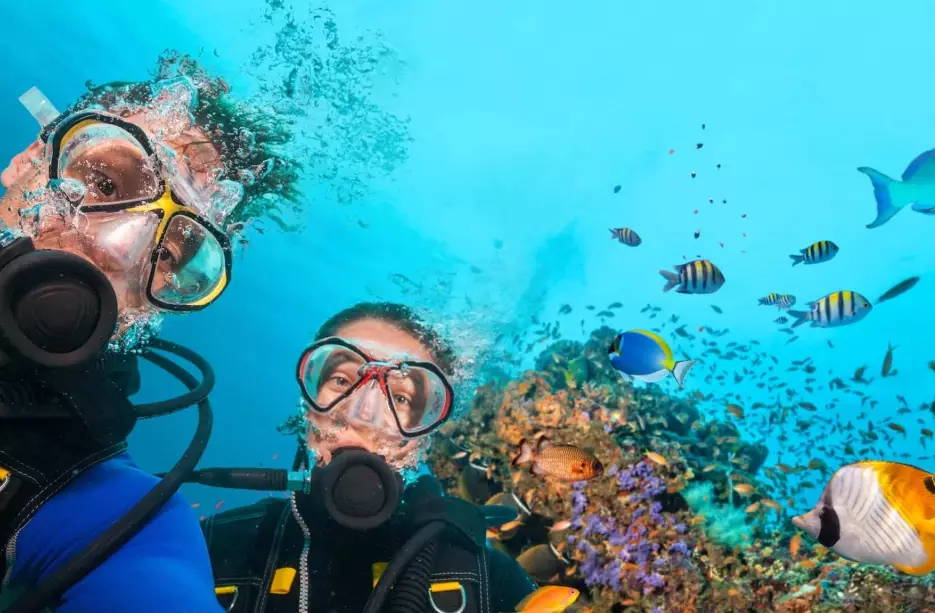
The Maldives
The Maldives is the poster child for tropical paradise, and its underwater world lives up to the hype. Diving here is defined by the "kandu" or channels. As the tide flows out of the atolls, it funnels through these channels, bringing in nutrients. You drift along the channel edge, holding on to watch dozens of manta rays and eagle rays swoop and feed in the current. It's ballet, not a frenzy.
Then there are the thilas (underwater pinnacles) teeming with colorful reef fish, and the possibility of whale shark encounters in the South Ari Atoll. It's a luxurious, relaxing diving destination where you can combine world-class diving with overwater bungalow pampering. Yes, it's expensive. But the manta ray experience alone is magical.
Beyond the List: Answering Your Diving Questions
If you're newly certified, you want calm conditions, good visibility, and minimal current. From this list, the Maldives (outside the channels), Belize (on the reef, not the Blue Hole), and parts of the Great Barrier Reef and Red Sea are fantastic choices. Sipadan is also very accessible. Avoid Galápagos, Cocos, and the strong-current sites in Palau and Raja Ampat until you have more experience and buoyancy control.
Hands down, Egypt's Red Sea. Flights from Europe are cheap, liveaboards and shore-based packages offer great value, and the cost of living there is low. Belize and Malaysia (for Sipadan) can also be moderately priced, especially compared to remote Pacific destinations. Raja Ampat, Galápagos, Cocos, and the Maldives are on the premium end.
It depends on your subject.
Macro/Small Critters: Raja Ampat is unbeatable. The Lembeh Strait in Indonesia (not on this top 10 list but a world-class macro site) is also essential.
Big Animals/Wide Angle: Galápagos, Cocos Island, Palau.
Wrecks: Red Sea (Thistlegorm).
Unique Landscape: Silfra.
This is critical. Ask questions:
- Do they enforce no-touch, no-glove policies?
- Do they use mooring buoys instead of dropping anchor on coral?
- How do they handle large groups? (Smaller groups are better).
- Are they locally owned or at least employ local guides?
Look for affiliations with Project AWARE or Green Fins. Read recent reviews not just about the diving, but about their environmental practices.
Your choices matter down there.
Making Your Choice: It's More Than Just a List
Ultimately, figuring out what are the top 10 places to scuba dive in the world is a personal journey. My top 10 might be different from yours in a year's time. The health of reefs changes, new discoveries are made, and our own interests evolve.
The best advice I can give? Match the destination to your skill level and passion. Don't just chase a name. If you love tiny, weird creatures, prioritize Raja Ampat over the Blue Hole. If you dream of sharks, save up for Galápagos or Cocos. And always, always dive with respect. We're visitors in an alien world, and it's our responsibility to keep it pristine for the divers who come after us, asking the same question: "Where should I go next?"
Hopefully, this gives you a solid starting point. The ocean is waiting.
Your comment