Dive Spot Quick Guide
You've typed it into Google a dozen times. You've read magazine lists and watched influencer videos. Everyone seems to have a different opinion. The truth is, asking where is the number one dive spot in the world is like asking for the best song ever written. It depends on who you ask, what you love, and what you're looking for that day. But as someone who's spent more time underwater than seems reasonable, and has blown a small fortune on airfare and nitrox, I think we can get to a real answer. Not a clickbait one, but the kind you'd give a friend who's about to spend their hard-earned vacation time and money.
We're not just picking a name out of a hat. We need to talk about what "number one" even means. Is it about the most fish? The clearest water? The weirdest creatures? The feeling you get when you're down there? For me, the top spot has to tick a few non-negotiable boxes: insane biodiversity (the "who's who" of the ocean), reliable conditions, that intangible "wow" factor, and honestly, it has to be worth the journey. Because let's be real, many of these places aren't exactly around the corner.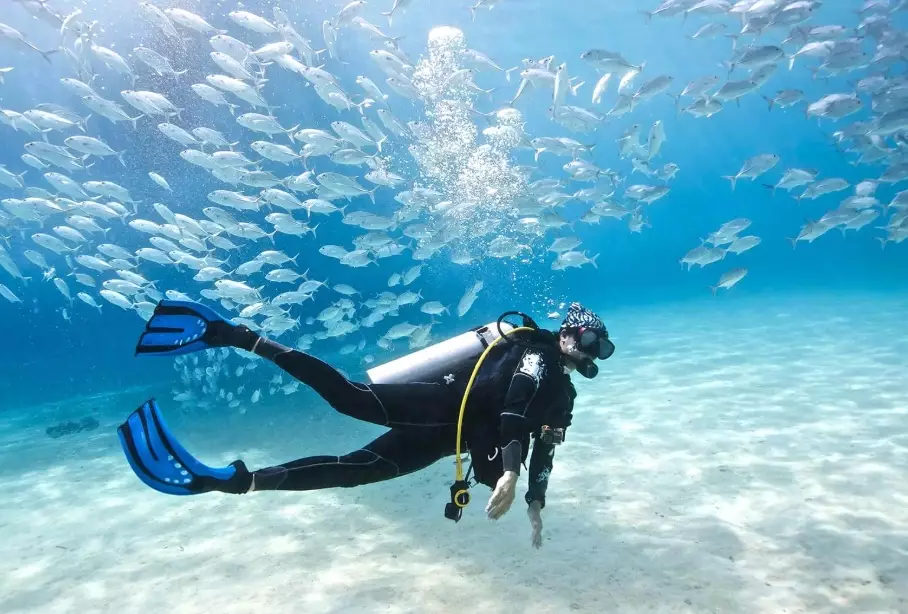
The Usual Suspects: Contenders for the Crown
Before we crown a winner, let's give the other champions their due. These are the places that consistently top the lists, and for good reason. Ignoring them would be dishonest.
Raja Ampat, Indonesia
If marine life diversity was the only scorecard, Raja Ampat would win, full stop. Scientists from institutions like Conservation International have published studies showing this region has the highest recorded marine biodiversity on the planet. We're talking over 1,500 fish species and 550 coral species in one archipelago. The numbers are staggering. Diving here feels like someone turned the color saturation and fish population sliders to maximum. Every square inch of reef is crawling, swimming, or blooming with life.
But (and here's my personal gripe) it's a logistical marathon. Getting there involves multiple flights and a boat ride. The currents can be fierce, making it better for experienced divers. And sometimes, the sheer density can feel almost overwhelming. It's a masterpiece, but it's a busy, complex masterpiece.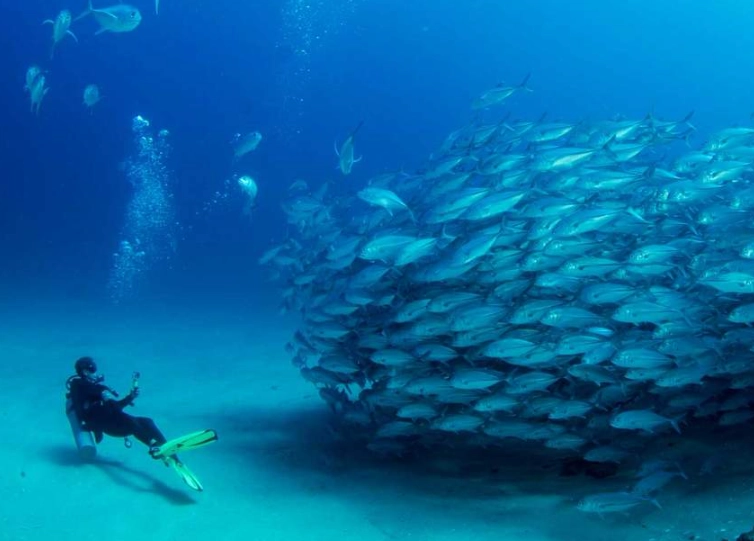
The Great Blue Hole, Belize
Iconic? Absolutely. A must-do for any diver's life list? Probably. The number one dive spot in the world? I'm not convinced. The descent into the abyss is surreal—you pass giant stalactites in the eerie, dark blue silence. It's a geological wonder. But the truth is, for most of the dive, there's not a lot of life until you reach the ledge at around 40 meters. It's more of a thrilling geological experience than a vibrant reef dive. For me, it's a spectacular one-hit wonder, not a place you'd base a whole diving holiday.
SS Yongala, Australia
This is the single best wreck dive I've ever done. No contest. The ship is an artificial reef absolutely blanketed in life. Giant gropers, massive schools of trevally, sea snakes, rays, you name it. The pelagic action is insane. But can a single wreck, subject to sometimes challenging visibility and currents, claim the top global spot? It's a world-class site, maybe the best of its kind, but the title demands more variety.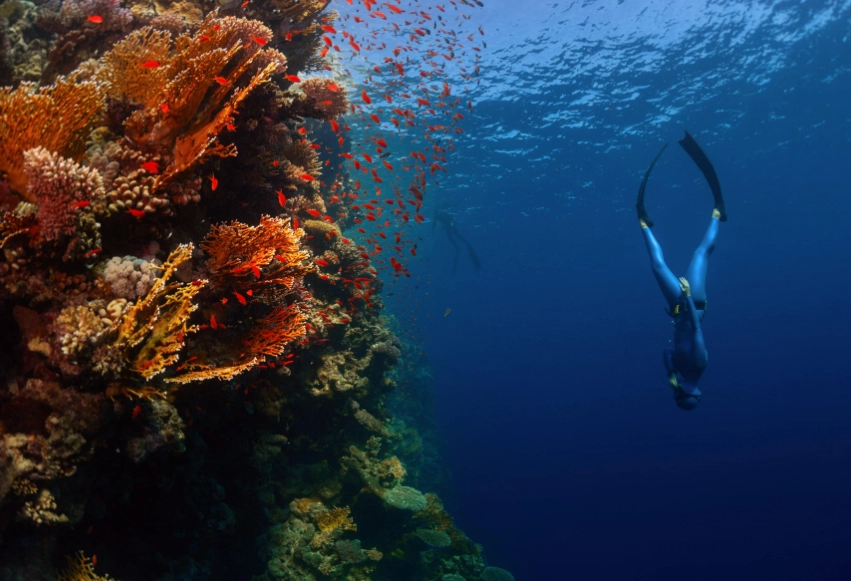
And the Winner Is... The Coral Triangle Epicenter
After all that, if you put a gun to my head and asked, "Where is the number one dive spot in the world?" I wouldn't name a single site. I'd name a region. But within that region, there's a specific heart where everything comes together perfectly.
For the ultimate combination of accessibility, consistent mind-blowing dives, creature features, and that post-dive "I can't believe what I just saw" feeling, the crown goes to the epicenter of the Coral Triangle. And if I have to be more precise, the pinnacle of that experience is often found in the waters around North Sulawesi, Indonesia, specifically the Bunaken National Marine Park and the Lembeh Strait.
Hear me out. This one-two punch offers something no other single location can.
You spend a week diving the vertical walls of Bunaken. Visibility is often a staggering 30-40 meters. You drift along drop-offs covered in giant sponges and sea fans, watching schools of barracuda and reef sharks cruise by in the blue. The coral health is exceptional. Then, you take a short trip to the Lembeh Strait, the undisputed "Critter Capital of the World." This is where you find the weird and wonderful: mimic octopuses, hairy frogfish, blue-ringed octopuses, and a dozen species of shrimp you didn't know existed. It's muck diving at its finest.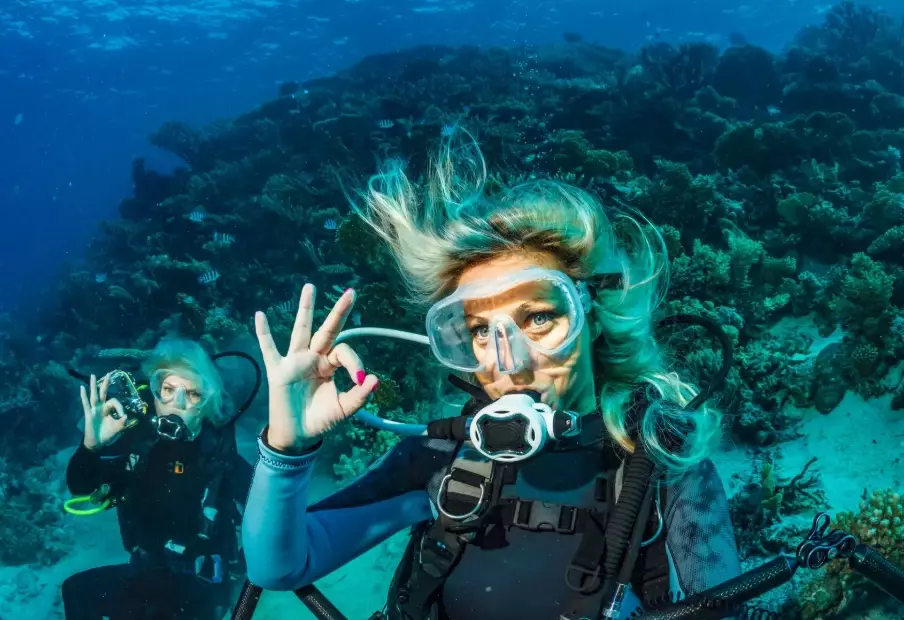
This combo gives you the grand, awe-inspiring spectacle and the intimate, macro wonderland. You get the adrenaline of drift dives and the patient hunting of muck dives. The infrastructure is well-established, with dive resorts catering to all levels. It's easier to get to than Raja Ampat. It feels complete.
| Contender | Biggest Strength | Potential Drawback | Best For |
|---|---|---|---|
| Raja Ampat, ID | Planet's Highest Biodiversity | Remote, Expensive, Strong Currents | Experienced divers, underwater photographers, biodiversity nerds. |
| Great Blue Hole, BZ | Iconic, Geological Wonder | Limited Marine Life on Descent, Deep | Bucket-list tick, advanced divers wanting a unique experience. |
| SS Yongala, AU | Unrivaled Pelagic Action on a Wreck | Single Site, Variable Vis | Wreck lovers, divers seeking big animal encounters. |
| Bunaken/Lembeh, ID | Perfect Combo of Walls & Macro, Accessible | Less "brand name" than others | Divers wanting variety, all skill levels, macro & wide-angle photographers. |
| Galápagos, EC | Big Animal Spectacle (Sharks, Rays, Whales) | Cold Water, Strong Currents, Advanced Only | Adventurous, experienced divers seeking pelagics. |
See the pattern? One place gives you a slice of heaven. This combo gives you the whole pie.
What Makes a Site "Number One"? The Real Criteria
Forget magazine ads. Let's break down what you, as a diver, actually care about when trying to find where the number one dive spot in the world is for you.
- Marine Life Density & Diversity: Are you seeing something new on every dive? Both big and small?
- Consistency: Is it world-class year-round, or only in a specific season?
- Dive Conditions: Visibility, current strength, water temperature. Can an intermediate diver enjoy it?
- "Wow" Factor: That intangible feeling. Does it leave you speechless?
- Logistics & Accessibility: Can you actually get there without a PhD in travel planning?
- Uniqueness: Does it offer something you truly can't find anywhere else?
Using this list, many famous sites start to falter. The Galápagos is unbelievable for sharks and whales, but it's cold, has strong currents, and is strictly for advanced divers. The Red Sea has beautiful wrecks and reefs, but coral bleaching has impacted some areas. Thailand is accessible and fun, but doesn't have the raw biological intensity of the Coral Triangle.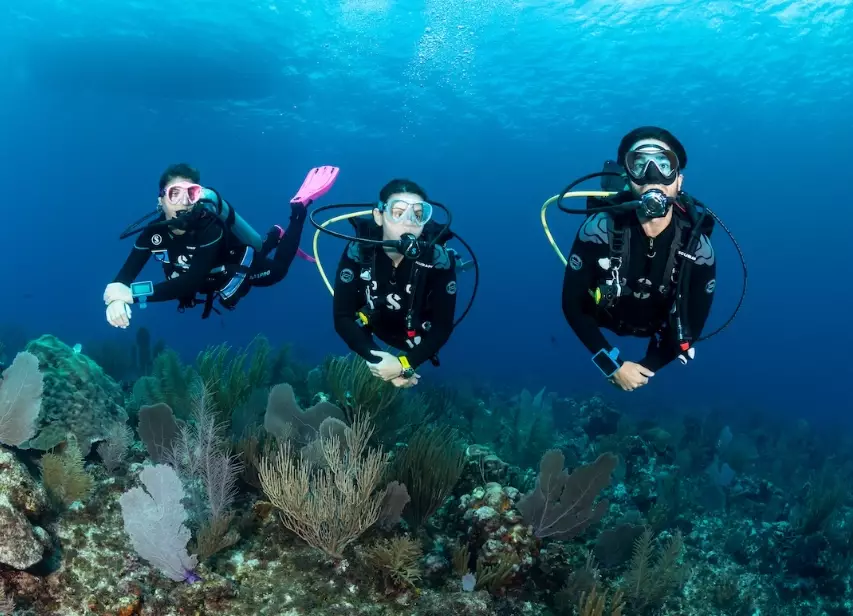
The Bunaken/Lembeh combo scores highly across all categories. It's not the absolute best in every single one (Raja Ampat wins on pure diversity), but its overall average is unbeatable.
Beyond the Label: Finding Your Personal Number One
Maybe you hate small boats. Maybe you get cold easily. Perhaps your dream is to see a hammerhead shark, not a pygmy seahorse. Your personal number one dive spot in the world will be different from mine.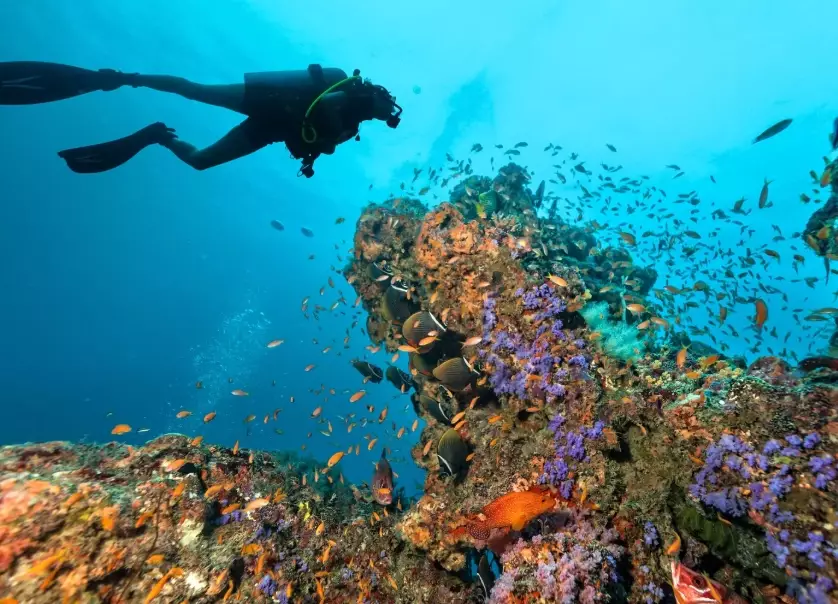
Here’s a quick guide to match your desire to a destination:
- For Macro & Critter Nerds: Lembeh Strait (Indonesia), Anilao (Philippines), Mabul (Malaysia).
- For Pelagic Action & Big Animals: Cocos Island (Costa Rica), Socorro Islands (Mexico), the Galápagos (Ecuador).
- For Pristine Walls & Coral Gardens: Bunaken (Indonesia), Tubbataha Reefs (Philippines), some remote atolls in the Maldives.
- For Iconic Wrecks: Truk Lagoon (Micronesia), the SS Yongala (Australia), the wrecks of the Red Sea (Egypt).
- For Accessibility & All-Round Fun: The Philippines (like Bohol or Puerto Galera), parts of Thailand (like the Similan Islands), the Bay Islands of Honduras.
The internet is obsessed with rankings. But the real joy of diving is in the experience itself—the weightlessness, the discovery, the quiet. Whether you're in a world-famous channel or a quiet local reef, that feeling is what you're chasing.
So, where is the number one dive spot in the world?
For the balance of sheer magic, variety, and accessibility, the heart of the Coral Triangle, exemplified by the twin jewels of Bunaken's walls and Lembeh's muck, makes the strongest case. It delivers on the promise. It answers the question with dives that leave you grinning through your regulator, fumbling with your camera, and desperately trying to remember the name of that weird shrimp you just saw. And really, that's what you wanted to know all along, isn't it? Not just a name on a list, but a guarantee of an experience you'll never forget. That's the true mark of the number one.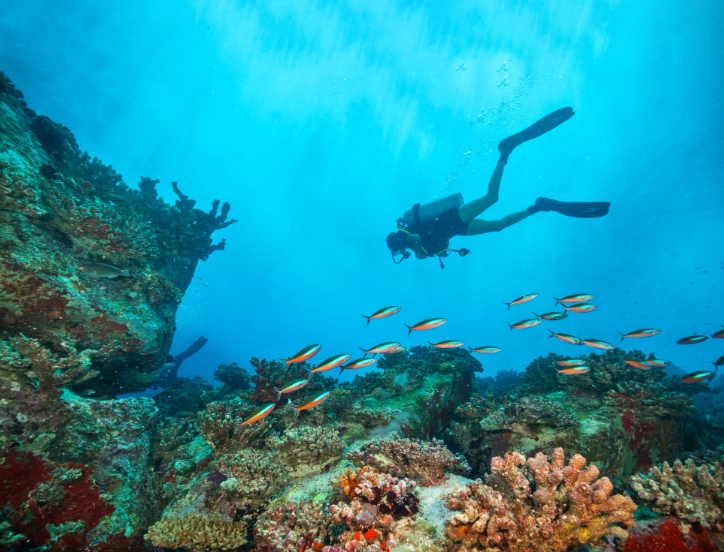
Now, go check flight prices. And start saving for a new camera housing. You're going to need it.
Comments