Dive Spot Snapshot
- How to Even Judge a "Best" Diving Destination
- The Heavy Hitters: Legendary Dive Destinations That Earn Their Rep
- Beyond the Legends: Underrated Gems and Specialists
- Matching the Destination to Your Diver Profile
- The Nitty-Gritty: Budget, Season, and Logistics
- Safety and Conservation: Non-Negotiables
- Answering Your Burning Questions (The FAQ Section)
- Final Bubbles of Advice
Let's cut right to the chase. You typed that question into Google, and you're probably staring at a dozen lists all claiming to have the definitive answer. It's overwhelming, right? One list raves about the Maldives, another swears by Palau, and a third is all about some remote atoll you can't even pronounce. I've been there—both as a diver and as someone trying to write something useful.
The truth is, asking "what are the best scuba diving places?" is like asking what the best food is. It depends. Are you a new diver trembling at the thought of your first open water dive? A seasoned pro hunting for a adrenaline-pumping drift dive? Or maybe you're traveling with family and need a site that's safe, stunning, and has a nice beach bar for après-dive? The "best" is deeply personal.
But after logging dives from the chilly kelp forests of California to the bath-warm waters of the Coral Triangle, I've learned that while "best" is subjective, there are destinations that consistently blow divers' minds. They're the places that create legends, fill logbooks, and empty bank accounts (worth every penny, by the way). This isn't just another AI-regurgitated list. We're going to dig into what actually makes a dive site legendary, look at contenders for the crown, and, more importantly, give you the tools to figure out which of these best scuba diving places is the best for YOU.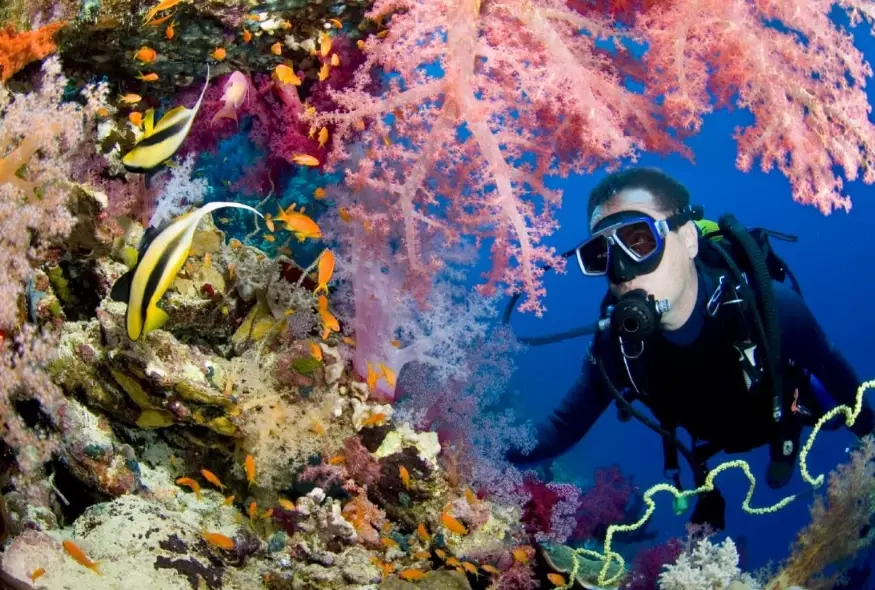
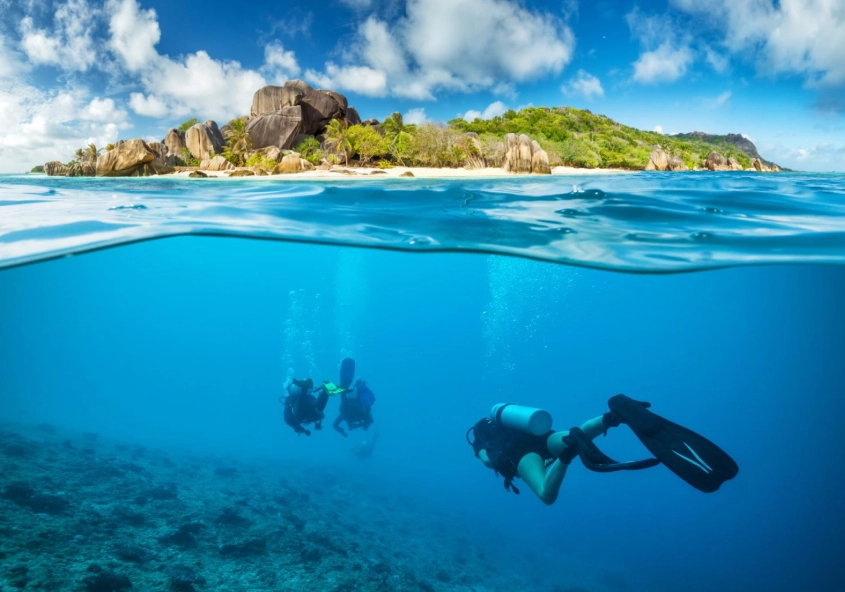
Here's the thing: A "best" dive destination isn't just about clear water. It's a combo punch of marine biodiversity, unique topography, reliable conditions, healthy reefs (where applicable), and that intangible "wow" factor. Accessibility and infrastructure matter too—a pristine site you can't safely get to doesn't help anyone.
How to Even Judge a "Best" Diving Destination
Before we jump into names and places, let's set the criteria. When I'm evaluating a spot, I'm mentally running through this checklist. You should too.
- Marine Life & Biodiversity: Is it a barren wasteland or a bustling underwater metropolis? We're talking about the variety and abundance of creatures, from the tiny nudibranchs to the big pelagics.
- Visibility & Water Conditions: How far can you see? Is the current manageable for your skill level? Is the water temperature something you can handle for 45 minutes?
- Topography & Dive Sites: Walls, pinnacles, wrecks, swim-throughs, caverns? Variety keeps diving exciting.
- Health of the Ecosystem: Sadly, this rules out a lot of places now. Coral bleaching and over-tourism are real. The best places often have strong conservation efforts.
- The "X-Factor": That unique thing you can't find anywhere else. Swimming with whale sharks in a specific season, a WWII wreck teeming with life, a lake full with prehistoric-looking creatures.
- Dive Logistics & Safety: Are there reputable dive operators? Reliable safety protocols? Good infrastructure for getting there and staying there?
See? It's more than just pretty fish.
The Heavy Hitters: Legendary Dive Destinations That Earn Their Rep
These are the names you hear over and over in dive shops. They're famous for a reason. Let's break them down honestly.
The Coral Triangle Epicenter (Raja Ampat, Indonesia)
Often called the "epicenter of marine biodiversity" on the planet, and for good reason. Scientists say this region has more marine species than anywhere else. We're talking about over 1,500 species of fish and 75% of the world's known coral species. It's mind-boggling.
The Vibe: Remote, adventurous, and pure wilderness diving. You're usually on a liveaboard, bouncing between tiny, jungle-covered islands. The reefs are staggeringly healthy and colorful—a sensory overload of life. It's not uncommon to see several different species of reef sharks, massive schools of fish, and pristine hard corals all on a single dive.
Who it's for: Experienced divers who are comfortable with currents and want the ultimate biodiversity fix. It's a pilgrimage site.
The Catch: It's far, it's expensive (getting there and the liveaboard), and it's not for beginners. The currents can be strong. Also, the sheer density of life can be overwhelming—you'll miss things because you're looking at something else. A great problem to have.
Personal Note: I did a 10-day liveaboard here. On one dive at Cape Kri, my dive computer showed over 300 fish species logged. I didn't even know that was possible. It redefined my understanding of a "healthy reef." But man, the jetlag getting to Sorong is no joke.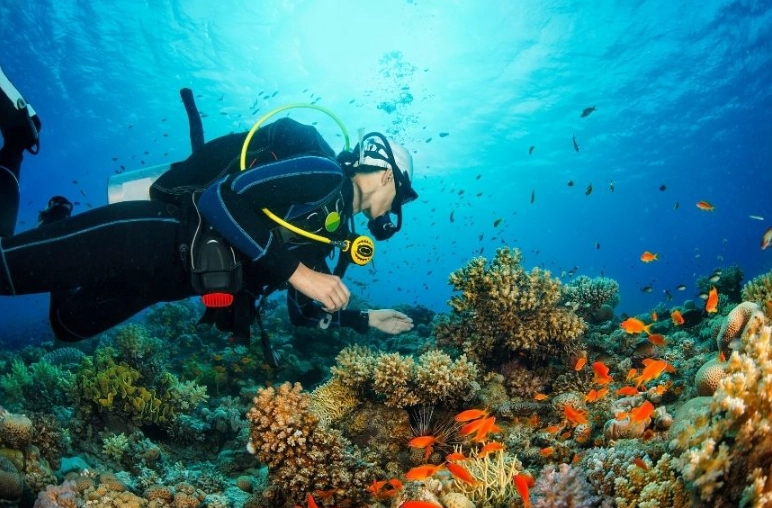
The Big Animal Encounters (Galápagos Islands, Ecuador)
If Raja Ampat is about the small and numerous, Galápagos is about the big, the bold, and the rare. This is cold-water diving (well, cool—18-24°C/64-75°F) fueled by nutrient-rich currents that attract massive pelagics.
The Vibe: Expedition-style diving. You're there to see the icons: schooling hammerhead sharks, whale sharks (seasonal), marine iguanas (the only ones in the world!), Galápagos sharks, and playful sea lions. The topography is dramatic—volcanic formations, sheer walls.
Who it's for: Advanced divers only. The currents are powerful, the water is cooler, and the dives can be deep and demanding. This is serious diving for serious divers.
The Catch: Besides needing advanced certs, it's another expensive, liveaboard-only destination (for the best sites). The visibility can be lower due to plankton, but that's what brings the big guys. You don't go to Galápagos for crystal-clear blue water; you go for the animal royalty.
A Reality Check: I've talked to divers who were disappointed by Galápagos because they expected calm, warm, colorful coral reefs. It's not that. It's raw, wild, and often looks more like a thrilling documentary than a postcard. Manage your expectations.
The Wreck Diving Capital (Truk Lagoon, Micronesia)
For history buffs and wreck enthusiasts, this is the undisputed king. A sunken fleet of Japanese warships, airplanes, and tanks from WWII, all lying in a sheltered, warm-water lagoon.
The Vibe: Eerie, historical, and fascinating. It's like diving in a museum. The wrecks are largely intact, covered in corals and sponges, and home to huge populations of fish. You can swim through engine rooms, see anti-aircraft guns, and even find dishes and bottles.
Who it's for: Wreck divers, history enthusiasts, and photographers. Good buoyancy control is non-negotiable to protect the wrecks and yourself.
The Catch: It's extremely remote and expensive. Some wrecks are deep, requiring advanced training. The sheer number of wrecks can be daunting—you need a plan or a good guide to focus your dives.
The Accessible Paradise (Great Barrier Reef, Australia)
Yes, it's on every list. No, it's not all dead (despite the alarming headlines). The GBR is a massive system, over 2,300 km long. The health varies dramatically. The outer reefs, accessed from Cairns or Port Douglas, can still offer breathtakingly beautiful diving.
The Vibe: Iconic. You're diving on the world's largest living structure. The variety is insane—from the famous Cod Hole with its potato cods to the spectacular Ribbon Reefs. The infrastructure is top-notch, with day boats and liveaboards for all levels.
Who it's for: Everyone, truly. From first-time divers doing their checkout dives on the reef to advanced divers exploring the Coral Sea. It's one of the most accessible world-class destinations.
The Catch: Parts of the reef, especially inshore areas near the coast, have suffered from bleaching and runoff. You need to choose your operator and reef site carefully. It can also feel touristy. But dismissing the entire GBR is a mistake. Places like the Heron Island or Lizard Island research stations show what a protected, healthy part of the reef looks like.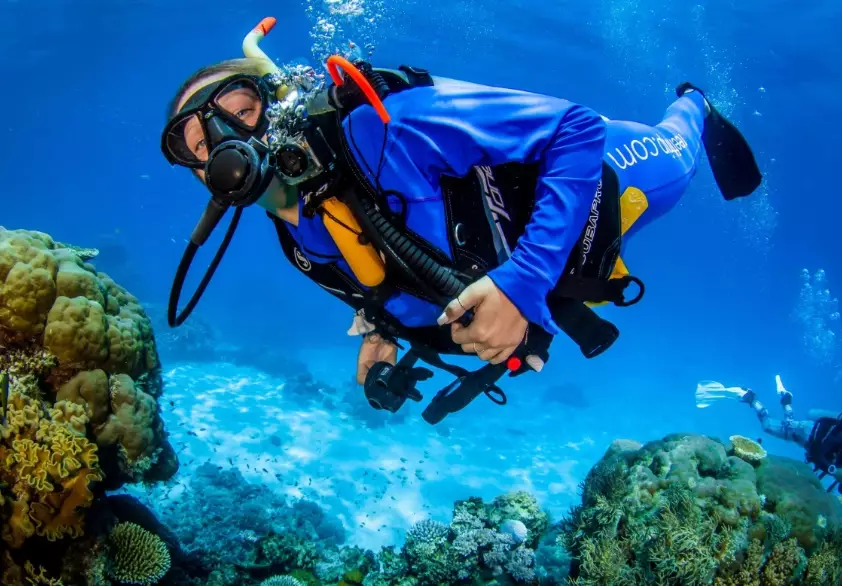
My first dive on the GBR was at Norman Reef. I was a new diver, nervous. Descending onto that giant plate coral, surrounded by a school of shimmering trevally, is a core memory. It's where I fell in love with diving. It's not the most pristine place I've been, but it's accessible magic.
Beyond the Legends: Underrated Gems and Specialists
The "best scuba diving places" aren't always the most famous. Sometimes the magic is in a lesser-known spot that perfectly matches your vibe.
- Sipadan Island, Malaysia: A tiny island that's a protected marine park. Famous for the Barracuda Point tornado—a swirling vortex of thousands of barracuda. Also, turtles everywhere. I mean, everywhere. You need a permit, which limits divers and preserves the magic.
- Silfra Fissure, Iceland: Not tropical, but utterly unique. Diving between the North American and Eurasian tectonic plates in water filtered through lava rock for decades. The visibility is over 100 meters. It's a pure, otherworldly experience. Cold, though. Very, very cold.
- Mafia Island, Tanzania: Often overshadowed by Zanzibar, but it's the place for reliable, seasonal whale shark encounters in East Africa. The reefs are healthy, and the vibe is super laid-back. A fantastic alternative to the busier Mozambique or Madagascar.
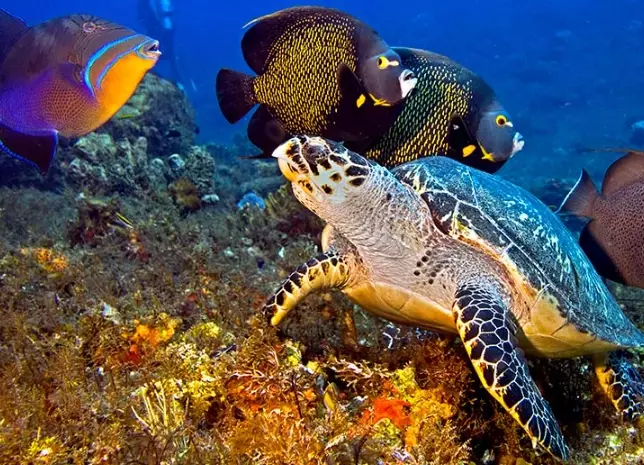
- Poor Knights Islands, New Zealand: A temperate water wonderland. Sub-tropical currents bring warm water and unusual species. Huge arches, caves, and the world's largest sea cave (Rikoriko). It's packed with fish life, nudibranchs, and sometimes dolphins. A must for divers wanting something completely different from coral reefs. The Department of Conservation status helps keep it pristine.
Matching the Destination to Your Diver Profile
Let's get practical. Here’s a quick guide to help you narrow down what are the best scuba diving places for your specific situation.
| Diver Type | Priorities | Top Contender Suggestions | Maybe Avoid... |
|---|---|---|---|
| Beginner (Open Water) | Calm, warm, shallow water; good instruction; forgiving conditions. | Bonaire (shore diving), Bay Islands (Honduras), parts of the Red Sea (Egypt), Great Barrier Reef (inner reefs). | Galápagos, Cocos Island, strong current sites in Palau or Raja Ampat. |
| Advanced/Adventure Diver | Strong currents, big animals, deep wrecks, unique challenges. | Galápagos, Socorro Islands (Mexico), South Africa (sardine run), Truk Lagoon, some sites in Palau & Indonesia. | Destinations known only for easy, shallow reef diving. |
| Underwater Photographer | Great visibility, interesting subjects (macro or big), reliable conditions. | Raja Ampat (macro & wide-angle), Anilao (Philippines) for macro, Socorro for big animals, clear-water Caribbean sites. | Places with consistently poor vis or where currents make photography very difficult. |
| Budget-Conscious | Good value, affordable accommodations, reasonable flight costs. | Egypt (Red Sea), Utila (Honduras), Koh Tao (Thailand), Philippines (outside peak season). | Remote South Pacific islands, Galápagos, Cocos Island, most liveaboards. |
| Family or Non-Diver Friendly | Great diving AND nice beaches, resorts, activities for everyone. | Maldives, Belize (barrier reef & atolls), Hawaii, Cayman Islands, Fiji. | Remote liveaboard-only destinations or places with limited topside amenities. |
See how it changes? Your "best" is in that right-hand column.
The Nitty-Gritty: Budget, Season, and Logistics
Dreaming is free, but diving isn't. Let's talk reality.
Budget Breakdown: A dive trip cost isn't just flights. It's:
- Flights (often the biggest chunk)
- Accommodation
- Dive packages/boat trips/liveaboard
- Gear rental (if you don't bring yours)
- Food, drinks, tips
- Park fees & permits (can be hefty, e.g., Galápagos Park fee, Sipadan permit)
A week in Southeast Asia (Thailand, Philippines) might cost you $1500-$2500 all-in. A 10-day liveaboard in the remote Pacific can easily hit $8000+ before flights.
Pro Tip: The shoulder season (just before or after peak season) can offer better prices and fewer crowds, with still-decent conditions. Always check with local operators about weather patterns.
Seasons Matter. A Lot. You can't just show up anytime. Monsoon seasons mean rough seas and closed dive centers. Animal migrations (whale sharks, mantas) are seasonal. For example, diving with whale sharks in Isla Mujeres, Mexico is primarily a summer thing. In the Maldives, the best side of the atoll to dive on depends on the monsoon (wet vs. dry season). Research is key.
Safety and Conservation: Non-Negotiables
No dive site, no matter how amazing, is worth risking your life for or destroying.
Choosing an Operator: Don't just pick the cheapest. Look for operators with a strong safety culture. Do they brief thoroughly? Do they check credentials and logbooks? Do their boats have oxygen and first aid? Read recent reviews, not just the glossy website.
Your Responsibility: Dive within your limits. Be honest about your skills and recent dives. Get the proper training (e.g., Advanced Open Water, Deep Diver, Wreck Diver) before attempting challenging sites. A good dive operator will turn you away if you're not qualified for a site—that's a sign they care.
Conservation: We are guests in the ocean. The best scuba diving places stay that way because of protection. Practice good buoyancy to avoid touching corals. Don't harass marine life. Use reef-safe sunscreen. Support operators involved in conservation. Consider citizen science projects like Reef Environmental Education Foundation (REEF) fish surveys.
It's heartbreaking to see a site degrade over the years. I've seen it. We all have a part to play in keeping these places pristine for the next diver who asks, "what are the best scuba diving places?"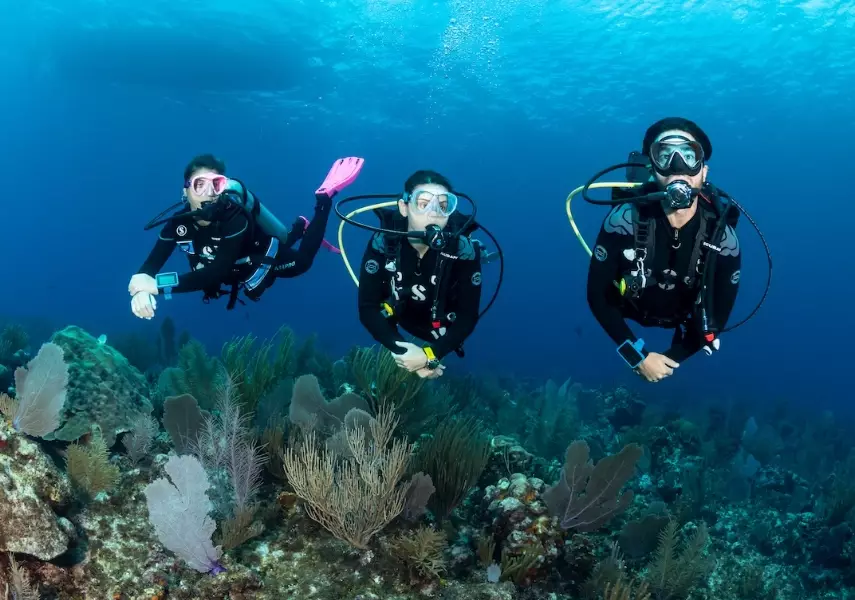
Answering Your Burning Questions (The FAQ Section)
Final Bubbles of Advice
So, after all this, what are the best scuba diving places?
They're the ones that call to you. The ones that match your skill, your budget, and your dream. Maybe it's the crystal-clear blue of a Cayman wall, the eerie silence of a Truk Lagoon wreck, or the fish tornado at Sipadan.
My biggest piece of advice? Don't get hung up on finding the one absolute "best." There are dozens of world-class destinations. Pick one that excites you, plan responsibly, and go. The best dive is always the next one.
And remember, conditions change, reefs recover or suffer, and new gems are discovered. The list of what are the best scuba diving places is always evolving. Your personal list will too, with every new entry in your logbook.
Now stop reading and start planning. The ocean's waiting.
Your comment