Quick Navigation
That's the million-dollar question, isn't it? You've seen the photos—a serene giant, its speckled skin glowing in the sun-dappled water, with tiny divers floating nearby in awe. And you've thought, "I need to do that." But then the practical questions creep in. Is it even allowed? Where do you go? Is it safe for them... and for you? The short, sweet answer is a resounding yes, you absolutely can dive with whale sharks. But—and this is a massive but—it's not as simple as just booking any old trip. Doing it right matters more than you might think.
This isn't just about ticking off a bucket list item. It's about understanding what you're stepping into. A whale shark encounter can be one of the most humbling, breathtaking experiences of your life, or it can be a crowded, stressful mess that leaves you feeling guilty. The difference lies in the details. I've been on both sides of the coin—magical, respectful dives and chaotic snorkeling free-for-alls that made me cringe. So let's cut through the noise and talk about what it really means to share the water with the ocean's gentle giant.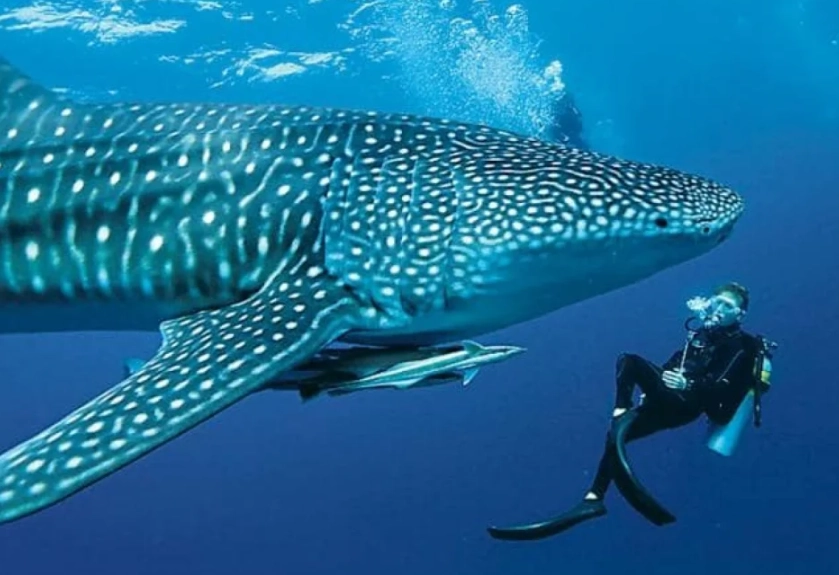
The Core Truth: Diving or swimming with whale sharks is a privilege, not a right. These are wild, endangered animals (listed as Endangered on the IUCN Red List), and our actions directly impact their well-being. A responsible encounter is the only acceptable kind.
Where in the World Can You Dive with Whale Sharks?
Whale sharks are found in tropical and warm-temperate seas worldwide, but they congregate in specific locations, often following seasonal plankton blooms. These aggregations are where most organized trips happen. The experience varies wildly from place to place—from swimming in crystal-clear open water to drifting in murkier, nutrient-rich currents.
Here’s the real breakdown of the top spots. I've ranked them not just by popularity, but by the consistency of sightings and the overall framework for responsible tourism, which is honestly what matters most.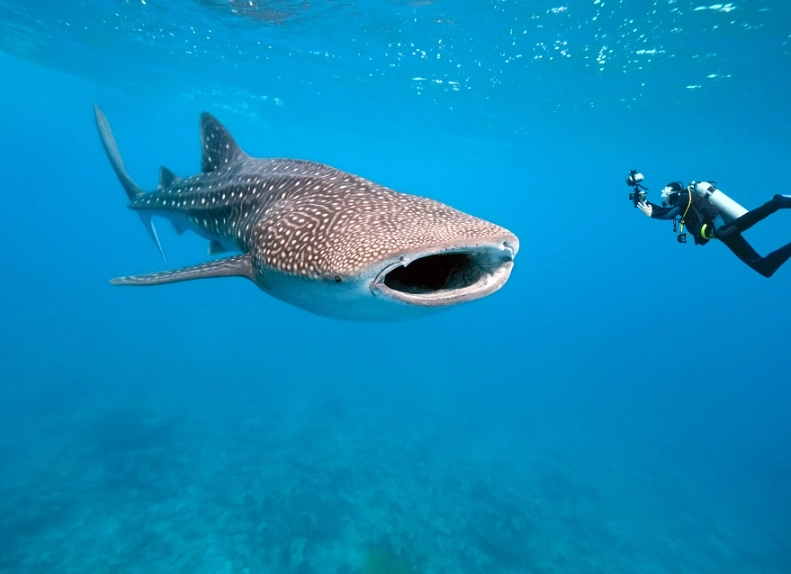
| Location | Best Time to Visit | Type of Encounter | The Vibe & Key Notes |
|---|---|---|---|
| Isla Holbox & Isla Mujeres, Mexico | June - September | Primarily Snorkeling | The classic. Massive summer aggregations in the Gulf of Mexico. Can get very busy. Strict rules (like no touching, limited boats) are in place, but enforcement varies. The water is often green with plankton, not super clear. |
| South Ari Atoll, Maldives | Year-round (peak Aug-Nov) | Diving & Snorkeling | A resident population means your chances are high year-round. You can often find them while on a regular dive safari. The experience is less "packaged" than Mexico. Water clarity is usually excellent. |
| Ningaloo Reef, Western Australia | March - July | Gold standard for eco-tourism. Permits are limited, interaction times are controlled, and research is integral. It's a well-managed, low-impact experience. You're in the open ocean, which feels wild and authentic. | |
| Oslob, Philippines | Year-round | Snorkeling (Provisioned) | The most controversial spot. Whale sharks are attracted with food (provisioning). This guarantees a sighting but alters natural behavior. The ethics are heavily debated. It's accessible but feels more like a zoo than a wild encounter. I left with mixed feelings. |
| Mafia Island, Tanzania | October - March | An emerging, less crowded alternative. Regulations are developing. The experience is rustic and feels more off-the-beaten-path. Sightings aren't guaranteed, but it's less commercial. | |
| Galapagos Islands, Ecuador | June - November | For experienced divers only. Strong currents, deep water, and no guarantees. But seeing a whale shark here, often a massive pregnant female, is the holy grail for many divers. It's a true wilderness encounter. |
See what I mean? Asking "can I dive with whale sharks?" leads you down a path of choosing how you want to do it. Do you want the near-guarantee of Oslob despite the ethical gray area? Or are you willing to pay more and plan ahead for the highly-regulated, wilder experience in Ningaloo? Your answer defines your trip.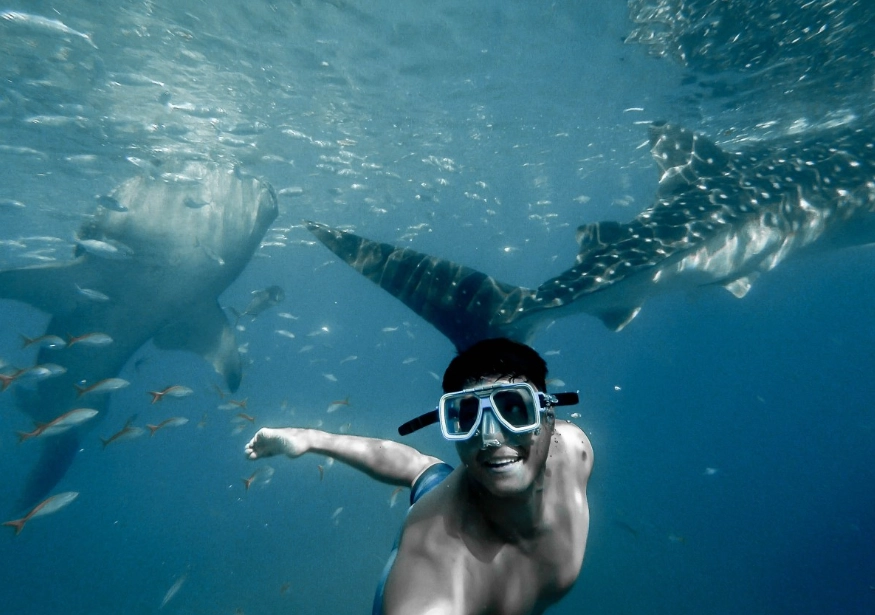
My personal take? I'll pick a location with solid regulations and a lower daily boat quota every single time, even if it costs more. The crowd makes a huge difference—to your enjoyment and the shark's stress levels. In Mexico, I counted 15 boats circling one shark. In the Maldives, it was just our liveaboard. The latter was infinitely better.
The Whale Shark Diving Calendar: When to Go
Timing is everything. These giants follow their food, and their food follows complex oceanic cycles. Showing up in the right place at the wrong month means you'll be looking at empty blue water. Here’s a simpler seasonal guide to help you plan.
| Season | Prime Locations | What to Expect |
|---|---|---|
| Northern Hemisphere Summer (Jun-Sep) | Mexico, Belize, Gulf of Oman | Peak season in the Atlantic/Caribbean. Warm water, high probability, but also peak tourism and potential storms (hurricanes). |
| Southern Hemisphere Winter (Jun-Nov) | Ningaloo (ending), Mozambique, Seychelles | The Indian Ocean comes alive. Cooler, nutrient-rich water boosts plankton and sightings. Great time for the Maldives too. |
| Transition Months (Apr-May, Oct-Nov) | Philippines (general), Thailand, Indonesia | Shoulder seasons can be excellent—fewer people, shifting currents bring in filter feeders. Less predictable but rewarding. |
| Year-Round Hotspots | South Ari Atoll (Maldives), Djibouti (Nov-Feb peak) | Your "anytime" option. Resident populations or reliable oceanographic conditions mean your chances never drop to zero. |
Always, and I mean always, check with local operators about the specific weeks. A season might be "June to September," but the peak could be a narrow window in July. A good operator will be honest about your odds.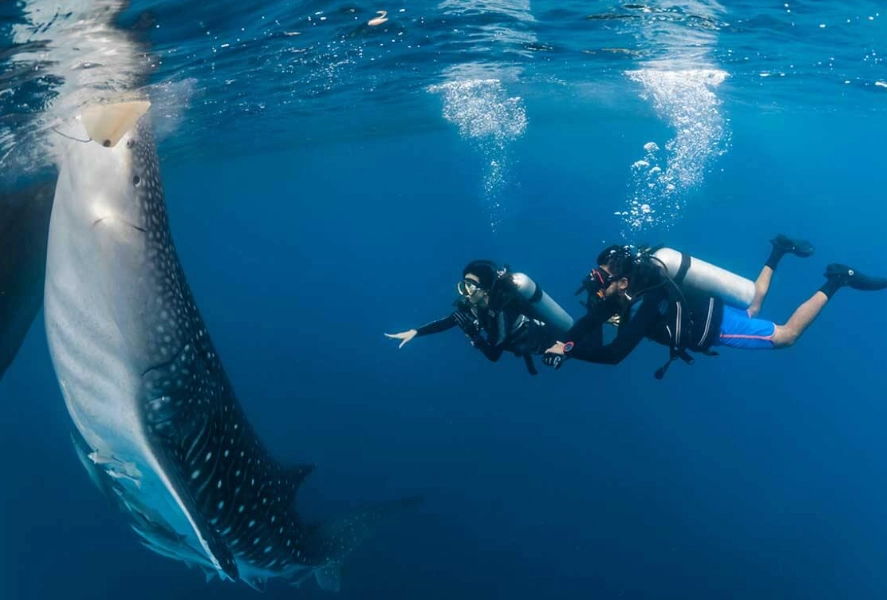
How to Prepare for Your Whale Shark Dive
Okay, you've picked a place and time. Now what? Just showing up with a swimsuit won't cut it. Preparation is key to ensuring you're safe, the animal is respected, and you actually enjoy yourself.
Choosing the Right Operator: The Make-or-Break Decision
This is the single most important choice you'll make. A good operator prioritizes the shark's welfare over your Instagram shot. Here’s what to look for (and the red flags to run from).
The Green Flags:
- They Talk About Rules First: Before selling you the adventure, they explain their code of conduct—maintaining distance (often 3-4 meters), no touching, no flash photography, no sunscreen that isn't reef-safe.
- They Limit Group Size: They boast about small groups, not big boats. A ratio of one guide for every 4-6 snorkelers/divers is ideal.
- They Partner with Researchers: Many top operators contribute to ID databases (like Wildbook for Whale Sharks). They might even have a marine biologist on staff.
- They're Transparent: They don't guarantee a sighting. They guarantee a responsible search. Big difference.
The Red Flags:
- "Guaranteed Sightings or Your Money Back!" This almost always means provisioning (feeding), which is ecologically problematic.
- Crowded Boat Photos: If their marketing shows 20 people in the water at once, steer clear.
- Vague on Environmental Practices: If you ask about their policies and get a fluffy, non-specific answer, it's a bad sign.
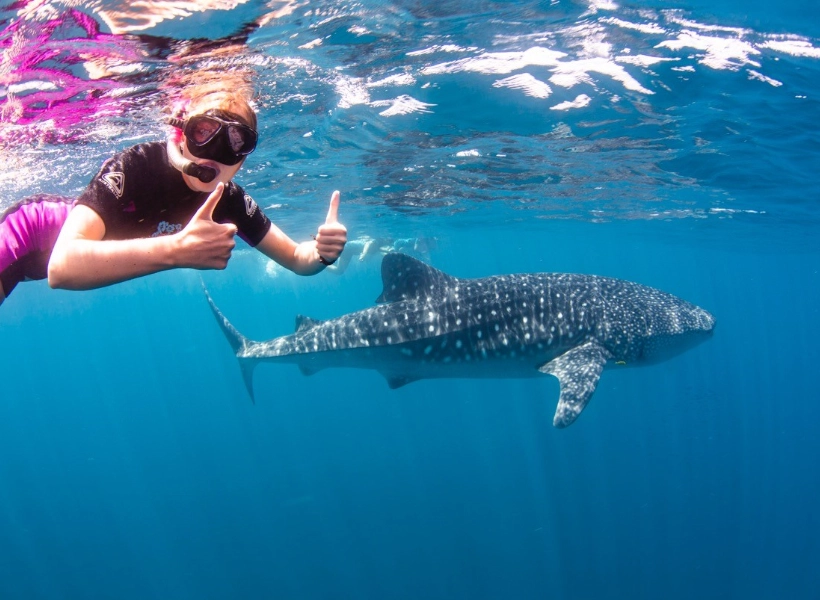
Gear and Skills You Need
You don't need to be an Olympic swimmer, but you do need to be comfortable in the ocean.
For Snorkelers: Being a confident snorkeler is non-negotiable. You need to be able to get in and out of a boat quickly, swim steadily without splashing frantically, and clear your snorkel without panicking. Practice in a pool first if you're rusty. A snorkel vest can be a great confidence booster.
For Divers: You should have good buoyancy control. Crashing into coral or kicking up sand stresses the ecosystem. An Advanced Open Water certification or similar experience in drift diving is a huge plus, especially in places like the Galapagos or the Maldives where encounters happen on deeper reefs or in currents.
Essential Gear:
- Wetsuit or Rash Guard: Even in warm water, you might be floating for an hour. A 3mm shorty or a full rash guard protects you from the sun and chill.
- Fins that Fit: Blisters ruin the mood. Make sure your fins are comfortable.
- GoPro or Camera: But remember, experience it first with your eyes. Don't spend the whole encounter staring at a screen. Use a floaty handle or wrist strap so you don't drop it.
- Reef-Safe Sunscreen: Please. Chemicals in regular sunscreen harm coral and plankton. Brands like Stream2Sea or Badger are good. Apply it at least 20 minutes before getting in the water.
Safety First: Rules for a Responsible Encounter
Let's talk about the actual moment. The boat captain shouts, "Shark at 3 o'clock!" Your heart races. What do you do? Following these rules isn't just about being a good tourist; it's about safety for everyone involved.
A whale shark's tail (caudal fin) is incredibly powerful. A casual swipe can knock you out or break bones. They might be gentle, but they are massive, wild animals.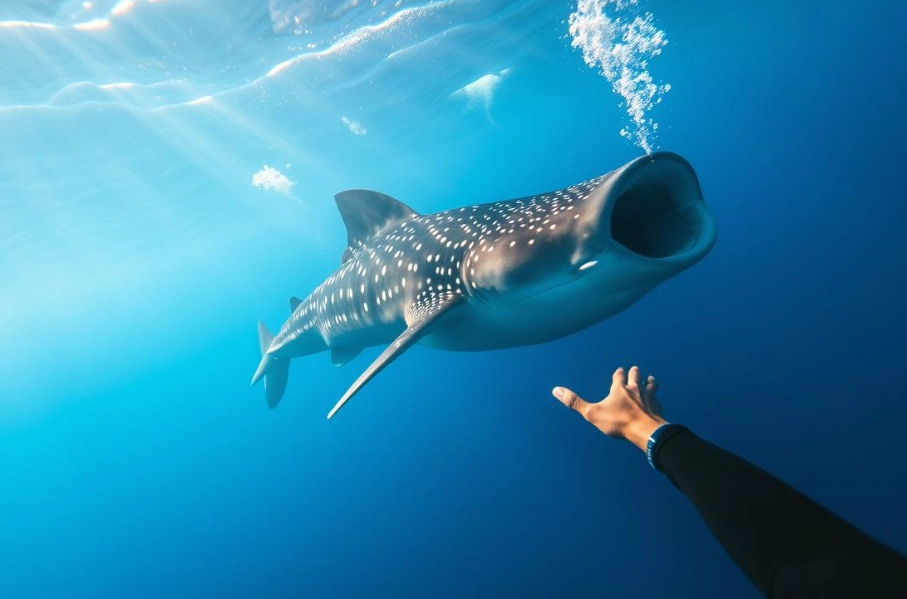
The Absolute Non-Negotiables:
- DO NOT TOUCH THE SHARK. Not even a little. Your touch can damage their delicate protective mucus layer, leaving them vulnerable to infection.
- Maintain a 3-4 Meter (10-13 ft) Distance. From the body and especially from the tail. Swim alongside, not in front of its head (you're blocking its path) or directly behind it.
- No Flash Photography. It can startle them.
- Don't Use Motorized Diving Propellers (DPVs). They create noise and disturbance and make it too easy to crowd the animal.
- Listen to Your Guide. They're there for the shark's safety and yours. If they say get back on the boat, get back on the boat.
Remember, we are visitors in their home.
I've seen people break these rules. They lunge for a touch, or they chase the shark trying to get the perfect selfie. It's embarrassing and infuriating. The guides on my last trip in the Philippines had to blow whistles constantly. It ruined the vibe for everyone. Don't be that person.
Beyond the Dive: The Bigger Picture
When we ask "can I dive with whale sharks?" we're usually thinking of ourselves. But the more important question is, "How can my dive help the whale sharks?" Tourism, when done poorly, is a threat. When done right, it can be one of their greatest protections.
Local communities that earn a sustainable livelihood from whale shark tourism become their fiercest guardians. They have a direct economic incentive to protect the sharks from threats like ship strikes, bycatch, and pollution. Your tourist dollars, directed to the right operators, fund conservation patrols, scientific research, and community education.
For example, in places like Ningaloo and Mozambique, tourism revenue directly funds management and research programs. You can look for operators certified by bodies like UNESCO for sustainable practices in World Heritage sites, or those partnering with global NGOs like the Marine Megafauna Foundation or Project AWARE.
So, after your dive, consider donating to a research organization, or choose an operator that includes a conservation fee in their price. It turns a one-off experience into a contribution.
Frequently Asked Questions (The Stuff You're Secretly Googling)
Is it safe to dive with whale sharks?
For humans, yes, extremely. Whale sharks are filter feeders—they eat plankton and small fish. They have no interest in eating you. The main risks are accidental injury from their tail (if you get too close) or general ocean hazards (currents, boat traffic). Following the rules minimizes all risk.
Can I touch a whale shark?
No. Full stop. I know they look docile and pet-like, but touching is harmful and prohibited in virtually all locations. It's not a petting zoo.
What's better, diving or snorkeling?
It depends on the location and the shark's behavior. Often, whale sharks cruise near the surface, so snorkelers get a fantastic, full-body view. Divers might get a more unique perspective if the shark descends, but you can't chase it down. Many encounters are snorkel-only by regulation to minimize disturbance. Honestly, if the shark is near the surface, snorkeling is less fuss and lets you move more freely.
How close can I get?
The legal and ethical minimum distance is typically 3 meters (10 feet) from the body and 4 meters (13 feet) from the tail. A good guide will enforce this. Your goal should be to observe, not to get as close as physically possible.
What if I'm not a strong swimmer?
Be upfront with your operator. Some offer flotation devices or even small, guided personal floats you can hold onto. Choose a location with calmer conditions (like a protected bay) rather than open ocean. But you do need basic water comfort.
Are there age restrictions?
Usually, yes. Operators often require children to be at least 8-12 years old, be competent swimmers, and be accompanied by an adult. This is for safety and to ensure they can follow instructions.
So, can I dive with whale sharks? You can. And I hope you do. But do it with your eyes wide open. Choose an ethical operator, respect the rules, manage your expectations, and go with the primary goal of witnessing one of nature's wonders without leaving a trace. That's how you get a story worth telling for a lifetime.
The image of that spotted giant gliding past you, eye checking you out with calm curiosity, is something that stays with you. It changes how you see the ocean. It makes you want to protect it. And that, in the end, is the best possible outcome of asking that simple question.
Your comment