Your Journey Map
So you've seen the pictures. A tiny diver next to a bus-sized, polka-dotted giant, gliding through clear blue water. It's on your bucket list, right? It was on mine for years. But when I finally started planning the trip, I hit a wall. Every website screamed "BEST PLACE TO DIVE WITH WHALE SHARKS!" but they all pointed somewhere different. Mexico, the Philippines, Australia... how are you supposed to choose?
It turns out, asking "where's the best place to dive with whale sharks?" is like asking for the best pizza in the world. It depends entirely on what you're looking for. Do you want a guaranteed sighting, even if it feels a bit staged? Or are you after a wild, unpredictable encounter in the open ocean? Are you on a tight budget, or is this a once-in-a-lifetime splurge?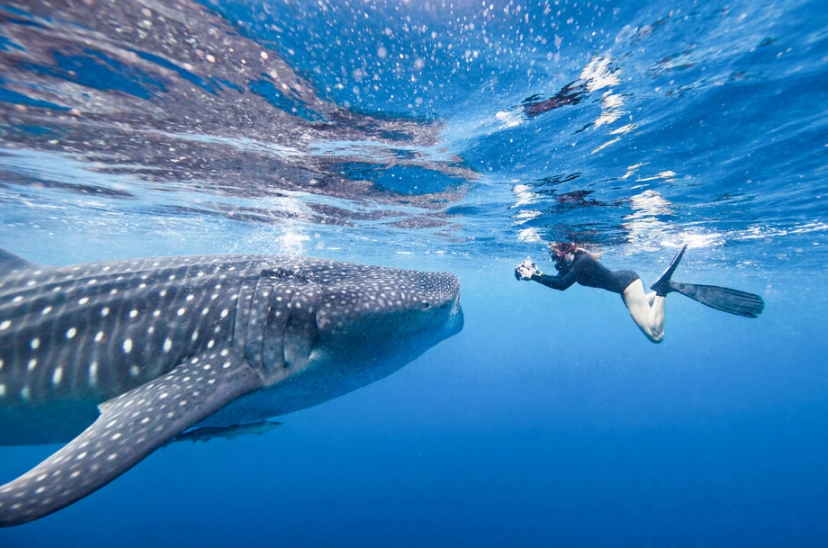
I've spent way too much time researching this, made a couple of trips myself (one was incredible, one was... educational), and talked to a bunch of marine biologists and dive operators. Let's cut through the marketing hype and break down what these experiences are really like in different corners of the world. Forget just a list of names. We're going to talk about seasonality, ethics, cost, and the sheer feel of the thing.
The Core Question: The answer to "where's the best place to dive with whale sharks?" isn't one single pin on a map. It's a combination of factors that match your personal travel style, budget, and what you want from the encounter. A place that's perfect for a family first-timer might be boring for a seasoned underwater photographer.
The Heavy Hitters: Top Global Destinations Broken Down
Alright, let's get into the nitty-gritty. These are the spots that consistently come up when anyone searches for this experience. I've ranked them not just by popularity, but by the type of experience they offer.
Ningaloo Reef, Western Australia
This is the gold standard for many purists, and honestly, I get it. The whale sharks here are wild, feeding on natural seasonal plankton blooms (called "slicks") along the Ningaloo Coast, a UNESCO World Heritage site. You're out on the open ocean, spotter planes help find them, and you slip into the water when one is spotted. It's not a circus. It feels like a genuine wildlife encounter.
The season is short and sweet: March to July, pretty reliably. The water can be choppy, the swims can be strenuous as you try to keep up with a moving shark, and it's not cheap. You're paying for the remote location, the high level of regulation (strict codes of conduct enforced by the Department of Biodiversity, Conservation and Attractions), and the quality of the operation. It's eco-tourism done right. If you want that "David Attenborough" feeling, this is a top contender for the best place to dive with whale sharks.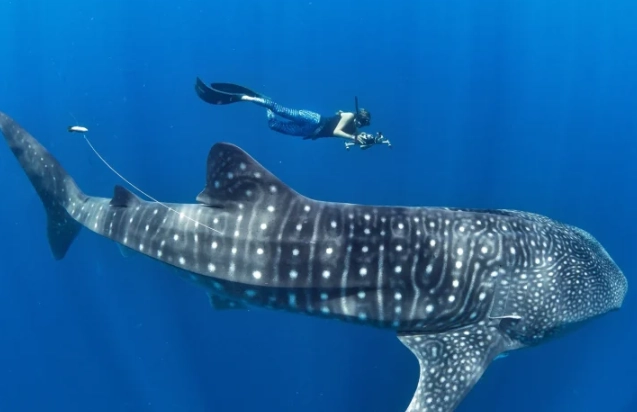
Isla Mujeres & Isla Holbox, Mexico
The famous feeding aggregation in the Caribbean Sea, north of Cancun. From May to September, sometimes hundreds of whale sharks gather here to feast on fish eggs. It's a spectacular natural phenomenon. But here's the thing everyone needs to know: you don't *dive* here. You snorkel. Regulations mandate it, and it makes sense given the surface-feeding behavior.
The experience is more intense in a different way. You're in a boat with a dozen other people, and when the guide says go, you all roll back into the water near a shark. It can feel chaotic. The upside? Almost guaranteed sightings during peak season and it's relatively affordable. The downside? It can feel like a production line, with many boats sharing the space. The Mexican government and NGOs like Whale Shark Mexico work hard to manage the activity, but it's a constant challenge. For a budget-friendly, high-odds trip, this is a classic answer to where's the best place to dive (snorkel) with whale sharks.
Oslob, Cebu, Philippines
This is the most controversial spot on the list. In Oslob, fishermen feed the whale sharks ("butanding") daily to keep them close to shore. This means you are 100% guaranteed to see them, up close, from the beach. It's incredibly accessible and cheap.
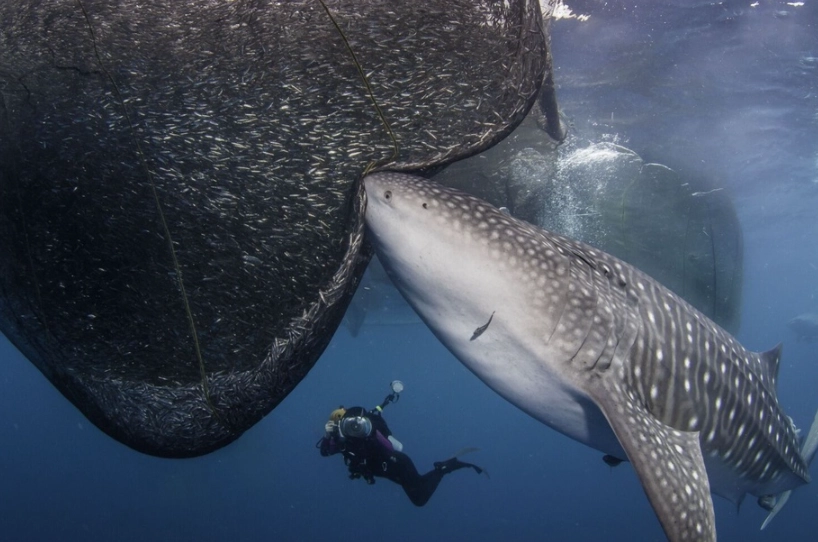
Now for the hard part. This practice, called provisioning, is heavily criticized by scientists. It alters the sharks' natural migration and feeding behavior. The IUCN Red List, which lists the whale shark as Endangered, notes that such interactions need careful management to avoid harm. The water can get crowded with snorkelers. Personally, I avoided this one after reading the research. It feels too much like a zoo exhibit. But it's a major destination, so you should know what it involves. For a guaranteed photo from your phone without a long boat ride, this is it. For an ethical, natural encounter, look elsewhere.
Ethics Check: Always ask operators about their code of conduct. A good one will enforce no-touch rules, limit time in the water per group, and use eco-friendly sunscreens. Your choice as a tourist directly funds either conservation or potential harm.
The Maldives & Mafia Island, Tanzania
These are the sleeper hits for the dedicated traveler. The South Ari Atoll in the Maldives has a year-round, resident population of whale sharks, thanks to rich plankton. The encounter is usually a snorkel from a liveaboard or resort boat—it's casual and magical. You might just be on a sunset cruise and see one.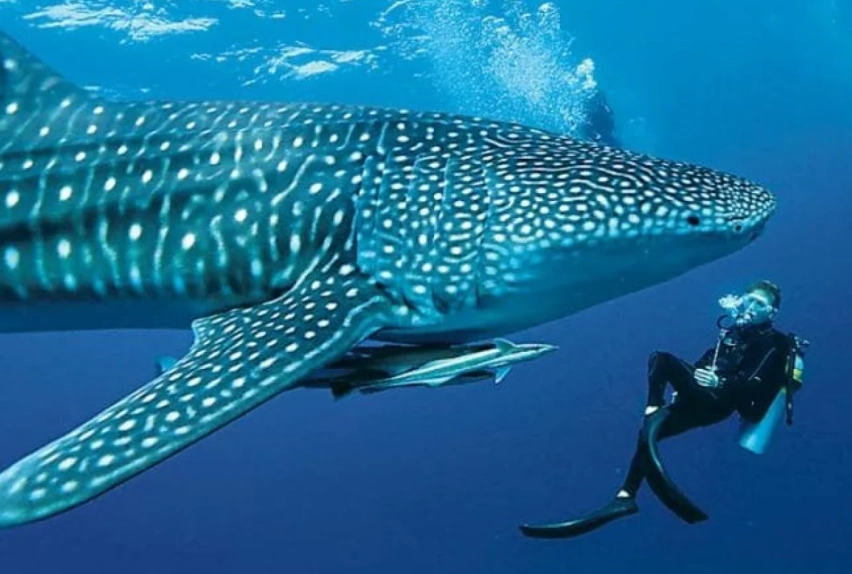
Mafia Island, off Tanzania, is a true hidden gem. The season runs October to March, and it's blissfully uncrowded. You might have a shark all to yourself. The logistics are trickier and it's more expensive, but you're paying for exclusivity and a pristine environment. If your dream is to escape the crowds completely, these destinations offer a profoundly different vibe. They're less about the organized "whale shark tour" and more about the serendipity of being in a place where these animals simply live.
| Destination | Peak Season | Type of Encounter | Crowd Factor | Cost Level | Best For... |
|---|---|---|---|---|---|
| Ningaloo Reef, Australia | Mar - Jul | Open Ocean Snorkel/Dive | Medium (regulated) | $$$$ | Purists, photographers, ethical wildlife encounters |
| Isla Mujeres, Mexico | May - Sep | Surface Snorkel (Aggregation) | High | $$ | Budget, families, guaranteed sighting |
| Oslob, Philippines | Year-round (provisioned) | Near-shore Snorkel | Very High | $ | Accessibility, absolute certainty |
| The Maldives | Year-round (esp. Aug-Nov) | Resort/Liveaboard Snorkel | Low-Medium | $$$$ | Luxury, combination trips, relaxed vibe |
| Mafia Island, Tanzania | Oct - Mar | Boat-based Snorkel | Very Low | $$$ | Adventure, exclusivity, avoiding crowds |
See? It's not one-size-fits-all. The best place to dive with whale sharks for you depends on your calendar, your wallet, and your comfort level with other tourists.
How to Actually Choose Your Spot (Beyond the Brochure)
Okay, you've seen the options. Now, how do you pick? Let's talk about the real decision-making process.
First, be brutally honest about your swimming ability. In places like Ningaloo or the open ocean, you need to be a confident snorkeler or diver, comfortable with currents and able to swim briskly for short bursts. In Mexico or Oslob, you can sometimes just float with a life jacket. Don't overestimate yourself—it ruins the experience for you and holds up your group.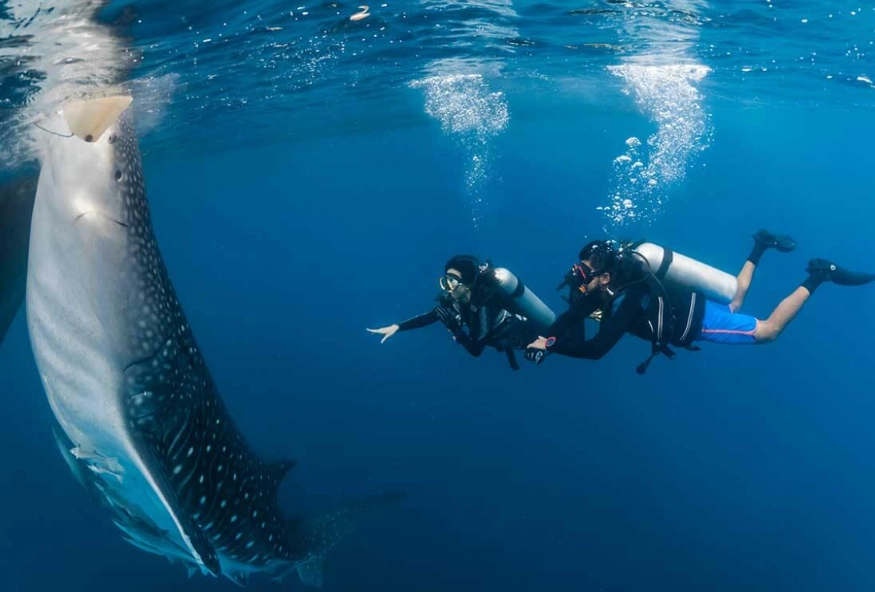
Second, think about the rest of your trip. Is this the main event, or part of a bigger vacation? Mexico ties in easily with a Cancun or Tulum holiday. Western Australia is a destination in itself, with amazing other diving (coral, mantas) and road trips. The Philippines has world-class scuba everywhere. Your answer to "where's the best place to dive with whale sharks?" might be "wherever fits into my two-week itinerary."
Third, research the specific operator, not just the location. In every single one of these places, there are great companies and terrible ones. Look for operators that:
- Limit passenger numbers.
- Have marine biologists on staff or partner with research groups.
- Clearly explain their rules before you get in the water.
- Don't chase or corner the animals.
Read recent reviews on travel forums, not just the glossy testimonials on their site.
A cheap tour often cuts corners on safety, ethics, and quality.
What Nobody Tells You: The Realities of the Day
Let's get practical. The Instagram photos don't show the 5 am wake-up call. They don't show the three-hour bumpy boat ride out to the site where you see nothing. They definitely don't show you vomiting over the side (though maybe that's just me).
You might get in the water five times in a day, or just once. The shark might be 30 feet down and barely visible, or it might surface right next to you. It's wildlife. It's unpredictable. The operators with the best ethics will tell you this upfront—there are no refunds for no-shows by the sharks. That's a good sign. Be wary of anyone who promises you the moon.
Pack seasickness pills. Take them the night before and the morning of, even if you think you have an iron stomach. Trust me. Bring a rash guard or wetsuit for sun and jellyfish protection. Use reef-safe sunscreen. Bring a towel, a change of clothes, and a giant bottle of water. Your camera? A GoPro or waterproof housing is best. Don't expect to use your phone.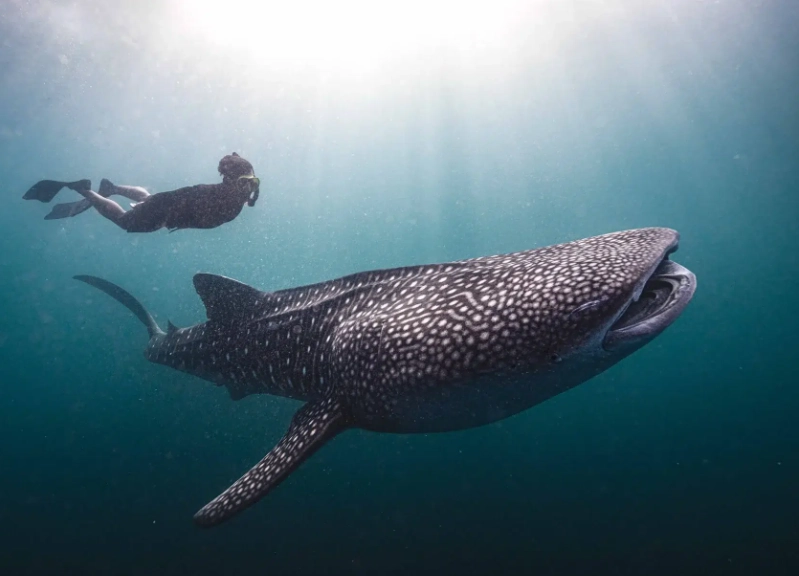
Your Burning Questions, Answered (FAQ)
Final Thoughts: It's More Than a Checkbox
Finding the best place to dive with whale sharks is a personal journey. It's not just about ticking an animal off a list. It's about understanding the creature, the ecosystem, and your role as a visitor.
For me, the "best" experience was the one that felt most respectful and left me in awe, not just the one where I got the closest photo. It was the one where the shark was clearly going about its business, and I was a lucky, temporary guest in its world.
So do your homework. Think about what you value. Book with a responsible company. And when you finally slip into the water and see that spotted giant moving with impossible grace, you'll know you made the right choice. It's a moment that stays with you, long after the salt has washed out of your hair.
Now, who's ready to start planning?

Comments