Quick Guide
- Why the Philippines Diving Season Isn't One-Size-Fits-All
- Breaking Down the Philippines Diving Season by Core Factors
- The Regional Philippines Diving Season Guide: Where to Go and When
- My Personal Take: Diving the Shoulder and Wet Seasons
- Answering Your Philippines Diving Season Questions (FAQ)
- Practical Tips for Planning Around the Philippines Diving Season
- The Final Word
So you're thinking about diving in the Philippines? Smart move. The country is a literal underwater paradise, scattered across more than 7,000 islands. But here's the thing that trips up a lot of first-timers: timing. Ask ten different divers about the best Philippines diving season, and you might get ten different answers. It's not as simple as a single "good" month.
I learned this the hard way. My first trip was based on a cheap flight I found in August. I ended up in Puerto Galera, and let's just say the surface interval was more exciting than the dive—thanks to horizontal rain and visibility that made me feel like I was swimming in soup. Not ideal. The Philippines diving season is a puzzle shaped by monsoons, geography, and what exactly you want to see.
This guide isn't just a rehash of weather charts. It's about matching your dream dive—be it with whale sharks, on a pristine coral wall, or inside a WWII wreck—with the right window of time and the right island. We'll get into the nitty-gritty of regional weather, water conditions, and even how to deal with the rainy season if that's when you can travel.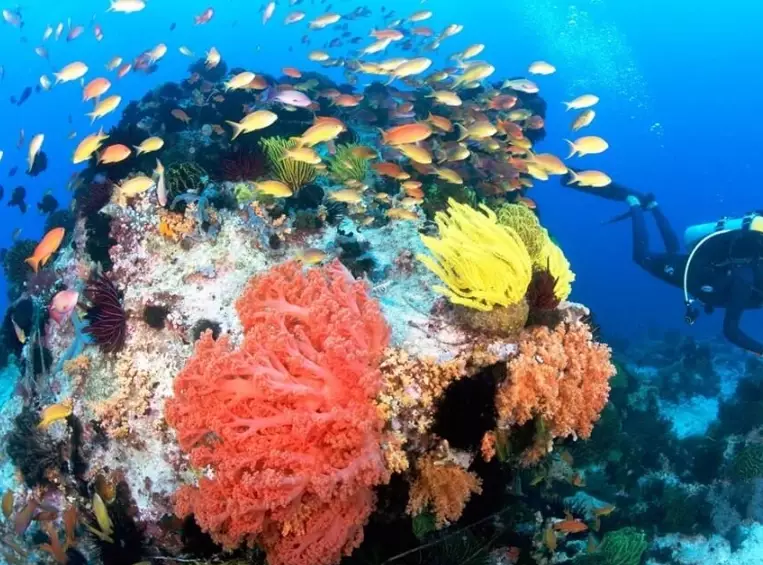
Why the Philippines Diving Season Isn't One-Size-Fits-All
If you look at a map, you'll see the Philippines is long, stretching over a thousand miles from north to south. This geography is the main actor in our diving season drama. The country sits in the tropics and gets hit by two major monsoon winds: the Amihan (northeast monsoon) and the Habagat (southwest monsoon). These winds dictate everything—calm seas, rain, currents, and visibility.
The Amihan, the dry northeast wind, usually blows from November to April. This brings generally sunny skies, calm seas, and excellent visibility to the western side of the archipelago—places like Palawan, Mindoro, and parts of the Visayas. This period is widely considered the peak Philippines diving season.
Then the wind flips. From June to October, the Habagat (southwest monsoon) takes over, bringing moisture from the sea. This means rain, stronger winds, and rougher seas, primarily on the western coasts. But here's the twist: the eastern side, sheltered from this wind, often experiences its best conditions. So while Coron might be rainy, spots on the eastern coast of Luzon or Mindanao can be fantastic.
May and November are the shoulder months, where the winds are shifting. These can be wild cards—sometimes perfectly calm and sunny, sometimes a bit unpredictable. But they often mean fewer crowds and lower prices, which is a huge plus in my book.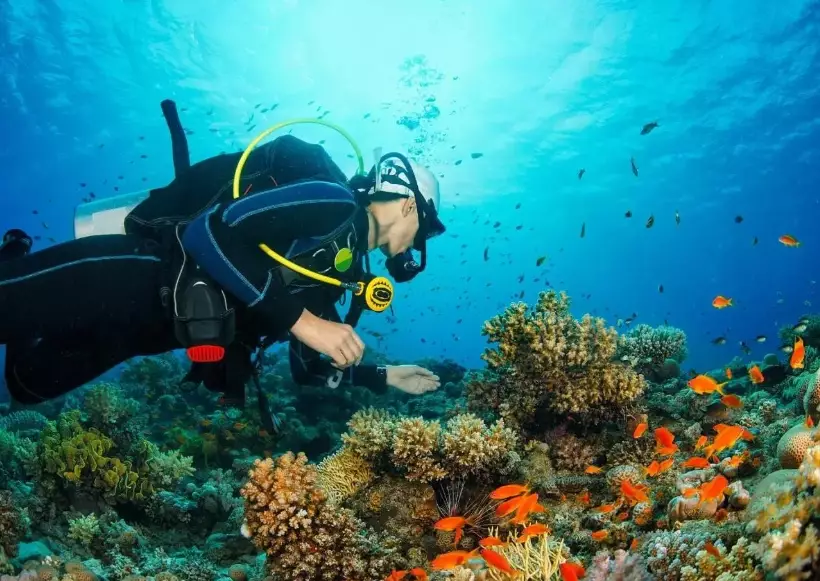
Breaking Down the Philippines Diving Season by Core Factors
Let's go deeper than just "dry season good, wet season bad." To really plan your trip, you need to juggle a few key factors.
Water Temperature and Visibility
You're pretty much guaranteed warm water year-round, typically between 26°C (79°F) and 30°C (86°F). A 3mm wetsuit or even a rash guard is often enough. Visibility, however, is the real game-changer.
During the Amihan (Nov-Apr), on the western sides, you can regularly get 30 meters (100 feet) or more. It's breathtaking. During the Habagat, runoff from rain can cloud the coastal water, especially after heavy storms, dropping vis to 10 meters or less near shore. Pelagic sites further out are less affected. I remember diving in Anilao in September after a week of storms; the muck diving was still incredible for macro life, but the reef walls were a bit moody.
The "Rainy Season" Reality Check
This term scares people off, but it's often misunderstood. The Habagat doesn't mean non-stop rain every day. It usually means short, heavy afternoon downpours or occasional days of steady rain. You can still get plenty of dive days in. The bigger issue is sea state. Wind creates waves and surface chop, which can make boat rides uncomfortable and some sites inaccessible. Always check with local operators about specific site conditions.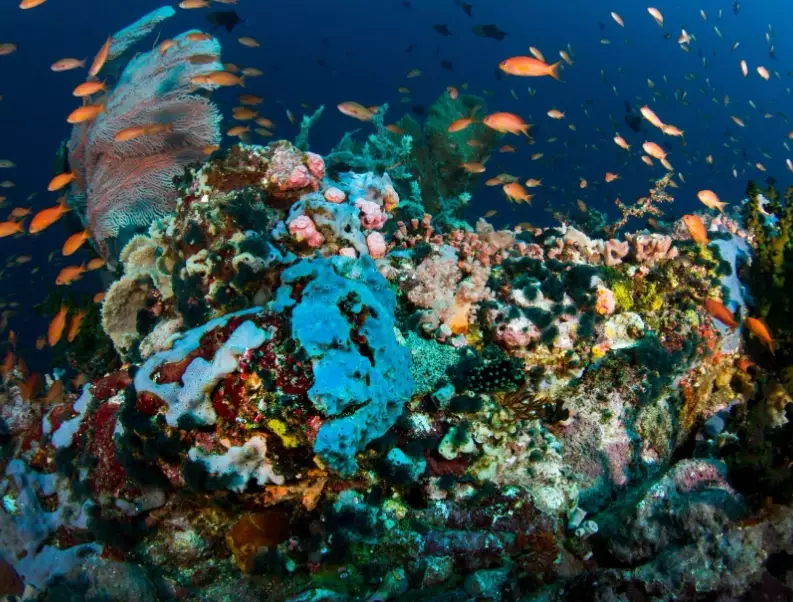
Marine Life Seasons
This is where timing gets specific. Certain magical encounters are calendar-dependent.
- Thresher Sharks in Malapascua: Year-round residents! The Philippines diving season for them is... always. Early morning dives at Monad Shoal are the ritual.
- Whale Sharks: Two main spots. In Donsol, Sorsogon, the season is strictly November to June, peaking Feb-May. In Oslob, Cebu, they are fed year-round (a controversial practice, but that's a different article).
- Manta Rays: In Ticao Pass near Donsol, mantas are most commonly seen from November to May, with peak cleaning station action around April-May.
- Spawning & Bloom Events: Coral spawning often happens after full moons in April-May. Sea slug and nudibranch populations can explode during certain months—ask local guides.
See? The "best" Philippines diving season totally depends on your personal wishlist.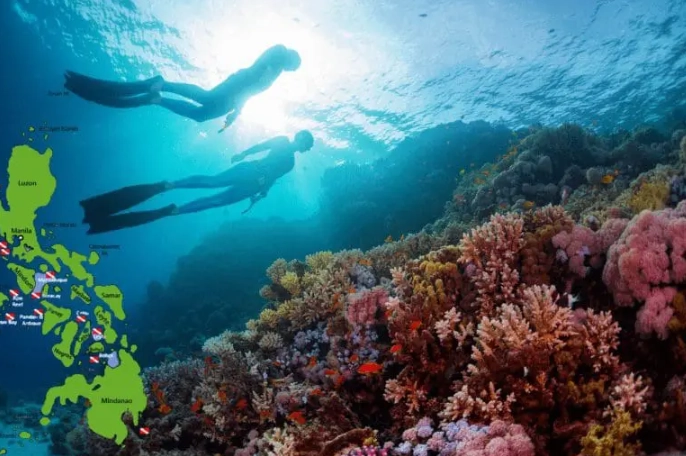
The Regional Philippines Diving Season Guide: Where to Go and When
This is the practical stuff. Let's match destinations with months. The table below is a solid starting point, but remember, microclimates exist.
| Region & Key Destinations | Best Diving Season | Shoulder Season | Challenging Season | What You'll Find |
|---|---|---|---|---|
| Palawan (El Nido, Coron, Tubbataha Reefs) | Mid-March to Mid-June Calm seas, epic visibility. Tubbataha Liveaboards only operate during this short window. |
Nov-Feb, July Can be good, but occasional norte (north winds) in early winter, or habagat storms in July. |
Aug-Oct Rainy, rough seas. Many island resorts close. Coron's wrecks are often still diveable in the sheltered bay. |
Walls, sharks, pelagics (Tubbataha), stunning wrecks (Coron), lagoons. |
| Visayas (Central) (Cebu, Bohol, Negros, Siquijor) | December to May Generally dry, calm. Ideal for multi-island hopping. |
June, November Transition months. Some rain, but often workable. |
July-October Southwest monsoon impacts west-facing coasts (Moalboal can get choppy). East-facing coasts (like parts of Bohol) can be better. |
Everything! Sardine runs, thresher sharks, whale sharks, macro, healthy reefs, drifts. |
| South & Mindanao (Davao, Samal, General Santos) | Year-round potential Less pronounced monsoon effect. Often sheltered. |
— | Occasional typhoons (Nov-Jan) can affect plans. | Unexplored reefs, big fish, hammerheads (at remote sites), critter diving. |
| Luzon (North & South) (Anilao, Puerto Galera, Subic) | November to May Amihan brings calm waters to these west-facing spots. Peak for Anilao macro. |
October, June Can be excellent, but chance of late/early storms. |
July-September Direct hit from habagat. Rain, reduced visibility, rough boat rides. |
World-class macro photography (Anilao), wrecks (Subic), biodiversity, easy access from Manila. |
A quick note on Tubbataha: This UNESCO site is a league of its own. The official season is brutally short—just three months. If that's your goal, plan and book over a year in advance. No joke.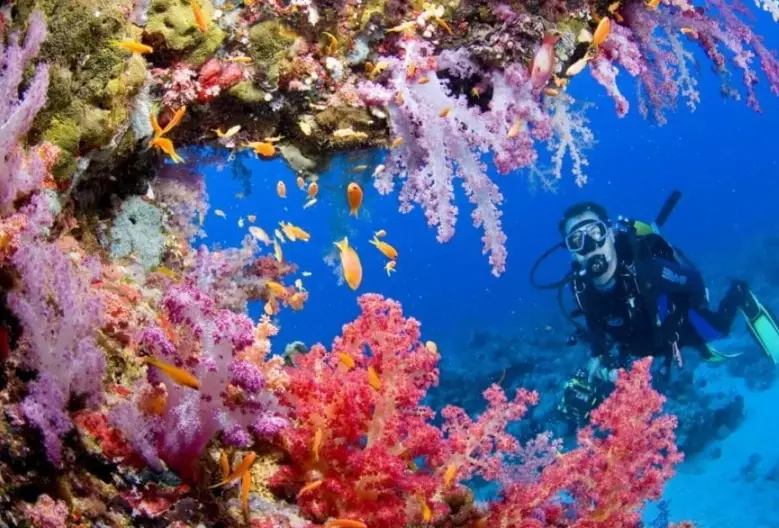
My Personal Take: Diving the Shoulder and Wet Seasons
That's not to say it's all perfect. I've also been stranded for two extra days on a remote island because a tropical depression made boat travel unsafe. You need flexibility and good travel insurance (dive-specific coverage is a must).
The main advantage of the peak Philippines diving season (Nov-Apr) is predictability. You're almost guaranteed great conditions. The downside? Everyone else knows that too. Popular sites can feel like underwater highways, and prices are at their highest.
Answering Your Philippines Diving Season Questions (FAQ)
I get a lot of the same questions from friends and readers. Here are the straight answers.
What is the absolute best month to dive in the Philippines?
For a first-timer wanting the highest chance of perfect weather across the most destinations, April is hard to beat. The Amihan is still in effect, the rain hasn't fully set in, seas are calm, and it's before the peak domestic summer travel. May is a very close second, but hotter.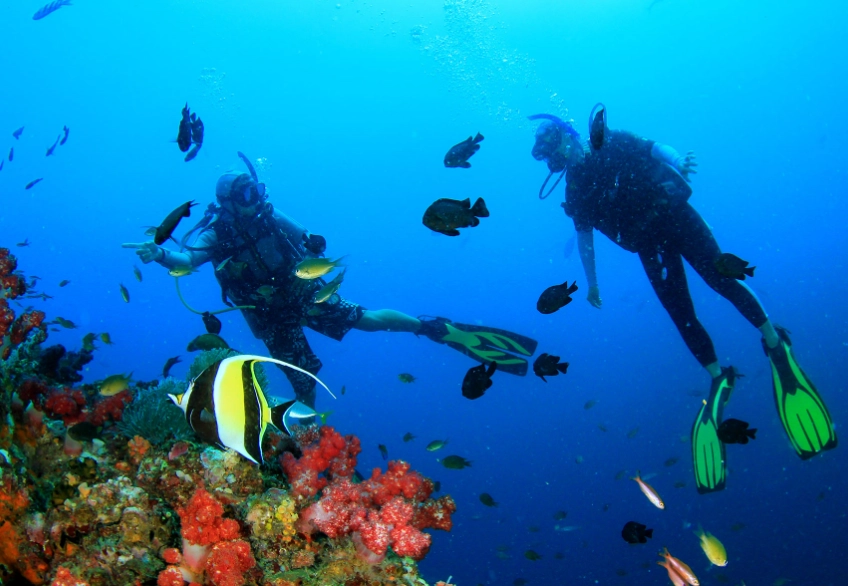
Can I dive during the typhoon season?
Typhoon season roughly overlaps with the habagat (June-Nov), peaking Aug-Oct. You can dive, but you need to be smart. Check forecasts religiously. Avoid the northernmost islands (like Batanes) during this time. Choose destinations less prone to direct hits, like the central Visayas or Mindanao. And have a flexible itinerary. A good resource for tracking tropical cyclones in the region is the ESCAP/WMO Typhoon Committee website.
Is it worth diving in the Philippines in December or January?
Yes, absolutely! This is the heart of the high season. However, in northern areas like Luzon, you might experience the "Amihan" as a cooler, strong wind. Water temps can dip a degree or two. Bring a full 3mm wetsuit. Also, expect crowds and higher prices around Christmas and New Year.
How do I avoid the crowds?
Simple: avoid the peak Philippines diving season holidays (Easter, Christmas, New Year). Go in the shoulder months (May, June, November). Or, explore less-hyped destinations. Instead of the packed sites in Coron, look at similar wrecks in Subic Bay. Instead of Moalboal, check out the sardine balls in Siquijor.
Practical Tips for Planning Around the Philippines Diving Season
Alright, let's get you ready to book.
- Define Your Priority: Is it seeing a specific animal? Getting perfect photos? Having relaxed, easy conditions? Your priority dictates your season and location.
- Book Liveaboards Early: For Tubbataha or remote Apo Reef, operators sell out a year in advance for the short season.
- Contact Dive Operators Directly: Don't just rely on general weather blogs. Email a few dive shops in your chosen destination 2-3 months before your planned trip. Ask: "What were conditions like this time last year? What sites are typically diveable in [your month]?" They give the most honest, on-the-ground advice.
- Build in Buffer Days: Especially if traveling in the habagat season, add an extra day or two at the end of your trip. This gives you a cushion for weather-related cancellations.
- Consider a Multi-Destination Trip: If you have 2+ weeks, you can follow the good weather. Start in the north (Anilao) in November, then head south to the Visayas.
For official travel and safety advisories, always refer to your government's travel site. Divers should also be aware of general safety standards; organizations like PADI offer resources on safe diving practices.
The Final Word
Look, there's no single perfect Philippines diving season. There's only the perfect season for you. The archipelago's diversity is its greatest strength. The dry season (Nov-May) offers bluebird predictability. The wet season (Jun-Oct) offers adventure, solitude, and often lower costs for the flexible diver.
My advice? Don't get paralyzed trying to find the one perfect month. Pick an animal or experience you're dying for, match it to a region and season, and go. Even in the "off" season, the Philippines underwater world is more vibrant and alive than most places on earth at their peak. I've had dives in supposed bad-weather months that rank among my top ten ever.
Do your homework, talk to the locals, pack your sense of adventure (and a rain jacket), and you'll have an amazing time. The Philippines diving season is long, complicated, and wonderful—just like the country itself.
Now, go check flight prices. And maybe I'll see you down there.
Your comment