Quick Dive Overview
Let's be real, planning a dive trip can be overwhelming. The Philippines has over 7,000 islands, and every local operator will tell you their spot is the best. I've spent months bouncing around those islands, breathing through a regulator, and dealing with everything from perfect calm to unexpected currents. I'm not here to sell you a package tour. I just want to cut through the noise and give you the straight story on where you should really go if you want to experience the best diving in the Philippines.
This isn't just a list. It's a breakdown based on what you're actually looking for. Are you a macro photography nerd? A wreck enthusiast? Someone who just got certified and wants stunning but easy dives? I've got you covered. We'll talk about the iconic spots, the underrated gems, how to get there, what it costs (because nobody talks about that enough), and what to watch out for.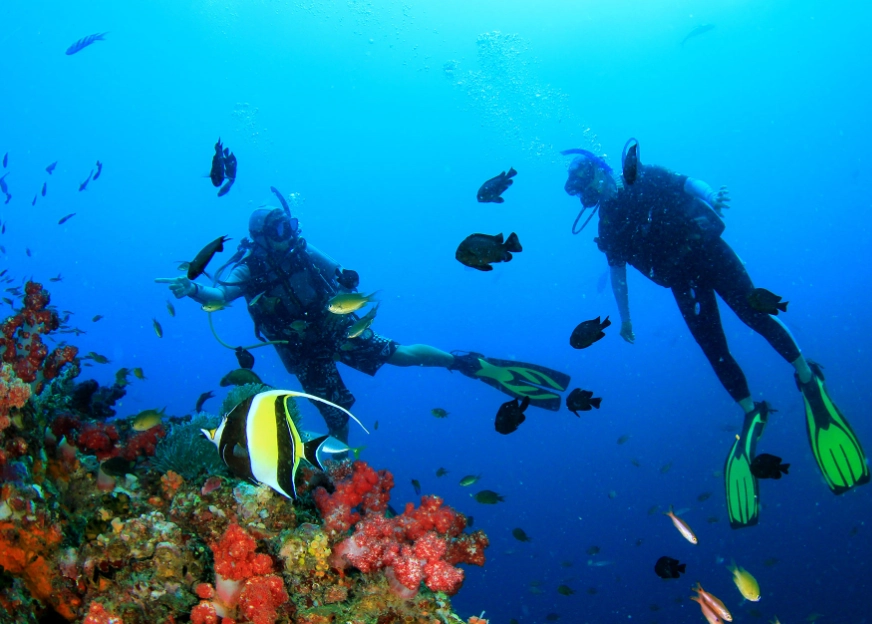
Ready to dive in? Let's go.
What makes a spot one of the top 5 diving spots in the Philippines? For me, it's a combination: unbelievable marine life, unique underwater landscapes, reliable conditions (most of the year), and that intangible "wow" factor that sticks with you long after you've dried off. Accessibility and value matter too—a place can be amazing, but if it takes three days and a small fortune to get to, it might not make the cut for most people.
Tubbataha Reefs Natural Park
Let's start with the big one. The crown jewel. The place that often tops the list of any serious diver's bucket list for the Philippines, and for good reason. Tubbataha isn't just a dive site; it's a remote, UNESCO World Heritage-listed marine protected area smack in the middle of the Sulu Sea. No hotels, no day trips. The only way to dive here is via a liveaboard boat, which already makes it a special kind of adventure.
Why it's a Top Contender
The isolation is its superpower. Because access is so controlled, the reefs are in pristine, mind-blowing condition. We're talking about walls carpeted in soft and hard corals that look like they're from a documentary, dropping into the deep blue. The fish life is... ridiculous. It's not uncommon to see schools of jacks and trevallies so dense they block the sun, along with reef sharks (white tips and grey reefs), turtles, and massive Napoleon wrasse. If you're lucky, especially around the famous Amos Rock, you might even spot mantas and whale sharks passing by. The feeling of diving in a truly wild, untouched ocean park is something else.
The Not-So-Glamorous Part
Okay, let's talk downsides. It's expensive. A liveaboard trip here is a major investment. The season is brutally short—just from mid-March to mid-June when the seas are calm enough for the long sail from Puerto Princesa. And the diving can be challenging. Currents can be strong, and dives are often on walls or in open water. This is not the place for a brand-new Open Water diver. You need good buoyancy control and some experience.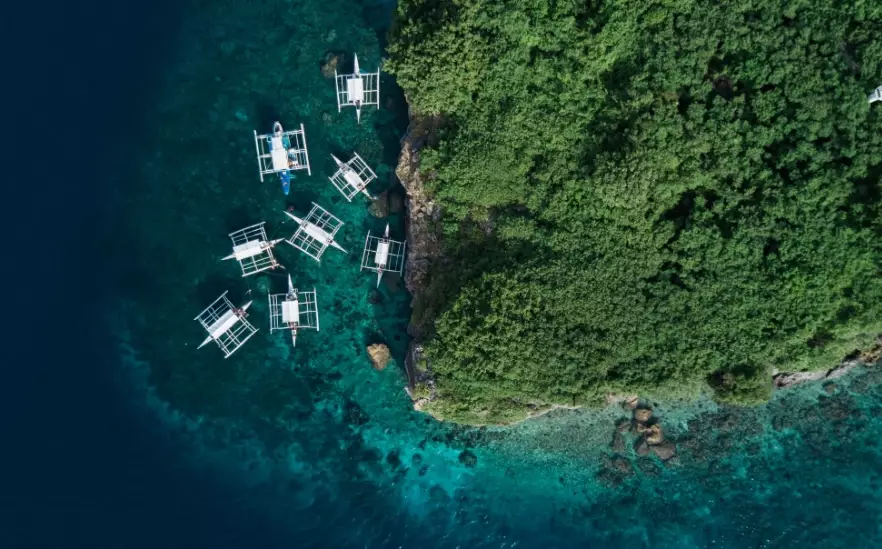
My Tip: Book your liveaboard at least a year in advance. The good boats sell out fast. Check operators' schedules and vessel specifications carefully on the official Tubbataha Reefs Natural Park website. It's the most reliable source for park rules and a list of accredited operators.
So, is it worth it? If you're an experienced diver with the budget and you dream of pristine reefs and pelagic action, absolutely. It's a pilgrimage. For beginners or those on a tight budget, there are other incredible spots in the Philippines that offer easier access.
Coron, Palawan
Switching gears completely. If Tubbataha is about life, Coron is, in a fascinating way, about history and its interaction with life. This is the wreck diving capital of the Philippines. During World War II, the American navy launched a surprise air raid on the Japanese fleet anchored in Coron Bay, sending over a dozen ships to the bottom. Today, these wrecks create some of the most atmospheric and accessible wreck dives in the world.
More Than Just Rusty Metal
The most famous is probably the Irako, a refrigerated supply ship, and the Okikawa Maru, a huge oil tanker. Swimming through engine rooms, past boilers, and into holds where light shafts cut through the dark water is surreal. But here's what surprised me: the life. These wrecks are now artificial reefs, absolutely covered in soft corals, sea fans, and schooling fish. You get history and biology in one dive. Barracuda patrol the decks, lionfish hide in corridors, and batfish school over the superstructure. It's hauntingly beautiful.
Not Just for Tech Divers
A huge plus for Coron is that many of the best wrecks are in relatively shallow water (15-30 meters), with some parts even reaching up to 5-6 meters from the surface. This makes them suitable for Advanced Open Water divers, and even confident Open Water divers can enjoy the upper decks. There are also gorgeous coral gardens and lakes like the famous Kayangan Lake for surface intervals.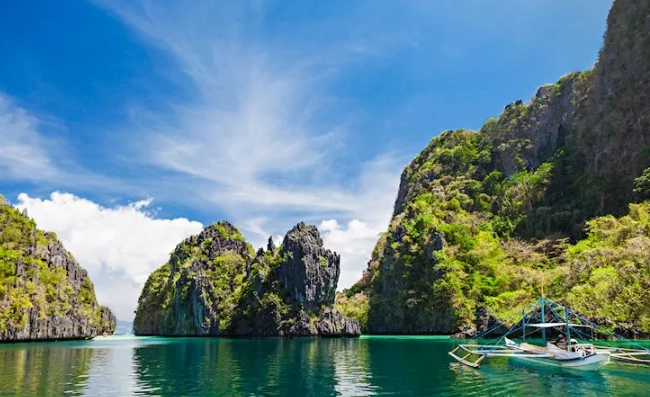
Heads up: Wreck penetration (swimming inside) requires proper training. Never go inside a wreck without a qualified wreck diving guide and the right equipment. The silting inside can reduce visibility to zero in seconds. Most operators offer "outside wreck" tours which are spectacular on their own.
Coron town itself is more developed now, with plenty of accommodation and dive shops. It's a great base. You can easily spend a week here exploring different wrecks and still not see them all. For anyone fascinated by history or just wanting a dive experience that's dramatically different from a colorful reef, Coron is a must on any list of the top diving spots in the Philippines.
Malapascua Island, Cebu
This one is for the shark lovers. Malapascua is a small, laid-back island off the northern tip of Cebu, and it holds a unique claim to fame: it's one of the most reliable places in the world to see thresher sharks. That's right. Those elusive, beautiful sharks with the incredibly long tail lobes.
The Early Morning Ritual
Diving for threshers is an early affair. We're talking 5 AM boat departure. You dive at a site called Monad Shoal, a sunken island plateau about 25-30 meters deep. This is a cleaning station where the threshers come in the early morning to get parasites removed by cleaner fish. You settle on the sandy bottom at around 25 meters, wait patiently, and hope. Seeing their sleek, alien-like forms emerge from the blue is a heart-pounding, absolutely unforgettable experience. It's not a zoo; they're wild animals, so sometimes they're shy, but the success rate is remarkably high.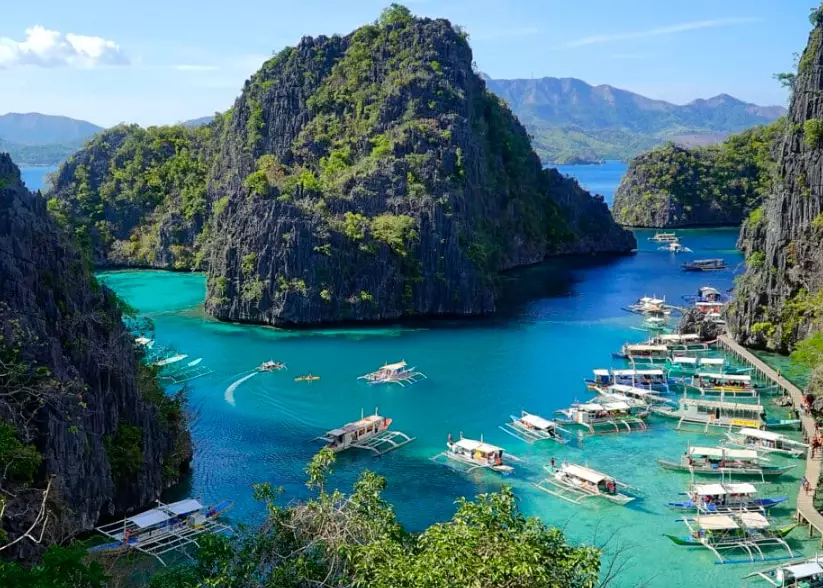
Beyond the Threshers
Malapascua isn't a one-trick pony. Nearby Gato Island is a marine reserve with a fantastic underwater tunnel you can swim through (full of sleeping white tip reef sharks), great macro life, and sometimes even sea snakes. There's also good muck diving for macro enthusiasts around the island itself. The vibe on Malapascua is very chill, diver-centric, with mostly small resorts and cafes lining the beach.
The downside? The thresher shark dive is a deep dive that requires good buoyancy control (you must not stir up the sand) and can sometimes have currents. It's an Advanced Open Water level dive. Also, because of its fame, Monad Shoal can get busy with divers. A good guide will find a spot away from the crowd.
If your dream is to see a truly unique and majestic pelagic animal, Malapascua deserves its spot among the top 5 diving spots in the Philippines. Just set that alarm clock.
Anilao, Batangas
Now, let's talk about the macro paradise. Anilao, just a 3-4 hour drive south from Manila, is often called the birthplace of scuba diving in the Philippines. It's not about big pelagics or dramatic walls. It's about the tiny, the weird, and the wonderful. If you're into underwater photography, especially macro, this is your mecca.
A Critter Hunter's Dream
We're talking about an insane variety of nudibranchs (sea slugs) in every color imaginable, rare pygmy seahorses perfectly camouflaged on sea fans, flamboyant cuttlefish, ghost pipefish, and a whole menagerie of tiny crustaceans. The dive sites are mostly sloping reefs or muck (sandy, silty bottoms that are surprisingly full of life). Dives are generally calm, shallow, and relaxed—perfect for long, slow bottom times where you can really hunt for subjects.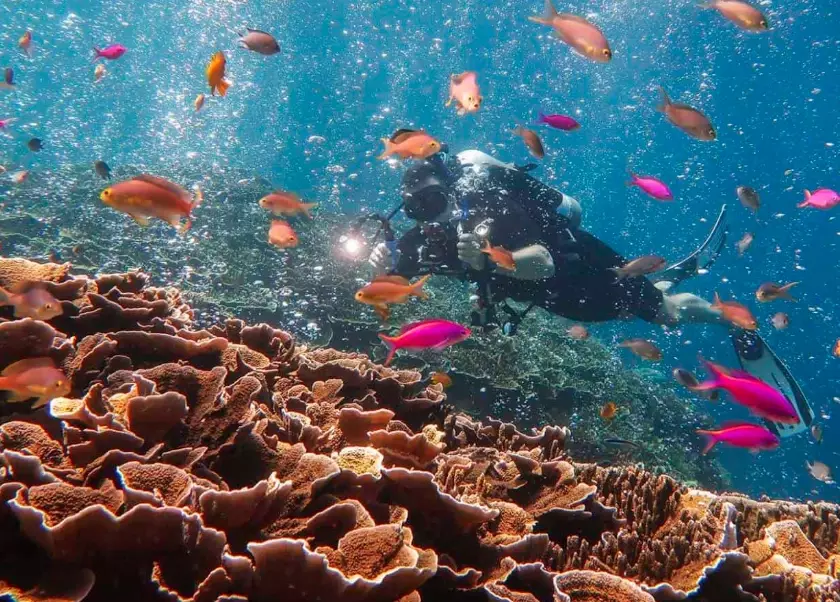
Accessibility and Vibe
This is a huge plus for Anilao. It's the closest major dive destination to the capital, making it perfect for weekend getaways. There are numerous dive resorts catering to all budgets, from backpacker-friendly to luxurious. The diving is year-round, though visibility can be lower during the rainy season (July-Oct). The resorts often have in-house photo pros who can help you find the best critters.
Personally, I love Anilao for a different pace. After the adrenaline of deep walls or shark encounters, it's incredibly satisfying to spend a dive just hovering over a patch of sand, discovering a perfectly patterned shrimp or watching a tiny cephalopod change colors. It teaches you to see the ocean differently.
Is it one of the top diving spots in the Philippines? For biodiversity per square inch and for photographers, undoubtedly. Check out the Anilao Philippines website for a good overview of the dive sites and resorts. It's a great resource for planning.
Bohol (Panglao & Balicasag Island)
Bohol, and specifically the area around Panglao Island, is probably the most popular and accessible diving hub in the Philippines for a reason. It's a complete package. You fly into Tagbilaran Airport (direct flights from Manila and Cebu), and you're at your resort on Alona Beach within 30 minutes. The diving is fantastic, varied, and suits all levels.
The Star Attraction: Balicasag Island
A short boat ride from Panglao lies Balicasag Island, a marine sanctuary. This is where you go for stunning wall dives. One side of the island drops almost vertically into the deep, covered in lush black coral and huge sea fans. The current brings in nutrients, which brings in life. It's famous for its turtle population (I lost count on one dive), jackfish tornadoes, and beautiful coral formations. The visibility is usually excellent. For many divers, Balicasag is the quintessential Philippine dive experience.
Diversity is Key
But there's more. Pamilacan Island offers chances to see dolphins and, in the right season (Feb-June), even whale sharks. There's the Doljo area for macro and night dives. And then there's the famous (or infamous) Alona House Reef—right off the main beach. It's shallow, easy, and packed with life, perfect for check-out dives or a casual afternoon dive. The sardine run there is actually pretty cool, though it gets crowded.
My Honest Take: Alona Beach itself can feel very touristy and commercial. If you're looking for a remote island vibe, this isn't it. But if you want convenience, great infrastructure, restaurants, and easy access to world-class diving like Balicasag, it's hard to beat. It's the perfect place for dive trips with mixed-level groups or families where not everyone dives.
So, does Bohol round out our list of the top 5 diving spots in the Philippines? I think so. It offers the most well-rounded experience, especially for first-time visitors to the country. You get a taste of everything: walls, pelagics, macro, and ease of travel.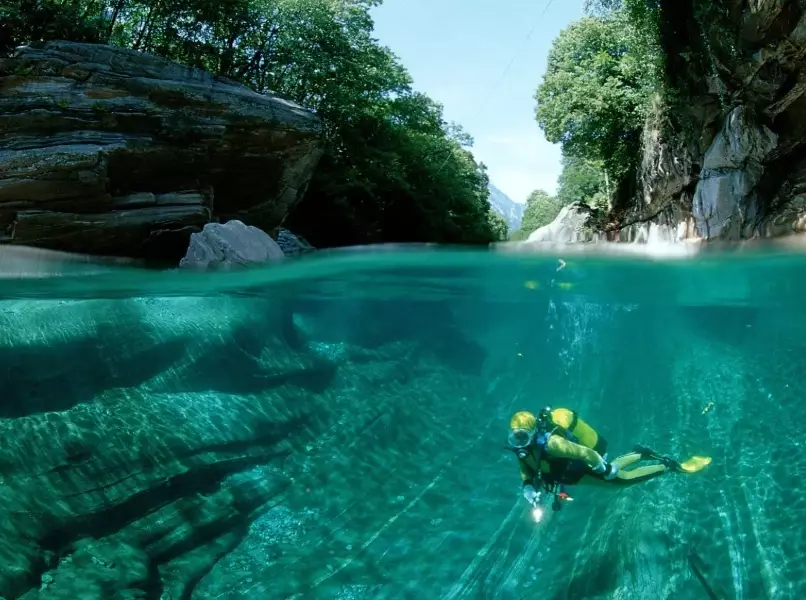
How to Choose & Quick Comparison
Still unsure? Let's break it down side-by-side. This table should help you match a destination to your diving style and trip goals.
| Diving Spot | Best For | Diver Level | Key Attraction | Budget & Travel Notes |
|---|---|---|---|---|
| Tubbataha Reefs | Pristine reefs, big pelagics, liveaboard adventure | Advanced+ (AOW, 50+ dives recommended) | UNESCO World Heritage Site, shark action, untouched walls | High-end. Liveaboard only. Short season (Mar-Jun). Book far ahead. |
| Coron, Palawan | World War II wreck diving, history, atmosphere | Intermediate to Advanced (AOW for deeper wrecks) | Japanese shipwrecks, artificial reefs, coral-covered structures | Mid-range. Fly to Busuanga. Good range of accommodations. |
| Malapascua, Cebu | Unique shark encounters (Thresher sharks), macro | Intermediate to Advanced (Deep dive for threshers) | Thresher sharks at Monad Shoal, Gato Island tunnel | Budget to mid-range. Island vibe. Access via Cebu City & boat. |
| Anilao, Batangas | Macro photography, critters, muck diving, weekend trips | All levels (Beginner-friendly sites) | Nudibranchs, pygmy seahorses, rare crustaceans | Mid-range. Easiest access from Manila. Many resort options. |
| Bohol (Panglao/Balicasag) | All-rounder, wall dives, turtles, convenience, groups | All levels (Something for everyone) | Balicasag Island wall, turtle sightings, jackfish tornadoes | Budget to luxury. Direct flights. Tourist infrastructure. |
See? It's all about what clicks for you.
Planning Your Dive Trip: The Nitty-Gritty
Alright, you've picked a spot. Now what? Here are some hard-earned tips that go beyond the usual guidebook stuff.
When to Go (The Real Story)
The general "best time" for diving in the Philippines is the dry season, roughly November to May. That's when you get the calmest seas and best visibility. But it's also peak tourist season. The rainy season (June-October) can bring rain, wind, and lower visibility, especially on the western side (like Palawan). However, it's cheaper, less crowded, and the water is warmer. Some areas, like Anilao or parts of the Visayas (e.g., Bohol, Malapascua), can be dived year-round with just a higher chance of rain showers. Always check the specific micro-climate of your chosen destination.
Costs Beyond the Dive Package
Everyone quotes you a price per dive or a package. Remember to factor in:
- Park/Entrance Fees: Marine parks like Tubbataha, Balicasag, or Apo Island have daily fees (usually $5-15).
- Equipment Rental: If you don't bring your own.
- Tips: It's customary to tip your dive guide and boat crew, especially if they were great. A general guideline is 150-300 PHP per day for the guide, split among the crew.
- Getting There: Internal flights in the Philippines can add up. Book early.
- Accommodation & Food: This varies wildly from budget hostels to 5-star resorts.
Choosing a Dive Operator
Do your homework. Read recent reviews on multiple platforms (not just the operator's website). Email them with specific questions. A good operator will answer promptly and honestly about conditions, group sizes, and boat specs. Ask how many divers they put with one guide (4-6 is standard, more is a red flag). For more info on safe diving practices, the PADI website has good resources, and for local environmental guidelines, check the Philippines Department of Environment and Natural Resources (DENR) site.
Frequently Asked Questions About Diving in the Philippines
I'm a new Open Water diver. Where should I go from the top 5?
Hands down, start with Bohol/Panglao. The sites like Balicasag (with a guide on the shallow part of the wall) and Alona House Reef are perfect. Anilao is also very beginner-friendly with its calm, shallow dives. Avoid Tubbataha and the deeper wrecks of Coron until you have more experience.
Do I need a dive guide, or can I dive with a buddy?
At virtually all reputable dive sites in the Philippines, especially the famous ones, you must dive with a local guide. This is for your safety (they know the currents and sites intimately) and for marine protection. It's also non-negotiable in marine sanctuaries. You'll be assigned a guide as part of your dive package.
Is the Philippines good for snorkeling too?
Absolutely! Many of these spots have fantastic shallow reefs. Panglao, Coron's coral gardens, and parts of Anilao are amazing for snorkeling. You can often join dive boats as a snorkeler. Always ask the operator.
What about safety and dive conditions?
Dive operators in major tourist areas are generally professional and safety-conscious. Always do your buoyancy check, listen to the briefing, and be honest about your experience level. Currents can be unpredictable. If a dive looks or feels beyond your skill level, it's okay to sit it out. Your safety is more important than FOMO.
Can I see whale sharks?
Yes, but it's not guaranteed like in Oslob (Cebu) where they are fed—a practice many ethical divers avoid. For a chance to see them in the wild, your best bets are Tubbataha (seasonal), Pamilacan Island near Bohol (seasonal), or Donsol in Luzon (whale shark season is roughly Nov-June). It's a wildlife encounter, not a show.
So there you have it. My personal, detailed, and hopefully helpful take on the top 5 diving spots in the Philippines. Each one offers something unique, and honestly, you can't go wrong with any of them. The hardest part is choosing which one to visit first.
The ocean is waiting. Dive responsibly, respect the reefs, and have the time of your life.
Your comment