Quick Guide to This Diving Adventure
- Tubbataha Reefs Natural Park: The Remote Frontier
- Coron Bay, Palawan: The Wreck Diver's Dream
- Anilao, Batangas: The Muck Diving and Macro Capital
- Moalboal and Panglao (Bohol): The All-Rounder Classics
- Malapascua and Dumaguete: For the Specialists
- How to Choose? A Side-by-Side Breakdown
- The Practical Stuff: Making Your Philippines Dive Trip Happen
- Answers to Questions You're Probably Asking (FAQs)
Let's be honest. When you first start looking up Philippines diving places, it's completely overwhelming. Your screen floods with images of perfect coral, giant schools of fish, and divers hovering over pristine walls. Tubbataha. Coron. Anilao. Moalboal. The names start to blend together. How do you even begin to choose? I was in that exact spot a few years ago, staring at a map dotted with 7,000+ islands, my dive log empty and my excitement mixed with a heavy dose of confusion.
Well, after multiple trips, countless dives, and a few disappointments (yes, not every spot lives up to the Instagram hype), I've put together this guide. Think of it as a chat with a friend who's been there, done that, and got the slightly-faded dive T-shirt. We're not just listing spots; we're digging into what each place feels like, who it's really for, and the nitty-gritty you need to know before you book a single thing.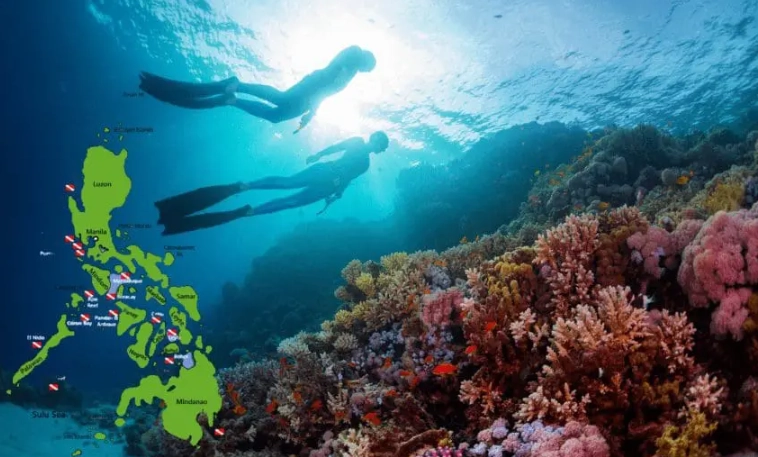
Tubbataha Reefs Natural Park: The Remote Frontier
Let's start with the big one. Tubbataha isn't just another diving spot in the Philippines; it's the country's crown jewel, a UNESCO World Heritage Site smack in the middle of the Sulu Sea. This isn't a day-trip destination. It's a liveaboard-only, once-a-year (the park is only open from mid-March to mid-June) expedition to what many call the best dive site on the planet.
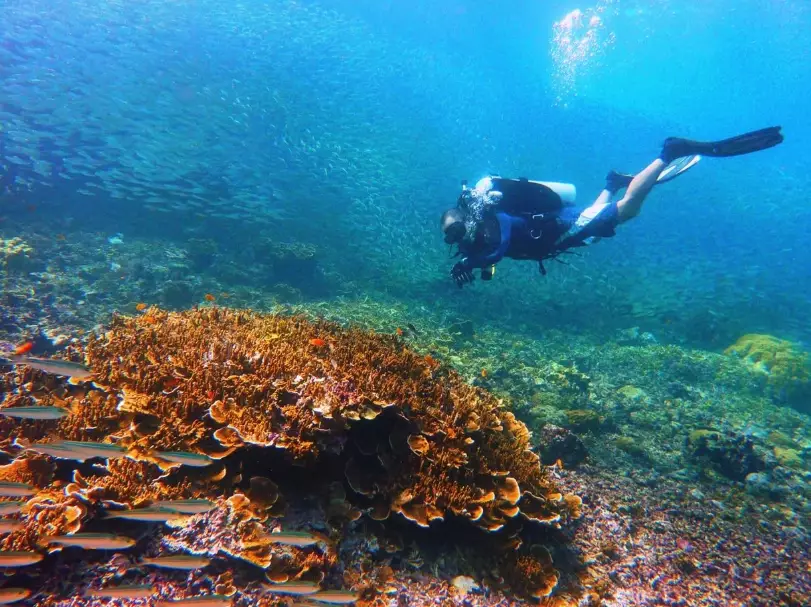
The appeal is its sheer isolation. No day boats, no villages, no runoff. Just you and an ocean bursting with life. We're talking walls carpeted in soft corals where you can see hammerhead sharks, manta rays, and schools of jacks all in one dive. The health of the reef is staggering—it's like diving in an aquarium that's been left perfectly alone.
Shark Airport and Other Highlights
The famous dive site Shark Airport is a cleaning station on a plateau. Hover at 20 meters and watch gray reef sharks, white tips, and even the occasional tiger shark glide in for a tune-up. It's a powerful, humbling experience. At Washing Machine, the currents swirl you around in a whirlpool of fish—thrilling but definitely not for the faint-hearted.
But here's the real talk: Tubbataha is expensive. The liveaboard trips are a significant investment. And the weather window is short. If you hit bad weather, options are limited. It's a high-risk, high-reward destination. For me, the reward was absolutely worth it. Seeing that density of pelagic life changed my standard for what a "great" dive is.
You can verify its protected status and significance through the official UNESCO World Heritage listing for Tubbataha Reefs Natural Park.
Coron Bay, Palawan: The Wreck Diver's Dream
Now for something completely different. If Tubbataha is about vibrant life, Coron is about haunting history. This is the top destination in the Philippines for wreck diving, centered around a fleet of Japanese supply ships sunk by American carrier planes in 1944. These aren't deep, scattered fragments; they are massive, intact vessels sitting in relatively shallow, calm water.
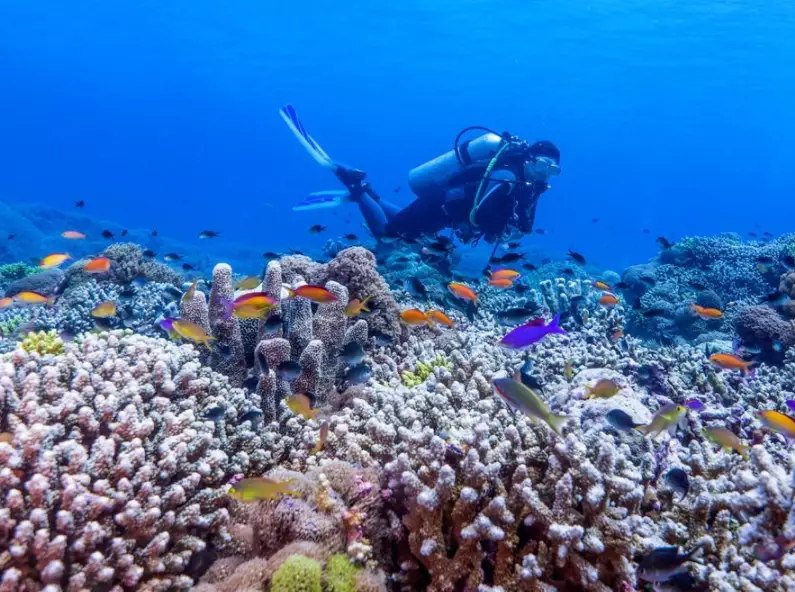
The most famous is the Irako, a refrigeration ship, and the Okikawa Maru, a huge oil tanker. Swimming through engine rooms, past boilers, and over decks now covered in corals and home to schools of snapper is surreal. It feels like exploring a submerged museum.
Beyond the Wrecks: Barracuda Lake
Coron isn't just wrecks. Barracuda Lake is a geographic oddity—a tidal lake separated from the sea by limestone cliffs. You climb over a rock wall to get in. The dive features a wild thermocline. Swim down from warm surface water and suddenly hit a layer of hot (up to 38°C/100°F!) water from underwater geothermal springs. The visibility turns hazy, and you feel like you're in a sci-fi movie. It's weird, wonderful, and unlike any other dive I've done.
My gripe with Coron? The town itself is very much a backpacker hub. It's crowded, a bit chaotic, and the food options are just okay. You're there for the diving, not the five-star resort experience. Also, while the wreck sites are incredible, the coral reefs outside the bay aren't the Philippines' best. Don't come here expecting Tubbataha-level coral gardens.
Anilao, Batangas: The Muck Diving and Macro Capital
Okay, shift gears again. Forget big sharks and giant wrecks. Anilao, just a 3-hour drive south of Manila, is where you go to find the tiny, the weird, and the wonderfully camouflaged. This is the birthplace of Philippines diving for many locals and the global hub for underwater macro photography.
We're talking about critters like the famous pikachu sea slug (yes, it's bright yellow), flamboyant cuttlefish, ghost pipefish, and a staggering variety of nudibranchs. Dives here are slow, careful crawls over black sand or rubble slopes, your eyes scanning every inch for movement.
It's a treasure hunt.
Why Photographers Flock Here
The conditions are often ideal—protected coves, generally calm water, and critters that are surprisingly habituated to divers. Resorts here are geared towards photographers, with camera rooms, dedicated guides with laser pointers, and even classroom sessions. I'm not a pro photographer, but diving here taught me to appreciate the small stuff. It completely redefined a "successful" dive for me. Seeing a tiny, ornate ghost pipefish for the first time was as thrilling as any shark encounter.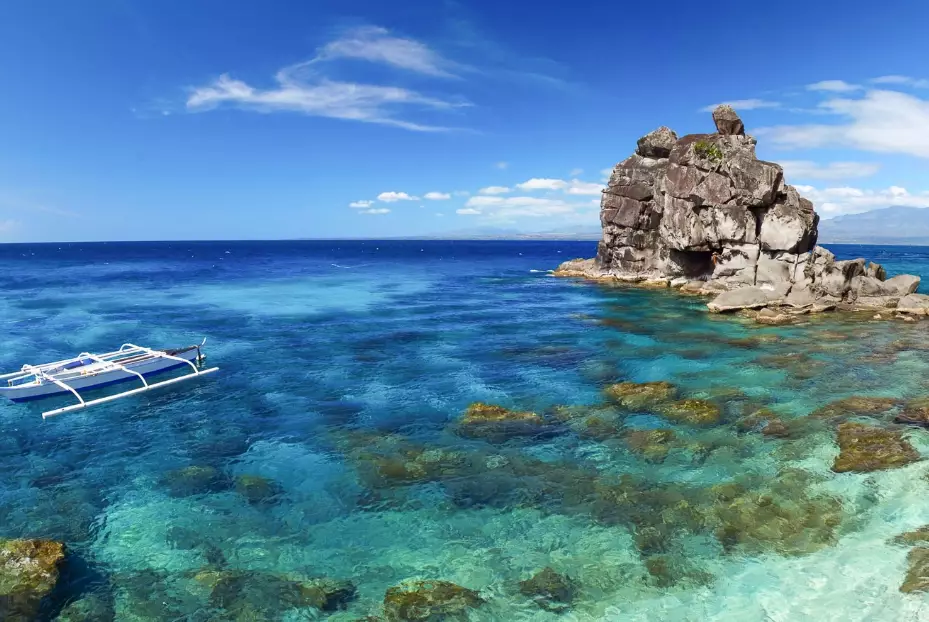
Moalboal and Panglao (Bohol): The All-Rounder Classics
For many first-time visitors to the Philippines, the island of Cebu and its neighbor Bohol offer the perfect package. The diving is excellent and accessible, and there's plenty to do topside.
In Moalboal (southwest Cebu), the star attraction is the Sardine Run. Just a few meters from the shore at Panagsama Beach, a massive, shifting ball of millions of sardines is a permanent fixture. Swimming through it as it parts and reforms around you is mesmerizing. It's free (if you snorkel) and available 365 days a year. Beyond that, Pescador Island offers beautiful walls and the chance to see thresher sharks (especially at nearby Malapascua Island, a separate but famous thresher shark destination).
Over in Panglao, Bohol, the must-do dive is Balicasag Island. Its famous wall drops into the abyss and is almost always visited by a large school of resident jackfish. The current sweeps you along in what's called a "drift dive," flying past gardens of anemones and healthy hard corals. It's energetic, colorful, and feels like a classic tropical dive.
These areas are fantastic because they cater to everyone. Beginners can enjoy the sardines and easy reef dives, while advanced divers can seek out the drifts and pelagic action. The towns are full of restaurants, bars, and affordable accommodation. The downside? These are popular Philippines diving places. Sites like Balicasag can get crowded with day-trippers. It's not a remote wilderness experience.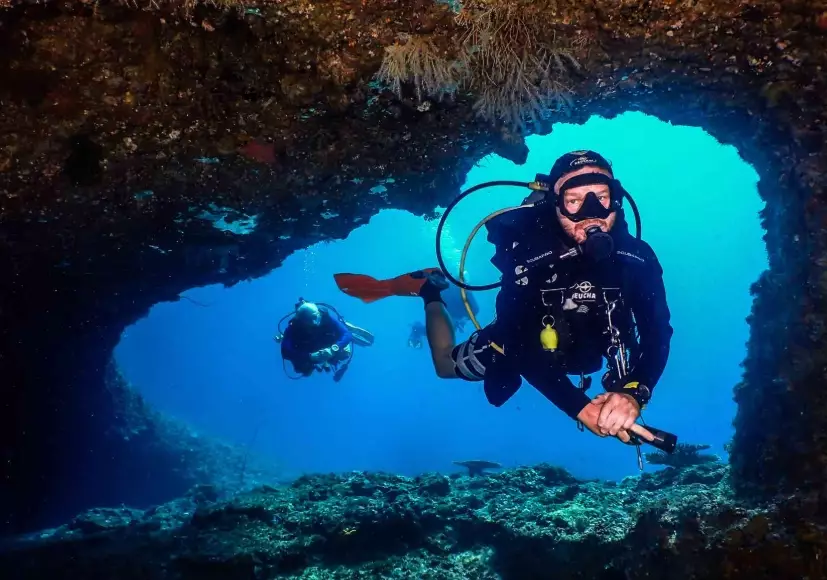
Malapascua and Dumaguete: For the Specialists
Some dive sites in the Philippines are famous for one very specific, incredible thing.
Malapascua Island (north of Cebu) is the only place in the world where you have a near-guaranteed daily sighting of the elusive, long-tailed thresher shark. This involves a very early morning wake-up (like 5 AM) to dive at Monad Shoal, a deep cleaning station about 30 minutes from shore. It's a surreal experience seeing these graceful, alien-looking sharks appear out of the blue. The island itself is a laid-back speck with great vibes.
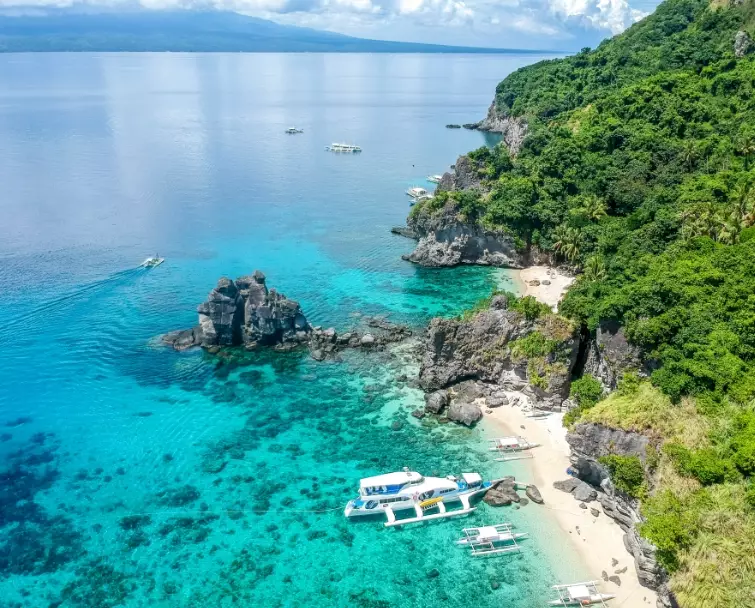
Dumaguete & Dauin on Negros Island offers a wild combination. The black sand slopes of Dauin are a muck diving paradise rivaling Anilao. But a short boat ride away is Apo Island, a marine sanctuary with some of the most vibrant and healthy coral reefs I've seen in the country, teeming with turtles and fish. It's the best of both worlds—macro and beautiful reefs—in one trip.
How to Choose? A Side-by-Side Breakdown
Still stuck? This table might help. It strips away the marketing and gets to the heart of what each major area offers.
| Diving Area | Best For | Not So Good For | Typical Vibe | Budget Level |
|---|---|---|---|---|
| Tubbataha | Advanced divers, pelagic life, pristine reefs, liveaboard fans | Beginners, budget travelers, short trips, non-divers | Expedition, remote, serious diving focus | High-End |
| Coron | Wreck diving, history buffs, beginner-intermediate divers | World-class coral reefs, luxury resort seekers | Backpacker adventure, town-based day trips | Mid-Range |
| Anilao | Macro photography, critter hunting, weekend trips from Manila | Big animal encounters, vibrant nightlife topside | Relaxed, photography-focused, resort-based | Mid-Range to High-End |
| Moalboal/Panglao | First-time visitors, sardine balls, easy reefs, groups with mixed levels | Remote solitude, guaranteed big pelagics | Touristy, lots of options, social | Budget to Mid-Range |
| Malapascua | Thresher shark enthusiasts, relaxed island life | Variety of dive sites, non-diving activities | Tiny island, casual, dive-centric | Budget to Mid-Range |
The Practical Stuff: Making Your Philippines Dive Trip Happen
All this talk about amazing Philippines diving places is useless if you don't know how to get there, when to go, or how much to save.
Getting There and Around
You'll almost always fly into Manila (MNL) or Cebu (CEB). From there, you take domestic flights on carriers like Philippine Airlines, Cebu Pacific, or AirAsia to smaller hubs like Puerto Princesa (for Coron/Tubbataha), Tagbilaran (for Bohol), or Dumaguete. Book these internal flights in advance, especially during peak season (December-April). For the latest travel advisories and general info, the official Philippine Department of Tourism website is a reliable resource.
Once on the ground, be prepared for a mix of taxis, vans ("V-Hire"), and bangka (traditional outrigger boat) transfers. It's part of the adventure, but it can eat up a day. For example, getting from Cebu City to Moalboal is a 3-4 hour drive.
Budgeting Realistically
Let's talk money, because "cheap" is relative.
- Budget Diver: Staying in hostels or basic fan rooms, eating at local eateries ("carinderias"), joining daily fun dives from small operators. Expect $40-70 per day excluding flights.
- Mid-Range Diver: Comfortable air-conditioned room in a dive resort, 2-3 dives per day with a good operator, meals included or at nice local restaurants. Expect $80-150 per day.
- High-End/Liveaboard: This is Tubbataha or high-end resorts in Anilao/Palawan. Liveaboards run $2,500-$4,500+ per week. Luxury resorts can be $300+ per night.
Don't forget to budget for park fees (e.g., Tubbataha Park fee is ~$150-200, Apo Island fee is ~$10), equipment rental if needed, and tips for guides/crew (standard is 10%).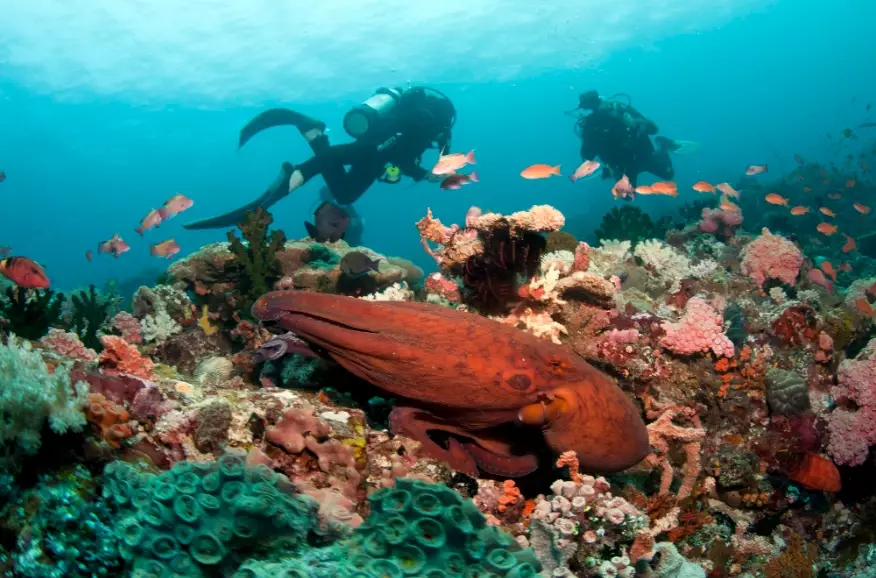
When to Go: The Season Split
The Philippines has two main seasons: the Amihan (dry, northeast monsoon) from November to April, and the Habagat (wet, southwest monsoon) from May to October. Generally, the best diving conditions are during the Amihan. However, it varies by region.
Answers to Questions You're Probably Asking (FAQs)
So there you have it. A massive, detailed, hopefully-not-too-overwhelming look at the stunning world of Philippines diving places. From the macro wonders of Anilao to the majestic pelagics of Tubbataha, there's a perfect underwater adventure here for every type of diver. The hardest part is choosing where to start.
My final piece of advice? Book that flight. Get in the water. The warmth, the visibility, and the sheer abundance of life have a way of making all the planning and travel worth it. Just remember to look up from the tiny critters sometimes—the sun filtering down through a school of jacks in the Visayas is a sight you'll carry with you long after your tan fades.
Your comment