Your Dive Journey at a Glance
Let's be honest. The idea of learning to scuba dive can feel equal parts thrilling and utterly terrifying. You're excited about turtles and coral reefs, but your brain is also helpfully supplying images of everything that could go wrong. I remember my own first dive course, fumbling with the gear, convinced I'd never get the hang of breathing underwater. But then I did. And the moment I sank below the surface and hovered weightlessly for the first time, it was pure magic. No exaggeration.
If you're a beginner dreaming of that moment, you've probably already heard the Philippines is a top contender. But is it the right place for a complete newbie? From someone who's been there and seen dozens of wide-eyed first-timers transform into confident divers, the answer is a resounding yes. But it's not just about the clear water. It's about the whole ecosystem that makes learning here uniquely forgiving, fun, and profoundly beautiful.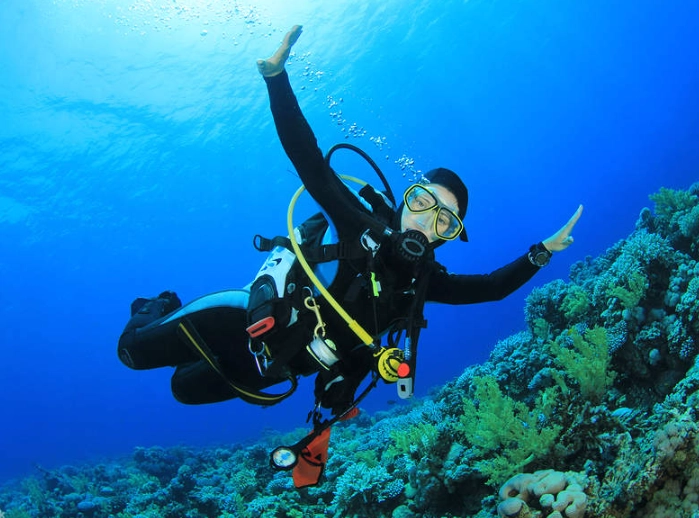
This isn't a generic travel listicle. Think of this as a long chat with a friend who's done the research, made the mistakes, and wants to hand you all the real, practical info you need. We're going to cover the how, the where, the how much, and the "oh-god-what-if" questions that keep you up at night. By the end, you'll have a clear picture of what a Philippines diving beginner journey really looks like.
Why the Philippines Tops the List for New Divers
You could learn to dive in a murky quarry. I wouldn't recommend it. Your first impressions matter, and the Philippines sets the bar incredibly high. It's not just one thing; it's a combination of factors that create the perfect beginner's playground.
First, the water. It's warm. Year-round. We're talking 26-30°C (79-86°F). As a beginner, being cold is a major distraction and can make you miserable. In the Philippines, a 3mm wetsuit is often more than enough, sometimes just a rash guard. This thermal comfort means you can focus on your skills, not on chattering teeth.
Then there's the visibility. While it varies, many beginner-friendly sites offer 10-30 meter visibility. Good viz reduces anxiety. You can see your instructor clearly, you can see the bottom, you don't feel closed in. It's reassuring. The marine life is also incredibly diverse but often non-threatening. You're more likely to be dazzled by a school of friendly jackfish or a curious clownfish than to encounter anything that would spook a new diver.
But here's a key point many miss: the dive community and infrastructure. Places like Puerto Galera, Moalboal, and Panglao are practically built around diving. This means there's a high concentration of PADI and SSI dive centers (PADI and SSI are the two biggest training agencies). Competition is healthy, which generally keeps standards high and prices reasonable. Instructors here are often multilingual and have thousands of dives under their belts, specifically teaching beginners. They've seen it all and know how to put you at ease.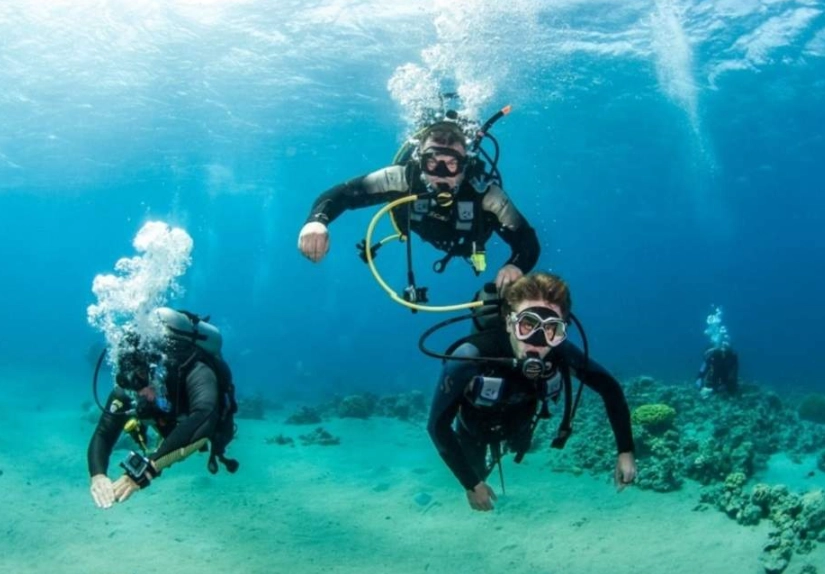
Finally, the value. Getting your Open Water Diver certification in the Philippines can be significantly cheaper than in North America or Europe, even after adding flights. And your training dives are on actual, stunning reefs, not in a simulated environment.
Getting Started: Your Pre-Trip Blueprint
Jumping on a plane and hoping to figure it out there is a plan, but not a great one. A little prep goes a long way in making your Philippines diving beginner experience smooth.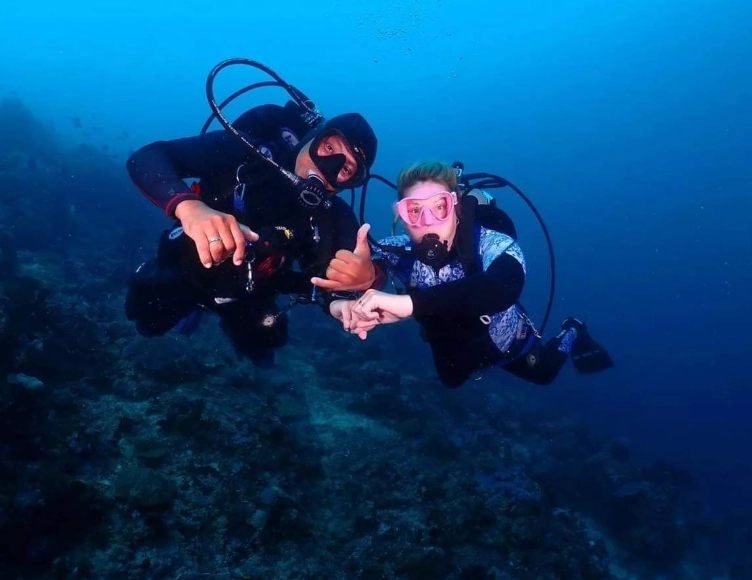
Choosing the Right Certification Agency: PADI vs. SSI
This causes more stress than it should. For a beginner, the differences are minimal. Both PADI (Professional Association of Diving Instructors) and SSI (Scuba Schools International) are globally recognized, and their entry-level courses (Open Water Diver) teach you the same core skills and safety principles.
PADI is more ubiquitous. Their materials are slick, and the name is instantly recognizable worldwide. Some find their system very structured.
SSI can be a bit more flexible in its approach, sometimes offering digital materials included in the course cost. Their eco-focused programs are strong.
My take? Don't choose the agency first. Choose the dive center and instructor you feel most comfortable with. A great instructor from either agency is worth far more than a mediocre one from your "preferred" brand. Email a few centers. Ask about instructor-to-student ratios (4:1 is max, 2:1 or 3:1 is better). See who communicates clearly and patiently.
Health and Fitness: The Real Deal
You don't need to be an Olympic athlete. But you do need to be in reasonable health and be comfortable in the water. You'll have to float and swim 200 meters (any style, no time limit) and tread water for 10 minutes. It's not a race, it's a demonstration of basic water comfort.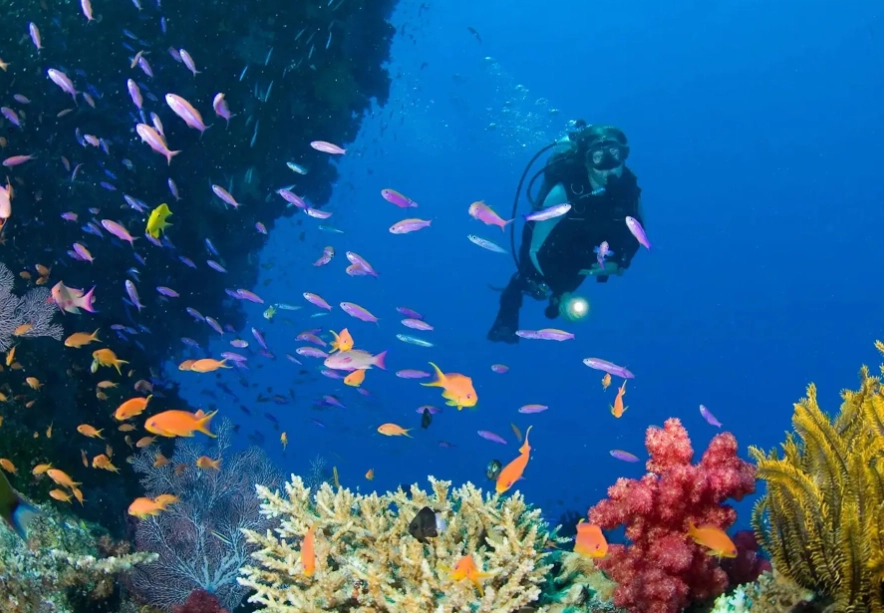
What about ears? Equalizing is the number one skill beginners struggle with. Start practicing now. On land, pinch your nose and gently try to blow out through it. You should feel pressure in your ears. That's the motion. If you have a persistent cold or sinus congestion, postpone. Diving with blocked passages is painful and risky.
What to Actually Pack (And What to Leave Behind)
Dive centers provide all the core gear: tank, BCD (the buoyancy jacket), regulator, wetsuit, weights, computer. You should invest in a few personal items for comfort and hygiene.
- Must-Haves: A well-fitting mask is the most important piece of gear you'll buy. Go to a dive shop and try them on. Inhale slightly through your nose; it should suction to your face without the strap. A snorkel is cheap. Good fins that fit your booties (if needed) make a huge difference. Don't forget a logbook.
- Highly Recommended: Your own dive computer is a big investment for a beginner, but renting is fine. I'd prioritize a good quality rash guard or shorty wetsuit for sun and rash protection. A surface marker buoy (SMB) is a safety tool you'll learn about.
- Leave at Home: Gloves (they encourage touching, which damages coral). Knives (unnecessary for beginners). Any sense of rush.
Where to Go: The Best Philippine Islands for a Diving Beginner
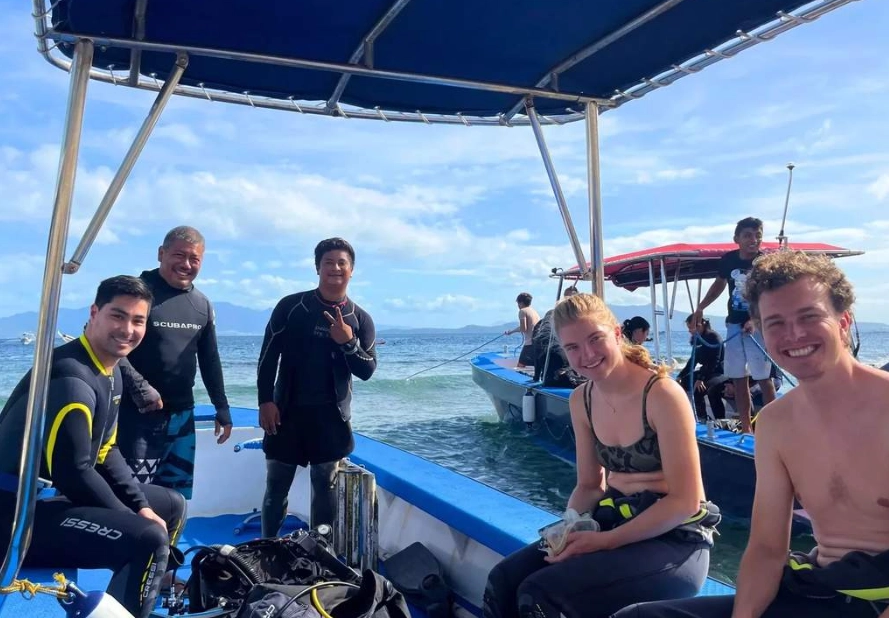
This is the fun part. The Philippines has over 7,000 islands. You can't go wrong, but some spots are famously tailored for new divers. Here’s a breakdown of the top contenders.
| Destination | Best For Beginners Because... | Potential Drawback | Vibe & Beyond Diving |
|---|---|---|---|
| Puerto Galera, Mindoro | Protected, shallow bays (like Sabang Beach) with minimal current. Incredible biodiversity on easy reefs. Known as the "training capital" with countless schools. | Can get crowded. The town of Sabang is very much a dive town, not a pristine paradise. | Utilitarian dive town vibe. Great for focusing purely on diving. Nightlife exists. Easy trip from Manila. |
| Moalboal, Cebu | Famous for the sardine run right off the shore—you can see it on your first ocean dive! Generally calm conditions. Excellent house reefs. | The main attraction (sardines) is deep for a brand-new diver (10m+), but you can observe from a safe depth. | Chill, backpacker-friendly beach town. Beautiful Panagsama Beach. Good food options. |
| Panglao (Alona Beach), Bohol | Very sheltered diving around Balicasag and Panglao Island. High chance of seeing turtles. Well-established, professional dive operations. | More touristy and developed than other spots. Can feel less "authentic." | Classic white-sand beach holiday vibe. Combine diving with seeing the Chocolate Hills and tarsiers. |
| Coron, Palawan | UNESCO-listed. Offers unique wreck diving in shallow, calm water (e.g., 5-12m). A different, historical kind of diving. | Less focus on colorful coral reefs (though there are some). The wrecks are the main event. | Adventure, jungle-meets-sea vibe. Stunning karst landscapes. More remote feeling. |
| Dauin & Apo Island, Negros Oriental | Dauin has famous muck diving (macro life) in shallow, sandy slopes—perfect for buoyancy practice. Apo Island has pristine reefs with gentle slopes. | Two distinct dive types. Requires a short boat ride to Apo Island (worth it). | Laid-back, eco-conscious vibe. The university town of Dumaguete is charming. |
My personal recommendation for a total beginner? Moalboal or Puerto Galera. They offer the perfect blend of easy conditions, stunning marine life right away, and a critical mass of dive schools that keeps quality high. Panglao is a very close second, especially if you want that postcard beach holiday too.
Coron is fantastic, but it's a specific taste. If the idea of swimming through the hull of a sunken Japanese warship excites you more than a coral garden, go for it. The wrecks are shallow and incredible. Check the official tourism site for Philippines Department of Tourism for general travel updates.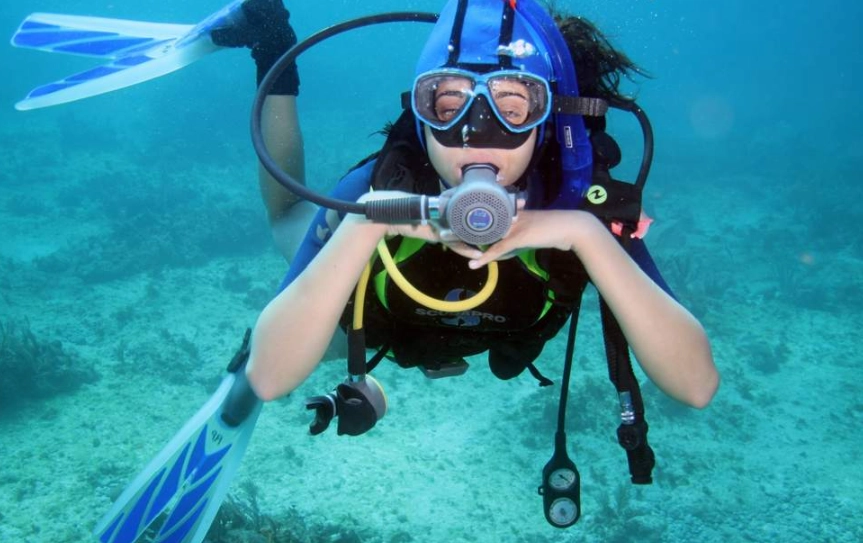
What to Expect: The Open Water Diver Course Demystified
Let's walk through the standard 3-4 day PADI/SSI Open Water Diver course. Knowing what's coming takes the edge off.
Day 1: Knowledge Development & Confined Water
You'll start with theory, usually via digital tablets or a book. It covers physics (why don't we get crushed?), physiology (how not to get bent), gear, and hand signals. It's not rocket science, but pay attention. The quizzes ensure you get it.
Then, you'll move to a swimming pool or a very calm, shallow beach area. This is "confined water." Here, you'll learn to set up your gear (it's like Lego with hoses), do the giant stride entry, and practice foundational skills: clearing a flooded mask, recovering your regulator, sharing air with a buddy. It feels awkward at first. Everyone looks silly. That's the point—to mess up in a safe place.
Day 2 & 3: Open Water Dives
Now you hit the ocean. You'll do four open water dives over two days, typically going to depths of 12 meters (40 feet) and then 18 meters (60 feet). Each dive has a purpose. You'll demonstrate a few skills you learned in the pool (like mask clearing) on the bottom, and then you'll go for a swim. The skills portion is short. The fun diving is the reward.
The biggest challenge for every Philippines diving beginner is buoyancy control. You'll either float up or sink down like a rock at first. It's a dance of adding tiny breaths of air to your BCD and controlling your breathing. You will improve dramatically between dive one and dive four. It's the most rewarding skill to learn.
After Certification: What's Next?
You pass! You're a certified diver, but you have about 4 dives of experience. You're legal to dive with a buddy, but you're not ready for strong currents or deep wrecks yet.
This is where many dive centers offer a perfect next step: the Advanced Open Water Diver course. It's not "advanced" in the expert sense; it's about gaining experience in different types of diving (deep, navigation, buoyancy peak performance) under instructor supervision. I highly recommend it, especially if you have a week or more. It builds confidence fast.
Otherwise, just go fun diving! Stick to sites labeled for beginners. Tell your dive guide it's your first dive post-certification. They'll keep a closer eye on you.
Costs, Conservation, and Common Pitfalls
Let's talk money and ethics.
A standard Open Water Diver course in the Philippines ranges from **$350 to $500 USD**, all-inclusive (materials, gear rental, instructor, boat fees, certification). This is often 30-50% cheaper than Western countries. Fun dives after certification can be $25-$40 per dive including gear. Always confirm what's included. Does the price cover the e-learning? The certification fee? Marine park fees?
Diving Responsibly as a Newbie
Your buoyancy is your responsibility. A single fin kick can destroy coral that took decades to grow. The mantra is: Look, don't touch. Don't chase wildlife. Don't wear gloves (so you're not tempted to grab things). Be mindful of your gauges and hoses so they don't drag. Choose operators who follow good practices—ask if they use mooring buoys instead of dropping anchor on reefs.
Consider supporting conservation efforts. Some dive shops partner with organizations for coral planting or beach clean-ups. The UNESCO page for the Tubbataha Reefs Natural Park is a great example of the world-class protection some Philippine sites receive.
Pitfalls to Avoid
- Choosing the Cheapest Option: Scuba diving is an equipment- and safety-intensive activity. A rock-bottom price might mean cut corners on maintenance, boat safety, or instructor attention.
- Packing Too Much Schedule: Don't plan a big island-hopping tour right after your course. You'll be tired. Plan a rest day or two after certification dives.
- Ignoring Your Body: Flying after diving requires a surface interval to avoid decompression sickness. The general rule is wait at least 18 hours after your last dive before flying. Plan your flights accordingly.
Answering Your Biggest Fears & Questions
Look, starting your diving journey in the Philippines is one of the best travel decisions you can make. The combination of world-class beauty, ideal learning conditions, and genuine warmth from the dive community is hard to beat. It turns the daunting task of learning to dive into a pure, joyful adventure.
You'll remember your first breath underwater. You'll remember the weightlessness. You'll remember the silent, alien world that opens up beneath you. And you'll probably remember the specific instructor who guided you through it. For a Philippines diving beginner, it's more than a certificate; it's a passport to a whole new way of seeing our planet.
So take a deep breath (on land, for now), do your research, pick a spot that calls to you, and take the plunge. The water's fantastic.
Your comment