Quick Guide
- Why the Philippines is a Diver's Paradise (The Real Reasons)
- When to Go and What to Expect (The Practical Stuff)
- Addressing the Elephantfish in the Room: Concerns & Challenges
- Your Pre-Dive Checklist: Planning a Philippines Dive Trip
- Common Questions Divers Ask (The FAQ You Actually Need)
- The Final Verdict
You know how it is. You're dreaming of your next big underwater adventure, scrolling through photos of crystal clear water and schools of colorful fish. Then the question pops into your head: where should I go? Bali? The Red Sea? The Great Barrier Reef? And then you see a picture from the Philippines – maybe a thresher shark or a sea turtle swimming over pristine coral. And you think to yourself, is the Philippines good for scuba diving? Really good, or just... okay?
Let me cut to the chase. Asking if the Philippines is good for diving is like asking if pizza is good for eating. It's not just good; for countless divers, it's the absolute pinnacle. I remember my first dive there, off the coast of Cebu. One moment I was looking at a boring sandy patch, and the next, a massive school of jackfish swirled around me like a living tornado, blocking out the sun. That's the Philippines – it constantly surprises you.
But hey, I'm not here to just gush. I've also had dives where the current was stronger than advertised, or where a famous site felt a bit crowded. It's not a perfect underwater utopia. So let's get real. This guide isn't a fluffy brochure. We're going to dig into the nitty-gritty – the world-class sites, the mind-blowing marine life, the best times to go, the costs, and even the less-glamorous bits. By the end, you'll have a crystal-clear answer (pun intended) and a solid plan.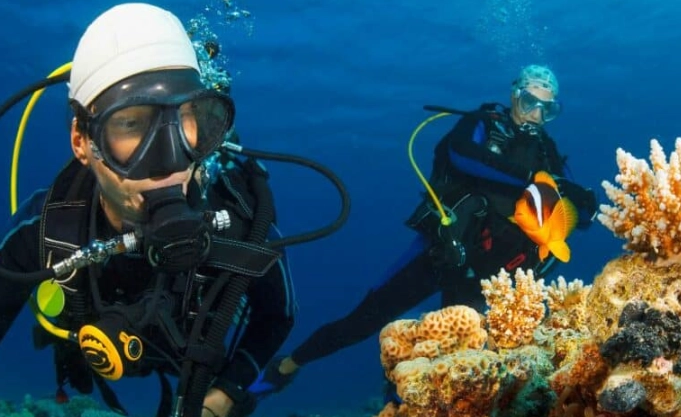
Why the Philippines is a Diver's Paradise (The Real Reasons)
Anyone can list dive sites. Let's talk about the feel of diving here. The water is almost always warm (26-30°C or 79-86°F year-round), so a 3mm wetsuit is often enough. The visibility? It can be hit or miss depending on weather and location, but when it's good, it's 30+ meters (100+ feet) of liquid glass. But the real magic is in the sheer diversity of experiences packed into one country.
You want macro life? Head to Anilao or Dauin, where you'll spend dives hunting for frogfish, ghost pipefish, and a dozen species of nudibranch on a single sponge. You want big stuff? Malapascua is the only place in the world where you can reliably see thresher sharks every single morning. Donsol for whale sharks (the responsible, snorkeling-only kind). Tubbataha Reefs Natural Park, a UNESCO site only accessible by liveaboard, is pure, untouched wilderness diving that rivals any remote atoll in the world.
And then there's the wreck diving. Coron Bay in Palawan is legendary, with a fleet of Japanese WWII wrecks sitting in relatively shallow, calm water. You can penetrate the holds of massive cargo ships, now home to schools of barracuda and lionfish. It's history and diving combined in the most hauntingly beautiful way.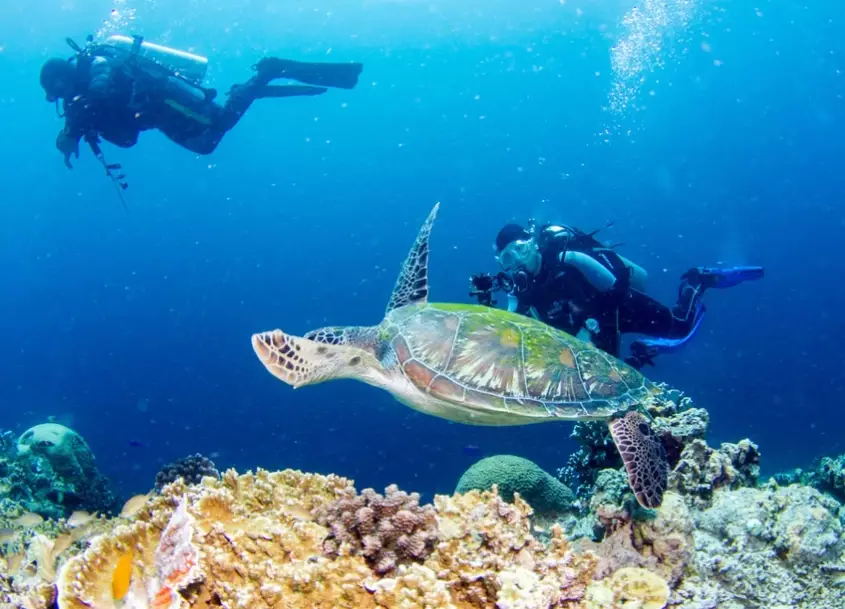
The Crown Jewels: Top Philippine Dive Destinations Broken Down
It's impossible to pick a "best" spot, as it totally depends on what you're after. So here's a breakdown of the heavy hitters.
| Destination | Best For | Signature Creature | Vibe & Skill Level |
|---|---|---|---|
| Malapascua Island | Pelagic action, shark lovers | Thresher Shark (daily!) | Early morning dives, moderate currents. Suitable for confident beginners upwards. |
| Coron, Palawan | Wreck diving, photography | Wreck ecosystems, Barracuda | Calm, shallow lagoons. Wreck penetration requires advanced cert. Great for beginners on reef sites. |
| Tubbataha Reefs | Liveaboard adventure, pristine reefs | Sharks (reef, hammerhead), Mantas, Turtles | Remote, advanced diving. Strong currents, deep walls. For experienced divers only. Seasonal (Mar-June). |
| Anilao, Batangas | Macro/muck diving, nudibranchs | Pygmy Seahorse, Frogfish | "The Birthplace of Philippine Diving." Relaxed, critter-focused. Perfect for all levels, especially photographers. |
| Puerto Galera | Variety, nightlife, easy access | Colorful Reef Fish, Macro | Dozens of sites minutes from shore. Social, backpacker-friendly. Strong currents at some sites. All levels. |
| Moalboal, Cebu | Sardine Run, accessible reefs | Sardine Ball (millions!) | The famous sardine run is right off the beach! Very relaxed town, easy diving. Fantastic for beginners. |
| Apo Island | Marine protected area, turtles | Sea Turtles (lots!) | Conservation success story. Healthy, vibrant reefs. Day trips from Dauin/Dumaguete. Good for all levels. |
See what I mean? Whether you're a newbie doing your first open water dives or a seasoned pro looking for a challenge, there's a Philippine island with your name on it. That's a core part of why the Philippines is so good for scuba diving – its inclusivity.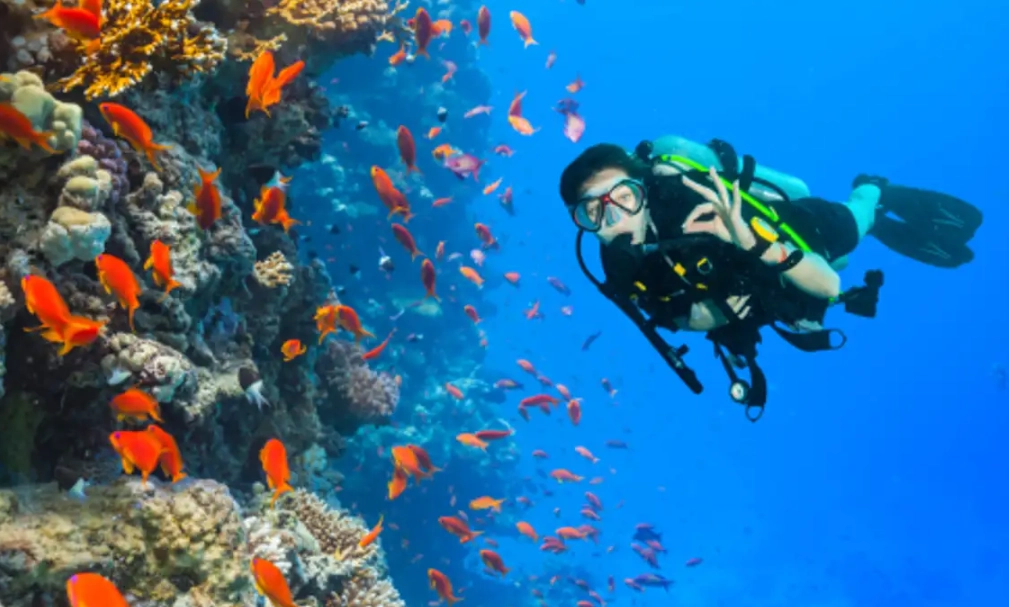
When to Go and What to Expect (The Practical Stuff)
Timing is everything. The Philippines has a tropical climate with two main seasons: dry (November to April) and wet (May to October). But it's a big archipelago, so weather patterns vary.
The dry season is generally considered the best time for diving.
Calmer seas, sunnier skies, and better visibility. Especially from March to May, it's peak season. But it's also hotter and more crowded (and pricier). The wet season brings rain, occasional typhoons, and potentially choppier seas. Visibility can drop after heavy rains due to runoff.
Some places have specific windows. Tubbataha is only accessible from mid-March to mid-June. Whale shark interactions in Donsol are best from November to June. So, your desired activity dictates your timing.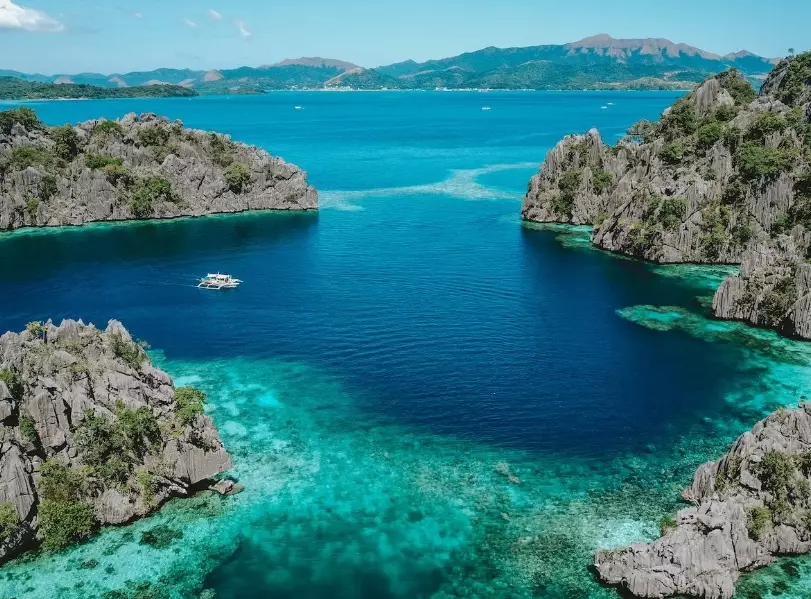
Budgeting Your Dive Trip: It's Not Just About the Dive Price
One of the biggest advantages of the Philippines is cost. Compared to destinations like the Maldives or Palau, it's incredibly affordable. But let's break it down so there are no surprises.
- Fun Dives: Typically range from $25 to $45 USD per dive, including gear. Packages of 5-10 dives usually bring the per-dive cost down.
- Liveaboards: The premium option. Tubbataha liveaboards can run $2,500-$4,000+ for a 7-night trip (all-inclusive). Coron or Apo liveaboards are less expensive.
- Certifications: Getting your Open Water certification here can be a steal, often $350-$500 USD all-in.
- Accommodation & Food: This is where you save. You can find decent fan rooms for $15-20/night, or nice beachfront resorts for $50-100/night. Local food ("carinderias") is delicious and costs just a few dollars for a meal.
Addressing the Elephantfish in the Room: Concerns & Challenges
Look, no place is perfect. To give a truly honest answer to "is the Philippines good for scuba diving," we have to talk about the challenges.
Getting Around: It's an archipelago of 7,000+ islands. Logistics can be time-consuming. A dive trip might involve a flight, a van ride, and a boat transfer. Embrace the journey as part of the adventure, but don't try to cram too many islands into a short trip.
Coral Bleaching & Damage: Like all coral reefs worldwide, Philippine reefs face threats. Some areas, especially near heavy population centers, show damage from past fishing practices (dynamite fishing) or pollution. This is the sad reality. However, the marine protected areas (MPAs) like Apo Island, Tubbataha, and many local community-run zones are thriving examples of recovery. Choosing to dive with eco-conscious operators who support these MPAs is crucial.
Currents: Some sites, like in Tubbataha or the channels around Verde Island, have very strong, unpredictable currents. This is advanced diving. A good dive shop will always brief you thoroughly and assess conditions. Never be afraid to sit out a dive if it's beyond your comfort level.
Overcrowding: The secret is out. Popular sites like Monad Shoal in Malapascua or the Coron wrecks can get busy, especially in peak season. Go on the earliest dive of the day, or ask your operator about less-visited alternative sites.
Your Pre-Dive Checklist: Planning a Philippines Dive Trip
Okay, you're convinced. Here's a step-by-step mental checklist for planning.
- Choose Your Priority: Is it sharks? Wrecks? Macro photography? Relaxed reefs? Pick one or two primary goals.
- Match Destination to Goal: Use the table above. Want sharks + wrecks? Maybe combine Malapascua and Coron.
- Check the Season: Align your travel dates with the best weather for your chosen destination.
- Research Operators: Don't just pick the cheapest. Look for shops with PADI or SSI certification, good recent reviews, and a clear emphasis on safety and ecology. I always look at their boat photos and see if they have safety equipment like oxygen on board.
- Get Insured: This is non-negotiable. Get dive-specific travel insurance (like DAN or DiveAssure). A chamber ride is not something you want to pay for out of pocket.
- Pack Smart: Besides your normal gear, bring a reef-safe sunscreen (please!), a surface marker buoy (SMB) if you're certified to use one, and a dive computer. Most shops have gear for rent, but if you're particular about your mask or computer, bring your own.
Common Questions Divers Ask (The FAQ You Actually Need)
The Final Verdict
So, after all this, is the Philippines good for scuba diving?
It's more than good. It's a foundational destination for any serious diver's life list. It offers an unbeatable combination of biodiversity, variety, value, and genuine adventure. You can spend a month hopping between islands and still only scratch the surface.
Yes, it requires a bit more travel planning than an all-inclusive in Cozumel. Yes, you might encounter a rainy day or a crowded site. But these are minor trade-offs for the reward. Where else can you see a prehistoric-looking thresher shark at dawn, explore a sunken warship by lunch, and end the day photographing a critter smaller than your fingernail?
The Philippines doesn't just meet expectations; it resets them.
It shows you what a healthy, vibrant ocean can look like. It challenges you with currents and rewards you with sightings you'll talk about for years. It welcomes divers of all levels and budgets. For the sheer density of marine life and the spectrum of diving experiences, it is, in my opinion and that of countless others, one of the very best diving destinations on the planet.
Your next step isn't to ask "if" anymore. It's to decide which part of this incredible archipelago will be your first underwater hello. Start looking at flights. Your best dive ever is waiting.
Your comment