Quick Guide
Ask ten divers that question and you might get eleven different answers. Seriously, it's the classic dive bar argument. The Philippines isn't just one good spot; it's an archipelago of over 7,000 islands stuffed with world-class underwater scenery. So, where is the best dive site in the Philippines? The truth is, it completely depends on what you're after. Are you a macro photography nerd who gets more excited about a pygmy seahorse the size of your fingernail than a whale shark? Or do you live for the adrenaline of strong currents and big pelagics? Maybe you just want calm, easy dives with postcard-perfect coral gardens.
I've spent months hopping around these islands, from the remote reaches of Tubbataha to the busy channels of Moalboal. I've had blissful dives and frustrating ones where the visibility was like swimming in soup. Let's cut through the marketing hype and look at the real contenders. We'll break it down by what makes each place special, who it's really for, and the not-so-glamorous parts nobody talks about.
The Top Contenders: A Diver's Smackdown
Instead of just naming one, let's put the heavyweights in a ring. These are the places that consistently top the lists, and for good reason.
Tubbataha Reefs Natural Park
This is the holy grail for many. It's not a casual day trip—it's a liveaboard-only UNESCO World Heritage Site smack in the middle of the Sulu Sea. Think of it as a remote, pristine marine sanctuary where the rules are actually enforced. The reefs are breathtakingly healthy, untouched by coastal development or mass tourism.
What you get here is the full package: walls carpeted in soft corals, schools of jacks and snappers so dense they block the sun, sharks (reef sharks, white tips, the occasional hammerhead), and manta rays. The pelagic action is the main draw. It's raw, wild ocean diving.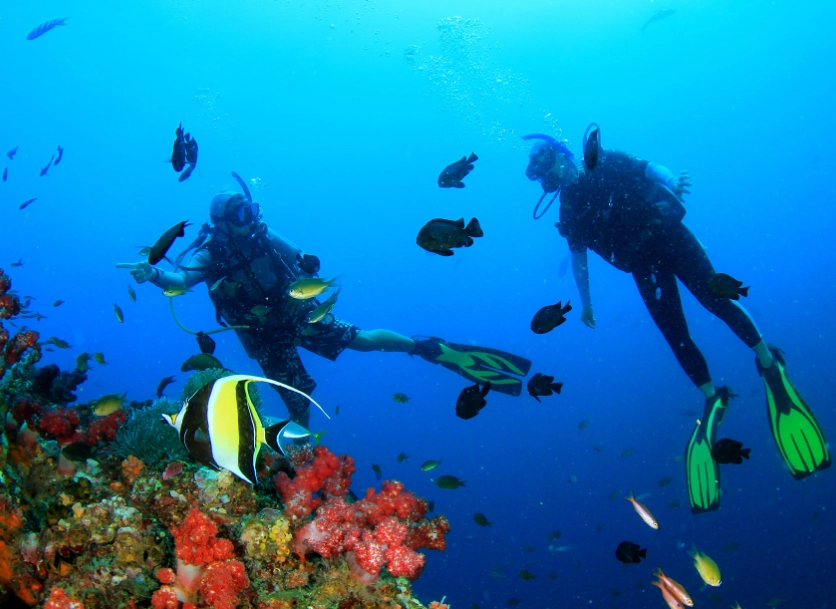
So, is Tubbataha the best dive site in the Philippines? For experienced divers seeking a wilderness adventure and pelagic encounters, it's arguably unbeatable. For beginners or those on a tight budget, it's not even on the table.
Coron, Palawan
We go from vibrant reefs to haunting history. Coron is famous for its World War II Japanese shipwrecks, lying in relatively shallow, calm bays. The Irako, Okikawa Maru, Akitsushima—these are massive, intact wrecks you can penetrate (with a guide, please!). It's a time capsule.
The diving is less about fish and more about exploration. Swimming through engine rooms, past boilers, and seeing coral-encrusted guns is an unforgettable experience. The water is often warmer and calmer than open ocean sites, making it good for divers who might be less confident in strong currents.
But let's be real. After you've done the main four or five wrecks, the diving variety drops off. The coral reefs around Coron are okay, but they're not the main event and they've seen better days. Also, the town gets packed. It's a social place, which is great if you want that, but don't expect a secluded retreat.
Malapascua Island, Cebu
Monique. Thresher. Sharks. That's the Malapascua pitch, and it delivers. This is pretty much the only place in the world where you have a reliable, near-daily chance to see these elegant, enigmatic sharks with their impossibly long tail fins. The dive is Monad Shoal, a deep cleaning station where the sharks come up from the depths around sunrise.
It's a unique and magical experience. You're hanging at 25-30 meters in the blue, waiting, and then this graceful phantom materializes out of the gloom. Worth the 4:30 AM wake-up call every time.
But—and you knew there was a but—the rest of the diving around Malapascua can be... variable. Gato Island is a nice cave dive with some white tip sharks. The house reef is decent for macro. But if thresher sharks aren't your absolute must-see, the overall portfolio feels a bit thin. The island itself is lovely and chilled out, though.
So, where is the best dive site in the Philippines for unique pelagics? For thresher sharks, Malapascua wins hands down. It's a one-trick pony, but it's a spectacular trick.
Anilao, Batangas
The muck diving and macro capital. This is where underwater photographers from around the globe come to find the weird and wonderful. We're talking about ghost pipefish, flamboyant cuttlefish, blue-ringed octopus, a dozen species of nudibranchs, and the infamous hairy frogfish. The critter list is endless.
The diving is mostly from day boats to slopes, walls, and muck sites. It's not about big vistas or sharks; it's about slowing down, hovering over a patch of sand or rubble, and spotting the incredible camouflage artists. The resorts here are often geared towards photographers, with camera rooms and dedicated guides.
Moalboal & Oslob, Cebu
I'm grouping these south Cebu spots because they offer two iconic, yet controversial, experiences. Moalboal has the famous Sardine Run—a literally breathtaking wall of millions of sardines right off Panagsama Beach. You can snorkel with them. It's insane and accessible.
Then there's Pescador Island nearby, with its cathedral-like cavern and good pelagic chances. Further south, in Oslob, is the whale shark interaction. Now, this is the big ethical debate. These are provisioned (fed) whale sharks, a practice many conservationists criticize for altering the sharks' natural behavior.
I went. It feels... industrial. Dozens of boats, strict queues in the water. Seeing a whale shark up close is undeniably powerful, but the circus-like atmosphere left me feeling conflicted. It's not a wild encounter. For a more natural (though less guaranteed) experience, try Donsol in Sorsogon for their seasonal whale sharks.
So, where is the best dive site in the Philippines for sheer, easy-to-access spectacle? Moalboal's sardines are hard to beat. But the overall area comes with ethical baggage to consider.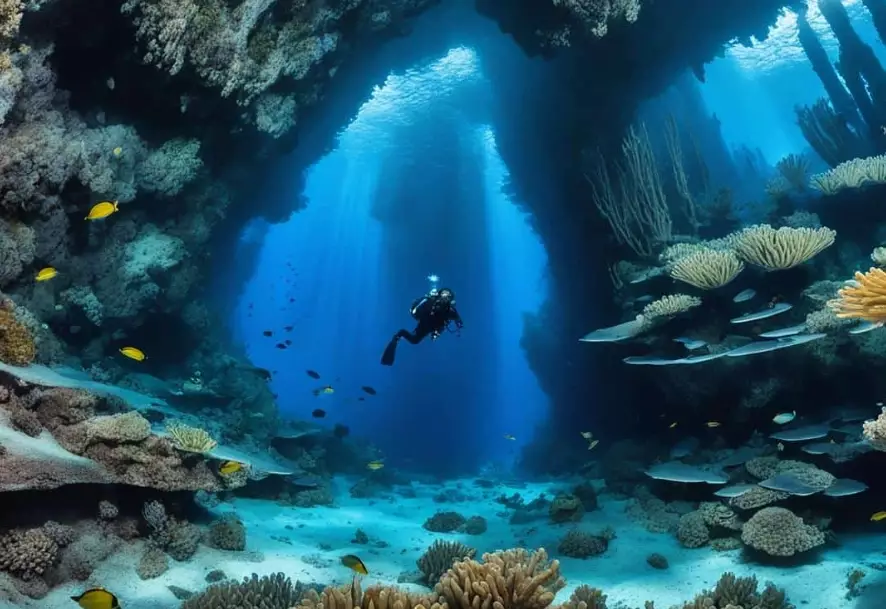
Comparison Table: Finding Your Match
Okay, information overload. Let's simplify. This table should help you match a place to your diving personality.
| Destination | Best For | Signature Sightings | Skill Level | The Vibe / Drawback |
|---|---|---|---|---|
| Tubbataha | Pelagics, pristine reefs, adventure | Sharks, Mantas, Turtles, Big Fish Schools | Advanced (currents, deep, liveaboard) | Ultimate wilderness trip. Very expensive, weather-dependent. |
| Coron | Wreck diving, history, photography | WWII Shipwrecks, Macro on wrecks | Intermediate (some penetration) | Unique exploration. Reefs are secondary, can be crowded. |
| Malapascua | Unique pelagics, reliable shark action | Thresher Sharks, Mantas (sometimes) | Intermediate (early, deep dives) | Chill island life. Diving beyond threshers is limited. |
| Anilao | Macro/muck diving, underwater photography | Rare Critters, Nudibranchs, Frogfish | All levels (calm water) | Photographer's paradise. Not for big animal seekers. |
| Moalboal/Oslob | Accessible spectacle, variety | Sardine Ball, Whale Sharks (Oslob) | Beginner to Intermediate | Easy and wow-factor heavy. Ethical concerns in Oslob. |
| Apo Island | Classic reef diving, turtles, conservation | Sea Turtles, Healthy Reefs, Schooling Fish | Beginner to Intermediate |
Beyond the Big Names: Hidden Gems & Regional Picks
Look, the usual suspects are famous for a reason. But if you want to dig deeper, the Philippines has plenty more.
Apo Island (Negros Oriental): A marine protected area success story. It's not about one big thing, but about incredibly healthy, vibrant reefs teeming with life. You're guaranteed turtles—I'm talking a dozen on a single dive. The vibe is relaxed, the diving is straightforward and joyful. It's a perfect complement to the muck diving in nearby Dauin.
Puerto Galera (Mindoro): The old-school diver's hangout. It's got a bit of everything: nice walls, macro, some wrecks, and a famous (sometimes fierce) current dive called the Verde Island Drop-Off, known as the "Center of the Center" of marine biodiversity. The town of Sabang is a bit of a party spot, which can be a pro or a con.
Donsol (Sorsogon): I mentioned it earlier. If you want whale sharks and care about ethics, this is the place. They are wild, seasonal (Nov-June), and you snorkel with them from a boat following strict protocols. No feeding. It's a safari, not a petting zoo. The success rate is lower than Oslob, but the experience is purer.
So, How Do You Actually Decide?
Stop asking "where is the best dive site in the Philippines?" and start asking yourself these questions:
- What's your dive experience? Don't book Tubbataha as a new Open Water diver. Be honest about your comfort with currents, depth, and boat procedures.
- What's on your must-see list? Make a top 3. Sharks? Wrecks? Tiny critters? Perfect corals? That will instantly narrow it down.
- What's your budget and time? A 3-day weekend limits you to places like Anilao or Moalboal. A 10-day trip opens up liveaboards or island-hopping.
- What else do you want? Just diving, or a mix of beach time, culture, and nightlife? Coron has lakes and beaches, Malapascua is pure island chill, Puerto Galera has parties.
My advice for a first-timer? Combine two regions. Do 4 days in Anilao for insane macro, then hop down to Puerto Galera for 4 days of walls and currents. Or do the Cebu trifecta: Malapascua for threshers, then Moalboal for sardines, then Oslob (if you choose) for whale sharks. It gives you a fantastic spread.
Practical Stuff You Need to Know
All this talk is useless if you don't know the basics.
When to Go
Generally, the dry season (November to May) is best for calmer seas and better visibility. But it varies. Palawan (Tubbataha) is only accessible via liveaboard from mid-March to mid-June. The typhoon season (July-Oct) can bring rain and rougher seas, especially in the east, but it also means fewer crowds and lower prices. Always check regional weather patterns.
Getting Around & Logistics
You'll likely fly into Manila or Cebu. Domestic flights on airlines like Cebu Pacific or Philippine Airlines are cheap and connect to most dive hubs (Puerto Princesa for Coron/Tubbataha, Dumaguete for Apo, etc.). From there, it's a mix of vans, buses, and bangka (outrigger boat) rides. Give yourself travel time—things move on "island time."
Conservation & Responsible Diving
This is crucial. The reefs are under pressure. Please:
- Practice perfect buoyancy. Don't touch anything. Ever.
- Use reef-safe sunscreen. The stuff that washes off kills coral.
- Choose operators who care. Look for ones involved in clean-ups or mooring buoy programs. The World Wide Fund for Nature (WWF) Philippines works with many communities on marine conservation, and operators supporting such initiatives are a good bet.
- Be mindful of wildlife interactions. Keep your distance from animals, especially turtles and sharks.
Answering Your Burning Questions (FAQs)
The Final Answer (As Much As There Is One)
Look, after all this, if you put a gun to my head and made me choose...
For the single most complete, awe-inspiring, "pinch-me" diving experience that showcases the wild, biodiverse heart of the Philippines, it's Tubbataha. It's the Everest. But it's not for everyone.
For the most unique and reliable single-species encounter, it's Malapascua.
For the most mind-bending critter hunting, it's Anilao.
For the most accessible, constant wow-factor, it's Moalboal.
For the most hauntingly beautiful exploration, it's Coron.
Just remember to book your domestic flights early, pack your patience, and bring an extra memory card. You're going to need it.
Your comment