Explore the Guide
Let's cut to the chase. You're dreaming of crystal clear water, swirling schools of jacks, maybe a thresher shark or a whale shark gliding by. You've picked the Philippines, which is a fantastic choice – the coral triangle's biodiversity is insane. But now you're staring at a calendar, trying to decode weather patterns, and you just want a straight answer. What are the best diving months in the Philippines? Is it always perfect? What if my vacation dates are fixed?
I've been there, wrestling with flight prices and fear of monsoon rains. The short, oversimplified answer you'll see everywhere is "November to May." And that's... mostly true. But it's like saying pizza is just dough, sauce, and cheese. The magic is in the details, the regional twists, and knowing what you're signing up for. That blanket "dry season" advice can set you up for disappointment if you don't know the nuances.
This guide is different. We're going to ditch the one-size-fits-all approach. We'll break down the seasons, sure, but then we'll zoom in on specific regions – because diving in Palawan is a world apart from diving in Moalboal or Malapascua. We'll talk about marine life calendars, water temps, and even the pros and cons of the so-called "off-season." My goal is to give you the info to make your own call, not just repeat the same old lines.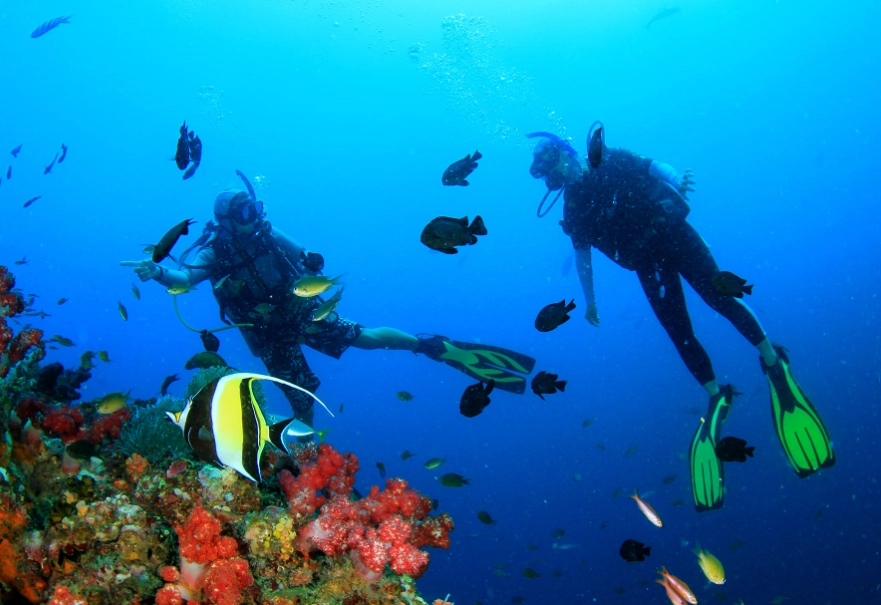
The Big Picture: Dry Season vs. Wet Season
The Philippines has two main seasons, driven by monsoon winds. Your diving experience hinges on which one is in charge.
The Amihan (Northeast Monsoon) brings the famous dry season. This is the golden child for most divers. Think calm seas, abundant sunshine, and generally superb visibility. This runs from around November to May, peaking in the cooler, less humid months from January to April. This is the period most people refer to when they talk about the best diving months in the Philippines.
Then there's the Habagat (Southwest Monsoon). This is the wet season, from June to October. It brings rain, stronger winds, and rougher seas, particularly on the western side of the country (like Palawan). Visibility can drop, and some dive sites, especially those requiring long boat rides, may become inaccessible or uncomfortable.
Let's lay it out clearly. This table sums up the core differences. It's your cheat sheet.
| Season | Monsoon | Typical Months | Weather & Sea | Visibility | Crowds & Prices |
|---|---|---|---|---|---|
| Dry / High Season | Amihan (NE) | Nov - May (Peak: Jan-Apr) | Sunny, low humidity, calm seas | Generally excellent (20m+) | Busy, highest prices |
| Wet / Low Season | Habagat (SW) | Jun - Oct (Peak storms: Jul-Sep) | Rainy, humid, rough seas (west side) | Variable, can be lower | Quieter, best deals |
| Shoulder Seasons | Transition | May-Jun & Oct-Nov | Unpredictable, can be great or showery | Usually good | Moderate, good value |
See that "variable" note for the wet season? That's key. A rain shower on land doesn't always ruin a dive site. Runoff from rivers is the real visibility killer. A dive site far from any major landmass might be just fine after a bit of rain.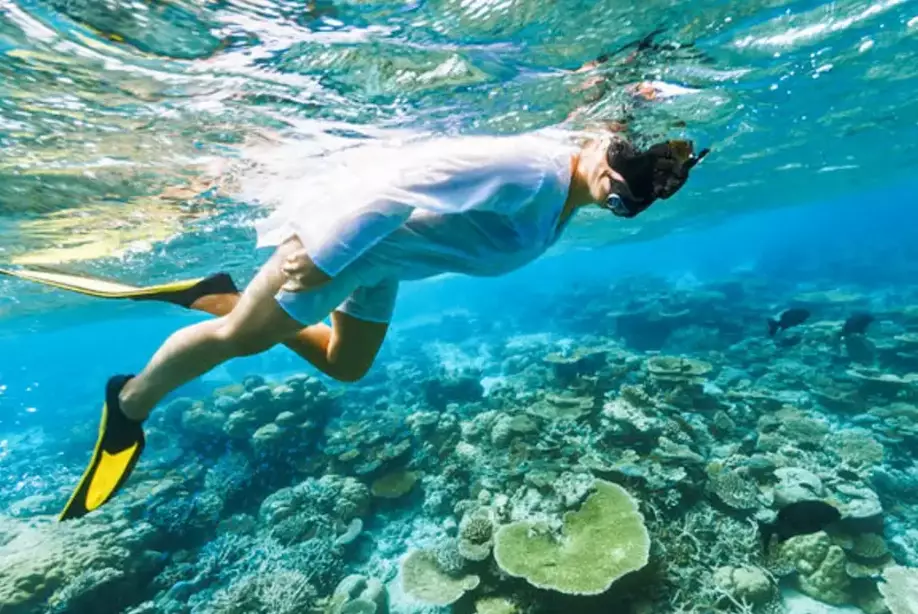
It's Not One Country, It's Three Seas: The Regional Breakdown
This is where most generic guides fail you. The Philippines is an archipelago of over 7,000 islands. Weather and sea conditions on one side can be the polar opposite of the other at the same time. Asking "what are the best diving months in the Philippines?" is like asking for the best time to ski in North America – it depends if you're in Colorado or Vermont.
We need to split it up. Think of three major diving zones.
Zone 1: Luzon & the West (Anilao, Puerto Galera, Subic, Coron, El Nido)
Best Months: November to May (Dry Season). This region faces the South China Sea and bears the full brunt of the Southwest Monsoon (Habagat). From June to October, seas can be very rough, with frequent cancellations of boat trips to outer reefs and wrecks. Land-based diving in places like Anilao might still operate, but visibility suffers and it's not the ideal experience.
My Experience: I dove Anilao in late October once, right at the tail end of Habagat. The macro life was incredible (perfect for muck diving!), but the famous Cathedral Rock was a greenish haze. The dive guides said come back in December for the "wow" visibility.
Special Note for Coron: The famous wreck diving here is highly weather-dependent. Strong winds make the crossings to the deeper wrecks like the Irako or Okikawa Maru potentially dangerous. The absolute prime window here is often February to April.
Zone 2: The Visayas (Cebu, Bohol, Dumaguete, Siquijor, Malapascua)
Best Months: Year-round, with a clear preference for November to May. This is the heartland of Philippine diving and the most forgiving zone. Protected by surrounding islands, many sites remain diveable even during the Habagat. The east coast of Cebu (where you find Malapascua and the thresher sharks) is actually in its dry season during the mid-year months, sheltered from the prevailing southwest winds.
The Big Exception: Moalboal (on Cebu's west coast) and parts of Bohol (Panglao) can get choppy and rainy from June to September. Diving usually continues, but sardine run sightings might be less predictable in rough surface conditions.
This zone is your safest bet if your travel dates are fixed and fall outside the classic dry season. You can almost always find good diving somewhere in the Visayas.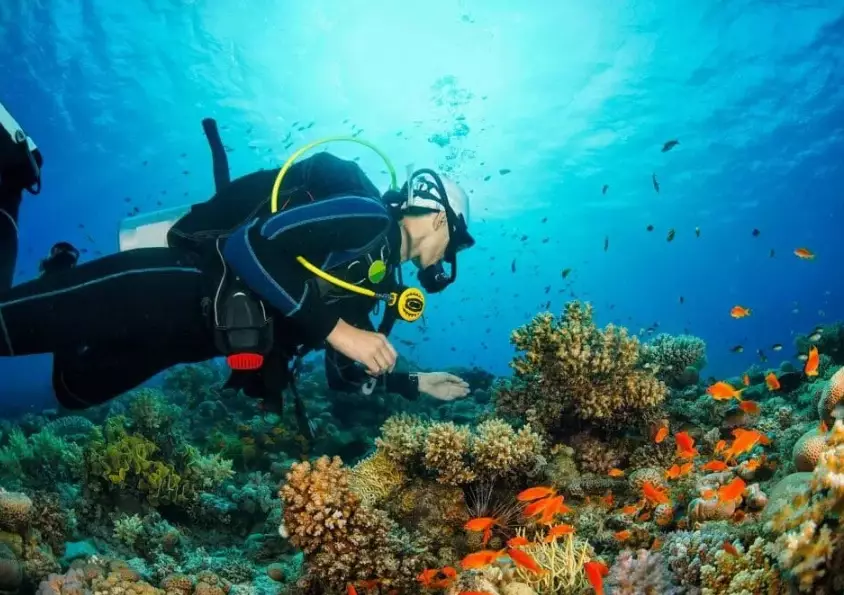
Zone 3: Mindanao & the South (Davao, General Santos, Tawi-Tawi)
Best Months: April to September. This flips the script! The southern Philippines has a different weather pattern. The dry season here is typically April to September, while the rainy season is October to March. This makes it a fantastic summer (Northern Hemisphere) destination.
Places like the rarely-visited Tawi-Tawi or the diving around General Santos are best explored during these months. The water is often calm, and visibility is at its peak. It's an emerging frontier for adventurous divers.
So, you see? The answer to "what are the best diving months in the Philippines?" starts with "Where do you want to go?"
Chasing Marine Life: A Month-by-Month Wildlife Guide
Maybe your "best" month isn't about perfect weather, but about a specific creature. The Philippines delivers epic animal encounters, but timing is everything.
Let's get granular. This calendar is based on general patterns and local dive operator consensus. Nature doesn't read calendars, so there's always a degree of luck involved. For the most current sightings, always check with PADI dive centers in your target area a few weeks before your trip.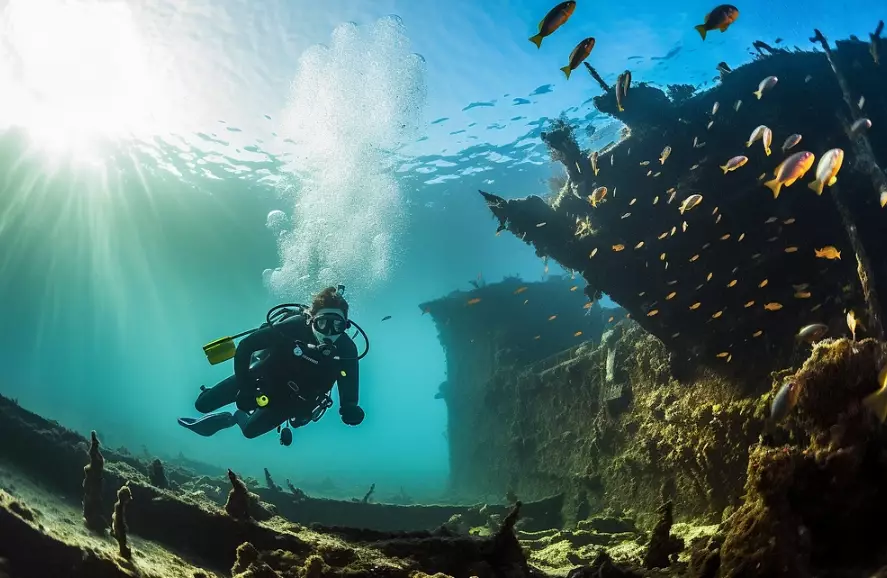
| Month | Key Marine Life Highlights | Best For... | Potential Weather Note |
|---|---|---|---|
| Jan - Mar | Thresher sharks (Malapascua), Manta Rays (Ticao Pass), Cooler water thermoclines bringing pelagics. | Shark lovers, photographers seeking clear water. | Peak of dry season, excellent conditions nationwide (except far south). |
| Apr - May | Whale Shark season peaks in Oslob & Donsol (controversial, but a fact). Coral spawning often occurs around full moons. | Guaranteed whale shark interactions (Oslob), warm water. | Start of hot, humid period. Seas still calm. A top contender for best diving months. |
| Jun - Aug | Manta Rays still in Ticao. Healthy coral reefs with less bleaching stress. Hammerheads reported in Southern sites. | Divers on a budget, east coast sites (Malapascua, Leyte). | Habagat in full swing on west side. Choose your location wisely. |
| Sep - Oct | Peak season for juvenile frogfish, seahorses, and rare nudibranchs (macro heaven). | Macro photographers, muck diving enthusiasts. | Typhoon season peaks. Most unpredictable weather. Shoulder season begins in Oct. |
| Nov - Dec | Thresher sharks year-round. Large pelagic fish activity increases as water cools slightly. Holiday vibe. | Starting the dry season with great conditions and festive atmosphere. | Transition into dry season. Can be some residual rain in Nov. |
Water Temperature & What to Pack
This is a practical thing many forget. Philippine waters are warm, but not static.
- Dry Season (Nov-May): Surface temps range from 26°C (79°F) to 29°C (84°F). However, thermoclines are common, especially in deep sites like those in Malapascua or Verde Island Passage. You can hit a layer of water as cold as 22°C (72°F) at 25-30 meters. A 3mm full wetsuit is recommended, not just for warmth but for protection from coral and jellyfish.
- Wet Season (Jun-Oct): Water is uniformly warmer, often 29-30°C (84-86°F) at all depths. A dive skin or a very thin 1-2mm shorty is often enough. This is one perk of the rainy season!
Packing list essentials: Reef-safe sunscreen (it's now a law in many municipalities), a surface marker buoy (SMB), a waterproof bag for your gear on the boat, and anti-fog solution. The sun is intense year-round.
Your Questions, Answered (The Real Stuff People Worry About)
Final Thoughts: Making Your Decision
Figuring out the best diving months in the Philippines isn't about finding one perfect month. It's about matching the conditions to your priorities.
- For Guaranteed Calm Seas & Sunshine: Stick to January through April. You're paying a premium for the highest probability of perfect conditions.
- For Budget & Fewer Crowds: Look at the shoulder months (May, November) or target east-coast destinations in the wet season (June-Sep).
- For Specific Marine Life: Plan your month around the creature table above. Want thresher sharks? Any time. Want a wild whale shark chance? Donsol from Nov-Jun.
- For Adventure & Something Different: Consider Mindanao from April to September.
The ocean has the final say. I've had dives in "perfect" December where visibility was mediocre, and dives in "risky" September that were mind-blowing. Do your research based on this regional breakdown, talk to operators directly, and then go with a flexible attitude. The Philippines' underwater world is worth it, almost any month you pick.
Just remember, the best time to go diving is whenever you can go.
Your comment