Quick Navigation
Let's be real. The idea of scuba diving in the Caribbean is incredibly exciting. Crystal clear water, colorful fish, maybe a sea turtle or two gliding by. It's the stuff of postcards and lifelong dreams. But if you're new to diving, that excitement is almost always mixed with a healthy dose of nerves. I remember my first open water dive after certification – my heart was pounding, I was overthinking my breathing, and I was convinced I'd forget everything. The single most important factor that turned that nerve-wracking experience into pure joy was the dive site itself. Calm, shallow, and forgiving.
That's why choosing the right location isn't just about pretty fish; it's about safety, confidence, and having an amazing time. The Caribbean is vast, and not all of its famous dive sites are friendly to newbies. Some have strong currents, deep walls, or tricky entries that are best left to the experienced. Your mission, should you choose to accept it, is to find those magical places where you can focus on the wonder, not the worry.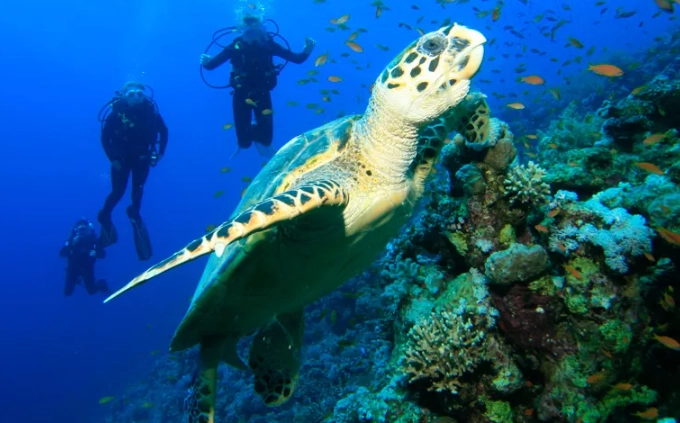
So, where do you start? This guide cuts through the noise. We're not just listing islands; we're breaking down the specific spots, the dive operations known for their patience with new divers, and the underwater environments that will make your first breaths underwater unforgettable for all the right reasons. We're talking about the genuine best scuba diving in the Caribbean for beginners.
The Core of "Beginner-Friendly"
Before we jump to the list, let's define our terms. What makes a dive site ideal for a beginner? It's a combination of factors:
- Calm Conditions: Minimal current, gentle surge, and good visibility. You want to be able to hover without fighting the water.
- Manageable Depth: Most training dives for beginners are in the 12-18 meter (40-60 foot) range. Ideal sites offer plenty to see within that safe zone.
- Easy Access: A beach entry from a sandy shore or a simple giant stride from a calm boat dock. No scrambling over slippery rocks.
- Interesting but Simple Topography: Gently sloping reefs, coral gardens, and sandy bottoms with scattered coral heads. Not sheer drop-offs into the abyss.
- Reputable & Patient Dive Operators: This is non-negotiable. Look for shops with a stated focus on beginners, small group sizes, and instructors/guides who don't rush.
The Top 5 Caribbean Destinations for Beginner Scuba Divers
Based on years of collective chatter in dive boats, instructor recommendations, and plain old experience, these five spots consistently rise to the top for newcomers. They offer the perfect blend of forgiving conditions, stunning marine life, and a supportive infrastructure for learning.
1. Bonaire: The "Diver's Paradise" for a Reason
Bonaire is almost a cliché on lists like this, but there's a reason it's a cliché – it's that good. The entire leeward coast of the island is a protected marine park, with over 60 official shore dive sites. For beginners, this is huge. Why? Freedom and repetition. You can do a guided boat dive in the morning, and then in the afternoon, simply walk into the water from dozens of marked sites with your buddy to practice what you learned. The entries are almost always from a sandy or pebbly beach into calm, shallow water. The reefs slope gently, so you can easily control your depth. The marine life is used to divers and is abundant. It's the perfect place to build confidence quickly. Some standout beginner sites: 1000 Steps (it's not actually 1000 steps, don't panic!), Alice in Wonderland, and Front Porch.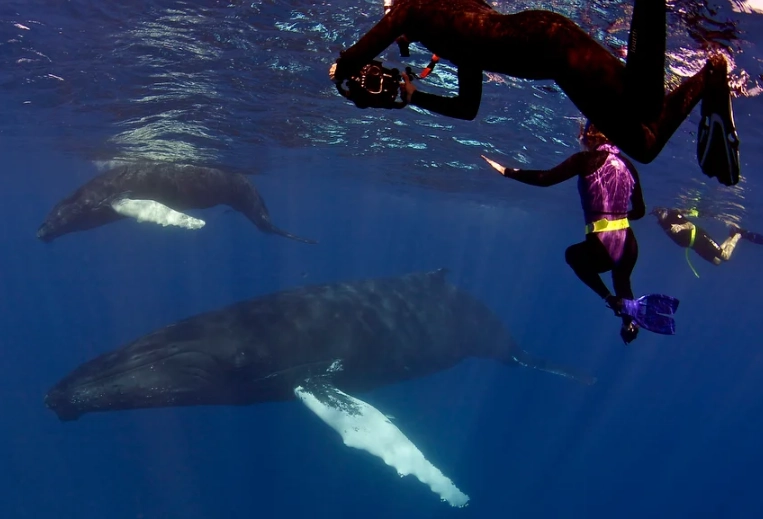
My Take: Bonaire is fantastic for building skills, but some find the shore diving logistics (driving, tank handling) a bit much for a total first-timer's first day. I'd recommend starting with a boat dive with an operator like Buddy Dive or Great Adventures Bonaire to get your bearings, then embrace the shore diving freedom.
2. The Bay Islands, Honduras (Roatán & Utila)
If Bonaire is the calm, structured classroom, the Bay Islands are the fun, vibrant playground. Sitting on the massive Mesoamerican Barrier Reef, the second-largest in the world, these islands offer incredibly rich marine life. Roatán and Utila are both fantastic, with slightly different vibes. Roatán has more developed infrastructure and beautiful beach resorts with on-site dive centers, like those in West Bay. The reef here comes incredibly close to shore, meaning short boat rides and sites like West Bay Wall (where the top of the wall is at a safe 15 meters) offer a thrilling "big dive" feel safely. Utila is more of a backpacker/budget vibe, famous for its whale sharks (seasonal) and incredibly affordable dive packages. The water is consistently warm, and the dive ops are experts at handling new divers in volume.
The potential downside? These islands can get more rain and wind than the southern Caribbean, so visibility isn't always 30 meters+. But for a combination of value, life-changing marine encounters, and a true dive-centric culture, it's hard to beat.
3. Curaçao: Bonaire's Equally Charming Sibling
Curaçao often lives in Bonaire's shadow, but for a beginner, it might be the more well-rounded choice. It has the same fantastic shore diving infrastructure along its southern coast (sites like Tugboat and Alice in Wonderland—yes, same name as Bonaire!) with the added bonus of a more vibrant capital city (Willemstad), better beaches for non-diving days, and generally more above-water activities. The water is just as calm and clear. Dive operators like Ocean Encounters at LionsDive Beach Resort or GOOD Dive are exceptionally professional and beginner-focused. You get the same ease of diving with a bit more polish and variety on land.
4. Cayman Islands (Grand Cayman)
Grand Cayman is the polished, professional heart of Caribbean diving. It's where many of the big, well-established dive operations like Divetech, Red Sail Sports, and Ocean Frontiers (on the East End) operate. Why is this good for beginners? Because their standards are exceptionally high. Their boats are comfortable and organized, their briefings are thorough, and their guides are true professionals. Sites on the famous North Wall are often done as "wall-lite" experiences for beginners, where you drift gently along the top of the wall in the 15-18 meter range. The iconic Stingray City sandbar is a 3-meter deep experience that is pure, unadulterated fun. It's not the cheapest destination, but for a first-timer who wants a seamless, top-service experience, it's a stellar choice.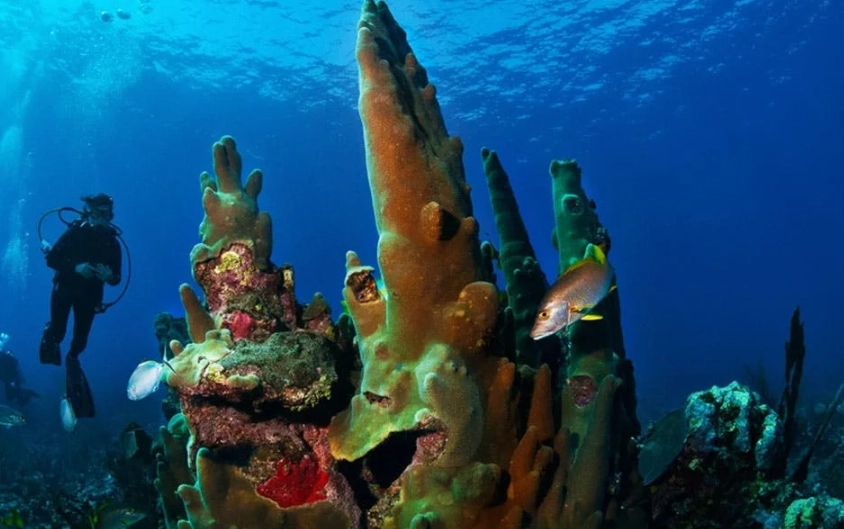
5. The Bahamas (Grand Bahama Island & New Providence)
Think of the Bahamas and you might think of sharks. And while it's a world-class shark diving destination, it also has perfect beginner zones. The shallow, warm banks on the leeward sides of islands like Grand Bahama (Freeport) and New Providence (Nassau) are like giant, sandy-bottomed swimming pools dotted with coral heads. Sites like Theo's Wreck (a small, intact plane at 16 meters) and countless reef sites offer calm conditions. Operators like UNEXSO in Freeport are legendary for their structured programs. They literally have a "Dolphin Experience" where you can dive in a controlled environment with dolphins—a controversial practice for some, but undeniably a unique draw. The water is a stunning blue, and the vibe is relaxed.
A quick note on Cozumel: You'll see it on many lists. Cozumel has breathtaking drift dives. I love Cozumel. But strong drift diving is an advanced skill. As a new diver, being pulled along by a current you can't control can be disorienting and stressful. Save Cozumel for when you have 20+ dives under your belt.
| Destination | Best For Beginners Because... | Potential Drawback | Signature Beginner-Friendly Site |
|---|---|---|---|
| Bonaire | Unlimited shore diving freedom, calm protected coast, gentle slopes. | Less "resort" vibe above water; requires more self-sufficiency. | 1000 Steps (easy shore entry to gorgeous slope) |
| Bay Islands, Honduras | Incredible value, vibrant marine life, true dive culture. | Weather can be less predictable; visibility can vary. | West Bay Wall, Roatán (top of the wall at safe depth) |
| Curaçao | Great shore diving + better land amenities, very calm water. | Slightly less "wild" feeling than some. | Tugboat (shallow, fun wreck with easy access) |
| Grand Cayman | Top-tier professional dive ops, high safety standards, iconic sites. | One of the more expensive Caribbean destinations. | Stingray City (shallow, interactive sandbar) |
| Grand Bahama Island | Extremely shallow, protected banks, unique animal encounters. | Some sites can feel a bit "manufactured." |
Your Step-by-Step Guide to Planning a Beginner Dive Trip
Okay, you've picked a destination. Now what? Let's walk through the actual planning. This is where many blogs just tell you to "book a dive package," but we'll get into the nitty-gritty questions you should be asking.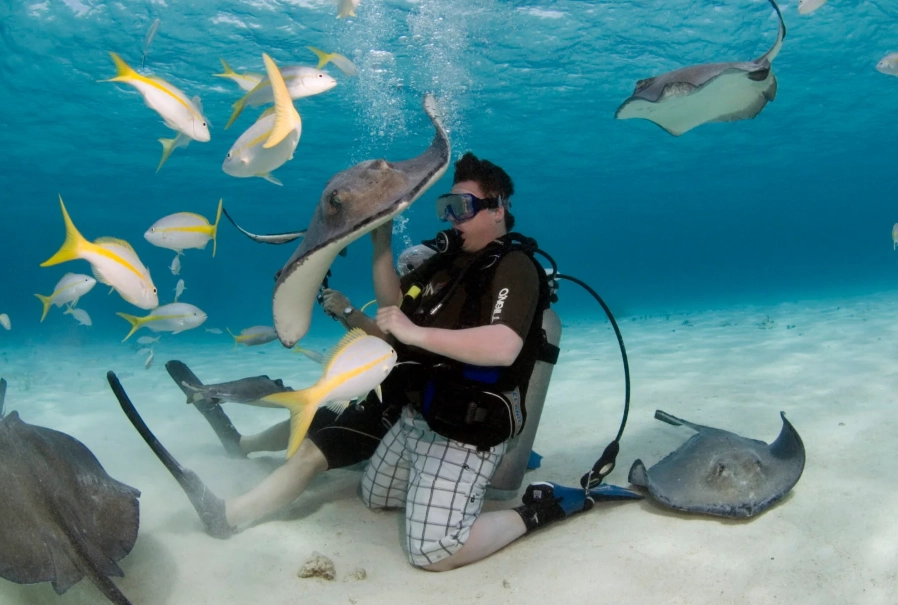
Before You Book Anything: Certification
Most resorts offer "Discover Scuba Diving" (DSD) or resort courses. These are great introductions, but they are supervised experiences, not certifications. You will be closely guided by an instructor the entire time, usually at a very shallow depth. If you know you love it and want to explore more independently, get certified before you go.
- PADI Open Water Diver: The global standard. You can do the theory and pool work locally, then complete your "open water" checkout dives on vacation (this is called a Referral). This is a fantastic option as it splits the learning load.
- SSI Open Water Diver: Another major agency with equivalent standards. Often offered at the same dive shops.
The advantage of doing your checkout dives on vacation? You're doing them in beautiful, warm Caribbean water instead of a local quarry or cold lake. It makes the final hurdle much more enjoyable. Contact your local dive shop and your chosen Caribbean dive operator to set this up.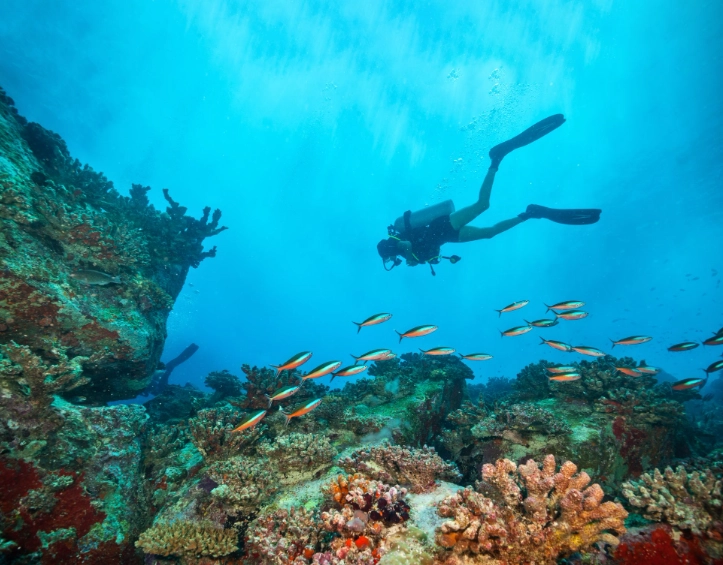
A Critical Safety Check
Do not fly immediately after diving. You must allow a surface interval before flying in a commercial aircraft. The general rule is:
For a single no-decompression dive: Wait at least 12 hours.
For multiple dives or multiple days of diving: Wait at least 18 hours.
Always, always, always follow the most conservative advice from your dive computer and instructor. Plan your flight home accordingly.
Choosing the Right Dive Operator: Questions to Ask
Not all dive shops are created equal, especially for beginners. Don't just book the cheapest package. Send an email or call and ask:
- What is your maximum ratio of students/instructors for beginner dives? (4:1 is a good standard; 8:1 is not).
- Do you offer guided dives specifically for newer divers? (Some shops mix all levels together, which can be intimidating).
- What is your boat procedure for new divers? (A good shop will have a dedicated briefing).
- Can I rent equipment in advance to ensure you have my size? (Nothing worse than ill-fitting gear).
- What is your policy if conditions at the planned site are rough? (A professional shop will have a calm, protected backup site).
Gear for the First-Timer: What to Bring, What to Rent
As a beginner, you absolutely do not need to buy a full set of gear. However, owning a few key personal items can dramatically increase your comfort and hygiene.
- Must-Buy/Pack:
- Mask, Snorkel, Fins: A mask that fits your face perfectly is the #1 most important piece of gear. Leaky masks ruin dives. Go to a dive shop, try on dozens, and find one that seals comfortably without the strap. Get open-heel fins with booties for comfort and walking on boats/beaches.
- Dive Computer: This is your underwater life-support gauge. While you can rent one, having your own from day one means you learn on it. A basic model like the Suunto Zoop Novo or Cressi Leonardo is a great, affordable start.
- Surface Marker Buoy (SMB) & Reel: This is a safety device. Many shops now require divers to carry one. Learn to deploy it during your course.
- Rent at the Shop:
- Buoyancy Control Device (BCD), Regulator, Wetsuit, Tanks, Weights. This is bulky, heavy, and expensive. Let the dive shop provide it. Inspect it before you get on the boat.
- Buoyancy Control Device (BCD), Regulator, Wetsuit, Tanks, Weights. This is bulky, heavy, and expensive. Let the dive shop provide it. Inspect it before you get on the boat.
Answering Your Top Beginner Diver Questions
Let's tackle the stuff you're secretly Googling at 2 AM.
Your Pre-Dive Checklist
Run through this before every dive:
1. BWRAF Buddy Check: B-BCD (inflate/deflate), W-Weights (secured), R-Releases (function), A-Air (on, full tank, breathe from reg), F-Final OK (mask/fins, computer on).
2. Confirm dive plan with buddy/guide: max depth, time, route, signals.
3. Check current/entry/exit points during boat briefing.
4. Do a final mental scan: I am calm, I am breathing, I am ready.
Beyond the First Dive: Growing as a Diver
Finding the best scuba diving in the Caribbean for beginners is about getting a great start. But the adventure doesn't stop there. After you get your initial 5-10 dives, consider taking the PADI Advanced Open Water course. It's not really "advanced"; it's about experiencing new types of diving like navigation, deep dives (to 30 meters), and night diving under supervision. It's the single best way to become more competent and confident quickly.
Remember, every diver was a beginner once. The community is overwhelmingly supportive. Ask questions, listen to your instructor, respect the ocean, and most importantly, remember to look up and around. It's easy to get so focused on your gauges and breathing that you forget to see the turtle that just swam past you.
The Caribbean offers some of the most accessible and beautiful underwater classrooms on the planet. By choosing one of these beginner-friendly havens, you're setting yourself up for a lifetime of underwater exploration. So take a deep breath (see, you're practicing already), do your research, and get ready to take the plunge. The silent, weightless world beneath the waves is waiting.
Your comment