Explore This Guide
So you're asking that golden question: where is the best diving in the Caribbean? I get it. You see all these glossy brochures and Instagram posts, every island claiming to have the bluest water and the most fish. It's overwhelming. The truth is, "best" means something different to everyone. For a new diver, best might mean calm, shallow water with an instructor who doesn't rush you. For a seasoned photographer, best could be a specific wreck swarming with life. And for someone on a budget, best has to include affordable accommodations and cheap tank fills.
I've been lucky enough to dive quite a few of these places over the years, sometimes on a shoestring, other times splurging for a liveaboard. I've had blissful, perfect days and frustrating ones where the viz was terrible or the current just wouldn't let up. This guide isn't about repeating marketing copy. It's a practical, honest look from one diver to another, trying to match the right piece of Caribbean paradise to what you're actually looking for. We'll break down the top contenders, talk about what makes each one special (and what doesn't), and give you the real-world details to plan your trip.
What Makes Caribbean Diving "The Best" Anyway?
Before we jump into locations, let's set the criteria. When divers debate where is the best diving in the Caribbean, they're usually weighing a few key things:
- Marine Life & Health: Are the reefs healthy or struggling? Can you see big stuff (sharks, rays, turtles) or is it more about macro critters? Coral bleaching has hit some areas harder than others.
- Visibility & Water Conditions: Caribbean viz is generally good, but some spots are legendary for 100-foot+ clarity. Currents matter too—some divers love a good drift, others hate it.
- Variety of Sites: Walls, wrecks, shallow gardens, swim-throughs. Does the island offer a good mix?
- Access & Logistics: This is huge. Is it all boat diving requiring a schedule and extra cost, or can you grab a tank and jump in from the shore anytime? How easy is it to get there?
- Dive Community & Infrastructure: Are the dive shops professional and safety-conscious? Is the overall vibe for tourists or hardcore divers?
- The Non-Diving Stuff: Let's be real. Your buddy or family might want a nice beach, good food, and other activities. This matters.
I find that people who come back raving about a place had an experience that nailed most of these points for their personal preferences. A place with amazing walls but lousy food and high prices might not feel "best" to everyone.
The Top Contenders: A Detailed Breakdown
Alright, let's get into the meat of it. Here’s my take on the heavy-hitters in the "where is the best diving in the Caribbean" conversation. I'm ranking them based on the overall package, but I'll call out who each one is really for.
1. Bonaire: The Shore Diving Kingdom
Bonaire is a cult favorite, and for good reason. The entire leeward coast is a protected marine park, littered with over 60 official shore dive sites marked by yellow painted rocks. You rent a pickup truck, load it with tanks from your dive resort, and go. Freedom. You dive on your own schedule—sunrise, sunset, a quick dip between meals. It's incredibly cost-effective and flexible.
The diving itself is reliable. Don't expect towering walls right off the shore (though they have boat dives to the north and south for that). What you get are sloping reefs teeming with life starting in just a few feet of water. The macro life is insane: seahorses, frogfish, nudibranchs everywhere. The coral coverage is still relatively robust compared to many other islands. I remember sitting in 15 feet of water at "Something Special" just watching an octopus change colors and textures for twenty minutes. You can't do that from a crowded boat.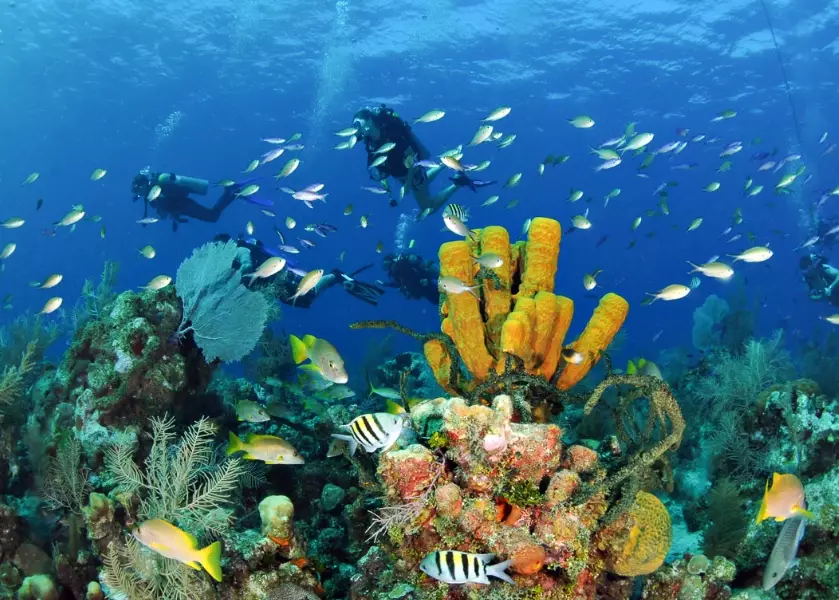
2. Little Cayman & Cayman Brac: Wall Diving Perfection
While Grand Cayman has great diving (Stingray City is a unique experience), the sister islands of Little Cayman and Cayman Brac are where serious divers pilgrimage. The star here is Bloody Bay Wall off Little Cayman. It's a vertical drop that starts at about 20 feet and plummets into the abyss. Swimming along the edge, with the reef wall on one side and endless blue on the other, is a surreal experience. The visibility is often absurdly good.
The vibe on these small islands is pure dive focus. You're likely staying at a dive resort where the boat leaves right from the dock. It's relaxed, uncrowded, and the operations are top-notch. The marine life is plentiful—big tarpon, turtles, eagle rays, and the occasional reef shark. The reefs are in better shape than many other heavily dived locations, thanks in part to strong conservation efforts.
Who is it for? Photographers, wall enthusiasts, and divers who want a hassle-free, high-quality boat diving experience in a peaceful setting. It's not the most budget-friendly, and nightlife is basically non-existent.
3. Roatán, Bay Islands, Honduras: The Value Champion
Roatán offers arguably the best bang for your buck in the Caribbean. It sits on the Mesoamerican Barrier Reef, the second-largest in the world. The reef comes incredibly close to shore, which means short boat rides (like, 5-10 minutes) to over 40 sites. This keeps costs down. You can find very affordable dive-and-stay packages here.
The diving is varied—walls, canyons, wrecks, and shallow reefs. The west end has stunning healthy coral gardens. The south side has more dramatic walls and a better chance for bigger pelagics. I've had some of my most fun, relaxed dives here. The island has a funky, backpacker-meets-expat vibe with good local food (baleadas!) and a bit more going on after dark than some other dive-centric islands.
4. Cozumel, Mexico: The Drift Diving Mecca
Cozumel is all about the drift. You jump in, the current gently carries you along a breathtaking reef wall like you're flying, and the boat follows your bubbles. It's effortless and lets you cover a lot of beautiful ground. The underwater scenery is dramatic, with huge sponges, towering coral formations, and swim-throughs. Sites like Palancar Reef and Santa Rosa Wall are world-famous for a reason.
It's incredibly easy to get to (direct flights from many US cities), and the town of San Miguel has tons of restaurants, hotels, and non-diving activities. This makes it great for groups where not everyone dives. However, because it's so accessible and popular, it can feel crowded. You'll see other dive groups underwater. The reefs, while still beautiful, show more wear and tear than more remote locations.
It's a fantastic choice for divers who love drift diving, want convenience, and enjoy a lively apres-dive scene. Beginners might find the currents intimidating at first.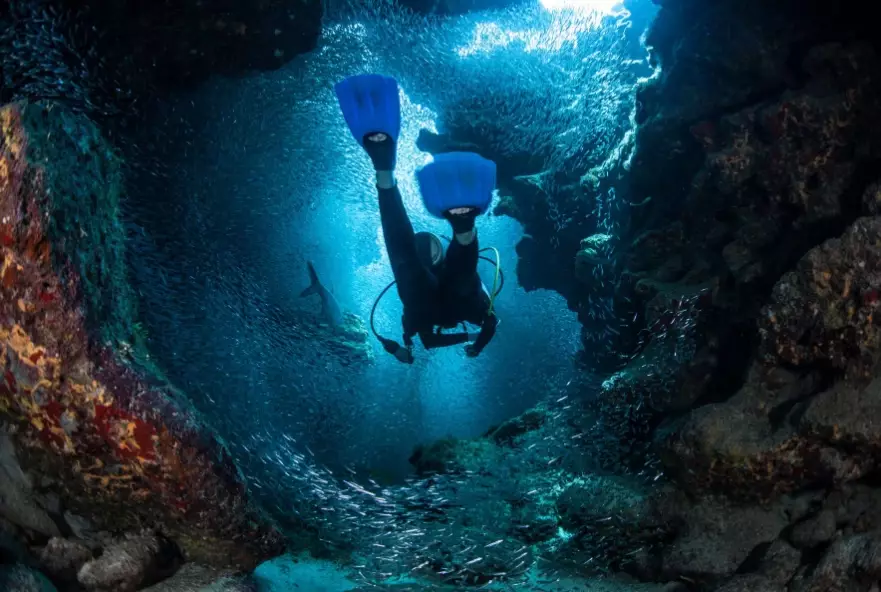
5. Saba and St. Kitts & Nevis: The Adventurous Picks
These are for the diver who has "been there, done that" and wants something different. Saba is a tiny Dutch island that's essentially a volcanic pinnacle. The dive sites are submerged seamounts rising from the deep. This topography attracts incredible pelagic life—sharks (especially in the winter months), big rays, and large schools of fish. The water can be a bit cooler and choppier, and it's all boat diving. It's raw and wild.
St. Kitts & Nevis are less discovered. The diving is a mix of reefs, walls, and wrecks, including a passenger ferry and a tugboat. What's special here is the lack of crowds. You might have a whole site to yourself. The marine park around Nevis is particularly healthy. It feels more like exploring than following a well-trodden path.
Both require a bit more effort to get to and are better suited for intermediate to advanced divers due to conditions and sometimes stronger currents.
Head-to-Head Comparison: Finding Your Match
Sometimes a table helps to see it all at once. Here’s a quick cheat sheet comparing these top spots for "where is the best diving in the Caribbean."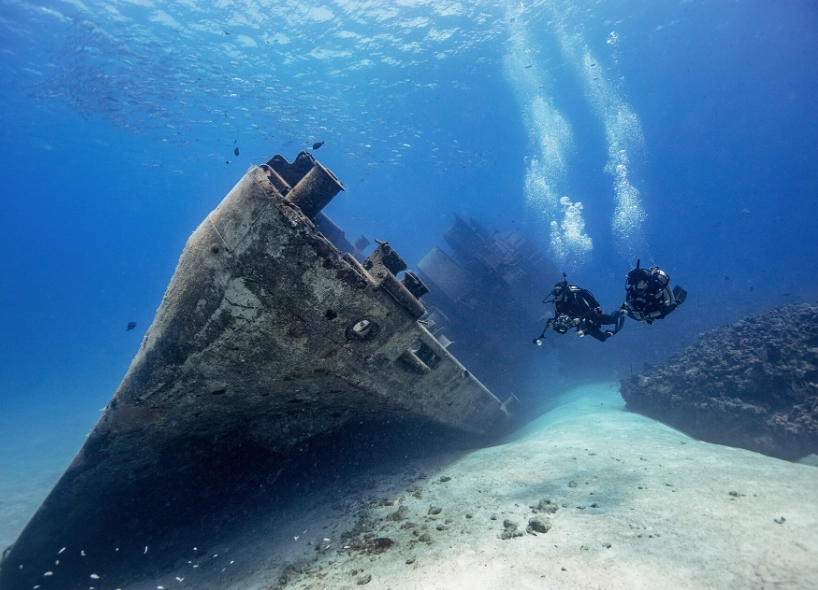
| Destination | Best For | Marine Life Vibe | Typical Viz | Access Style | Cost Vibe | One Thing to Know |
|---|---|---|---|---|---|---|
| Bonaire | Shore diving, independence, macro critters | Fantastic small stuff, healthy reefs | 60-100 ft | DIY shore diving (pickup truck needed) | Mid to High (savings on boat costs) | Island is arid, not a classic beach vacation. |
| Little Cayman | Pristine walls, hassle-free boat diving, photography | Big sponges, pelagics possible, pristine | 80-150 ft | Resort-based boat diving | High | Very quiet island. Pure relaxation & diving. |
| Roatán | Overall value, short boat rides, vibrant reefs | Diverse: turtles, rays, healthy coral | 50-100 ft | Short boat rides from shore | Low to Mid | Has a fun, social backpacker/expat atmosphere. |
| Cozumel | Effortless drift diving, convenience, town life | Dramatic topography, big sponges | 70-100 ft | Boat diving (drift dives) | Mid | Can feel crowded above and below water. |
| Saba | Adventure, pelagics, unique topography | Sharks, big schools, seamounts | 60-100 ft | Boat diving, can be choppy | Mid to High | Not a beach destination. Rugged and remote. |
See? "Best" depends on which column matters most to you.
Beyond the Big Names: Other Great Spots Worth Considering
The Caribbean is vast. While the spots above dominate the conversation, here are a few others that might be your perfect fit:
- Turks and Caicos: Stunning walls off Providenciales and Grand Turk, particularly famous for the "Wall" at Grand Turk where it drops off right from the beach. Luxurious resorts, pristine sand. More upscale, incredible visibility.
- Dominica: Not to be confused with the Dominican Republic. This is the "Nature Island." The diving is about volcanic features, hot bubbles, and dramatic topography. It's less about colorful reefs and more about unique geology and great macro. A true adventure.
- Belize: Home to the famous Great Blue Hole. While the Blue Hole is a bucket-list dive (it's deep and mostly about the geological formation), the real magic of Belize is on the barrier reef and atolls like Turneffe and Lighthouse. Incredible diversity, from manatees to whale sharks (seasonal).
Answering Your Real Questions (The FAQ Section)
1. Bahamas (not technically all Caribbean but often grouped in—places like Tiger Beach are legendary).
2. Saba, especially in the winter months.
3. Certain sites in Roatán (like Odyssey) or Turks and Caicos can have regular reef shark sightings.
Always remember these are wild animals. Seeing them is a privilege, not a theme park attraction.
Making Your Decision: A Final Checklist
Stop searching "where is the best diving in the Caribbean" and start planning. Ask yourself:
- What's my budget? (Include flights, lodging, food, and diving).
- Who's coming? (Solo, dive buddy, non-diving partner, family?).
- What's my dive level and interest? (Newbie, photographer, wreck enthusiast, macro lover?).
- What do I want after the dive? (Fine dining and bars, or just a hammock and a book?).
- How important is convenience vs. adventure? (Direct flight or willing to take a puddle jumper?).
Match your answers to the profiles above. If you want easy, cheap, and social, look at Roatán. If you want pristine walls and total relaxation, Little Cayman calls. If you want total control and endless diving, get that truck in Bonaire.
At the end of the day, the best diving in the Caribbean is the trip you actually take.
It's the one where you feel comfortable, see amazing things underwater, and have a great time above it. Don't get paralyzed by trying to find the single "best" place. The Caribbean Sea is full of wonders. Pick one that sounds right for you right now. You can always go back and try another. That's the beautiful thing about this hobby—there's always another reef to explore.
Do your research, book with a reputable operator that prioritizes safety and conservation, and go make some bubbles. I'm a bit jealous.
Your comment