Quick Guide to This Article
- How Do You Even Define "Best" for Diving?
- The Head-to-Head Comparison: Finding Your Match
- Deep Dive on the Top Caribbean Diving Destinations
- Beyond the Big Names: Other Strong Contenders
- So, How Do YOU Choose? A Decision Framework
- Common Questions (And Straight Answers)
- Final Thoughts: Stop Searching for "Best," Start Searching for "Yours"
Ask ten divers which Caribbean island has the best diving, and you might get eleven different answers. Seriously, it's a debate that fuels conversations at dive bars from Key Largo to Kralendijk. The truth is, there's no single "best" island—it completely depends on what *you* are looking for underwater. Are you a macro photography nerd? A wreck enthusiast obsessed with history? Someone who just wants to see a ton of sharks? Or maybe you're a beginner who needs calm, clear water to build confidence?
That's the real question we need to answer. Instead of a one-size-fits-all ranking, I'm going to break down the top contenders based on what they do best. I've been lucky enough to dive most of these places (some more than once), and I've made my share of good and not-so-great choices. I remember one trip where I picked an island famous for its walls, only to realize I was much happier poking around a shallow, critter-filled reef. Live and learn.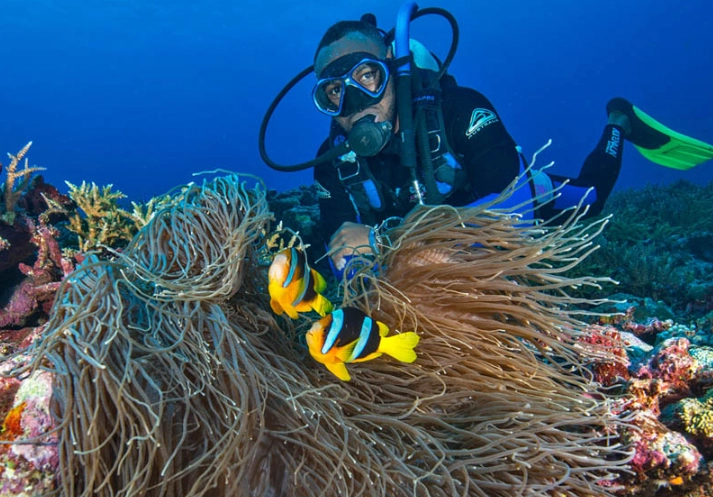
So, let's cut through the marketing hype. We'll look at the islands that consistently top the lists for Caribbean scuba diving destinations and figure out who they're perfect for—and who might want to look elsewhere.
How Do You Even Define "Best" for Diving?
Before we name names, let's set the criteria. What makes a dive destination stand out in a sea of options?
For me, it boils down to a few key things. First, the health of the reef. It's heartbreaking to see bleached or damaged coral, so a place with active conservation gets major points. Second, the "wow" factor—is there something unique, like a surreal swim-through, a massive school of fish, or a wreck that tells a story? Third, logistics matter. Is it a hassle to get your gear to the boat? Are the dive ops professional? Can you shore dive if you want?
And let's be honest, cost is a factor. Some islands are premium priced, and you need to decide if the experience justifies it.
The Main Contenders: A Quick Overview
Based on decades of diver feedback, magazine awards, and my own logbook, a handful of islands are always in the conversation for the best diving in the Caribbean. We're talking about:
- Bonaire: The shore diving capital. It's all about unlimited, easy-access diving on your own schedule.
- Cayman Islands (Grand Cayman & Little Cayman): Famous for sheer wall diving and stellar visibility. A polished, professional dive experience.
- Cozumel, Mexico: The king of drift diving along breathtaking, current-swept reefs teeming with life.
- Turks and Caicos: Known for pristine walls and the chance to see big animals—think humpback whales (in season) and eagle rays.
- Saba: The mountainous, pinnacle-diving specialist for advanced divers who love dramatic topography.
- Roatan, Honduras (Bay Islands): Fantastic value, healthy reefs, and a relaxed vibe, often part of the affordable liveaboard circuit.
See? Already it's not simple. One island's strength is another's weakness, depending on your perspective.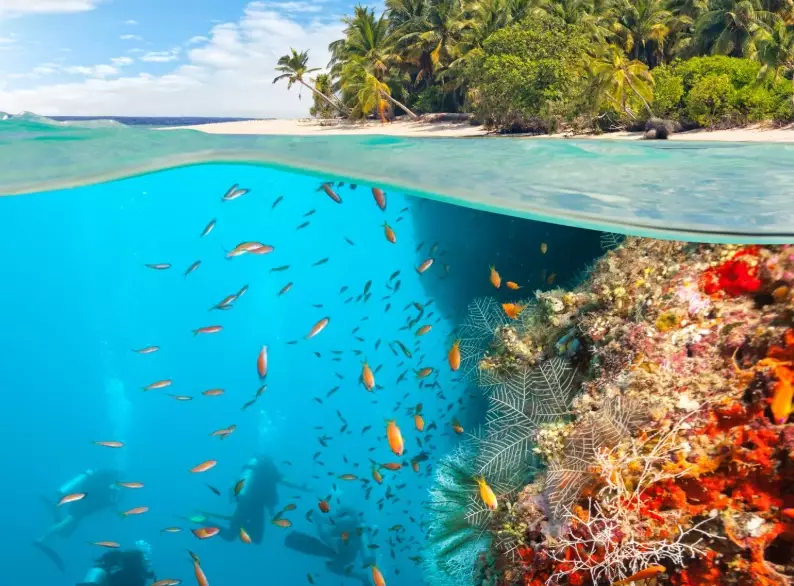
The Head-to-Head Comparison: Finding Your Match
This table should help you start to narrow it down. It's the cheat sheet I wish I'd had before planning some of my trips.
| Island | Core Diving Strength | Typical Dive Experience | Best For | Maybe Not For |
|---|---|---|---|---|
| Bonaire | Unparalleled shore diving, marine park protection, macro life. | Pickup truck diving. Drive up, gear up, walk in. Over 60 marked shore sites. Calm leeward coast. | Independent divers, photographers, budget-conscious travelers who want multiple dives/day, beginners in calm conditions. | Those seeking dramatic drop-offs or big animal action from the shore. Divers who dislike organizing their own dives. |
| Grand Cayman | World-class wall diving (e.g., Bloody Bay Wall), ultra-clear water, variety (wrecks, reefs). | Professional boat diving. Well-organized ops, often larger boats. Consistent conditions. | Wall enthusiasts, divers who love visibility (100ft+ common), all skill levels thanks to varied sites, luxury travelers. | Travelers on a tight budget. Divers seeking a rugged, off-the-beaten-path feel. |
| Cozumel | Fast-paced drift diving along vibrant, current-fed reefs like Palancar. | Boat diving where you go with the flow. Minimal kicking, maximum scenery. Often 2-tank morning trips. | Experienced divers comfortable with current, coral lovers, affordable packages from mainland Mexico. | Absolute beginners (currents can be strong), shore divers, those prone to seasickness (boat ride can be choppy). |
| Little Cayman | Pristine, untouched walls & reefs, low diver density, Bloody Bay Wall. | Small-boat, intimate diving. Remote feel. Focus on pristine marine environments. | Advanced divers wanting pristine conditions, small groups, and breathtaking wall profiles. | Nightlife seekers, non-diving companions wanting lots of activities, budget travelers. |
| Turks & Caicos | Majestic vertical walls, chance for big animal encounters (rays, sharks, whales). | A mix of dramatic wall dives and beautiful shallow reefs. Upscale island vibe. | Divers wanting a mix of big scenery and big animals, luxury travel combined with great diving. | Budget-focused divers. Those looking for a huge number of easily accessible dive sites. |
That table just scratches the surface. Let's dive deeper (pun intended) into a few of these heavyweights.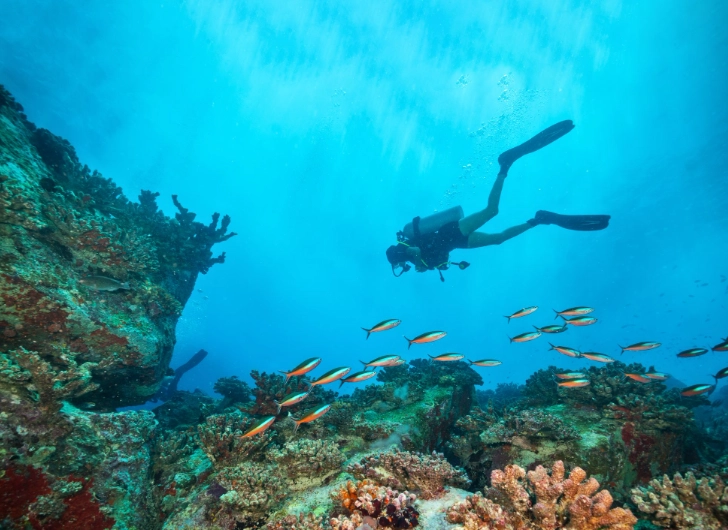
Deep Dive on the Top Caribbean Diving Destinations
Bonaire: The Independent Diver's Paradise
If you ask a certain type of diver which Caribbean island has the best diving, they'll slam their hand on the table and say "Bonaire!" without a second thought. And I get it. The entire leeward coast is a protected marine park, littered with yellow painted rocks marking entry points. You rent a pickup truck, load your gear, and go. Want to do a dawn dive, a lunch dive, and a night dive all at different spots? No problem. The cost-effectiveness is unreal.
The diving itself is reliably good, not always mind-blowing, but consistently very good. The reefs are healthy, thanks to strong conservation efforts led by STINAPA, the national parks foundation. You'll see tons of parrotfish, angelfish, and if you look closely, fantastic macro life like seahorses and frogfish. Sites like "The Lake" and "Salt Pier" are legendary for good reason.
But here's the catch, and it's a big one for some.
The shore diving is mostly on the island's calm western side, which means the topography is sloping reefs, not sheer walls. It's beautiful, but it's not the dramatic, bottomless abyss some crave. Also, if you're not a confident diver or don't like managing your own entries/exits (which can be rocky), the Bonaire magic might be lost on you. It's a place that rewards self-sufficiency.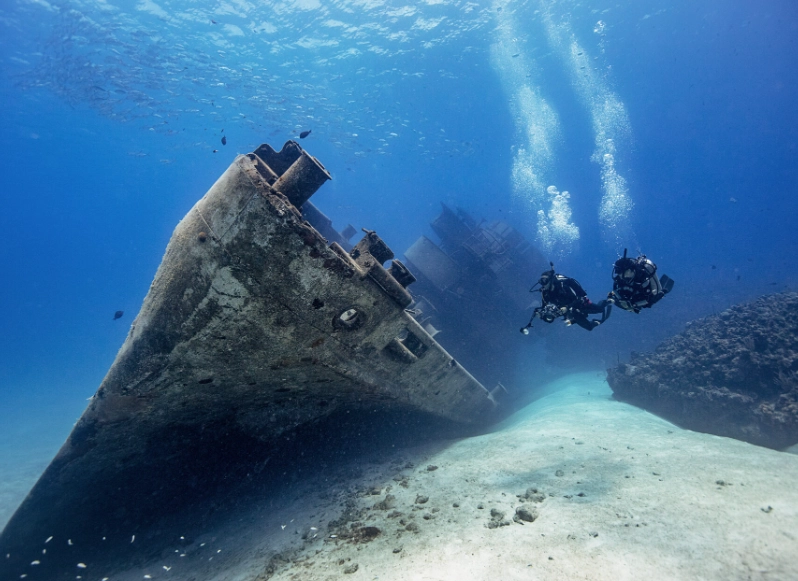
The Cayman Islands: The Polished Professional
Grand Cayman is like the five-star resort of diving. Everything runs smoothly. The visibility is almost always spectacular, often exceeding 100 feet. The star attractions are the walls, especially on the north side. Diving the iconic "Bloody Bay Wall" off Little Cayman (a short flight from Grand) is a bucket-list item—it's a sheer vertical cliff starting at about 20 feet, covered in sponges and black coral.
Grand Cayman also has fantastic wreck diving, like the intentionally sunk USS Kittiwake and the massive MV Capt. Keith Tibbetts, a Russian frigate. There's a huge variety of sites, from shallow stingray city encounters to deep walls, making it great for mixed-ability groups.
The downside? It's expensive. Diving, accommodations, food—it all adds up. And because it's so popular, some sites can feel a bit busy. But if you want a guaranteed high-quality, hassle-free dive vacation, it's incredibly hard to beat. This is a strong answer for divers wondering which Caribbean island has the best all-around, reliable diving.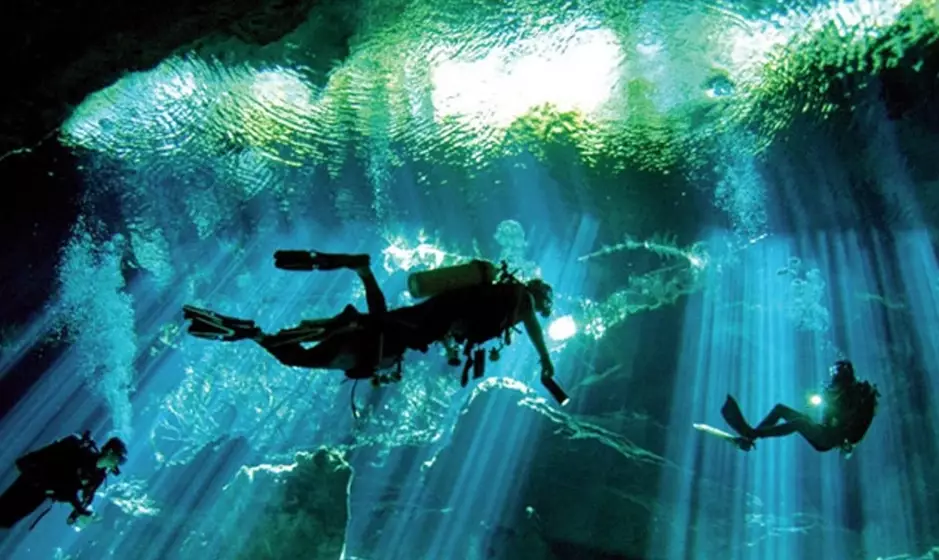
Cozumel: The Drift Diving Powerhouse
Cozumel is a different beast. The island sits in a strong current, which is a blessing for the reefs—it brings nutrients and keeps the water crystal clear, fostering insane coral growth. Diving here means drift diving. You jump in, get neutral, and let the current carry you along towering coral formations like Palancar and Columbia. You barely kick. You just fly along, watching an endless parade of sponges, eagle rays, and huge schools of fish.
The marine life is prolific. You're almost guaranteed to see turtles, moray eels, and big groupers. The reefs feel alive and powerful. It's also very affordable, especially when bundled with a stay in Playa del Carmen on the mainland.
My main gripe? The current. It's not for newbies. If you're not comfortable with managing buoyancy in a flow, or if the idea of a "negative entry" stresses you out, Cozumel can be intimidating. Also, there's very little shore diving. You're committed to boat trips. And speaking of boats, the ride to the far southern sites can be rough. I've had a few queasy mornings.
But if you're an experienced diver who loves adrenaline and vibrant reefs, asking "which Caribbean island has the best diving?" might lead you straight to Cozumel.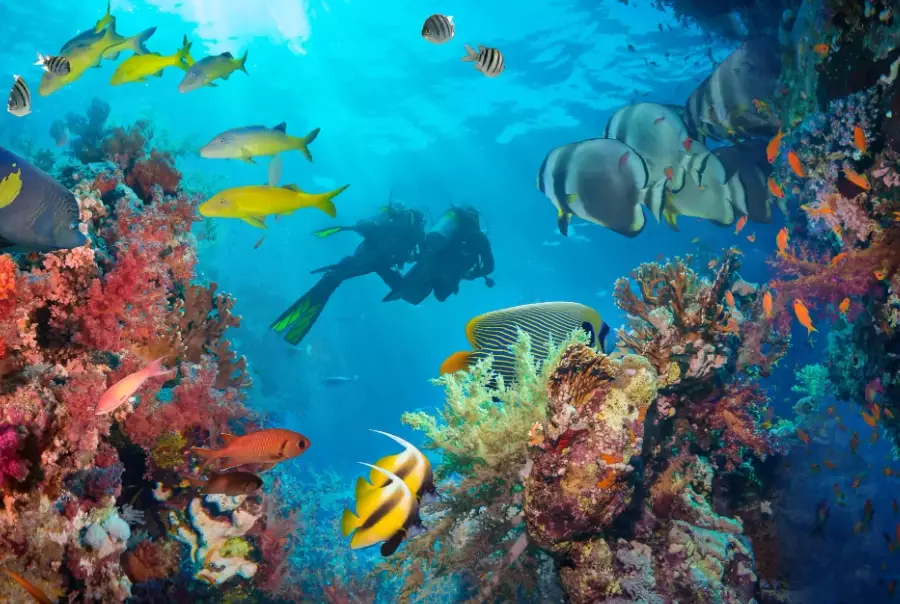
Beyond the Big Names: Other Strong Contenders
Let's not ignore the other fantastic options. Your perfect island might be one of these.
Roatan, Utila, and the Bay Islands (Honduras): This is the value champion. The reefs are part of the massive Mesoamerican Barrier Reef, the second-largest in the world. Diving is cheap, the vibe is ultra-laid-back, and the marine life is great. You'll see lots of turtles and rays. It's a huge hub for backpackers and getting your dive certification on a budget. The downside can be variable visibility compared to Cayman or Cozumel.
Saba: This is a specialist's island. It's a volcanic pinnacle rising from the deep. The dives are all about these incredible seamounts, like the famed "Diamond Rock," covered in sponges and swarmed by fish. It's advanced diving—often deeper, with stronger currents and more challenging conditions. The island itself is stunningly beautiful, with no beaches to speak of. It's for pure divers.
Turks and Caicos: I mentioned it in the table, but it deserves another nod for its stunning walls off Providenciales and Grand Turk. The "Grand Turk Wall" is breathtaking. It's also one of the best places in the Caribbean for whale watching in the winter (January-April), as humpback whales migrate through the Turks Island Passage. It's a more luxurious, resort-style destination with top-notch diving.
So, How Do YOU Choose? A Decision Framework
Stop asking "Which Caribbean island has the best diving?" and start asking yourself these questions:
- What's your skill level? Beginners/Brand New: Bonaire (calm shore), Grand Cayman (protected sites), Bay Islands. Advanced: Cozumel, Saba, Little Cayman walls.
- What's your budget? Lower: Bay Islands (Roatan/Utila), Cozumel packages. Higher: Cayman Islands, Turks & Caicos.
- What type of diving do you love? Walls: Cayman, Turks. Drift: Cozumel. Shore Independence: Bonaire. Wrecks: Grand Cayman, Barbados, Curacao.
- Who's with you? Non-divers? Grand Cayman and Turks have amazing beaches and resorts. Pure dive trip? Bonaire, Saba, liveaboard.
- What animals are on your must-see list? Sharks: Bahamas (Tiger Beach is in Atlantic but often grouped). Whales: Turks & Caicos (winter). Macro/Critters: Bonaire, Curacao.
Think about it. If you're a photographer with a mid-range budget who hates crowds, Bonaire is screaming your name. If you and your advanced dive buddy want heart-pounding action on pristine walls and money is no object, a liveaboard hitting Little Cayman and Cayman Brac might be your holy grail.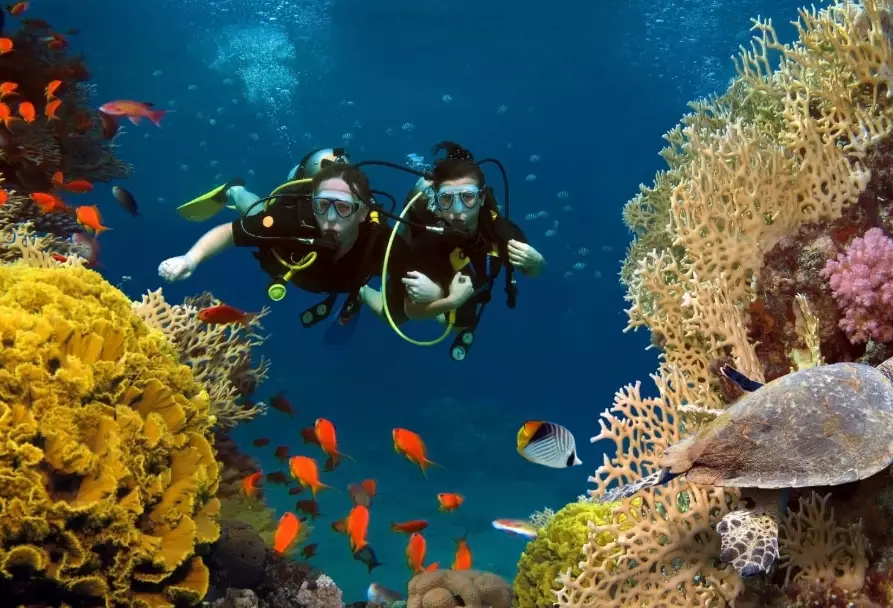
Common Questions (And Straight Answers)
When is the absolute best time to dive in the Caribbean?
Generally, the dry season from December to April offers the calmest seas and best surface conditions. But it's also peak tourist season and most expensive. Hurricane season (June-November) has a higher risk of storms, but you often get cheaper rates, warmer water, and fewer crowds. The diving is still excellent between storms. I've gone in September and had fantastic trips.
Do I need to be an advanced diver for the best sites?
Not at all. Every major destination has incredible sites within 18-30 meters (60-100 feet) suitable for Open Water divers. The truly epic walls often have their tops in shallow water, so everyone can enjoy them. However, destinations like Saba or the deeper drifts of Cozumel are better suited for those with more experience.
Is it safe to dive in the Caribbean?
Yes, when diving with reputable operators and following safe practices. The main risks are typical of diving anywhere: decompression sickness, marine life injuries (usually from touching something), and boat/current hazards. Choose operators with good safety records and clear briefings. Check references on scuba forums.
Can I see sharks?
Yes, but it's not guaranteed like in the Pacific. Reef sharks are commonly seen in the Bahamas, Turks and Caicos, and at specific sites in other islands like the "Shark Reef" in Roatan. For a guaranteed shark frenzy, you'd look to the Bahamas (not strictly Caribbean but Atlantic).
What about liveaboards versus land-based?
Liveaboards (like the Explorer Ventures fleet or the Blackbeard's cruises) let you hit remote, pristine sites multiple islands can't access. They're dive-intensive and social. Land-based gives you more flexibility, time to explore the island, and is often better for non-divers. If your sole goal is maximum bottom time on the best reefs, a liveaboard is tough to top.
Final Thoughts: Stop Searching for "Best," Start Searching for "Yours"
After all this, I hope the question "Which Caribbean island has the best diving?" feels different. It's not a puzzle with one right answer. It's a starting point for a much more interesting conversation about what you love to do underwater.
My personal go-to? For a pure, no-fuss dive trip where I call the shots, it's Bonaire. But when I want to be wowed by sheer grandeur and don't mind paying for it, I'm looking at the Caymans or Turks. And when I'm craving that weightless, flying sensation through a colorful canyon of coral, I'm booking a flight to Cozumel.
The Caribbean is full of underwater treasure. The real secret is to match the treasure to the treasure hunter. So, figure out your dive profile, be honest about your budget, and then go. The best diving is the diving you're doing, not the diving you're still reading about.
Now, I'm curious—after reading this, which island is calling to you? Drop a comment on the blog and let's keep the conversation going. Maybe you'll convince me to try your favorite spot next time.
Your comment