Dive Highlights
Ask ten divers, and you might get a few different answers. But hang around dive shops, listen to the chatter on liveaboards, or scroll through any serious scuba forum for long enough, and one name keeps bubbling to the surface more consistently than any other. It’s not the biggest, or the flashiest, but for a certain type of diver—the kind who lives for the water, not the party—it’s pure magic. We’re talking about Bonaire. This little Dutch Caribbean island off the coast of Venezuela has, for decades, worn the crown as the undisputed diving capital in the Caribbean.
Why? It’s not just one thing. It’s a perfect storm of accessibility, consistency, and a philosophy that puts diving first. Most islands offer a diving experience. Bonaire offers diving as a way of life. The entire leeward coast is a protected marine park, meaning the reefs are shockingly healthy. But the real game-changer, the thing that truly makes it the diving capital of the Caribbean, is the freedom. I remember my first time there, staring at the map dotted with yellow painted rocks along the roadside. Each one marked a dive site. You just rent a truck, grab your tank, and walk in. No boats, no schedules, no crowds. Just you and the ocean, on your own terms. That’s a feeling you don’t forget.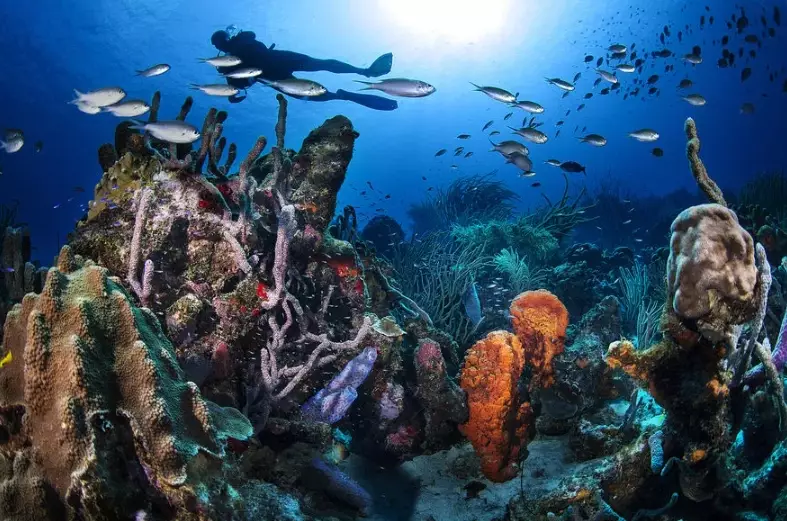
Why Bonaire Earns the Title "Diving Capital of the Caribbean"
Let’s break down the crown jewels. It’s easy to call a place the best, but the real question is, what’s the diving capital in the Caribbean actually built on? For Bonaire, it’s a foundation of three unbeatable pillars.
Pillar 1: Shore Diving Freedom & The Tank Card System
This is Bonaire’s signature. Over 60 official shore dive sites line the western coast, each marked by a yellow stone with its name. You get a pickup truck (it’s practically part of the dive package), load it with tanks from your resort’s unlimited-air fill station, and go. See a yellow rock? Park. Gear up. Dive. It’s that simple. The system is brilliantly democratic. It removes cost barriers (no boat fees), time constraints, and opens up night diving with incredible ease. Want to do a 45-minute dive at 5 PM and another at 8 PM after dinner? You can. This operational model is unique in the Caribbean and is the single biggest reason advanced divers and underwater photographers revere this place.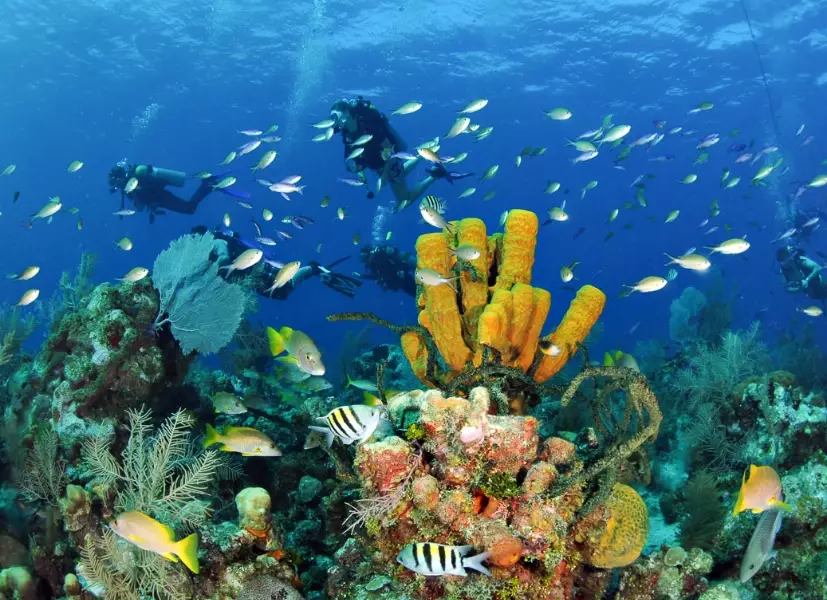
Pillar 2: Pristine & Protected Marine Environment
Bonaire’s reef isn’t just healthy; it’s robust. The Bonaire National Marine Park, established in 1979, encompasses the entire island’s coastline. The protection is serious and has been for a long time. The result? Coral coverage that makes other islands look tired. You’ll see massive, ancient brain corals, sprawling fields of elk horn coral, and sponges in colors that don’t seem natural. The fish life is prolific and, crucially, not shy. Because spear fishing has been banned for decades and anchoring on reefs is prohibited, the ecosystem behaves like it hasn’t met many predators. Parrotfish crunch loudly on coral, barracuda hang motionless, and tarpon patrol the moorings. The park management, STINAPA, does critical work, funded partly by the mandatory Nature Fee every diver pays. It’s a model that works. You can learn more about their conservation efforts on the official STINAPA Bonaire website.
Pillar 3: Predictability and Year-Round Diving
Divers hate uncertainty. A blown-out week due to weather can ruin a trip. Bonaire sits outside the main hurricane belt and has a semi-arid climate. Rain is rare, and the leeward side is almost always calm. Visibility routinely hits 30 meters (100 feet) or more. Water temperature hovers between 26-29°C (79-84°F) year-round. This reliability is a massive factor for trip planning. You can book a dive vacation to Bonaire in any month with near-certainty you’ll get in all your dives. For dive operators and training centers, this makes it an ideal location for courses, which is why you see so many dive schools here. The Professional Association of Diving Instructors (PADI) often highlights Bonaire as a premier training destination due to these conditions.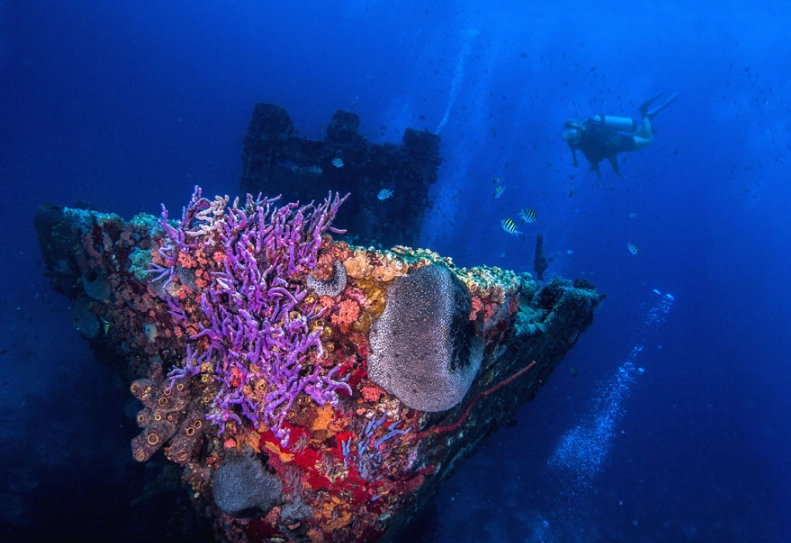
Top Dive Sites: The Must-Do List in the Diving Capital
Trying to pick the best sites in Bonaire is like picking the best chocolates in a full box—daunting and subjective. But some sites are legendary for good reason. Here’s a breakdown of sites that showcase why this is the diving capital in the Caribbean.
| Dive Site Name | Access | Depth Range | Highlights & What Makes It Special | Best For |
|---|---|---|---|---|
| Hilma Hooker | Boat (usually) or advanced shore | 18-30m (60-100ft) | A 70-meter cargo shipwreck sitting upright on the sand. Penetration possible (with proper training). Covered in sponges and home to huge tarpon and barracuda. | Wreck lovers, photographers, advanced divers. |
| Salt Pier | Shore | 6-15m (20-50ft) | An active industrial pier with incredible pilings covered in orange cup corals, sponges, and anemones. Fantastic for macro life: seahorses, frogfish. Dramatic light play. | Macro photography, beginner divers, unique scenery. |
| Karpata | Shore | 5-40m (15-130ft) | A pristine slope dive with stunning coral formations. Known for its dense schools of fish, especially blue tangs. The reef is breathtakingly healthy from top to bottom. | Reef health appreciation, fish life, all diver levels. |
| 1,000 Steps | Shore (it's actually about 67 steps) | 10-40m (30-130ft) | A classic staircase entry to a gorgeous sloping reef. Great chance to see turtles, eagle rays, and garden eels on the sandy patches. A beautiful, all-around dive. | Turtle sightings, scenic diving, medium fitness level. |
| Town Pier (Bonaire) | Shore (guided night dives only) | 5-12m (15-40ft) | Often called one of the best night dives in the world. The pilings are a zoo of nocturnal critters: octopus, squid, sea horses, sleeping turtles, and bizarre crustaceans. | Night diving, macro life, unique experience. |
My personal sleeper hit? Alice in Wonderland. It’s a double reef system with a sand channel in between. You dive the first reef, cross the sand (often with garden eels), and explore the second. It feels like two dives in one. The scale is impressive.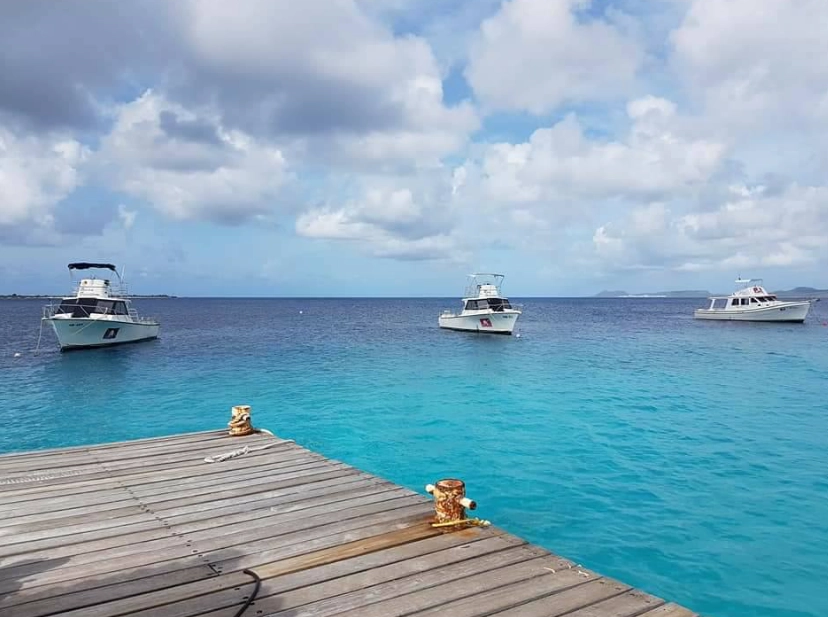
The Bonaire Diving Experience: What It's Really Like
Understanding the logistics is key to seeing why Bonaire functions as the efficient diving capital of the Caribbean it is.
The Daily Rhythm
Your day starts with a buffet breakfast at your dive resort (places like Buddy Dive, Harbour Village, or Captain Don’s are institutions). You check the board for tank availability, grab a map, and plan with your buddy. Morning dive. Surface interval with a smoothie back at the pool. Afternoon dive. Maybe a late afternoon shallow dive or a sunset dive. Then, a night dive if you’re feeling ambitious. The island isn’t known for wild nightlife, and that’s by design. The focus is on diving, eating well, and resting. It’s a diver’s rhythm.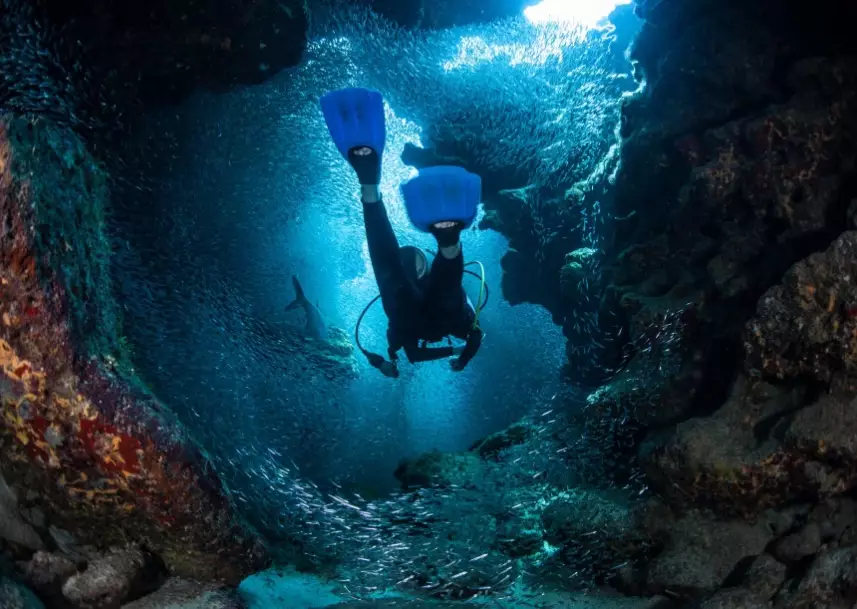
Costs & The "Diver's Dollar"
Let’s talk money. Bonaire isn’t the cheapest Caribbean destination. But the value for a diver is exceptional. A typical package includes accommodation, unlimited air fills, and a pickup truck. You eliminate daily boat costs. A tank fill might cost $5-7 elsewhere; here, it’s “unlimited.” Over a week of 3-4 dives a day, the math works heavily in Bonaire’s favor. Food and groceries can be pricey, as much is imported. My advice? Book a place with a kitchenette and cook some meals. It saves a lot.
Who Is It For (And Maybe Who It Isn't For)?
Bonaire is paradise for: independent divers, photographers, marine life lovers, and those doing advanced training. It’s also surprisingly great for beginners in calm conditions—the shallow, protected reefs are perfect for building confidence.
It might disappoint: party-seekers, those who want luxury spas and shopping, or divers who absolutely need a dive guide holding their hand every second. The social scene is about swapping stories at the bar, not clubbing.
Common Questions About the Caribbean Diving Capital
Beyond the Reef: Other Things to Know
You can’t dive 24/7 (though some try). Bonaire has other charms. The Washington Slagbaai National Park is a rugged, beautiful hiking and birding destination. The salt flats at the south end are where you’ll see the iconic pink flamingos. Lac Bay is a world-class windsurfing and kiteboarding spot. And yes, there are some lovely restaurants in Kralendijk, the main town. Try a fresh catch of the day at a waterfront spot.
So, is Bonaire the only great diving in the Caribbean? Of course not. The region is blessed. But is it the capital? Does it set the standard that others are measured against? For the sheer density of accessible sites, the unwavering commitment to marine protection, and the unique culture of diving independence, the answer is a resounding yes. The crown fits. All that’s left is for you to go see it for yourself. Just remember to watch your step on those entries, and save some air for the swim back.
Maybe I’ll see you there, by a yellow rock somewhere, gearing up for another perfect, unscripted adventure. That’s the magic of the capital.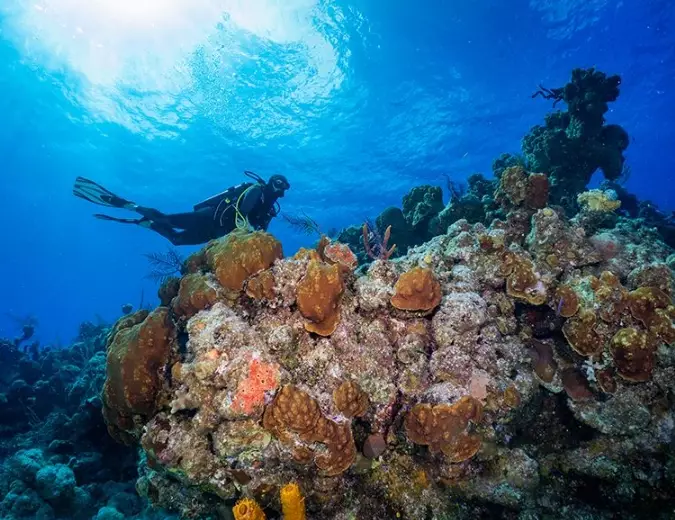
Your comment