Quick Dive Guide
- What Really Causes Diving Accidents? Busting the Myths
- Your Anti-Accident Toolkit: Prevention Beats Cure Every Time
- When Things Go Sideways: Your Emergency Action Plan
- Beyond the Basics: Skills That Make You Safer
- Straight Talk: Your Diving Accidents Questions Answered
- Wrapping It Up: The Safe Diver's Mindset
Let's talk about something most dive blogs gloss over with pretty pictures of coral reefs. Diving accidents. They happen. I've seen buddies get spooked, watched someone run low on air faster than they thought possible, and heard stories that make you double-check your gear. It's not about fear-mongering. Far from it. It's about looking the reality of scuba in the eye so you can enjoy it with confidence for decades.
Why do I care enough to write this? A few years back, I was on a boat where a diver surfaced way too fast, panicking. The crew handled it, but the look on everyone's face—that mix of concern and "it could have been me"—stuck with me. Most diving accidents are not acts of God. They're a chain of small, manageable things that go unchecked. Break one link, and the chain falls apart.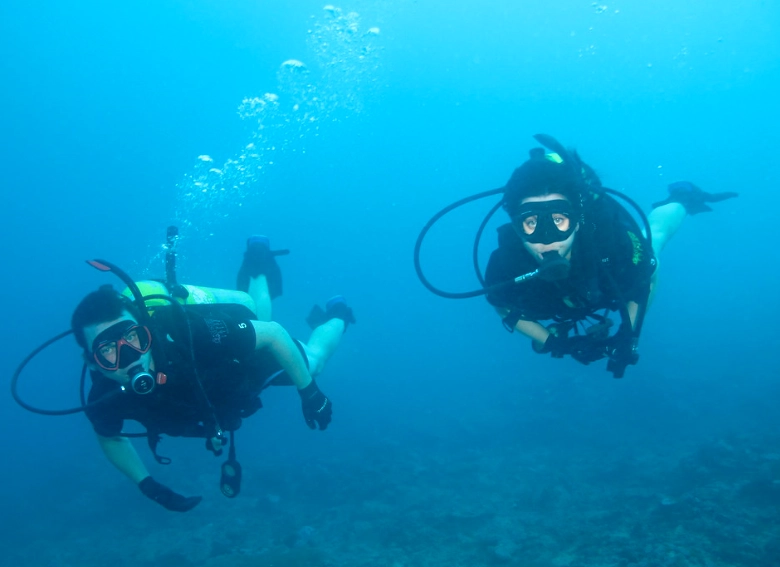
The Core Idea: Safe diving isn't about never making a mistake. It's about building so many layers of safety—through knowledge, gear, and habits—that a single mistake doesn't turn into a crisis. This guide is your blueprint for building those layers.
What Really Causes Diving Accidents? Busting the Myths
Forget the movie scenes with sharks and rogue octopuses. The real causes are more mundane, and that's good news. Mundane problems have mundane, learnable solutions.
The Usual Suspects: Direct Causes
If you look at reports from organizations like Divers Alert Network (DAN), which compiles annual reports on diving incidents, patterns emerge fast.
- Running Out of Air/Gas Management Failures: This one tops the list, and it's frustrating because it's so preventable. It's not just about the gauge hitting zero. It's about task loading, distraction, poor planning, or ignoring your reserve.
- Buoyancy Troubles: Lose control and you're either sinking faster than planned or shooting to the surface. Both are bad news. Poor buoyancy is a root cause of so many other issues, like exhaustion, air consumption, and entanglement.
- Medical Events Underwater: This could be a pre-existing condition someone didn't disclose or manage, or a cardiac event triggered by exertion, cold, or stress. The underwater environment is unforgiving of medical issues.
- Entrapment/Entanglement: Getting caught in fishing line, old nets, or inside wrecks. Panic is the immediate follow-up danger here.
- Equipment Failure: It's rare for modern, well-maintained gear to catastrophically fail. More often, it's a minor issue—a free-flowing regulator, a leaking O-ring—that a diver doesn't know how to handle, leading to panic.
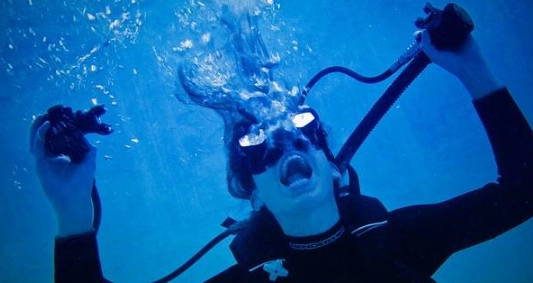
The Root of the Problem: Human Factors
This is where we get to the heart of preventing diving accidents. The direct causes above are usually symptoms.
The Human Factor Checklist (Be Honest): How many of these sound familiar? Overconfidence after a few easy dives. Skipping the pre-dive check because "my gear was fine yesterday." Pushing depth limits to see that one extra thing. Diving while tired, stressed, or dehydrated. Following a guide blindly instead of monitoring your own gauges. I've been guilty of a few, especially early on. It's a slippery slope.
Poor training or skills that have gotten rusty are a huge contributor. If the only time you practice regulator recovery or mask clearing is during your certification course, you're not prepared for when it happens for real, in low visibility, when you're cold.
And then there's panic. It's the great accelerator. A small problem becomes a big one when fear takes over and rational thought flies out the window. Training is the best antidote to panic. Muscle memory from drills can take over when your brain is screaming.
Your Anti-Accident Toolkit: Prevention Beats Cure Every Time
Preventing diving accidents isn't a single action. It's a lifestyle for divers. It's a mindset you put on with your wetsuit.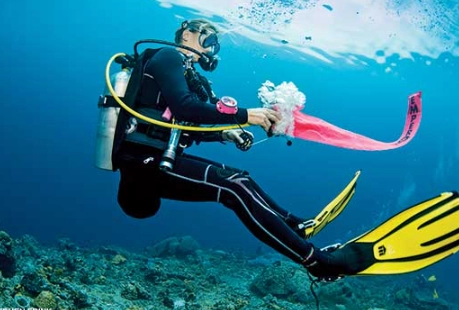
Before You Even Get Wet: The Pre-Dive Phase
This phase is about eliminating problems before they can start.
- Honest Health Check: Are you fit to dive today? Not just "I have a card," but genuinely. Congested? Don't dive. Tired from travel? Reconsider. Stressed about work? Your mind won't be on the dive. The DAN Medical Form is a great resource to understand fitness requirements. Be brutally honest with yourself and your buddy.
- Gear Inspection Ritual: Make it a ritual, like a pilot's checklist. Look, listen, feel. Inflate the BCD. Taste the air from the regulator (a quick purge). Check hose connections. Is your computer battery good? This takes five minutes and catches 95% of potential gear issues.
- Plan the Dive, Dive the Plan: With your buddy, agree on max depth, time, turn-around pressure, signals, and what to do if separated. "We'll just follow the guide" is not a plan. What's the guide's plan? Know it.
During the Dive: Staying Ahead of Trouble
This is about active management. A dive isn't a passive ride.
| What to Monitor | Why It Matters | The "Safe Zone" Habit |
|---|---|---|
| Air Supply | Running out is the #1 direct cause of serious incidents. | Check your gauge every few minutes, not just when you think of it. Mentally note your pressure at specific points (start, turn, ascent). The old rule of turning at 50% of your starting pressure is still golden for recreational dives. |
| Depth & Time | Prevents decompression sickness (DCS), the "bends." | Let your computer guide you, but understand what it's telling you. A computer is a tool, not an infallible boss. Have a conservative setting enabled if possible. |
| Buoyancy | Conserves air, protects marine life, prevents runaway ascents. | Make tiny adjustments. Are you breathing to go up and down? Good. Kicking frantically? Bad. Practice hovering whenever you stop to look at something. |
| Your Buddy | They are your primary safety device. You are theirs. | Glance at them every minute or so. Are they nearby? Do they look okay? A quick "OK" signal exchange is more than a formality; it's a systems check. |
| How You Feel | Early signs of trouble (cold, fatigue, anxiety) are easier to fix early. | Do a quick self-check. Am I breathing easily? Am I comfortable? If something feels "off," it probably is. Signal your buddy and end the dive early. There is zero shame in a short, safe dive. |
See? It's not rocket science. It's awareness. Most diving accidents start with a diver who stopped paying attention to one of these five things.
After the Dive: The Debrief That Matters
The dive isn't over when you get back on the boat. Talk to your buddy. What went well? Did anything feel weird? Did we stick to the plan? This two-minute chat reinforces good habits and spots near-misses that could be problems next time.
Pro Tip: Keep a simple dive log. Not just depth and time, but notes like "felt heavy with new wetsuit" or "current stronger than expected." Reviewing it before similar dives is a powerful memory jogger for lessons learned.
When Things Go Sideways: Your Emergency Action Plan
Okay. Let's say it. Despite all the prep, something happens. A true diving accident or a close call is unfolding. What now? Panic is the enemy. A pre-thought-out plan is your friend.
The Golden Rule: Stop, Breathe, Think, Act. It sounds cheesy until you need it. Freeze your movements for a second. Take a slow, conscious breath (from your regulator!). Think about your options. Then execute the best one.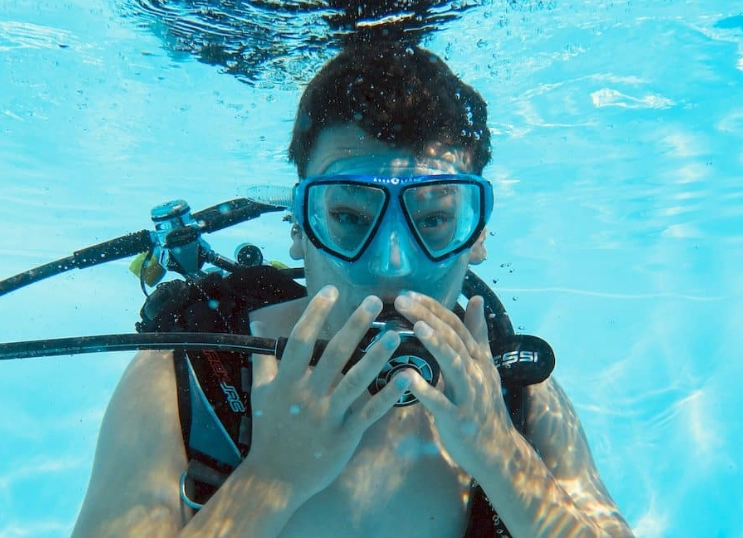
Common Underwater Scenarios and Responses
- Out of Air (Buddy Nearby): Signal "out of air" (cutting throat motion), swim calmly to your buddy, and use their alternate air source (octopus). Ascend together using their air, under control.
- Out of Air (Buddy Not Close): This is why you practice Controlled Emergency Swimming Ascent (CESA). Exhale continuously, making an "Ahhh" sound to keep your airway open, and swim up at a safe, steady pace. Do not hold your breath. Not even for a second.
- Rapid Ascent (You feel yourself going up too fast): Dump ALL the air from your BCD immediately. Try to create drag (spread arms and legs, grab a reef anchor line if present). Assume the flare position. Once at the surface, establish positive buoyancy and alert your boat or shore crew immediately. You will need to be monitored for DCS symptoms.
- Entanglement: Stop. Don't thrash. Signal your buddy. Breathe. Can you see what's holding you? Often, a slow, deliberate reverse of your motion can free you. If not, your dive knife/cutter is your tool of last resort. Cut away from your body and equipment.
Critical: For any suspected decompression sickness (DCS) or arterial gas embolism (AGE)—symptoms like joint pain, rash, paralysis, dizziness, coughing, or collapse after a dive—this is a medical emergency. Administer 100% oxygen if available and call for emergency evacuation. Contact DAN's Emergency Hotline (+1-919-684-9111) immediately—they have diving medicine experts on call 24/7 to guide you and locate the nearest recompression chamber. Time is tissue.
Beyond the Basics: Skills That Make You Safer
Open Water certification is a license to learn, not a proclamation of mastery. These skills transform you from a participant to a true diver.
Take a Specialty or Refresher Course: A Rescue Diver course is, in my opinion, the single most valuable course after Open Water. It changes your mindset from "avoiding problems" to "managing emergencies," for yourself and others. It's challenging and absolutely worth it.
Practice Drills on Every Dive: Pick one skill per fun dive. On a calm, shallow part, with your buddy, practice mask clearing, regulator recovery, or hovering. Make it second nature. I try to clear my mask at least once every few dives, just to keep the feeling familiar.
Learn About Your Local Environment: Are there strong currents? Cold water? Low visibility? Specific hazards? Local dive shops and guides know this. Tap their knowledge. Diving accidents often involve a diver unprepared for local conditions.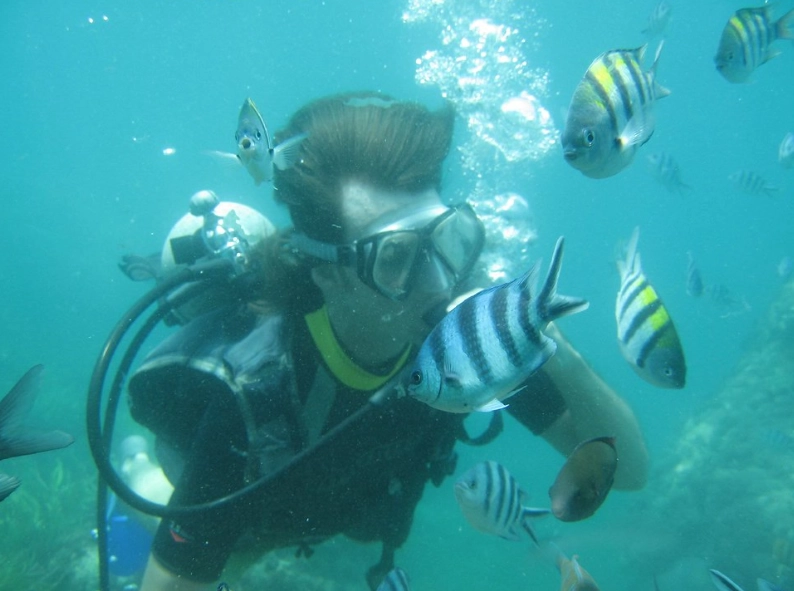
Straight Talk: Your Diving Accidents Questions Answered
Wrapping It Up: The Safe Diver's Mindset
Preventing diving accidents isn't a checklist you complete once. It's a mindset. It's the voice that says "check your air" when you're mesmerized by a turtle. It's the habit of doing a buddy check even when you're excited to jump in. It's the wisdom to call a dive because you just don't feel right, and not caring if anyone else thinks it's silly.
The ocean doesn't care about your experience level. It's a neutral environment. Our preparation and respect are what make it a playground instead of a hazard zone.
Go through your gear this weekend. Book that refresher if it's been a while. Talk to your regular dive buddy about your emergency signals. These small actions build the fortress that keeps the statistics on your side. Now go dive—and dive smart.
Your comment