In This Guide
Let's get this out of the way first. If you're searching for the "Mexico diving season" hoping for a single, simple date range, I've got some news for you. You won't find it. And honestly, any article that gives you just one is doing you a disservice. Mexico is massive, with coastlines on two completely different oceans. The water conditions, weather, and what's swimming around you change dramatically depending on whether you're looking at the Caribbean coast, the Pacific, the Sea of Cortez, or the cenotes inland.
Picking the right time is everything. Get it right, and you're gliding through crystal-clear water with whale sharks or watching manta rays dance. Get it wrong, and you might be staring into a greenish haze, fighting choppy seas, or worse, sitting out a closed dive shop because of a storm.
I learned this the hard way, booking a trip to Cozumel based on generic "best time" advice, only to arrive during a seasonal seaweed bloom. Visibility was okay, but not the legendary Cozumel blue I'd dreamed of.
So, let's ditch the oversimplification. This guide is about matching your dive goals—whether it's big animals, perfect viz, budget, or solitude—with the right slice of the Mexican diving calendar. We'll break it down coast by coast, month by month, and creature by creature.
What Actually Defines a "Good" Diving Season in Mexico?
Before we jump into locations, let's talk about the factors that make or break a dive trip. These are the things you should be weighing.
Water Temperature & Visibility: The Comfort Clarity Combo
This is the big one for most divers. The Caribbean Sea (Quintana Roo, Cozumel) is generally warmer year-round, rarely dipping below 77°F (25°C), and is famous for its 100+ foot visibility. The Pacific and Sea of Cortez have more variation. In winter, you might need a 5mm or even 7mm wetsuit in places like Socorro Island, where water can drop to the low 70s°F (low 20s°C). Summer brings warmer water but sometimes at the cost of visibility due to plankton blooms.
That plankton, though? It's what the big guys eat.
Weather & The Hurricane Question
This is the elephant in the room, especially for the Caribbean and the southern Pacific. The Atlantic hurricane season officially runs June 1 to November 30, with peak activity from August to October. The Pacific has its own season, roughly from May to November.
Here's my take: being terrified of these months is an overreaction. I've had phenomenal dives in Cozumel in September. But you must be flexible. The risk of a trip-disrupting storm is higher. You might get perfect, calm days, or you might get rain and wind. The flip side? Fewer tourists and often lower prices. It's a calculated risk.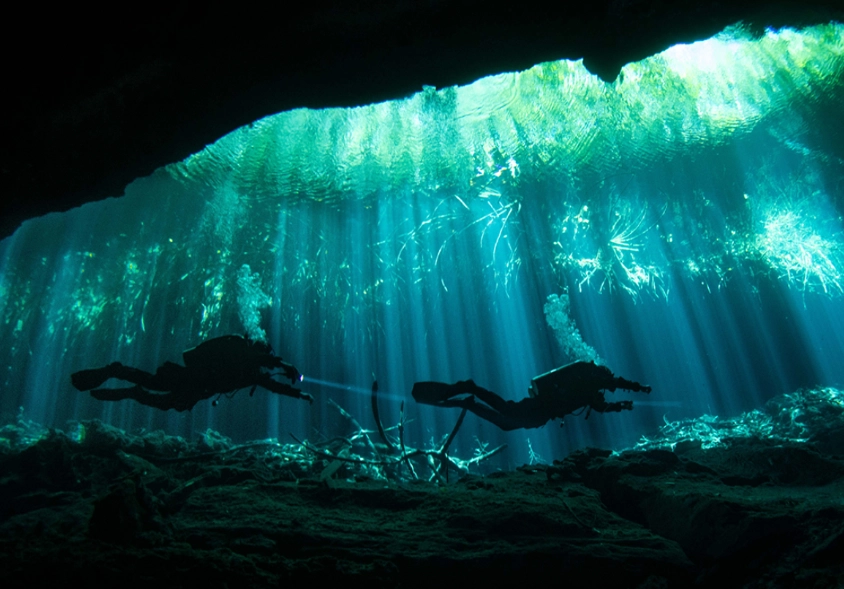
Marine Life Activity: The Migration Schedules
This is where timing gets magical. The ocean has a clock, and the megafauna follow it.
- Want to swim with whale sharks? Your window in Isla Mujeres/Holbox is roughly June to September.
- Dreaming of humpback whales? They're in the Sea of Cortez (Baja) and the Pacific coast (Revillagigedo/Socorro) from December/January through April.
- Manta rays? Socorro Islands are best from November to May.
- Bull shark aggregation in Playa del Carmen? That's a winter show, November to March.
If your heart is set on a specific animal, the Mexico diving season for you is dictated by its migration, not the weather.
Crowds and Cost: The Peace vs. Price Trade-off
High season (roughly December to April, aligning with North American winter) means perfect weather, full operation schedules... and crowds. Boats are full, reefs are busy, and prices for flights and hotels are at their peak.
Shoulder seasons (late spring and fall) often offer the best balance: decent weather, thinning crowds, and better deals. Summer (outside of peak hurricane risk) can be a steal in the Caribbean if you don't mind some heat and humidity topside.
I'll always choose a slightly less-perfect weather forecast over a crowded dive boat. Nothing ruins the serenity of a dive like ten other divers kicking up the reef.
The Mexico Diving Season, Broken Down by Coastline
This is the heart of it. Let's map it out. The table below is your quick-reference cheat sheet, but we'll dive deeper (pun intended) into each after.
| Region / Coast | Prime Diving Season | Water Temp Range | Visibility Range | Key Highlights & Events | Watch Out For |
|---|---|---|---|---|---|
| Caribbean (Quintana Roo, Cozumel) | April-July | 77-84°F (25-29°C) | 80-150+ ft | Bull Sharks (Nov-Mar), Whale Sharks (Jun-Sep), Great drift diving, Mesoamerican Reef | Atlantic Hurricane Season (Jun-Nov), Sargassum seaweed (spring/summer) |
| Pacific & Sea of Cortez (Baja California) | June-October (Sea) Nov-May (Pacific) |
64-85°F (18-29°C) | 40-100 ft | Humpback/Gray Whales (Dec-Apr), Giant Mantas, Hammerheads, Sea Lions | Cooler water in winter, Windy afternoons, Pacific Hurricane Season (May-Nov) |
| Revillagigedo Islands (Socorro) | November-May | 72-78°F (22-26°C) | 50-80 ft | Giant Mantas, Dolphins, Hammerheads, Humpback Whales (Jan-Mar), Tiger Sharks (late season) | Liveaboard only, Advanced currents, Big animal diving |
| Cenotes (Yucatán Peninsula) | Year-Round | 77°F (25°C) constant | Unlimited (freshwater) | Stunning haloclines, Light beams, Geological formations | No marine life spectacle, Requires cavern diving specialty for many |
The Caribbean Side: Cozumel, Riviera Maya, and the Mesoamerican Reef
This is Mexico's most famous diving, and for good reason. The reef is spectacular, the water is warm, and the visibility is often mind-blowing.
The Sweet Spot: For me, the absolute best Mexico diving season here is April through July. The winter crowds have left, the hurricane risk is still relatively low, the water is warming up beautifully, and the summer rains haven't yet started in earnest. It's just... reliable.
Winter (Dec-Mar): This is high season. Weather is perfect—sunny, low humidity. It's also when you can dive with the famous bull shark aggregation in Playa del Carmen. The downside? Everyone else is here too. You need to book *everything* far in advance.
Summer/Fall (Aug-Oct): This is whale shark season near Isla Mujeres and Holbox. An incredible experience. But it's also the peak of hurricane season and the time for potential sargassum seaweed on east-facing beaches (though dive operators usually get you to sites away from it). If you're going for the whale sharks, you accept the weather risk.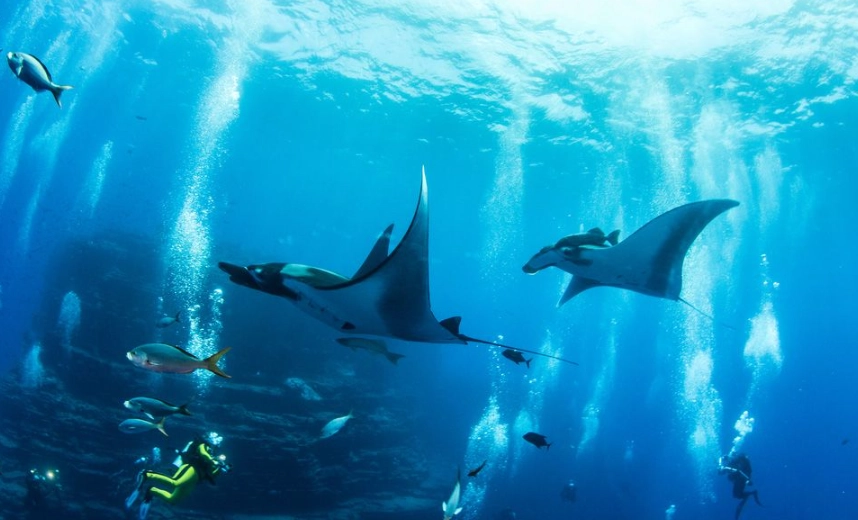
The Pacific & Sea of Cortez: Baja's Wild Side
This is a totally different beast. The water is cooler, nutrient-rich, and teeming with life. It's often called "The Aquarium of the World."
Sea of Cortez (Gulf of California): The best time here is June to October. Water temps are comfortable, seas are calmer, and you have a great chance with sea lions, mobula rays, and even whale sharks around La Paz. I love the diving at Cabo Pulmo, a protected national marine park that's a stunning success story.
Pacific Coast of Baja (e.g., Socorro Islands): The season is November to May. This is big animal pelagic action. Liveaboards head out to the remote Revillagigedo Archipelago to dive with giant mantas, hundreds of sharks, and from January to March, humpback whales. The water is cooler, and it's advanced diving with strong currents. Not for beginners, but for the right diver, it's the trip of a lifetime.
The Pacific side humbles you. It's raw, powerful, and less predictable than the Caribbean. You feel like a visitor in a truly wild space.
The Cenotes: A Season All Their Own
Forget the ocean. The Yucatán's cenotes—flooded limestone sinkholes—offer a year-round Mexico diving season. The water is a constant 77°F (25°C) and crystal clear because it's filtered through rock.
There's no "best" time weather-wise, as you're underground. However, consider surface conditions. The rainy season (roughly June to October) can mean more runoff, potentially affecting the very entrance of some cenotes. Dry season means easier access.
They offer no big fish action, but the play of light, stunning rock formations, and sheer uniqueness are unforgettable. Just remember, many require a cavern diving specialty—don't just jump in with an Open Water cert.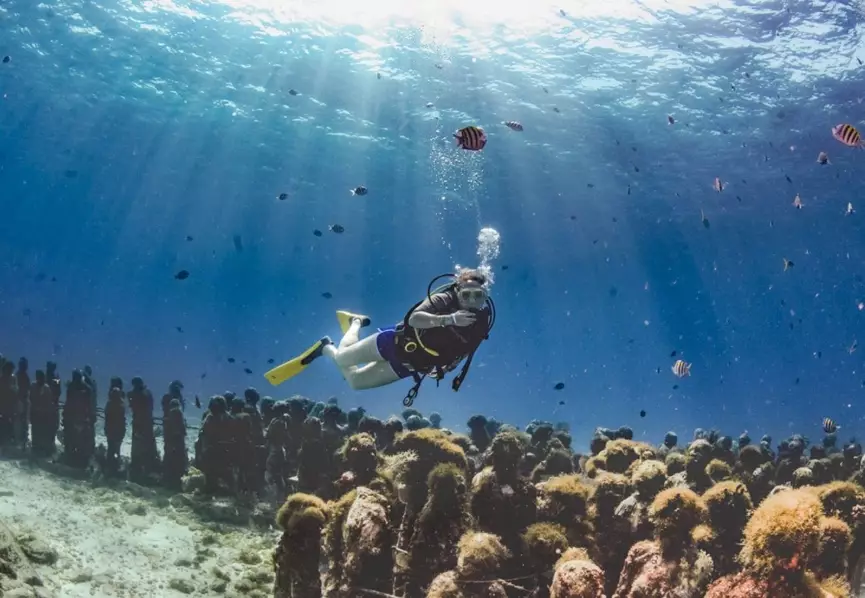
Matching the Season to Your Diver Profile
Let's get practical. Who are you as a diver, and what does that mean for your timing?
For the Beginner Diver (Newly Certified or
Your priority should be calm, predictable, and forgiving conditions to build confidence.
Best Bet: The Caribbean side during its dry season, April to July. Cozumel's drift diving is actually fantastic for beginners—the current does the work. The visibility is high so you won't get disoriented, and the water is warm, meaning less gear stress. Avoid the peak winter holiday rush if crowds make you nervous.
For the Advanced/Animal Hunter Diver
You're here for the bucket-list encounters. Your season is 100% dictated by the animal.
- Whale Sharks & Mantas: Head to the Caribbean (Isla Mujeres/Holbox) June-September or the Sea of Cortez (La Paz) October-February.
- Humpback Whales: Pacific/Baja (Socorro, Magdalena Bay) January-March. You might see them in the Sea of Cortez too during this window.
- Bull Sharks: Playa del Carmen, November to March.
- The Ultimate Pelagic Smorgasbord: A Socorro Islands liveaboard, November to May.
You'll trade perfect weather for animal activity. Be prepared for that.
For the Budget-Conscious & Crowd-Hater Diver
You want good diving without the premium price tag or the feeling of being in a diver conga line.
Target the Shoulder Seasons. For the Caribbean, that's late April to early June, and again in November (just after hurricane season, before the holiday rush). For the Pacific, the very beginning (November) or end (May) of the Socorro season might have last-minute deals.
The Mexico diving season for you is all about value. You might get a few rain showers, but you'll have the reef more to yourself.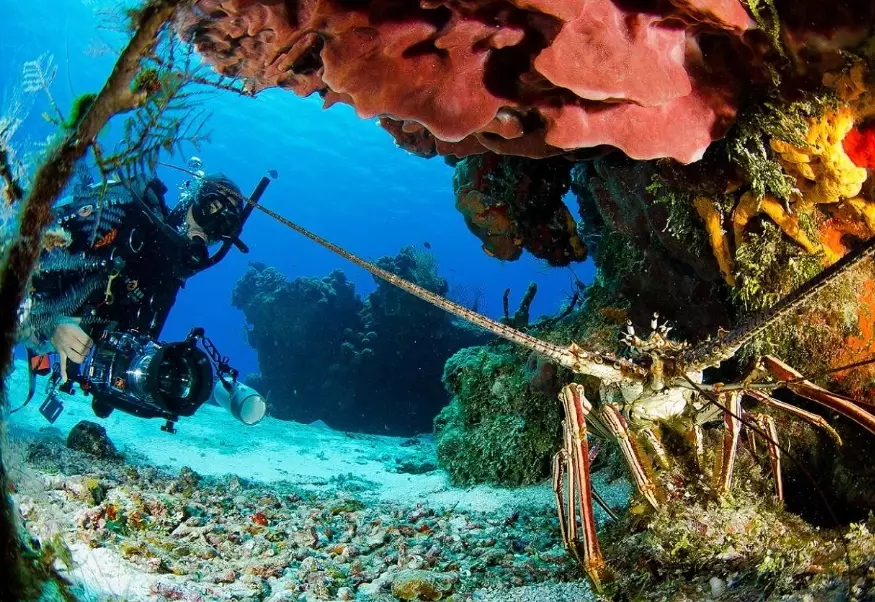
Your Mexico Diving Season Questions, Answered
I get asked these all the time. Let's tackle them head-on.
When is the absolute worst time to dive in Mexico?
There's no single "worst" time for the whole country, but there are risky windows per region. I'd be most hesitant to plan a critical, non-refundable dive trip to the Caribbean coast during the peak of hurricane season, from mid-August through September. Similarly, for Socorro liveaboards, the trips don't even run in the off-season (summer), so it's a moot point. The Pacific coast can be windy and rough in winter, making some sites inaccessible.
Is the diving still good during the rainy season?
Yes, often! Rain is usually short, intense bursts. It affects surface conditions and runoff near shore, but most boat dive sites are far enough out that underwater visibility isn't heavily impacted. The bigger issue is the associated cloud cover and wind, not the rain itself. I've had brilliant sunny dives five minutes after a downpour.
We're planning a family trip where only some dive. What's best?
This is a common dilemma. You need a balance of good diving and good topside activities for non-divers. The Riviera Maya/Cancun area during the April-July sweet spot is perfect. Divers get great conditions, and non-divers have plenty of beach, cenote, and cultural activities with reliably pleasant weather. Resorts are also fully operational.
How far in advance should I book?
For popular liveaboards (Socorro) or during peak season (Christmas, March Break), book 6-12 months ahead. For regular resort diving in the Caribbean during shoulder season, 3-4 months is usually safe. Last-minute deals can be found, but you limit your options.
Beyond the Season: Final Tips for an Epic Trip
Picking the right Mexico diving season is 80% of the battle. Here's the other 20%.
Check Operator Schedules: Some smaller, specialty operators in certain regions (like Baja) might have shorter seasons than the general region. Always confirm directly.
Think About Conservation: Our presence has an impact. Choose operators committed to sustainable practices. Look for those who enforce no-touch, no-glove policies, use mooring buoys, and support local marine parks. The health of these sites depends on it. Organizations like Healthy Reefs Initiative provide great reports on the Mesoamerican Reef's health.
Get the Right Insurance: This is non-negotiable, especially if diving in remote areas or during storm season. Ensure your policy covers scuba diving to the depths you'll be going and includes emergency evacuation. DAN (Divers Alert Network) is the gold standard.
Embrace Flexibility: The ocean is in charge. Dive days get canceled for weather, animals don't always show up on cue. Have a backup plan—maybe a cenote dive if the ocean is rough, or a topside exploration day.
At the end of the day, there's no "bad" time to be underwater in Mexico. There are just times that are better for what you specifically want to see and do.
So, don't just search for "Mexico diving season." Ask yourself: What's my dream dive? Is it floating effortlessly over a coral wall in Cozumel? Is it locking eyes with a curious sea lion in Baja? Or is it the adrenaline of seeing a school of hammerheads materialize from the blue in Socorro?
Find that image. Then, match it to the calendar. That's how you find your perfect season.
Your comment