What You’ll Find Inside
Let's be honest, when most people think of Cancun, they picture all-inclusive resorts, spring break parties, and crowded beaches. I did too, before I actually went there and looked beneath the surface. Literally. My first time scuba diving in Mexico Cancun was almost by accident – a friend dragged me on a "tourist trap" reef trip. I expected to be underwhelmed. I was completely wrong.
The water was clearer than any swimming pool, and the life... it was like someone had turned the color saturation up to maximum. That initial dive off Punta Nizuc hooked me. But here's the thing most blogs and brochures don't tell you right away: the reefs near the hotel zone are just the appetizer. The real feast of scuba diving in Mexico Cancun happens when you venture further out to the open ocean reefs, or better yet, inland to the jungle. That's where you find the stuff that makes this place truly world-class.
This guide isn't just a rehash of dive shop pamphlets. It's the culmination of multiple trips, conversations with local dive masters (some good, some... less so), and a few lessons learned the hard way. We'll peel back the layers of Cancun's underwater world, from the famous to the secret, and give you the real talk you need to plan an unforgettable trip.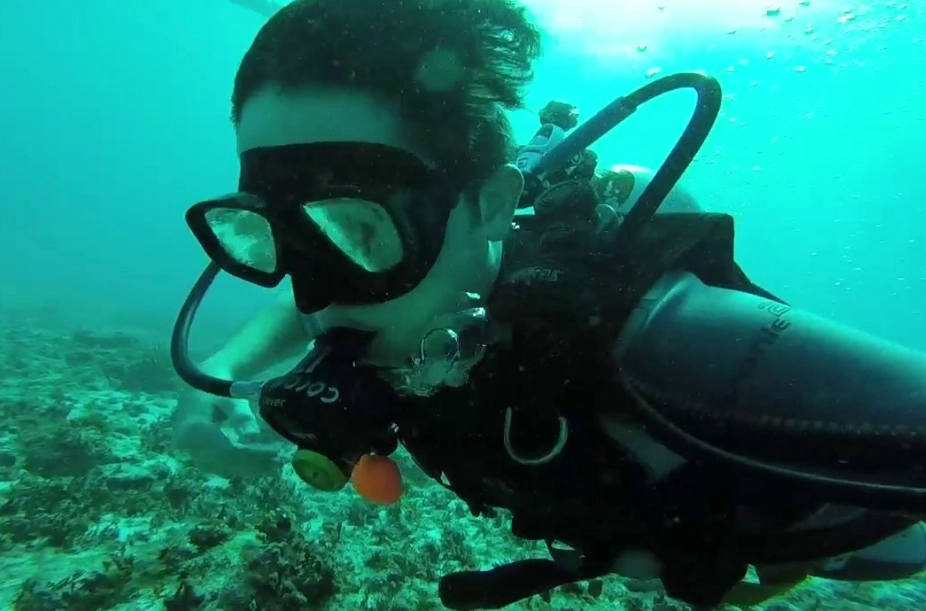
The Three Faces of Cancun Diving: Reef, Cenote, Shark
You can't talk about scuba diving in Cancun without understanding its three distinct personalities. It's like visiting three different countries in one trip.
The Mighty Mesoamerican Barrier Reef
This is the big one. The second-largest barrier reef system on the planet runs right along the coast of the Riviera Maya. In Cancun, you're mostly diving on the northern stretches of it. The reefs here are divided into two main sections: the nearshore reefs (like El Meco, Punta Nizuc) and the offshore reefs (like Cuevones, La Bandera). The nearshore sites are shallower, calmer, and perfect for beginners or checking your buoyancy on a first dive. They're beautiful, don't get me wrong, full of colorful parrotfish, angelfish, and the occasional turtle. But they can get busy.
Local Insight: The offshore reefs, a 45-60 minute boat ride away, are where the magic happens. The water is often even clearer, the coral formations are more dramatic with swim-throughs and canyons, and the pelagic action picks up. You have a much better chance of seeing eagle rays, bigger schools of fish, and even the odd nurse shark napping under a ledge. The effort to get out there is almost always worth it.
The Alien World of the Cenotes
This is what sets the Yucatan Peninsula apart from virtually every other dive destination on Earth. Cenotes (say-noh-tays) are natural sinkholes formed when limestone bedrock collapses, revealing hidden groundwater caves and caverns. Diving here is nothing like ocean diving. It's freshwater, for starters. The visibility is absurd – often 100 meters or more. The light plays through cracks in the ceiling, creating god-ray effects that look photoshopped (they're not). You'll see surreal rock formations, ancient fossil beds, and layers of freshwater and saltwater that create a hazy "halocline" effect that messes with your vision.
Now, a crucial distinction: Cavern diving vs. Cave diving. Most recreational divers (including you, hopefully) will only do cavern dives. This means you are always within the ambient light zone and in direct sight of the entrance. It's breathtakingly safe when done with a proper guide. Full cave diving is a highly technical, specialized certification. Don't let any operator talk you into a cave dive without the proper credentials. The cenotes near Cancun, like the famous Jardín del Edén (El Eden) or Chac Mool, offer incredible cavern experiences. The silence is profound. It feels sacred.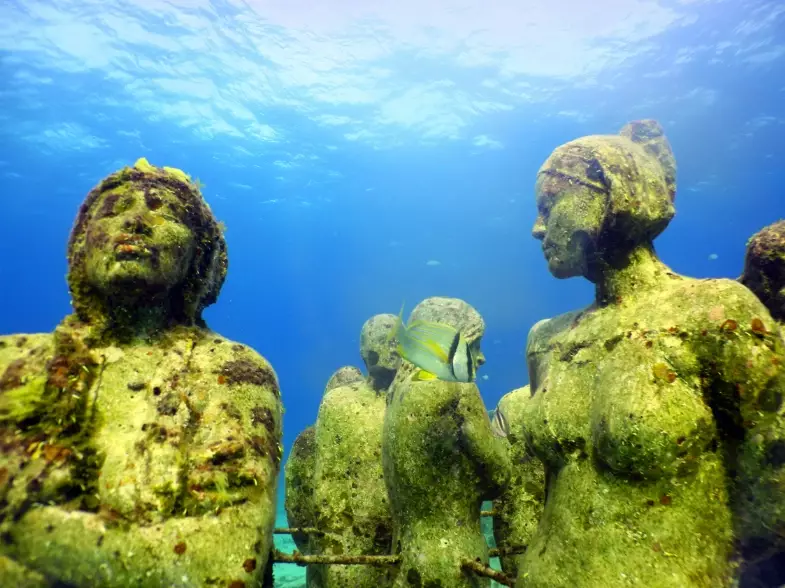
My first cenote dive was in Dos Ojos. I remember floating over a precipice, looking down into absolute darkness below me, while a beam of sunlight lit up a cathedral-like chamber ahead. It was equal parts awe-inspiring and humbling. You feel tiny in there. It's a must-do, but it demands respect and perfect buoyancy control – you don't want to kick up silt and ruin the visibility for everyone.
The Bull Shark Season Thrill
From roughly late November to early March, the waters around Cancun, particularly near Isla Mujeres and the Playa Hotel Zone, welcome a special visitor: the bull shark. These are not the languid nurse sharks you see snoozing on the sand. Bull sharks are robust, powerful animals with a, let's say, formidable reputation. Diving with them is a controlled, organized event. Operators use a specific site, often a sandy area at around 20-25 meters, where they attract the sharks with scent (usually a sealed container of bait).
You kneel on the sand in a semi-circle behind the divemaster, and the sharks (anywhere from 3 to 15 of them) cruise in. It's a pure adrenaline rush. Their sheer size and presence are unforgettable. This is an advanced dive, not just because of the depth, but because you need to be completely calm, maintain perfect position, and handle yourself in a potentially intense situation. If you're an experienced diver looking for a unique predator encounter without going to the middle of the Pacific, this is it. Is it safe? With a reputable, professional operator, the risk is managed to an extremely low level. But you have to listen to the briefing. Every single word.
Planning Your Cancun Dive Trip: The Nitty-Gritty
Okay, so you're sold on the idea. How do you actually make it happen without getting ripped off or ending up on a crowded, rushed boat? Let's break it down.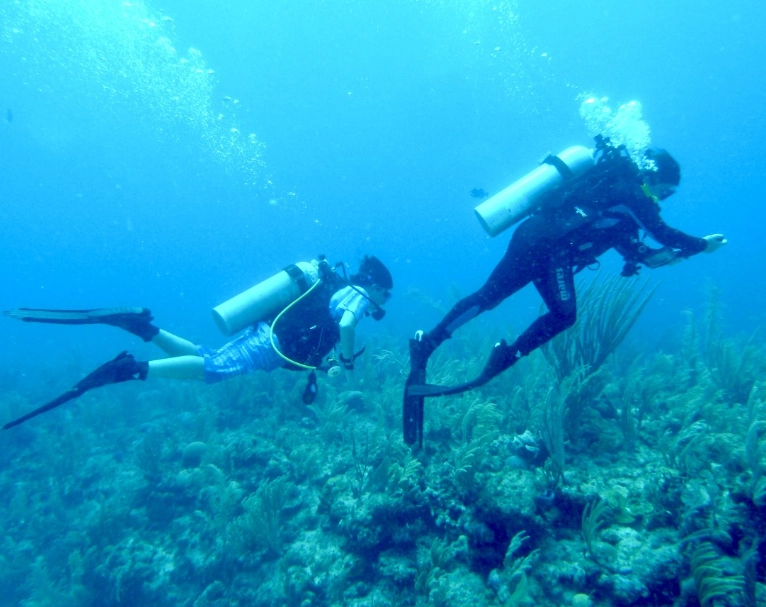
When to Go (It's Not Just About Weather)
You can dive in Cancun year-round. But "can" and "should" are different.
- High Season (Dec-April): Best weather, driest days, calmest seas. Also the most expensive and crowded. Water temps are pleasant (mid-70s to low 80s F). Bull shark season is in full swing. Book everything well in advance.
- Shoulder Season (May-June, Oct-Nov): My personal favorite. The crowds thin, prices drop a bit, and the weather is still very good. May and June start to get warmer. October and November are riskier for the tail end of hurricane season, but you often get the reef to yourself.
- Low Season (July-Sept): Hot, humid, and the official hurricane/rainy season. This doesn't mean it rains every day, but afternoon storms are common. The sea can be rougher, and some operators may cancel trips. The upside? The lowest prices and fewest tourists. The water is bathwater warm. It's a gamble that can pay off big.
Picking a Dive Operator: Don't Just Click "Book Now"
This is the single most important decision for your scuba diving in Mexico Cancun experience. The difference between a great operator and a mediocre one is night and day.
Red Flags to Watch For: Operators that promise "guaranteed" animal sightings, have prices significantly lower than everyone else (you get what you pay for), use old or poorly maintained boats, or try to sell you a cave dive without asking for cave certification. Also, be wary of shops that herd 10+ divers with one guide. A good ratio is 4:1 or 6:1 max.
Look for operators that are affiliated with major agencies like PADI, SSI, or NAUI. Check their reviews on multiple platforms (Google, TripAdvisor). But go beyond the stars – read the detailed reviews. Look for comments about boat size, guide-to-diver ratio, safety procedures, and how they handle problems. A good question to ask when you email them: "What is your maximum group size per guide?" and "What is your procedure if a diver has equalization problems on the first dive?" Their answers will tell you a lot.
Many of the absolute best operators aren't the ones with the flashiest hotel kiosks. They're smaller, locally-owned shops run by passionate divers. They might not have a fancy website, but they know the reefs like the back of their hand. I've had incredible days with small ops where the divemaster pointed out tiny seahorses and rare nudibranchs I would have never seen otherwise.
Courses and Certifications
Cancun is a fantastic place to learn to dive. The warm, generally calm waters of the nearshore reefs are ideal for confined training. Every major agency is represented. If you're doing your Open Water certification, expect it to take 3-4 days. A popular and highly recommended option is to do the theory and pool work at home (via e-learning and a local pool), then do your "open water check-out dives" in Cancun. This saves precious vacation time.
For certified divers, the advanced courses are a great way to structure your diving. The Advanced Open Water course often includes a deep dive (perfect for those offshore reefs), a navigation dive, and maybe a night dive or drift dive. The Enriched Air Nitrox certification is also super useful here, giving you longer bottom times, especially on repetitive diving days.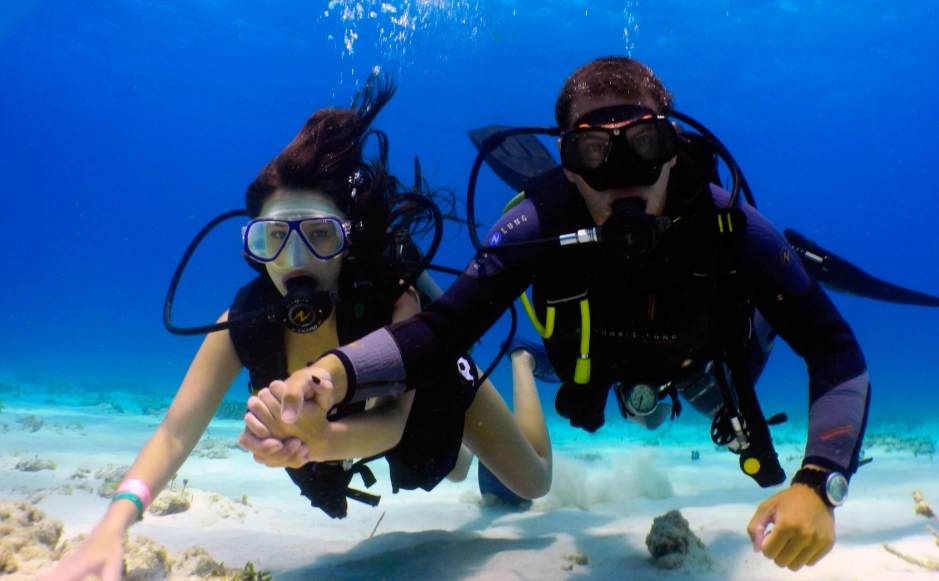
The Money Talk: What Does Scuba Diving in Cancun Really Cost?
Let's get practical. Budgeting can be tricky because prices vary wildly. Here's a realistic breakdown for 2024.
| Item | Approximate Cost (USD) | Notes & Tips |
|---|---|---|
| Two-Tank Reef Boat Dive | $90 - $150 | Price depends on boat (fast vs. slow), site (nearshore vs. offshore), and inclusions (lunch, drinks, gear). Offshore trips cost more. |
| Cenote Cavern Dive (Two Tanks) | $120 - $180 | Includes park entrance fees (which can be $15-25 alone), guide, tanks, weights. Gear rental is usually extra. Transportation from Cancun may also be extra. |
| Bull Shark Specialty Dive | $140 - $220 | Usually a single-tank dive due to depth. Includes the specialized guide and setup. Often requires proof of Advanced certification or deep dive experience. |
| Full Open Water Certification | $450 - $650 | All-inclusive price for the full course. E-learning referral options are cheaper. |
| Advanced Open Water Course | $350 - $500 | Typically 5 adventure dives over 2-3 days. |
| Daily Gear Rental (BCD, Regulator, Wetsuit) | $25 - $40 | Many dive packages include gear. Always inspect rented gear yourself. |
Don't forget to budget for tips. It's standard to tip your dive guide/boat crew. A good rule of thumb is $5-10 per tank, per diver. If the crew went above and beyond (found amazing critters, helped you a lot), consider more.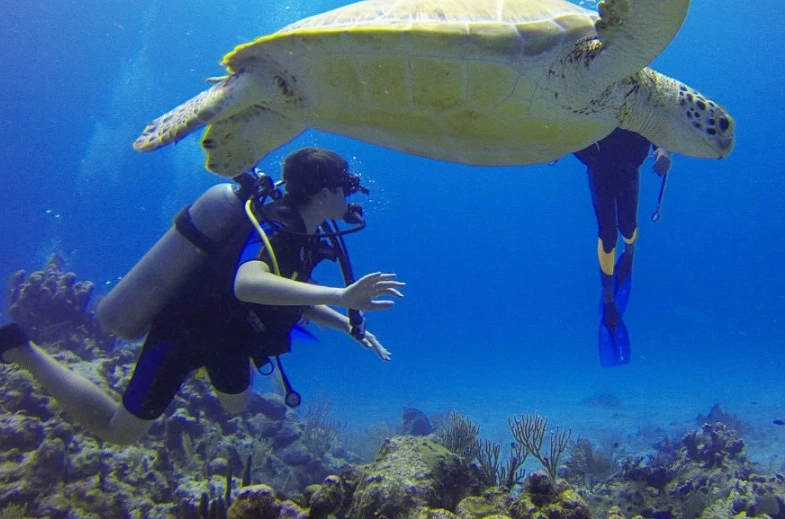
Safety, Health & The Little Annoyances (Let's Be Real)
Scuba diving is incredibly safe when done correctly. But Cancun has its own quirks.
- Decompression Sickness: There are recompression chambers in the area, like the one operated by the Mexican Navy (SEMAR) in Puerto Morelos. Reputable dive operators know the protocols. Having dive insurance like DAN (Divers Alert Network) is non-negotiable in my book. It covers emergency evacuation and treatment. Their website (diversalertnetwork.org) is an authority on dive safety.
- Sun and Hydration: This sounds basic, but it's the number one reason people feel terrible on a dive boat. The sun is brutal. Rehydrate with water, not just soda or beer. Wear a rashguard or wetsuit, even a thin one, for UV protection. Getting dehydrated can increase your risk of decompression sickness.
- The Boat Ride: Those trips to the offshore reefs can be choppy. If you're prone to seasickness, take medication before you feel sick. The boat bathrooms are... functional at best. Manage your expectations.
- Marine Life: Don't touch anything. Seriously. Fire coral gives a nasty sting. Sea urchin spines are no fun. The reef is fragile. Practice good buoyancy from the start.
Pro Tip for Buoyancy: Do a "check-out" dive on a shallow reef site on your first day, even if you're experienced. It lets you adjust your weights in the warm, buoyant Caribbean water (you'll likely need less lead than in colder water) and get your trim dialed in before hitting the deeper or more sensitive sites.
Wrapping It Up: Making the Decision
So, is scuba diving in Mexico Cancun worth it? For me, the answer is a resounding yes, but with a big asterisk. The * is this: you have to look beyond the obvious. If you just book the cheapest reef trip from your hotel lobby, you'll have a fine time. You'll see pretty fish and warm water. But if you do a little homework, pick the right operator, and make the effort to experience a cenote or time your trip for the bull sharks, you'll unlock something extraordinary.
It's a destination that caters to everyone – the nervous first-timer, the photography nerd, the adrenaline junkie, and the geology lover. The key is to match your expectations and effort to the experience you want. Don't rush. Plan to do a mix: maybe a shallow reef day, a deep offshore day, and a cenote day. Talk to the guides. Ask questions. Look closely at the reef, not just for the big stuff, but for the tiny, weird creatures hiding in the nooks.
My last piece of advice? Bring a good reef-safe sunscreen, a sense of adventure, and leave any preconceptions about Cancun being just a party town on the surface. The real party, the quiet, awe-inspiring one, is happening about 60 feet below.
Your comment