Explore the Guide
Let's be honest, the first time someone suggested I go cave diving in Mexico, I pictured something out of a horror movie. Dark, tight, creepy. Why would anyone choose that over the open ocean? Then I saw a photo of a cenote – this shaft of sunlight cutting through crystal clear water, illuminating ancient rock formations and tree roots reaching down like fingers. My mind was blown. That's the thing about Mexico's diving caves. They're not what you think. They're portals to another world, and honestly, they've ruined regular reef diving for me a little bit.
The Yucatan Peninsula is basically a giant slab of limestone. Over millions of years, rainwater seeped through, dissolving the rock and creating a vast, intricate network of flooded caves and sinkholes, known locally as cenotes. This isn't just one or two dive sites. We're talking about one of the most extensive and accessible cave diving systems on the planet. For divers, it's like finding the holy grail.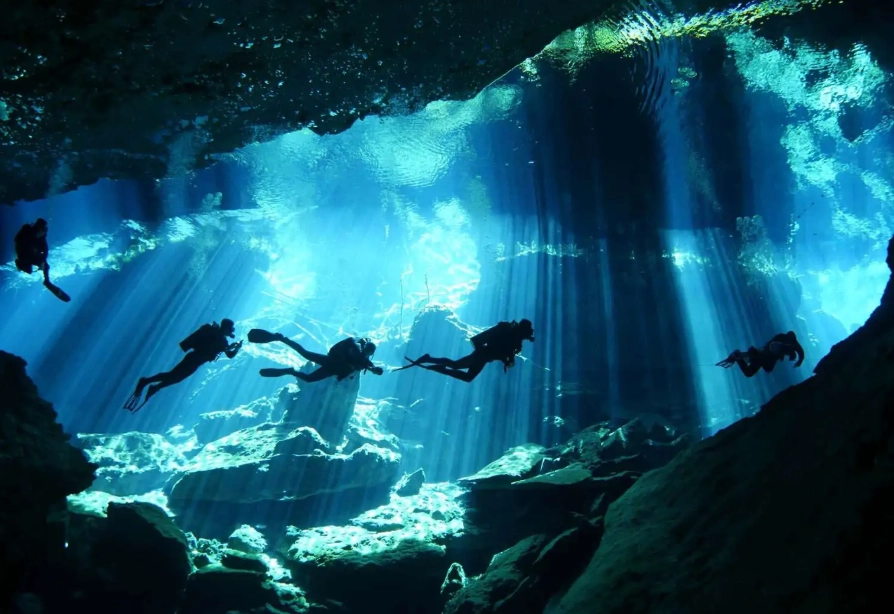
Quick Reality Check: This isn't a "try it once" kind of activity. Proper cave diving in Mexico requires specialized training, redundant equipment, and a guide who knows the tunnels like the back of their hand. This guide is for anyone curious, from the open water diver dreaming of their first cenote dip to the experienced caver looking for their next challenge.
Why Are Mexico's Cave Diving Spots So Special?
You can find caves elsewhere, sure. But Mexico's offerings have a unique cocktail of features that makes them a global magnet. First, the water visibility is insane. Often exceeding 100 feet (30 meters), it's like floating in air. The filtration through limestone strips away particles, leaving behind liquid gin. Then there's the halocline – a surreal layer where fresh water meets salt water, creating a shimmering, blurry distortion that feels like diving through a mirage.
The geology is the star. Stalactites and stalagmites that formed in dry air thousands of years ago now sit submerged, creating underwater cathedrals. You'll swim past fossilized remains of mastodons and other prehistoric creatures, a stark reminder you're exploring a ancient, dry cave system that flooded after the last ice age. The play of light is something else. At the right time of day, sunbeams pierce through jungle openings, creating spotlights on the cave floor that are pure magic for photographers.
But here's a personal gripe. The popularity of spots like Dos Ojos or Gran Cenote means they can get crowded, especially around midday with snorkeling tours. It can pull you out of the moment. The real magic, I've found, happens on deeper, less-visited routes or at smaller, family-run cenotes. The silence down there is absolute, broken only by your bubbles.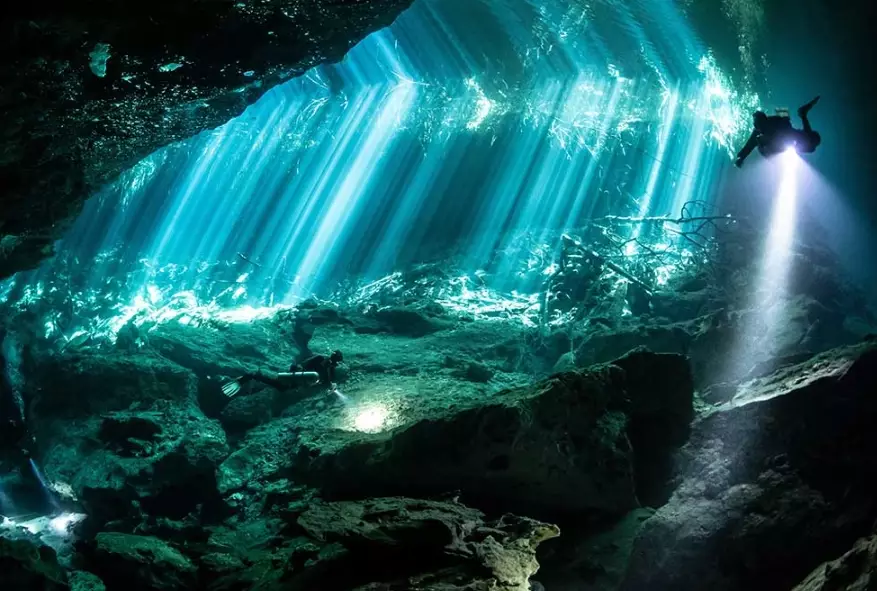
The Big Hitters: Major Mexico Cave Diving Systems
Most of the action is centered around three main areas along the Riviera Maya. Each has a different personality.
The Sac Actun System (Near Tulum)
This is the big daddy. As of my last check, Sac Actun is recognized as the world's longest underwater cave system, with over 263 miles (423 km) of mapped passages. It's a behemoth. Dives here often start in cenotes like Carwash (Aktun Ha) or Dos Ojos. Dos Ojos is famously beginner-friendly, with its "Two Eyes" caverns offering breathtaking, well-lit routes like the Barbie Line (all about light and formations) and the Bat Cave (exactly what it sounds like). It's a perfect, gentle introduction.
But Sac Actun has endless advanced sections. The Pit, a deep cenote, drops down to about 130 feet (40m) where you find a hydrogen sulfide cloud layer that looks like floating, ghostly fog. Below it, the water clears again. It's an otherworldly, slightly spooky experience. This system connects to dozens of cenotes, meaning your dive could start in one opening and end in another a kilometer away.
The Dos Ojos System
Often talked about as part of Sac Actun, Dos Ojos is so iconic it deserves its own mention. It's probably the most photographed cave diving site in Mexico. The main allure is accessibility. The cavern zones are shallow, bathed in light, and absolutely stunning. It's where most people get their first taste of what Mexico diving caves are all about. You don't need full cave gear here—a guided cavern dive is sufficient. It's a confidence builder. But remember, just beyond those sunlit zones lie miles of complex cave passage. Don't even think about peeking in without the proper training and guide.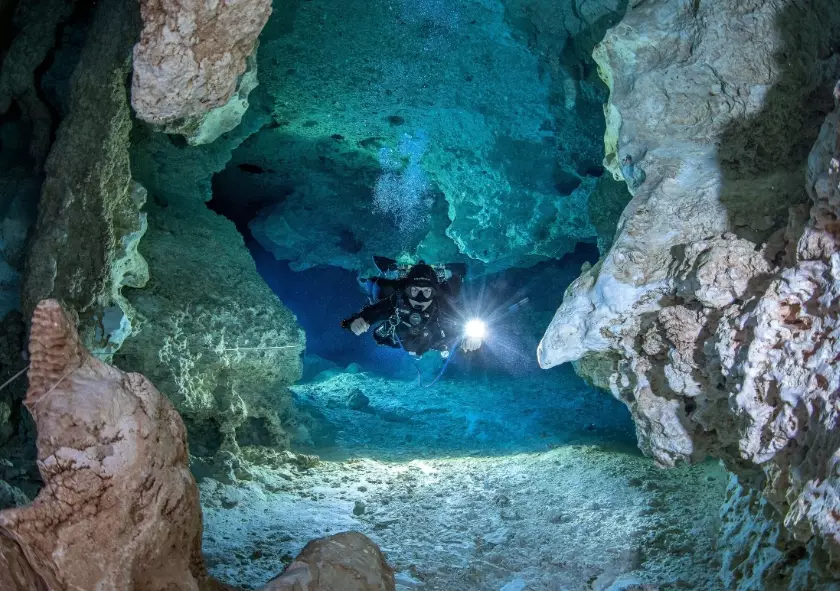
The Nohoch Nah Chich / Sistema Ox Bel Ha Area
This is a labyrinthine network south of Tulum. Sites like Temple of Doom or Carwash Cenote offer incredible variety. Carwash is interesting because it was literally used to wash taxis! It's a shallow, sun-drenched cenote with lush aquatic plants, but it's also the gateway to deep, dark tunnels. These systems feel a bit more raw and less polished than Dos Ojos, which I prefer. You're more likely to have a cenote to yourself here on an early morning dive.
Here’s a quick breakdown of what to expect at some key sites:
| Site Name | Best For | Key Feature | Skill Level Suggestion |
|---|---|---|---|
| Dos Ojos | First-timers, Photography | Brilliant light beams, iconic caverns | Open Water Diver (Cavern Tour) |
| The Pit | Advanced Divers, Depth | Deep drop, hydrogen sulfide layer | Advanced OW / Deep Diver (with guide) |
| Carwash (Aktun Ha) | Variety, Macro Life | Shallow garden & deep cave entrance | Open Water to Cave Diver |
| Calavera (Temple of Doom) | Adventure, Formations | Tight-ish passages, stunning geology | Cavern / Intro to Cave+ |
| Angelita | Unique Phenomenon | Underwater "river" (halocline) with trees | Advanced OW Diver |
Choosing your first cenote is half the battle. Talk to your guide about what you want to feel—awe, thrill, or pure tranquility.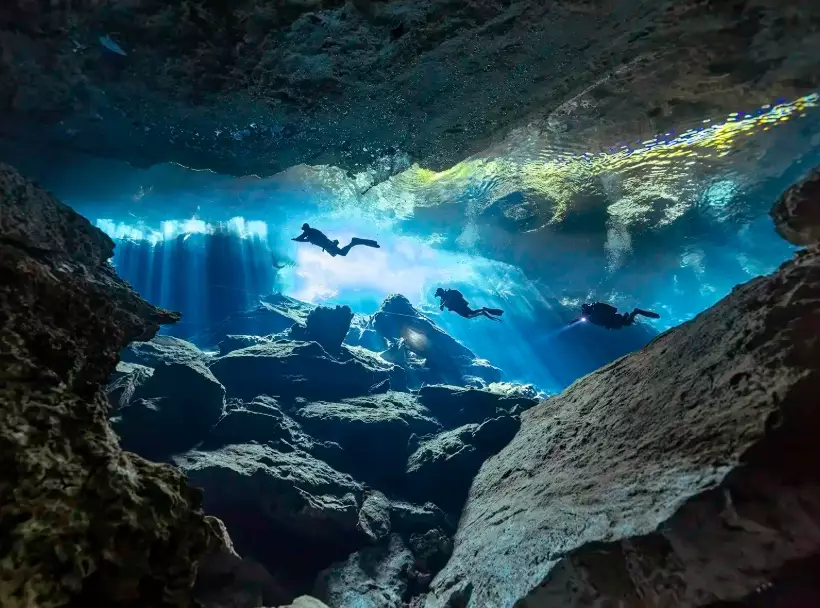
It's Not a Theme Park: Skills, Training & The Right Mindset
This is the most important part of the article. Diving in Mexico's caves is not an extension of your open water certification. The overhead environment changes everything. There's no direct ascent to the surface. Your air management needs to be flawless. Navigation is critical. One wrong turn in a silt-out (when you kick up the fine silt on the bottom) can be disastrous.
Let me be blunt: Attempting to dive beyond the cavern zone (where natural light is always visible) without proper cave training is a leading cause of fatal diving accidents. It's not a test of bravery; it's a test of stupidity. The community here is tight-knit and serious about safety for a reason.
So, how do you do it right?
Start with a Cavern Diver specialty course. This allows you to explore the sunlit zones, always within 130 feet (40m) of the surface and within the continuous sight of the entrance. It's a fantastic way to learn basic line-handling, buoyancy control in an overhead, and light use. Most reputable dive shops in Playa del Carmen or Tulum offer these.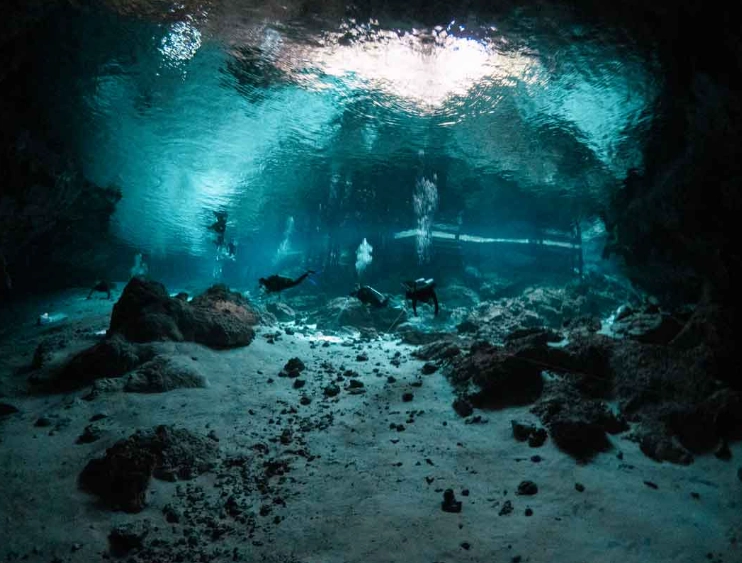
For the real deal—venturing into the dark—you need a full Cave Diver certification from an agency like GUE, IANTD, or TDI. This is a multi-course progression (often Intro to Cave, then Full Cave) involving dozens of training dives. You'll learn complex navigation, gas management protocols (like the rule of thirds), and emergency procedures. It's demanding, expensive, and absolutely necessary. Don't shop for the cheapest option; shop for the most respected instructor.
Pro Tip from a Local Guide I Dived With: "Your buoyancy is your first test. If you can't hover in open water without moving your hands or fins, you're not ready for a cave. You'll destroy the visibility and annoy everyone. Master that trim first." He was right. I spent a whole afternoon just practicing hovering before my first cavern dive, and it was the best time I ever invested.
The Non-Negotiable Gear List
Regular recreational gear won't cut it for technical cave diving in Mexico. You need redundancy for everything critical.
- Two Independent Regulators: On a long hose (7ft) for air sharing and a short hose for your backup.
- Double Tanks or a Sidemount Rig: Sidemount (tanks on your sides) is incredibly popular here as it's easier to navigate tight passages. It's almost the default configuration for serious Mexico cave diving.
- At Least Three Lights: A primary canister light and two backup lights. You never dive with just one.
- Reels and Spools: For laying and following your guideline back to the entrance. This is your literal lifeline.
- Exposure Protection: The water is a constant 77°F (25°C), so a 5mm wetsuit is usually perfect. You'll be still a lot, so you get cold faster than on a reef.
Planning Your Mexico Cave Diving Trip: The Logistics
Okay, you're sold. How do you make it happen?
When to Go: The season is year-round. Dry season (Nov-Apr) has less rain, so cenote water might be slightly clearer. But rainy season (May-Oct) means fewer crowds and lusher jungle. I went in September and had sites to myself, though we did have one surface rain shower during a dive entry. It added to the adventure.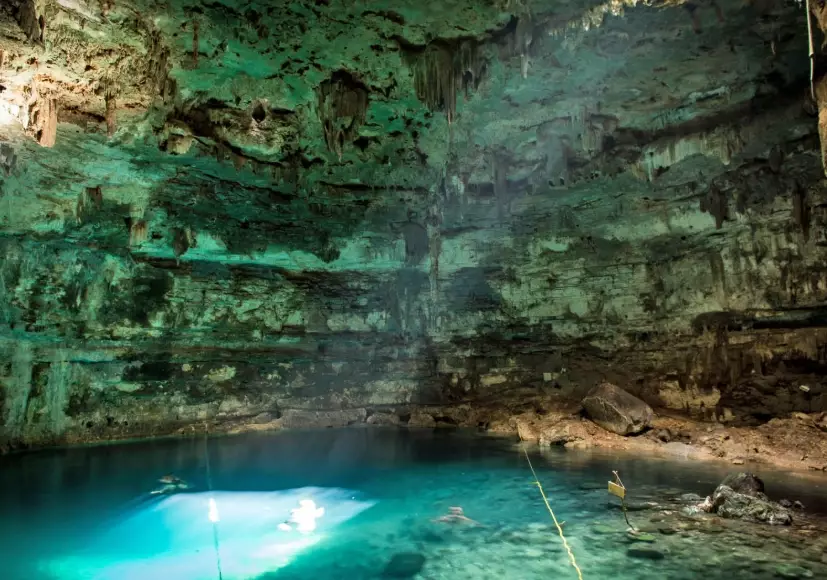
Where to Base Yourself:
- Playa del Carmen: Central, tons of dive shops, great for accessing northern cenotes and the ocean.
- Tulum: Closer to the major cave systems like Sac Actun. More laid-back, boho vibe. This is ground zero for the hardcore cave diving community.
- Cozumel: Primarily for ocean diving, but some operators will run day trips to the mainland cenotes. Not ideal if caves are your sole focus.
Choosing an Operator: This is crucial. Look for shops that specialize in cave and technical diving, not just tourist cenote tours. Check their safety records, ask about instructor certifications, and read reviews from experienced divers. Organizations like the National Speleological Society Cave Diving Section (NSS-CDS) or Global Underwater Explorers (GUE) have directories of trained professionals. The Mexican government's tourism site, Visit Mexico, also has general safety and travel info for the region.
I made the mistake of booking with a "cheap" shop once. The guide rushed us, the briefing was vague, and the equipment was tired. I cut the dive short. The next day, I paid double with a specialist shop. The difference was night and day—detailed briefings, pristine gear, a guide who pointed out tiny fossils and explained the geology. Worth every extra peso.
Answering Your Burning Questions (FAQs)
Let's tackle some stuff you're probably Googling at 2 AM.
The Final Bubbles
Diving the caves of Mexico isn't just another dive log entry. It's a transformative experience. It demands respect, preparation, and humility. You're not a tourist down there; you're a guest in a fragile, ancient space.
Start with a cavern tour. See if the silence and the light speak to you. If they do, and you feel the pull to explore further, commit to the training. The community of cave divers in Mexico is among the best in the world—knowledgeable, passionate, and fiercely protective of their underwater cathedrals. Tap into that knowledge.
From the iconic sunbeams of Dos Ojos to the deep, misty mystery of The Pit, the range of experiences within Mexico's cave diving landscape is staggering. It rewards the patient, the prepared, and the respectful. So, get your buoyancy dialed in, find a good guide, and go see for yourself what lies beneath the jungle floor. Just remember, look but don't touch—those formations took millennia to grow. Safe diving.
Your comment