Dive Guide Highlights
- Why Mexico is a Diver's Dream (And Sometimes a Headache)
- The Top Contenders: Where to Find the Best Diving in Mexico
- How to Choose Your Best Diving in Mexico Spot (A Practical Table)
- Timing is Everything: When to Go for the Best Conditions
- Answering Your Burning Questions (The FAQ Section)
- Making it Happen: Final Tips Before You Book
Let's be honest, when you think of world-class diving, Mexico just keeps popping up, doesn't it? You've probably seen those impossibly blue water photos from Cozumel or heard whispers about diving in caves filled with light beams. But with so much coastline and so many options, figuring out where to go for the absolute best diving in Mexico can feel overwhelming. Is it the Caribbean side with its warm, calm waters and turtles? The Pacific with its big animal action? Or those mysterious inland cenotes?
I've been diving here for years, hopping between coasts, and I've had my share of both breathtaking moments and a few letdowns. This guide isn't just a list. It's meant to cut through the noise and help you find your kind of perfect dive, whether you're a newbie putting on a BCD for the tenth time or a seasoned pro looking for a new thrill.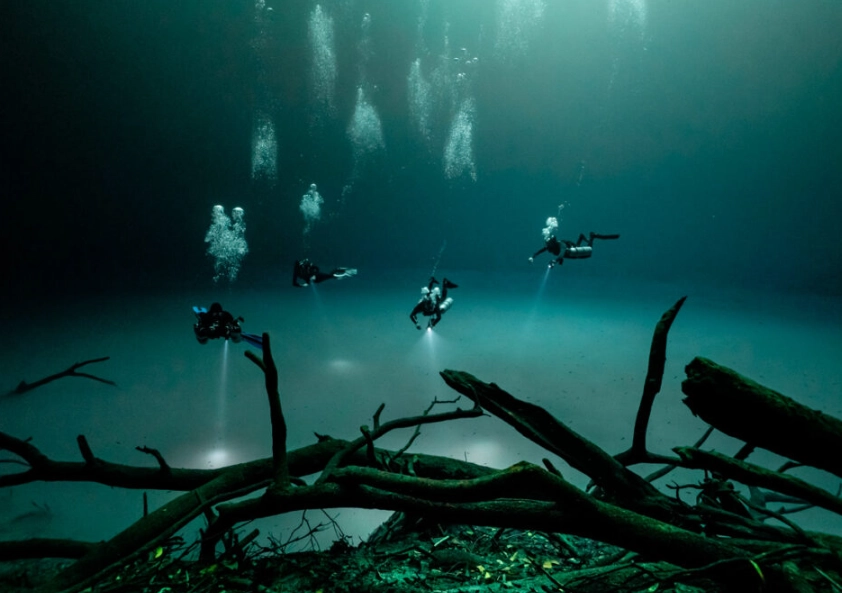
The Quick Take: Mexico offers two radically different diving worlds. The Caribbean (Quintana Roo) is your postcard-perfect reef diving—warm, clear, full of color and life. The Pacific (Baja California, Revillagigedo) is wilder, colder, and about epic pelagic encounters. And then there are the cenotes, which are in a league of their own. The "best" spot entirely depends on what you're after.
Why Mexico is a Diver's Dream (And Sometimes a Headache)
The diversity is just insane. Where else can you drift over a vibrant coral wall in the morning and then, in the afternoon, descend into a freshwater cavern where sunlight filters through the jungle floor above? Or spend a week swimming with sea lions in playful kelp forests? The logistical ease is a huge plus too. Many of the best diving spots in Mexico are a short flight and a quick boat ride away from major airports, with infrastructure that ranges from rustic dive shacks to full-blown luxury liveaboards.
But when you get it right, it's pure magic. The water is warm enough that a 3mm wetsuit often suffices (except in the Pacific, where you'll want a 5mm or 7mm). The marine life is used to people, often making for great encounters. And let's not forget the post-dive tacos and cold cerveza—a ritual that somehow makes the diving even better.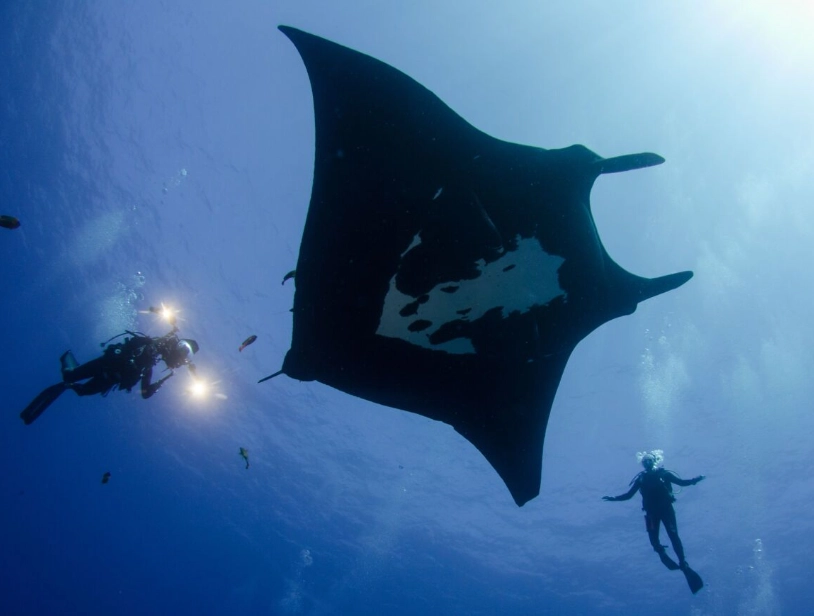
The Top Contenders: Where to Find the Best Diving in Mexico
We need to break this down by region, because they're so different. Trying to compare Cozumel to Socorro is like comparing a serene forest hike to climbing a mountain.
The Caribbean Crown Jewels: Cozumel & the Riviera Maya
This is where most people start their search for the best diving in Mexico, and for good reason. The Mesoamerican Barrier Reef System, the second-largest in the world, runs right along here. The water is bathwater warm (78-84°F / 25-29°C year-round), visibility often exceeds 100 feet, and the current... well, the current is the whole point in some places.
Cozumel: The undisputed king of Caribbean diving in Mexico. This island is all about the drift dive. You jump in, get carried along by a gentle current, and fly over stunning coral formations like Palancar and Columbia Reefs. It's effortless and mesmerizing. You'll see enormous sponges in yellows and purples, endless schools of grunts and snappers, eagle rays gliding by, and if you're lucky, the occasional turtle or nurse shark napping under a ledge. The town of San Miguel is 100% built around diving, which has pros (everyone speaks "diver") and cons (it can feel touristy).
Playa del Carmen & Tulum: The mainland coast offers a different vibe. The reef is closer to shore, so dives are often shorter boat rides. The big draw here is the bull shark season (roughly November to March), where you can do specialized dives to see these powerful predators. Then, of course, there's the gateway to the cenotes. Playa is a bustling town with a great food scene, while Tulum is more boho-chic (and pricier).
The Pacific Powerhouses: Baja California & Beyond
Swap crystal-clear calm for raw, oceanic power. The Pacific side is for divers who want adrenaline and big animal encounters. The water is cooler (can be as low as 60°F / 16°C in winter), visibility is more variable (anywhere from 30 to 80 feet), but the payoff can be unbelievable.
Sea of Cortez (La Paz & Loreto): Called "the aquarium of the world" by Jacques Cousteau. La Paz is famous for its playful sea lion colonies at Los Islotes. Diving with them is like being in a puppy park underwater—they'll zoom around, blow bubbles in your face, and nibble your fins. You also have a good chance of finding whale sharks (surface snorkeling) from October to April. Loreto offers more remote island diving with healthy reefs. It's quieter and less developed.
Revillagigedo Archipelago (Socorro Islands): This is bucket-list, liveaboard-only territory. Located about 250 miles off the tip of Baja, "Socorro" is Mexico's answer to Cocos Island or the Galapagos. We're talking about guaranteed encounters with giant manta rays (some with wingspans over 20 feet) that will circle you for bubble baths. You'll see hundreds of sharks—silvertips, Galapagos, hammerheads, and sometimes tiger sharks. Dolphins, humpback whales (in season), and huge tuna schools are common. It's not cheap, and the crossings can be rough, but it's arguably some of the most epic best diving in Mexico, period. You need to be an experienced diver with good buoyancy control for this one.
The Unique World: Cenotes of the Yucatán
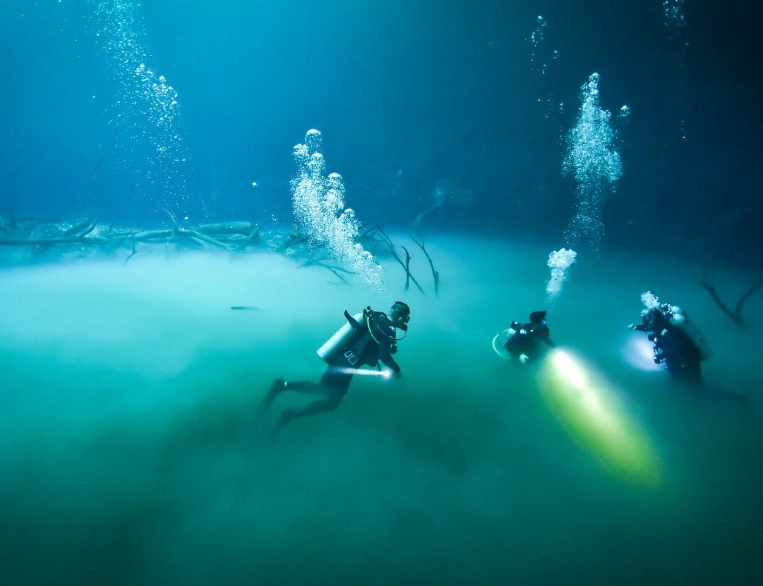
This isn't ocean diving. It's freshwater cave diving, but don't panic—most cenote dives are conducted in the "cavern zone," where you always have direct sight of natural light and the entrance. You need a special guide (a full cave certification is required to go further). The experience is surreal. You dive in crystal-clear freshwater, navigating through caverns adorned with stalactites and stalagmites. Sunlight pierces through holes in the ceiling, creating dramatic light beams ("haloclines" where salt and freshwater meet can create a surreal, blurry effect). It's incredibly peaceful and otherworldly. Popular entry-level cenotes for divers include Dos Ojos, The Pit, and Carwash. It's a must-do to complete the Mexican diving trifecta.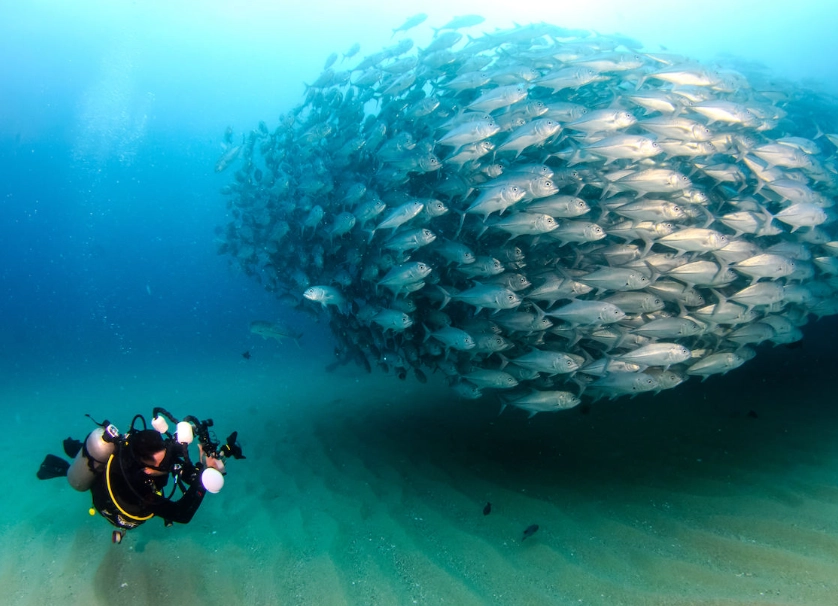
How to Choose Your Best Diving in Mexico Spot (A Practical Table)
Still torn? This might help. Think about what you really want from your trip.
| Destination | Best For | Water Temp & Vis | Marine Life Highlights | Skill Level |
|---|---|---|---|---|
| Cozumel | Easy, scenic drift diving; vibrant coral reefs; relaxed vacation vibe. | Warm (78-84°F). Excellent vis (80-150ft). | Turtles, eagle rays, nurse sharks, massive sponges, schooling fish. | Beginner to Advanced (some deep drifts). |
| Playa del Carmen/Tulum | Combining reef dives with cenotes; bull shark action (seasonal); nightlife/food. | Warm (78-84°F). Good vis (50-100ft). Cenotes: fresh, 70+ ft vis. | Reef life, bull sharks, cenote formations. | Beginner to Intermediate (cenotes require guide). |
| Sea of Cortez (La Paz) | Playful animal interactions; whale sharks; a more "local" Mexican feel. | Cooler (65-80°F). Variable vis (30-70ft). | Sea lions, whale sharks (snorkel), mobula rays, sometimes whales. | Beginner to Intermediate. |
| Revillagigedo (Socorro) | Big animal pelagic action; adventure; bucket-list diving. | Cool (60-75°F). Variable vis (40-80ft). Can be strong currents. | Giant mantas, many shark species, dolphins, humpback whales. | Advanced only. Strong currents, deep, liveaboard. |
| Cenotes | Unique geological formations; amazing light effects; absolute tranquility. | Freshwater, cool (75°F). Phenomenal vis (100ft+). | None (maybe the occasional blind cave fish). It's about the geology. | All levels with a certified guide. Good buoyancy is a must. |
See what I mean? Your perfect match is in there. If you want warm, easy, and colorful, stick to the Caribbean. If you want wild, big, and thrilling, look to the Pacific. And if you want something completely different, a day in the cenotes is unforgettable.
Timing is Everything: When to Go for the Best Conditions
You can dive year-round in Mexico, but the experience changes.
Caribbean Side: The peak season is roughly December to April. This is when the weather is driest and sunniest. But it's also the most crowded and expensive. Summer and fall are warmer, water is calmer, but you have a higher chance of rain and the very small possibility of a hurricane (mostly Sept-Oct). Honestly, I prefer the shoulder seasons (May-June, November). Fewer people, better prices, and the diving is still fantastic.
Pacific Side: For sea lions and whale sharks in La Paz, late summer through spring is best. For the massive pelagics in Socorro, the prime season is November to May, when the ocean is calmer. Winter months can bring humpback whales to both areas.
Answering Your Burning Questions (The FAQ Section)
I get asked these all the time. Let's clear them up.
Q: I'm a new diver with less than 20 dives. Where should I go for the best diving in Mexico?
A: Cozumel, hands down. The conditions are forgiving, the diving is easy and beautiful, and the dive operators are supremely experienced with beginners. Stick to the shallower reefs and communicate your experience level. The cenotes are also accessible with a guide if your buoyancy is decent.
Q: Is diving in Mexico safe?
A: Generally, yes. The dive industry is well-established. However, safety comes down to you and your choice of operator. Always choose a reputable shop—look for PADI 5-Star or SSI recognized facilities. Don't be afraid to ask about their safety protocols, boat equipment, and guide-to-diver ratios. Check their tanks and gear yourself. Your safety is your responsibility too. For official tourism safety info, you can refer to the Mexico Tourism Board website.
Q: How much does it cost?
A: It varies wildly. In Cozumel or Playa, a standard two-tank boat dive can run $90-$130 USD. Cenote dives are similar. In the Pacific, prices are comparable. A 10-day Socorro liveaboard is a different beast, costing $5,000 to $7,000+. Always ask what's included: gear? marine park fees? snacks? tips?
Q: Do I need to speak Spanish?
A: Not for diving. In major dive hubs, all instruction and briefings are available in English (and often other languages). However, learning a few basic phrases is always appreciated and enhances the experience.
Q: What about conservation? Is the reef healthy?
A: It's a mixed bag. Some reefs, like in Cozumel, are protected within a National Marine Park (the CONANP oversees many protected areas), which helps. You pay a park fee, and rules are enforced (no touching, no gloves). You'll see healthy, vibrant sections. But you'll also see areas affected by bleaching, disease, or past hurricane damage. It's a reminder to be a responsible diver—practice perfect buoyancy, use reef-safe sunscreen, and choose operators who prioritize the environment.
Making it Happen: Final Tips Before You Book
Research operators, don't just pick the cheapest.
Read recent reviews on multiple platforms. Look for comments about boat maintenance, guide attentiveness, and group size.
Get dive insurance.
Seriously. DAN or similar. A chamber ride is expensive.
Brush up on your skills.
If it's been a while, consider a refresher course locally or do one your first day. It makes everything more enjoyable.
Pack for both worlds.
A 3mm wetsuit for the Caribbean, a 5mm+ for the Pacific. A reef hook is useful for Socorro. A good dive computer is essential.
So, what's the verdict on the best diving in Mexico?
There isn't one single answer. The beauty of Mexico is that it offers a "best" for every type of diver. For consistent, beautiful, accessible diving that makes you smile, Cozumel is unbeatable. For raw, heart-pounding encounters with ocean giants, save up for Socorro. For a unique blend of reef, cenote, and culture, the Riviera Maya is perfect. And for playful sea lions and a laid-back vibe, La Paz delivers.
The best diving in Mexico is waiting. You just have to decide what kind of story you want to tell when you surface.
Your comment