Dive Highlights: Your Quick Guide
- Why Mexico is a Diving Powerhouse (It's More Than Just Pretty Fish)
- The Best Diving Regions & Sites: A Quickfire Rundown
- When to Go: Seasons, Critters, and Crowds
- I'm a Beginner. Is Mexico Good for Scuba Diving FOR ME?
- Costs, Logistics, and Nitty-Gritty Details
- Common Questions (The Stuff You're Actually Googling)
- The Final Verdict
You've typed that question into Google, haven't you? "Is Mexico good for scuba diving?" Maybe you're staring at cheap flight deals to Cancun, or you've heard whispers about underwater caves and giant mantas. You're wondering if the hype is real or if it's all just clever marketing for all-inclusive resorts.
Let me cut to the chase: Yes. Unequivocally, yes. But not for the single reason you might think. It's not just "good." For many divers, from wide-eyed beginners to grizzled pros with thousands of logged dives, Mexico is a legitimate top-tier destination. It punches way above its weight, offering a ridiculous variety of underwater experiences you'd normally have to hop across three different oceans to find.
Think about it. Where else can you drift along the world's second-largest barrier reef in the morning, then descend into a sun-dappled, freshwater limestone cathedral in the afternoon? Where else can you reliably swim with massive schools of hammerheads, then the next day be surrounded by hundreds of playful sea lions? Mexico packs this all in, often within a few hours' drive.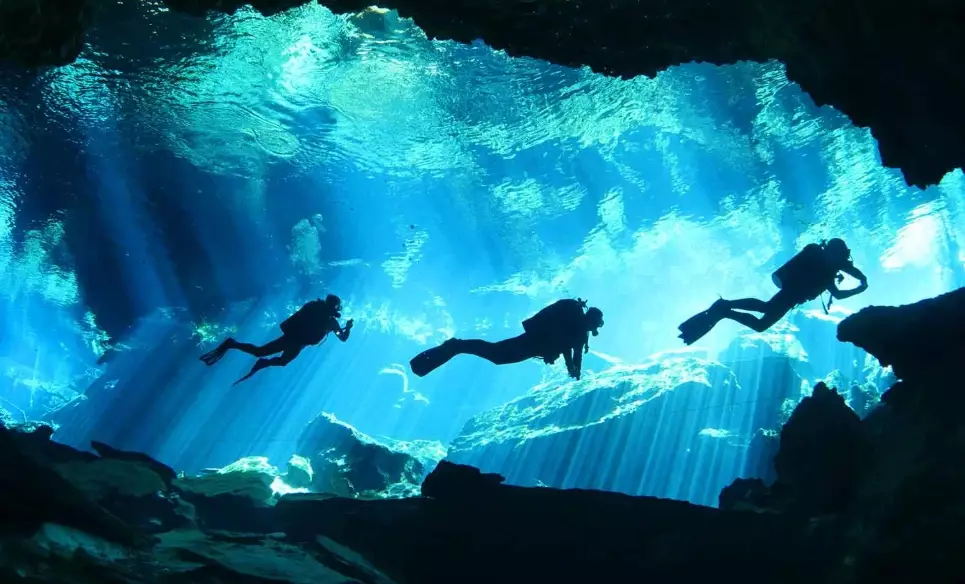
I've been diving here for over a decade, from the chaotic bustle of Cozumel's piers to the silent, eerie depths of a cenote far from any tourist track. I've had blissful, easy dives and challenging, pulse-raising ones. This guide isn't just a rehash of brochure copy. It's the real, detailed, and sometimes opinionated lowdown you need to plan an incredible trip. We'll dig into the where, the when, the how much, and the "oh wow" moments that answer the question "Is Mexico good for scuba diving?" once and for all.
The Short Answer: Mexico is fantastic for scuba diving because of its unique combo of accessible coral reefs (the Mesoamerican Barrier Reef), unique geological formations (cenotes), reliable big animal encounters (sharks, mantas, whalesharks), and infrastructure that caters to every budget and skill level.
Why Mexico is a Diving Powerhouse (It's More Than Just Pretty Fish)
Okay, so we've established it's good. But why? Let's break down the pillars that make it special. It's not a one-trick pony.
The Coral Reefs: The Busy, Bustling Underwater Cities
The star of the show on the Caribbean side is the Mesoamerican Barrier Reef System. It's a living, breathing (well, filtering) organism that stretches over 600 miles. This is where you get your classic, postcard-perfect diving. Think warm, clear water, gentle currents that do the work for you (drift diving is the norm in Cozumel), and landscapes of coral stacked with life.
The health of the reef, like everywhere, has its challenges. Some areas near heavy tourist ports show more wear. But venture to the right spots, particularly in Cozumel's protected marine park or further south near Banco Chinchorro, and the coral coverage and fish density can be breathtaking. You'll see towering elephant ear sponges in shocking shades of orange and purple, giant barrel sponges you could literally hide inside, and schools of blue tang, grunts, and snapper so thick they block the sun.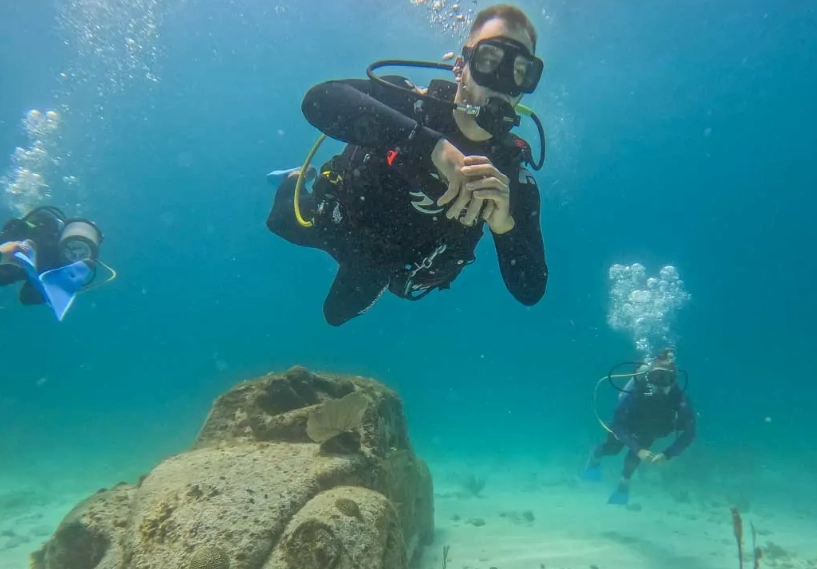
The Cenotes: Mexico's Exclusive Party Trick
This is the clincher for many divers. Nowhere else on the planet offers this on such an accessible scale. Cenotes are natural sinkholes connecting to vast, flooded cave systems. Diving them is nothing like ocean diving. It's freshwater, so you're more buoyant. The visibility is often an absurd 100+ meters. The light plays through cracks in the ceiling, creating god-ray effects that feel spiritual.
But a crucial point: Most recreational divers do cavern diving, not full cave diving. You stay within the "light zone," always in sight of an opening to the surface. It's perfectly safe when done with a specialized guide. Places like Dos Ojos, The Pit, or Angelita (with its eerie hydrogen sulfate cloud that looks like an underwater river) are life-list dives. They answer "Is Mexico good for scuba diving?" with a resounding, unique "Yes, in a way you can't do anywhere else." The official Instituto Nacional de Antropología e Historia (INAH) manages many of these sites as protected cultural and natural heritage areas.
The Big Animal Encounters: Getting Your Adrenaline Fix
Want size? Mexico delivers. The Pacific side is the wilder, cooler, more unpredictable sibling to the calm Caribbean.
- Revillagigedo Islands (Socorro): Called the "Mexican Galapagos," this is bucket-list, liveaboard-only territory. It's for advanced divers. Here, you don't just see mantas; you get investigated by curious, 20-foot-wide giant mantas. You'll see hundreds of hammerheads forming walls in the blue. Dolphins, tunas, and the possibility of whales. It's raw, pelagic action.
- Sea of Cortez (Baja California): A biodiversity hotspot Jacques Cousteau loved. From La Paz, you can dive with playful sea lion colonies. Cabo San Lucas offers thrilling drifts where you might spot mobula rays or schooling jacks.
- Whale Sharks (Caribbean & Baja): Seasonal aggregations, notably near Isla Holbox, Isla Mujeres, and La Paz. Snorkeling only, but an unforgettable experience.
The Best Diving Regions & Sites: A Quickfire Rundown
Let's get practical. Where should you go? This table breaks down the major player.
| Region | Best For | Vibe & Water Conditions | Top Site Example |
|---|---|---|---|
| Cozumel | Beginner to Intermediate divers, Drift diving, Reef life, Easy logistics | Calm, warm (78-84°F), Usually great viz, Strong currents (manageable) | Palancar Reef: Massive coral formations, swim-throughs, turtles, eagle rays. |
| Playa del Carmen / Tulum | Cenote diving, Reef diving, Bull Shark season (Nov-Mar), Shore diving | Calm Caribbean, Cenotes are cool (72-75°F) and have insane viz. | Cenote Dos Ojos: Two connected cenotes, stunning light beams, iconic. |
| Revillagigedo (Socorro) | Advanced/Experienced divers, Big animal pelagic action, Liveaboards | Open ocean, cooler (70-80°F), can be choppy, currents possible. | Roca Partida: A sheer pinnacle in open ocean, swarmed by sharks & mantas. |
| Sea of Cortez (La Paz/Cabo) | Marine mammal lovers, Variety, Water temps vary a lot. | Can be warm or cool (65-85°F), viz varies, nutrient-rich water. | Los Islotes: A sea lion colony where playful juveniles zoom around you. |
My personal favorite? It's a tie. A perfect Cozumel drift dive where you fly like Superman over a reef is pure joy. But the humbling silence of a cenote, watching light filter through 10,000-year-old rock, is an entirely different kind of magic. You really can have both.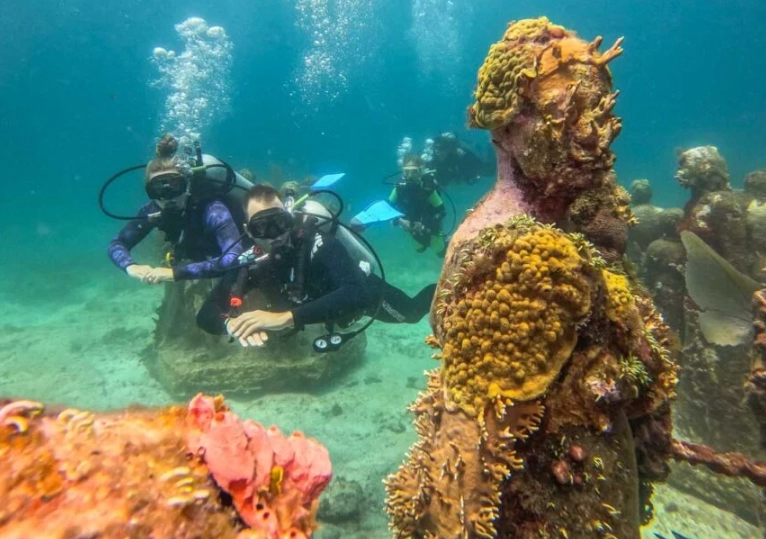
Local Insight: Don't sleep on the less-hyped areas. Mahahual and Xcalak south of Tulum offer incredibly peaceful, low-pressure diving on pristine sections of the reef. Isla Mujeres has wonderful, easy reefs perfect for beginners and is the epicenter of the whale shark season. For official travel and conservation info, the Mexico Tourism Board is a reliable resource.
When to Go: Seasons, Critters, and Crowds
Timing is everything, especially if you have a specific wishlist animal.
- High Season (Dry Season: Dec - April): Best overall weather, calmest seas on Caribbean. Also the most crowded and expensive. Whale Shark season in Caribbean is summer, but this is prime time for Pacific humpback whales and Socorro big animals.
- Shoulder Season (May - June, Oct - Nov): My sweet spot. Fewer people, decent weather, water is warm. Good prices. Caribbean can see some seaweed (sargassum) in summer, but it's mostly a beach issue, not a diving one.
- Rainy/Low Season (July - Sept): Hot, humid, chance of afternoon storms. Pacific side is in hurricane season (June-Nov). However, this is prime time for whale sharks in Isla Mujeres/Holbox (June-Sept). You can find great deals.
The question "Is Mexico good for scuba diving?" has a follow-up: "...and when?" Honestly, there's rarely a bad time to dive somewhere in Mexico. It's more about what you want to see and your tolerance for heat or potential rain.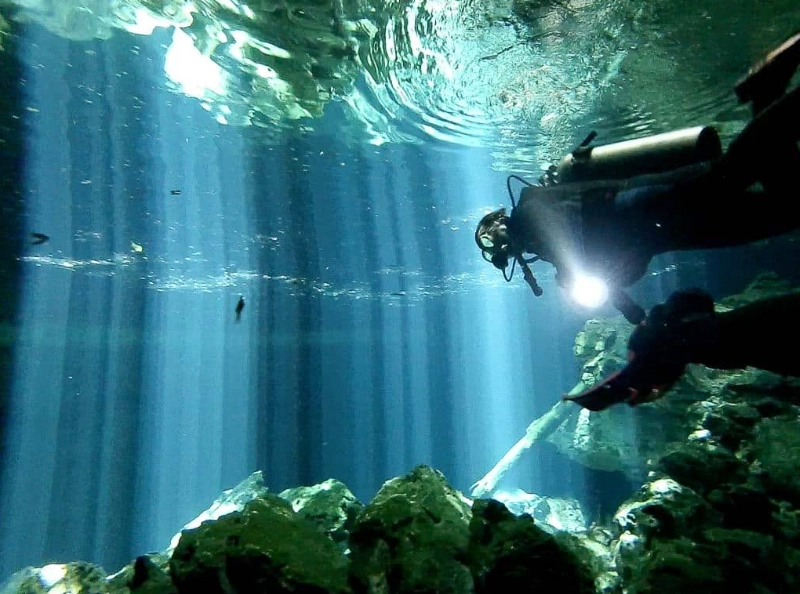
I'm a Beginner. Is Mexico Good for Scuba Diving FOR ME?
Absolutely. In fact, it's one of the best places to learn or do your first open water dives. Here's why:
- Ton of PADI/SSI Dive Shops: The Riviera Maya and Cozumel are crawling with professional, multilingual dive centers that run courses daily. You can often do pool/confined sessions at your hotel.
- Calm, Warm, Shallow Reefs: Places like Cozumel's Chankanaab Reef or Playa's shore dives offer gentle, shallow environments teeming with life to keep new divers mesmerized and comfortable.
- Cavern, not Cave: Even as a new Open Water diver, you can do specific, guided cenote cavern dives (like the famous Casa Cenote or Gran Cenote) that are shallow, completely breathtaking, and safe.
My advice? Get certified at home in a pool if you're anxious about time. Then, do your "check-out" dives or a beginner-friendly discovery dive in Mexico. It's a fantastic reward. Check any dive operator's credentials with agencies like PADI or SSI to ensure safety standards.
Real Talk: Not every dive is perfect. I've had days in Cozumel where the current was so strong it was a workout (fun, but tiring). On the Pacific, viz can sometimes drop to 10 meters when plankton blooms—frustrating if you're after wide-angle shots, but heaven for macro lovers! And yes, some reef areas close to ports show damage. It's important to have realistic expectations. The magic is still there, you just need to know where to look.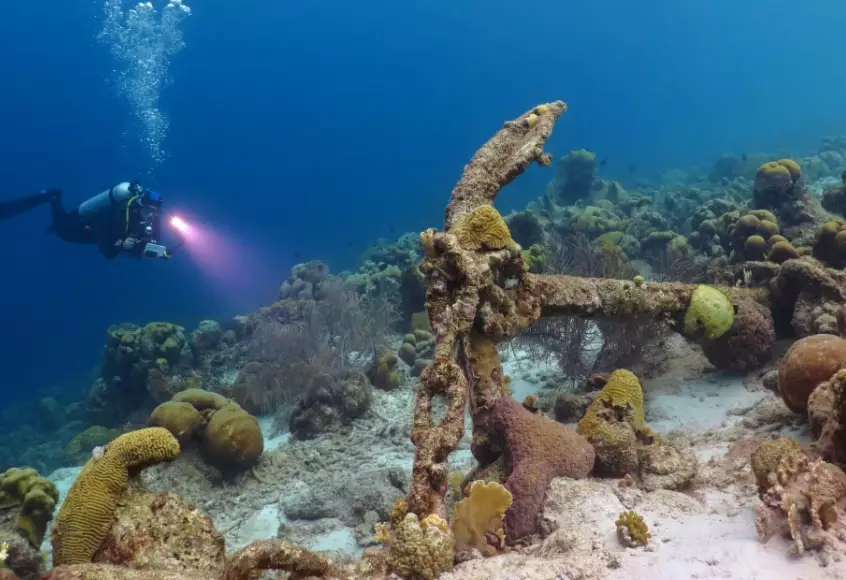
Costs, Logistics, and Nitty-Gritty Details
Let's talk money and planning, because "Is Mexico good for scuba diving?" also means "...and can I afford it?"
It's surprisingly affordable, especially compared to remote island destinations.
- Typical 2-Tank Boat Dive (Caribbean): $80 - $120 USD, often includes gear, snacks, and water.
- Cenote Dive (2 tanks): $120 - $160 USD, includes guide, park fees, and usually gear. More specialized.
- Liveaboard (Socorro): This is the big expense. $3,500 - $6,000+ USD for a 7-10 day trip. Worth every penny for the experience.
- Courses: Open Water referrals can be $300 - $400 USD. Discover Scuba Diving (try-dive) around $100-$130.
Logistics are easy. Fly into Cancun (CUN) for the Caribbean side or Los Cabos (SJD) / San Jose del Cabo (SJD) for the Pacific side. Many dive shops in Playa/Cozumel offer hotel pickup. You don't need a car for diving, but it's nice for exploring.
Bring: Your certification card (C-card), logbook, a reef-safe sunscreen (please!), and a sense of adventure. Most shops provide decent gear, but serious divers bring their own mask, computer, and maybe wetsuit.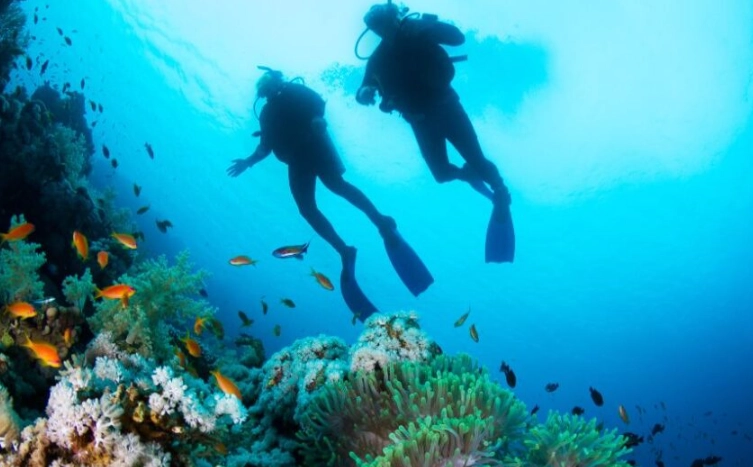
Common Questions (The Stuff You're Actually Googling)
The Final Verdict
Look, if you're asking "Is Mexico good for scuba diving?" you're already on the right track. It means you're curious. And Mexico rewards the curious diver like few places can.
It's not a flawless underwater utopia—no place is. But the combination of ease of travel, variety of dives (from silly-easy to extremely challenging), unique geological features, and consistent animal action is almost unmatched. You can have a luxurious dive vacation or a rugged, adventurous one. You can come with zero experience and leave hooked, or you can come as a veteran and still have your mind blown in Socorro.
So, is Mexico good for scuba diving?
It's not just good. For millions of divers, it's a favorite. It's a place you'll dream about returning to before you've even dried off. It's the reason you get certified in the first place. Book the flight, find a good shop, and get ready to say "¡Está increíble!" into your regulator. You won't regret it.
Your comment