Quick Dive Guide
Let's cut right to it. You're asking yourself, "What are the best places to scuba dive in Mexico?" It's a huge country with two massive coastlines. The answer isn't simple, and anyone who gives you a one-size-fits-all list isn't being honest. It depends on what you're after. Are you a new diver shaking with excitement (and maybe a little fear) before your first open water dive? A seasoned pro hunting for a massive school of hammerheads? Someone who wants to combine a dive trip with amazing food and culture?
I've been diving in Mexico for over a decade, from the sleepy Caribbean villages to the rugged Pacific outposts. I've had blissful, easy dives where everything went perfectly, and I've had challenging ones that tested my skills. This isn't just a rehash of a brochure. It's a real breakdown to help you figure out where you should go.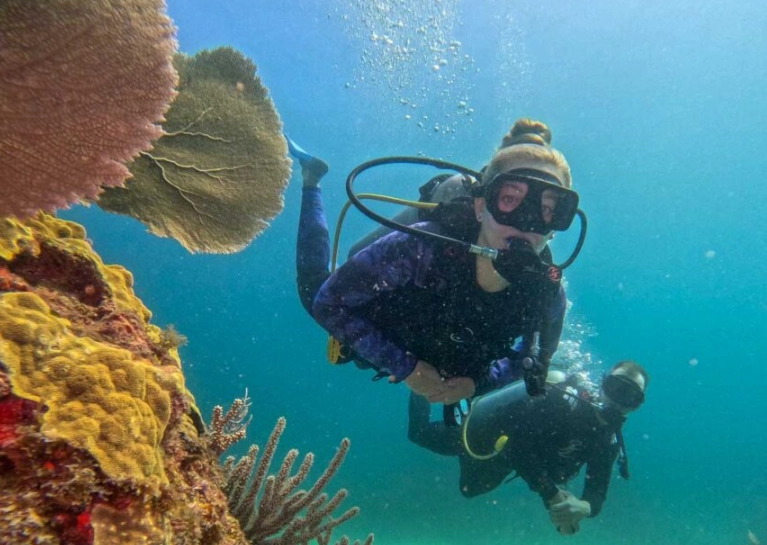
The Big Split: Caribbean Sea vs Pacific Ocean
First, you need to understand the fundamental choice. Mexico's diving is split between two completely different worlds.
The Caribbean side (Quintana Roo, mainly) is what most people picture. Think warm, bath-like turquoise water, incredible visibility that often exceeds 100 feet, and long, sloping coral reefs teeming with colorful tropical fish. It's generally calmer, more predictable, and fantastic for beginners and underwater photographers who love clear, bright conditions.
The Pacific side (Baja California, Riviera Nayarit, etc.) is wilder. The water is cooler (you'll want a 5mm or 7mm wetsuit), visibility can be more variable, and the surge can be a factor. But what you trade in predictability, you gain in raw, dramatic encounters. Think massive pelagics—manta rays, whale sharks (seasonally), huge schools of jacks, and even the chance to hear (or see) humpback whales singing in the distance. The topography is more dramatic too, with walls, pinnacles, and rocky outcrops covered in vibrant invertebrates.
So, your first decision: Caribbean for reliable, colorful reef diving, or Pacific for adventurous, big-animal action.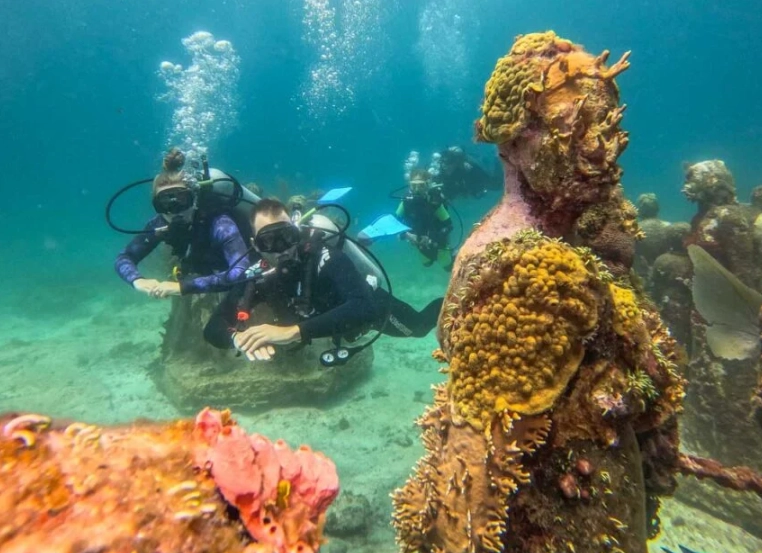
The Top Contenders: A Detailed Breakdown
Now, let's get specific. Based on what divers are actually looking for, here are the spots that consistently top the list when people ask what are the best places to scuba dive in Mexico.
Cozumel: The King of Caribbean Reefs
For sheer, consistent, world-class reef diving, Cozumel is hard to beat. The entire island is a marine park, and the protection shows. The reefs are lush and healthy. The main attraction is the drift diving along the famous Palancar and Columbia reefs. You jump in, get picked up by the gentle current, and fly along breathtaking walls and swim-throughs covered in gigantic sponges—barrel sponges the size of a small car, elegant tube sponges, and vibrant orange elephant ear sponges.
It's not just about the scenery. The fish life is prolific. You'll see huge schools of blue tangs, midnight parrotfish, queen angelfish, and the occasional turtle or nurse shark napping under a ledge. For macro lovers, the shallower reefs like Paradise or Tormentos are a treasure trove of seahorses, flamingo tongue snails, and nudibranchs.
The downside? It can feel a bit...industrial. The dive ops are super professional, but it's a well-oiled machine. You might be on a boat with 15 other divers. If you're looking for a secluded, intimate diving experience, this might not be it. But for reliability, quality, and breathtaking reefs, it's a champion. The island's main diving authority, the Cozumel Marine Park, has great info on conservation rules.
The Cenotes of the Riviera Maya: A Unique "Best Place"
This is Mexico's secret weapon—a diving experience you literally cannot get anywhere else on Earth. Cenotes are freshwater sinkholes and cave systems formed in the limestone bedrock. Diving them is like floating through a submerged cathedral. Beams of sunlight pierce through holes in the ceiling, illuminating crystal-clear water where the visibility is essentially infinite.
It's not cave diving (that requires extensive technical training), but rather "cavern diving," where you always remain within sight of the entrance and natural light. Places like Dos Ojos, The Pit, and Carwash offer breathtaking haloclines—where fresh and salt water meet and create a surreal, shimmering blur—and incredible geological formations like stalactites and stalagmites.
Is it for everyone? No. You need perfect buoyancy control. Kicking up silt ruins the visibility for everyone behind you. You can't just pop to the surface if you panic. But if you're a confident open water diver looking for something utterly unique, this is a top contender for the best places to scuba dive in Mexico. It's cold (about 75°F/24°C), so a full wetsuit is a must. I did my first cenote dive at Dos Ojos and spent the entire time just staring up at the light beams, completely awestruck. It felt more like flying than diving.
Cabo San Lucas & La Paz: The Pacific Powerhouses
Let's head to the other coast. Cabo is famous for its arch and party scene, but underwater, it's a serious playground. The meeting of the Pacific Ocean and the Sea of Cortez creates nutrient-rich waters that attract big life. Dive sites like Sand Falls (a fascinating underwater sand waterfall) and the wreck of the Ruben E. Lee are great, but the main events are seasonal.
From late fall to early spring, you can dive with playful sea lions at Los Islotes. They'll zoom around you, blow bubbles in your face, and nibble your fins. It's an absolute joy. Further north in La Paz, you have the chance to snorkel or dive with whale sharks (in winter) and dive with huge schools of mobula rays. The diving here feels more rugged and adventurous.
The water is colder and greener than the Caribbean, but the raw energy is palpable. A great resource for planning is the official Visit Mexico tourism site, which has regional pages for Baja California Sur.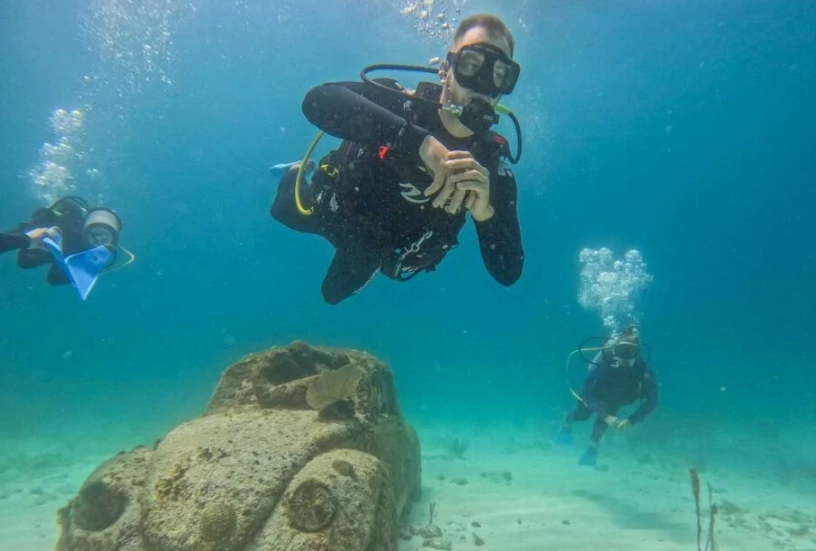
Isla Mujeres & Holbox: The Gentle Giants
While not traditional scuba hotspots year-round, these islands deserve a special mention for one incredible phenomenon. From roughly June to September, the largest aggregation of whale sharks in the world gathers off the coast of Isla Mujeres and Holbox. You can snorkel with them (scuba is prohibited to protect them).
Imagine being in the water with dozens of these gentle, bus-sized filter feeders. It's a humbling, awe-inspiring experience. Many dive shops in Cancun and Playa del Carmen offer combo trips—a couple of reef dives in the morning followed by a whale shark snorkel safari. If your trip aligns with this season, it's an absolute must-do. The Mexican government, through agencies like SEMARNAT, regulates these tours strictly to ensure sustainability, so always choose a licensed operator.
Comparing Your Options: A Quick Guide
To help you visualize the differences, here's a snapshot. Remember, this is a generalization—conditions vary day by day.
| Destination | Water Temp | Viz (Typical) | Best For | Vibe |
|---|---|---|---|---|
| Cozumel | 78-84°F (26-29°C) | 80-150+ ft | Drift diving, vibrant reefs, photographers, all levels | Professional, established, can be crowded |
| Riviera Maya Cenotes | ~75°F (24°C) | Unlimited (freshwater) | Unique geology, caverns, advanced buoyancy practice | Mystical, quiet, unique |
| Cabo San Lucas | 65-75°F (18-24°C) | 30-70 ft | Sea lions, pelagics, adventurous divers | Rugged, variable, wild |
| Puerto Vallarta | 70-80°F (21-27°C) | 40-80 ft | Manta rays (seasonal), reefs, wrecks | Relaxed, resort-town feel |
See? Different worlds. A beginner would be overwhelmed in a Pacific surge but might fall in love with a calm Cozumel drift. An experienced diver might find Cozumel "too easy" but get the thrill of a lifetime in a cenote or with sea lions.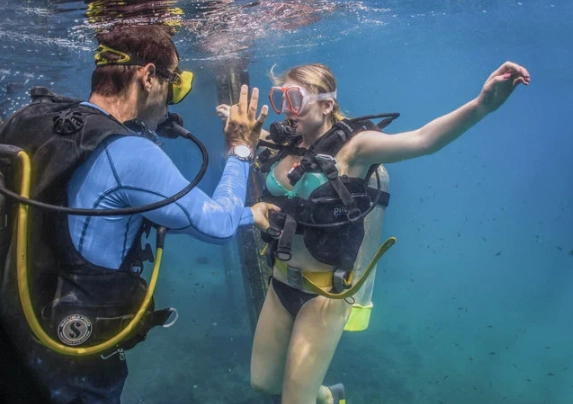
Beyond the Dive: What You Really Need to Know
Okay, you've picked a region. Now for the nitty-gritty that blog posts often gloss over.
Choosing a Dive Operator: Don't Just Pick the Cheapest
This is crucial. A good shop makes the trip; a bad one can ruin it. Look for shops that ask for your certification card and logbook. If they don't, that's a red flag. Read recent reviews, not just on TripAdvisor but on scuba-specific forums. Email them with questions. Do they limit group size? What's their guide-to-diver ratio? A good shop will be happy to answer.
I made the mistake once of going with a "bargain" shop in a tourist zone. The boat was overcrowded, the guide rushed us, and the gear was tired. Never again. Pay a little more for safety, service, and a better experience. Look for operators affiliated with major agencies like PADI or SSI—they have standards to uphold.
Gear and Logistics
Most shops include full gear rental. But if you're particular about your mask or computer, bring them. A well-fitting mask is worth its weight in gold. Don't forget your certification card—a physical card or a verified e-card. Dive insurance is non-negotiable in my book. Something like DAN (Divers Alert Network) is inexpensive peace of mind for medical evacuation and treatment.
Logistically, flying with gear is a pain but doable. Pack your regulator and computer in your carry-on. Never check those. Weights and tanks are always provided locally.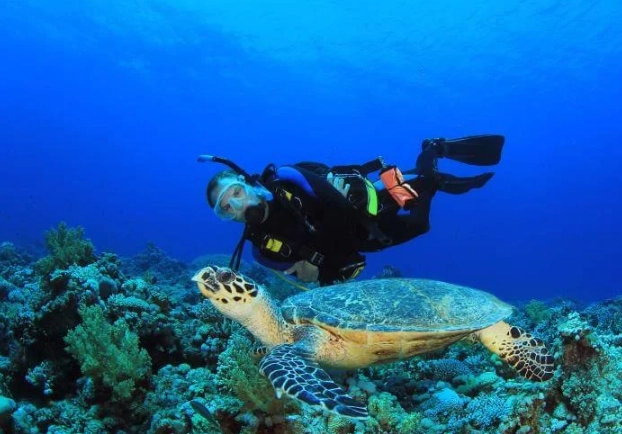
When to Go and What to See
Timing matters.
- Caribbean (Cozumel/Riviera Maya): Best visibility is typically in the summer (May-Sept), but it's hotter and rainier. Winter (Dec-Apr) has slightly cooler air temps and water, and less rain, but can be more crowded. Hurricane season is June-Nov, but major storms are rare.
- Pacific (Cabo/La Paz): Water is warmest from July-Nov. Sea lion interaction is best Oct-Feb. Whale shark season in La Paz is Oct-Apr. Winter and spring offer the calmest seas generally.
Answering Your Burning Questions
Is diving in Mexico safe?
Yes, when done with a reputable operator. The standards for guides and boats are generally high in the major tourist areas. The biggest risks are the same as anywhere else: not monitoring your air, poor buoyancy, or ignoring your own limits. Listen to your briefing, be honest about your skills, and stick with your guide.
I'm a complete beginner. Where should I go?
The Caribbean side is your friend. Cozumel's protected reefs and calm conditions are ideal for learning. Many resorts in the Riviera Maya (like around Playa del Carmen) have excellent "discover scuba diving" programs and easy shore dives. The key is to choose a dedicated, patient instructor, not just the cheapest course. Ask about class size.
What about sharks?
This is a common worry. In the Caribbean, you'll mostly see harmless nurse sharks sleeping under ledges, and maybe the occasional reef shark. In the Pacific, you have a higher chance of seeing larger species like bull sharks or hammerheads in certain areas (like Revillagigedo Islands, which is advanced liveaboard territory). Attacks on divers in Mexico are extraordinarily rare. You're not on the menu.
Can I combine diving with a family vacation?
Absolutely. Places like Cozumel, Playa del Carmen, and Puerto Vallarta are perfect for this. Non-diving family members have tons to do—beaches, ruins, food tours, shopping—while you do a morning two-tank dive. Many dive ops offer half-day trips, so you're not gone all day.
The Part Everyone Skips: Being a Responsible Diver
Look, Mexico's reefs face pressure—from climate change, from development, from us. We have a responsibility. This isn't just feel-good talk; it's essential for these places to remain the best places to scuba dive in Mexico.
Practice perfect buoyancy. Never touch, stand on, or kick the coral. It's a living animal that takes decades to grow. A single touch can kill it. Don't chase or harass marine life. Use reef-safe sunscreen (mineral-based, without oxybenzone and octinoxate). Seriously, just buy it. It works. Don't take souvenirs—no shells, no coral. Follow the guidelines from organizations like the UNESCO sites (like Sian Ka'an) or the local marine parks.
Choose operators who talk about conservation, who use mooring buoys instead of dropping anchor on the reef. Your dollars vote for the kind of diving future you want.
Final Thoughts: Making Your Choice
So, what are the best places to scuba dive in Mexico? I hope you see now that it's the wrong question. The right question is: What is the best place to scuba dive in Mexico for me, right now?
If you want guaranteed clear water, easy conditions, and pretty reefs, head to Cozumel. If you want a one-of-a-kind geological wonder, brave the cool water of a cenote. If you crave playful animal interactions and don't mind cooler, greener water, point your compass to Cabo or La Paz.
Do your research on operators. Pack your patience and your sense of adventure. Respect the ocean. Whether you're floating over a coral garden in Cozumel or watching a manta ray dance in the blue off Cabo, you're in for an incredible experience. Mexico's underwater world is vast and varied enough to call you back again and again.
Just remember to save some air on your last dive to do your safety stop. And look around. That's where you'll often find the magic.
Your comment