Dive Guide Highlights
If you're into diving or just love weird natural wonders, you've probably stumbled upon photos of a place called Mexico's blue hole. You see this crazy image of a diver floating over what looks like an underwater river, complete with trees and leaves, deep below the surface. It looks fake. It looks impossible. But it's very, very real.
So, what is Mexico's blue hole? Let's cut through the confusion right away. When most people search for this, they're not talking about the giant Great Blue Hole off Belize (that's a whole different thing in the Caribbean Sea). The one causing all the buzz online is actually a cenote—a deep, water-filled sinkhole—hidden in the jungles of the Yucatan Peninsula. Its real name is Cenote Angelita, which means "Little Angel." And let me tell you, the name is sweet, but the place is otherworldly.
I remember the first time I saw a video of a dive there. I was convinced it was special effects. A river under the water? Clouds you can swim through? It seemed like something out of a fantasy movie, not a place you could actually visit. But that's the magic of Mexico's blue hole. It's a perfect cocktail of geology, chemistry, and physics that creates one of the most surreal diving experiences on the planet.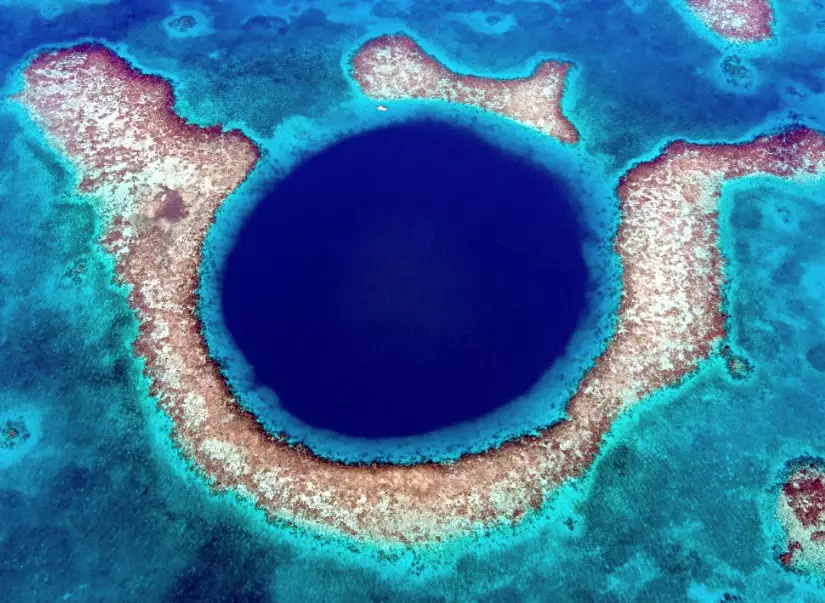
The Real Star: Cenote Angelita Unveiled
Okay, let's get specific. Cenote Angelita isn't some offshore marine sinkhole. It's inland, about a 20-minute drive south of the popular tourist town of Tulum, down a bumpy jungle road. You arrive at what seems like a large, unassuming pond in the forest. The water is dark and still. It doesn't scream "world-class dive site." But that's the secret. The magic is all beneath the surface.
Location and How to Get There
You'll find this gem tucked away near the Tulum-Coba highway. Most people base themselves in Tulum or Playa del Carmen. You need a car or, more commonly, to go with a certified dive shop. The cenote is on private land, and there's a small fee to enter (usually included in your dive tour). The dive shops are essential—they know the rules, have the permits, and most importantly, have the expert guides to keep you safe. Trying to do this alone is a terrible idea, trust me.
The Geology: How Did This Form?
This is where it gets cool. The Yucatan Peninsula is basically a giant slab of limestone. Over millions of years, slightly acidic rainwater seeped through the soil, slowly dissolving the rock and creating a massive network of underground caves and rivers. Sometimes, the ceiling of one of these caves collapses. Boom. You get a cenote—a natural pit or sinkhole exposing the groundwater.
Cenote Angelita is one of these collapsed chambers. But it's extra special because of its depth and what happened after the sea levels rose. During the last ice age, this area was dry. That ancient cave system was filled with air. When the glaciers melted, the ocean rose and flooded the coastal cave systems with saltwater. But freshwater from rain continued to collect on top, leading to the mind-bending phenomenon we see today.
So, what is Mexico's blue hole in geological terms? It's a flooded, collapsed cave (cenote) exhibiting a dramatic halocline, where freshwater and saltwater meet but don't fully mix.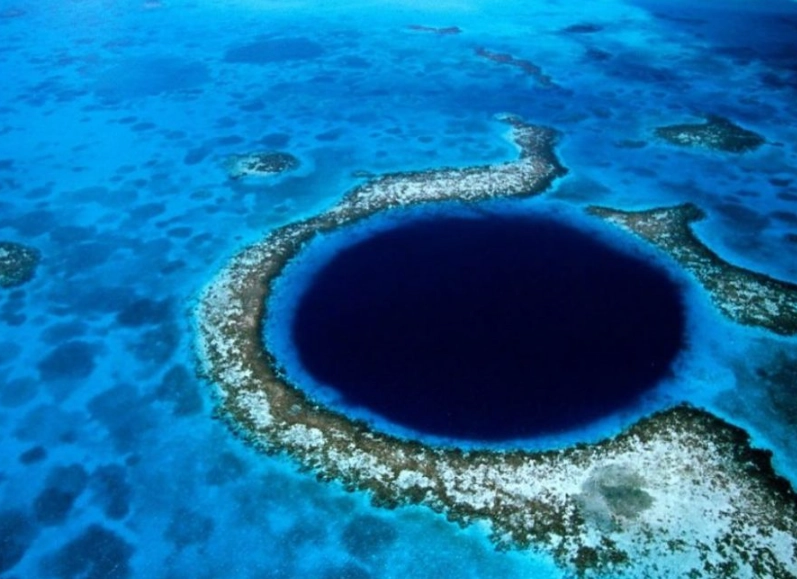
Quick Science Bite: A "halocline" is a zone where water of two different salinities meet. The saltwater is denser, so it sits at the bottom. The freshwater, being lighter, floats on top. In most places, this transition is blurry. In Angelita, it's shockingly distinct, thanks to a third, creepy layer.
The Famous Three-Layer Cocktail
This is the answer to "what is Mexico's blue hole" that everyone wants. From the surface down, it's a journey through different worlds.
- The Freshwater Layer (0-30 meters / 0-100 feet): You start in cool, clear freshwater. The visibility is insane—often over 100 feet. You see tree branches, leaves, and logs that fell in when the cenote was just a hole in the ground. It feels like diving in a giant, clear well. The light from the surface filters down beautifully.
- The Hydrogen Sulfide Cloud (around 30 meters / 100 feet): This is the "river" you see in the photos. It's not a river at all. It's a thick, opaque, milky layer of hydrogen sulfide gas dissolved in the water. This gas is produced by the decay of all that organic matter (the leaves and trees) in the saltwater layer below, where there's no oxygen. The cloud is usually about 2-3 feet thick and looks like a swirling fog or a flowing riverbank. Swimming through it feels eerie. It's cold, and your vision goes to zero. For a second, you're blind. Then you emerge into...
- The Saltwater Layer (below ~31 meters / 102 feet): Suddenly, it's crystal clear again. But now you're in warm, salty seawater. This is ancient ocean water that seeped in from the coast. The visibility remains excellent, and you can see the ancient cave walls, stalactites, and stalagmites that formed when this was a dry cave. It's dark, requiring dive lights, and feels profoundly ancient.
The transition is so sharp it feels like moving between planets. One second you're in a freshwater forest, the next you're in a fog bank, and then you're in a dark, salty cavern. No wonder people keep asking, what is Mexico's blue hole? It defies normal logic.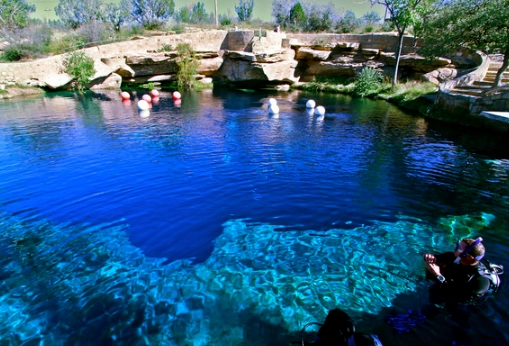
My first time descending through that cloud was unnerving. You're trained to have good visibility, and suddenly you have none. You just have to trust your guide, your buoyancy, and your computer. Coming out the other side into the clear, salty darkness felt like arriving on another world. It was humbling and a bit spooky, in the best way.
Diving the Blue Hole: A Practical Guide
So you're hooked and want to go. Pump the brakes for a second. Diving Cenote Angelita isn't for beginners. This isn't a resort course dive. The unique environment demands specific skills and respect.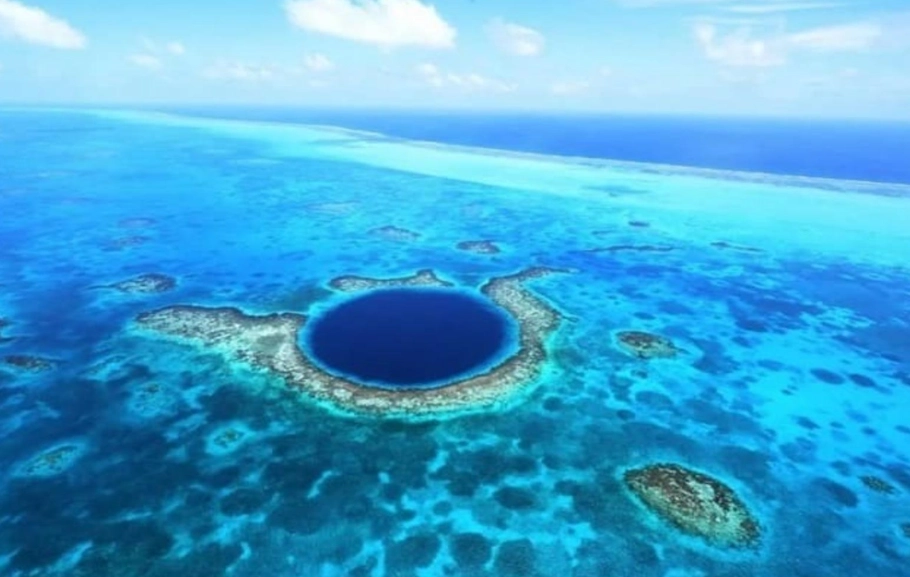
Who Can Dive Cenote Angelita?
Reputable dive shops have strict requirements, and for good reason. The dive involves deep penetration (you go inside the cave-like structure), navigating a halocline and zero-visibility cloud, and managing buoyancy with extreme precision to avoid damaging the fragile hydrogen sulfide layer.
Here’s a quick breakdown of typical requirements:
| Diver Certification | Can they dive Angelita? | Typical Requirements & Notes |
|---|---|---|
| Open Water Diver | No | Maximum depth limit (18m/60ft) is far shallower than the main attraction (~30m). Not trained for overhead environments or complex buoyancy. |
| Advanced Open Water Diver | Maybe, with conditions | Has deep dive training. Some shops may allow it if the diver has significant recent experience (e.g., 50+ dives) and does a check-out dive first. Not ideal. |
| Deep Diver Specialty | Strongly Recommended Minimum | Formal training for dives between 18-40 meters. Shows competence at the required depth. Most good shops require this or equivalent experience. |
| Cavern Diver Specialty | Ideal & Highly Recommended | Teaches proper buoyancy, line use, and procedures for the "overhead light" environment of a cenote. This is the best certification to have for Angelita. |
Honestly, if you show up with just an Open Water card expecting to dive, a good shop will (and should) turn you away. It's for your safety and the site's protection. I've seen shops that are lax about this, and it makes me nervous. A diver with poor buoyancy kicking up the hydrogen sulfide cloud ruins the visibility for everyone and damages the phenomenon itself.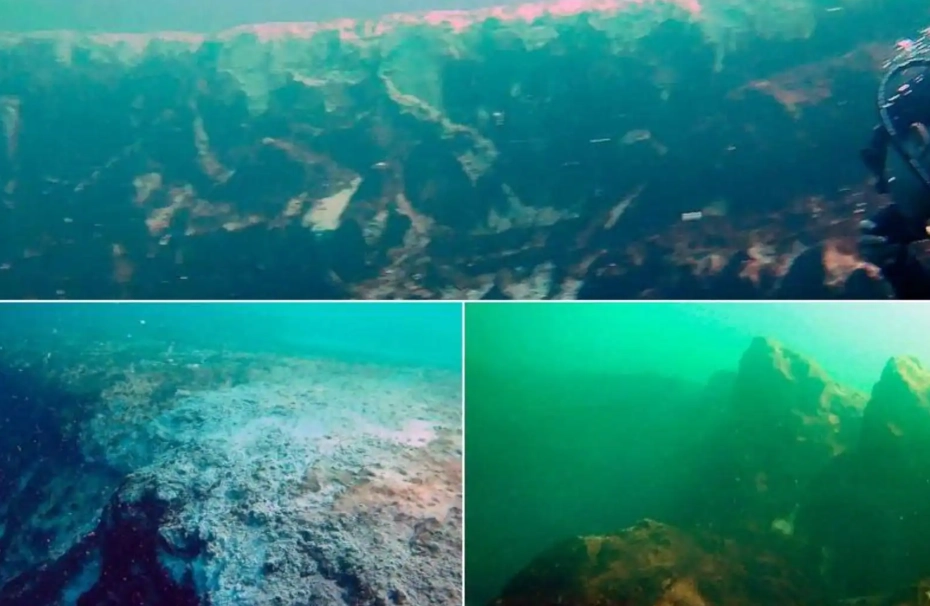
What to Expect During the Dive
A typical dive profile goes like this: You gear up at the small platform. Giant stride entry into the dark freshwater. Descend slowly along the rope line that's been installed. You'll pass the ghostly trees. Around 28 meters, the "cloud" appears below you. The guide will signal, and you'll gently descend through it. It's cold, dark, and surreal. You'll spend a few minutes in the saltwater layer below, exploring the ancient formations with your light, before ascending back through the cloud and doing a long, slow safety stop in the freshwater. Total dive time is usually 30-40 minutes max due to the depth.
Safety First, Always: The hydrogen sulfide (H₂S) cloud is toxic to breathe in high concentrations. However, it's dissolved in the water, so you're not breathing it from your tank. The main risk is disturbing it and losing all visibility, which can cause disorientation. Always stay close to your guide and the guideline. Never dive here without a guide who knows the site intimately.
Essential Gear and Safety
- Wetsuit: A 5mm is good. The freshwater layer is cool (around 24°C/75°F), and the H₂S layer is noticeably colder.
- Lights: A primary dive light is mandatory for the dark saltwater layer. A backup is a great idea.
- Computer: A must for monitoring your depth and no-decompression time on this deep dive.
- Reel/SMB: Not always needed for the diver if with a guide, but the guide will have one.
- Buoyancy Control: This is your most important piece of "gear." You must be able to hover perfectly still without touching anything.
I can't stress the buoyancy enough. If you're still kicking the bottom or fighting to stay down, practice in easier cenotes first. Dos Ojos or The Pit are fantastic training grounds.
Beyond the Dive: Ecology and Conservation
What is Mexico's blue hole when it comes to life? It's a unique ecosystem. The freshwater top layer has some small fish. The saltwater bottom layer has marine life like blind cave shrimp and other troglobites (cave-adapted creatures). The hydrogen sulfide layer itself is a biological dead zone—bacteria that don't need oxygen live there, but nothing else can.
This brings up a critical point: conservation. Cenotes are sacred to the Maya and are fragile. Sunscreen, bug spray, and even skin oils can poison the pristine water. Most shops will require you to shower in a rinse station with biodegradable soap before suiting up. Please respect this rule. Use only mineral-based, reef-safe sunscreen applied long before you get in the water.
The increasing popularity is a double-edged sword. It brings economic benefit but also risk. Sticking to the guidelines, not touching formations, and choosing eco-conscious dive operators are the only ways to keep Mexico's blue hole magical for future divers.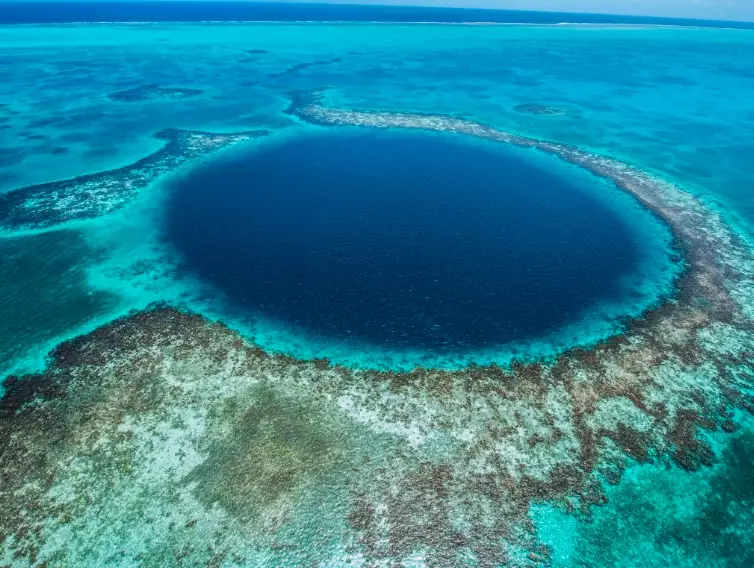
Common Questions (FAQ) About Mexico's Blue Hole
Final Thoughts: Is It Worth the Hype?
Absolutely. But with major caveats.
If you're an inexperienced diver, it's not worth risking your life or the site's integrity. Build your skills first. There are dozens of stunning, easier cenotes to fall in love with.
But if you've put in the dives, mastered your buoyancy, and got the training? Then diving Cenote Angelita is a pilgrimage. It's one of those rare places that shows you how strange and wonderful our planet can be. It answers the question "what is Mexico's blue hole" with an experience, not just a description.
You don't just see a halocline; you swim through its ghostly form. You don't just learn about geology; you float past the ancient evidence of sea-level change. It's a powerful reminder that there are still places that feel truly alien, right here on Earth.
Just remember to treat it with respect.
Plan well.
And maybe you'll get to answer the question for someone else one day.
Your comment