Quick Guide
Let's be honest. Planning a diving trip can feel overwhelming. You're dreaming of crystal clear water, swimming with turtles, and exploring wrecks, but then you remember the logistics. Flights, gear, permits, dive operators... it's enough to make your head spin. I've been there. I've also made every mistake in the book so you don't have to.
This isn't just another generic list. This is a brain dump of everything I've learned from years of packing a bag and jumping on planes to dive. We're talking real, actionable advice that goes beyond "remember your mask." We'll cover how to plan, how to pack (without paying excess baggage), how to stay safe, and how to be a diver that operators love to have back. Consider this your one-stop shop for the best diving travel tips you'll actually use.
Phase One: The Planning & Booking Stage
This is where most trips are made or broken. Rushing this stage means you might end up at the wrong place at the wrong time, or worse, with a sketchy operator.
Choosing Your Diving Destination (It's Not Just About the Water)
Sure, you want great marine life. But have you thought about the other 18 hours of the day? Your destination needs to fit your entire travel style, not just your dive log.
Ask yourself:
- What's my budget? Southeast Asia is famously affordable for diving and living. The Caribbean can be pricier, especially for liveaboards.
- Who am I traveling with? If your partner isn't a diver, pick a place with great topside activities. Cozumel has amazing reefs, but also ruins and beaches. The Red Sea in Egypt is mostly about the diving.
- What's my skill level? Are you a new Open Water diver? Strong currents in Komodo might not be the best start. Love deep wrecks? Then Truk Lagoon should be on your list.
- When am I going? This is huge. Monsoon seasons, water temperature, and visibility change monthly. Diving in Thailand in November is a dream. In August? Not so much.
One of my absolute best diving travel tips is to be brutally honest about your own experience. There's no shame in choosing calmer, easier sites. Building confidence is more fun than fighting a current you're not ready for.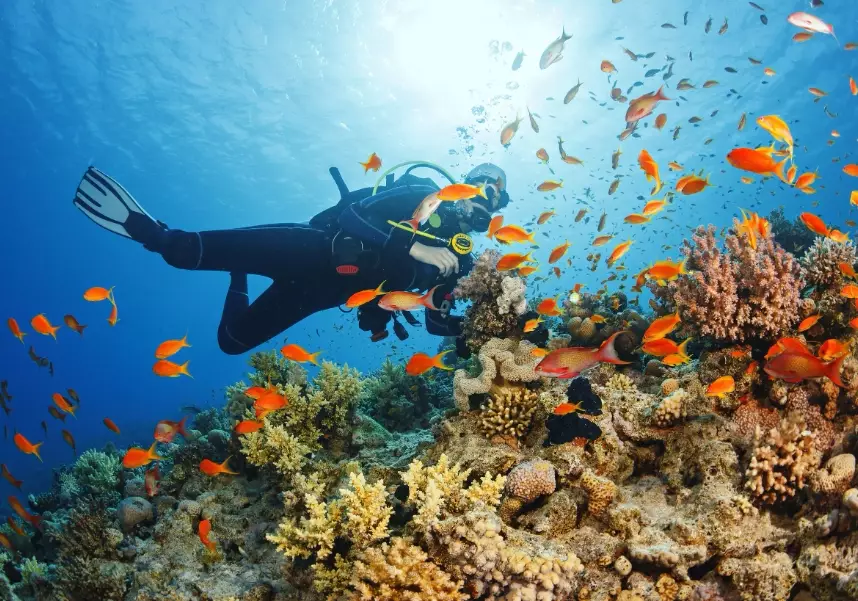
Finding and Vetting a Dive Operator
This is the most important decision you'll make. A good operator keeps you safe and shows you a great time. A bad one... well, let's not go there.
Don't just book the first one you see on Google. Dig deeper.
- Read Reviews, But Be Smart About It: Look for patterns. One complaint about a grumpy guide might be an outlier. Multiple mentions of poorly maintained gear? Red flag. I spend hours on Scubaboard and TripAdvisor reading between the lines.
- Email Them Directly: Ask specific questions. "What is your guide-to-diver ratio?" "Can I see your equipment maintenance logs?" "What is your protocol if a diver gets separated?" A professional operation will answer clearly and promptly. If they get defensive or vague, walk away.
- Check Their Affiliations: Are they affiliated with a major training agency like PADI or SSI? This often means they adhere to certain standards. You can use the PADI Dive Shop Locator or the SSI Partner Locator as a starting point.
- Ask About the Boats: How many divers do they take out? Is there shade, a freshwater shower, a toilet? A cramped, overcrowded boat can ruin a perfect dive day.
The Money Talk: Saving on Your Diving Trip
Diving isn't a cheap hobby, but it doesn't have to break the bank.
- Travel Off-Peak: Prices for flights and accommodation can plummet. The diving might still be excellent, just with fewer crowds. I've had entire reefs to myself in Fiji during the "shoulder" season.
- Bundle Packages: Many resorts offer "dive & stay" packages that are significantly cheaper than booking separately.
- Consider a Liveaboard: This seems expensive upfront, but when you factor in that it includes all your dives (often 4-5 a day), food, and accommodation, the cost-per-dive can be very competitive. It's also the best way to reach remote sites.
- Bring Your Own Core Gear: Renting a full set every day adds up. If you own your mask, snorkel, fins, computer, and exposure suit, you'll save a bundle and have gear you're comfortable with.
Seriously, owning your computer is one of the single best investments for both safety and saving money on rentals.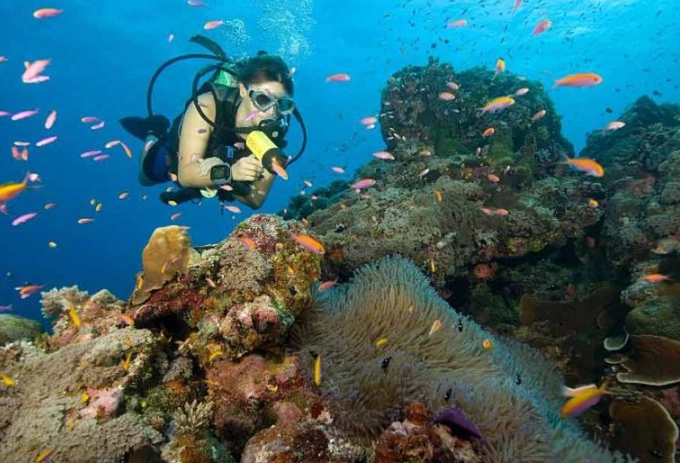
Phase Two: The Pre-Trip Prep & Packing
Now the fun starts. But packing for a diving trip is a unique challenge. You need dive gear, clothes, electronics, and documents, all while staying under airline weight limits.
The Non-Negotiable Packing List
Forget your socks, fine. Forget these items, and your trip is in jeopardy.
| Category | Essential Items | Why It's Crucial |
|---|---|---|
| Documents & Tech | Certification Card (physical & photo), Logbook, Passport, DAN/Other Dive Insurance Card, Travel Insurance Docs, Dive Computer, Camera Housing O-Rings & Grease | No C-card, no diving. Insurance is for emergencies. A flooded camera is a heartbreak. |
| Personal Dive Gear | Mask, Snorkel, Fins, Booties (if needed), Exposure Suit (if you have), Dive Computer, SMB (Surface Marker Buoy) & Reel | Comfort, safety, and familiarity. An SMB is a safety device every diver should carry and know how to use. |
| Health & Comfort | Ear Drops (Swim-Ear type), Seasickness Meds (if prone), Reef-Safe Sunscreen, Lip Balm, Small First-Aid Kit, Rehydration Salts | Prevents infections, makes boat rides bearable, protects you and the reef. |
| Miscellaneous Lifesavers | Mesh Gear Bag, Ziploc Bags (for wet items), Dry Bag, Power Bank, Universal Adapter, Small Tool/Multi-tool | Organization is key. A tool can fix a loose fin strap in a pinch. |
Gear Check and Servicing
Do NOT wait until the week before your trip to check your gear.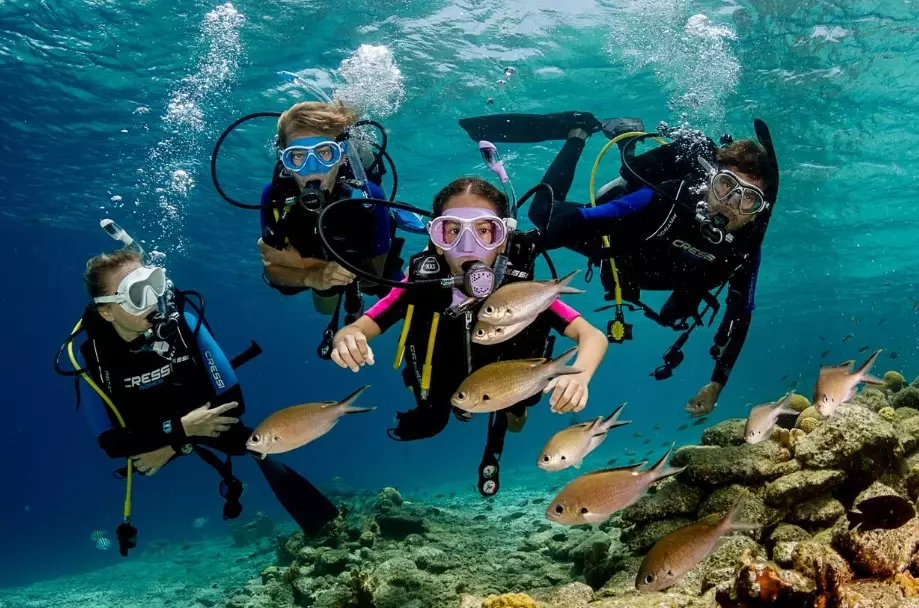
A month before.
Get your regulator and BCD serviced according to the manufacturer's schedule (usually annually). Inflate your BCD, check for leaks. Submerge your camera housing in a bathtub (without the camera inside!) to check the seal. Replace any worn O-rings. Test your dive computer's battery life.
This gives you time to fix any issues without panic. One of the best diving travel tips is simply to be prepared, and that starts at home.
Getting Your Body Ready
Diving is physical. Showing up tired, dehydrated, or unfit increases your risk of DCS (Decompression Sickness) and just makes the whole experience less fun.
- Hydrate, Hydrate, Hydrate: Start increasing your water intake a few days before you travel. Flying is dehydrating. So is sun and saltwater.
- Fitness: You don't need to be an athlete, but good cardio and leg strength help with currents and surf entries/exits. A few weeks of regular walking or swimming can make a big difference.
- Check Your Medications: Some common meds can affect diving. The Divers Alert Network (DAN) has excellent resources on medications and diving. When in doubt, consult a doctor familiar with dive medicine.
Phase Three: On the Ground & In the Water
You've arrived! Now it's time to turn planning into action.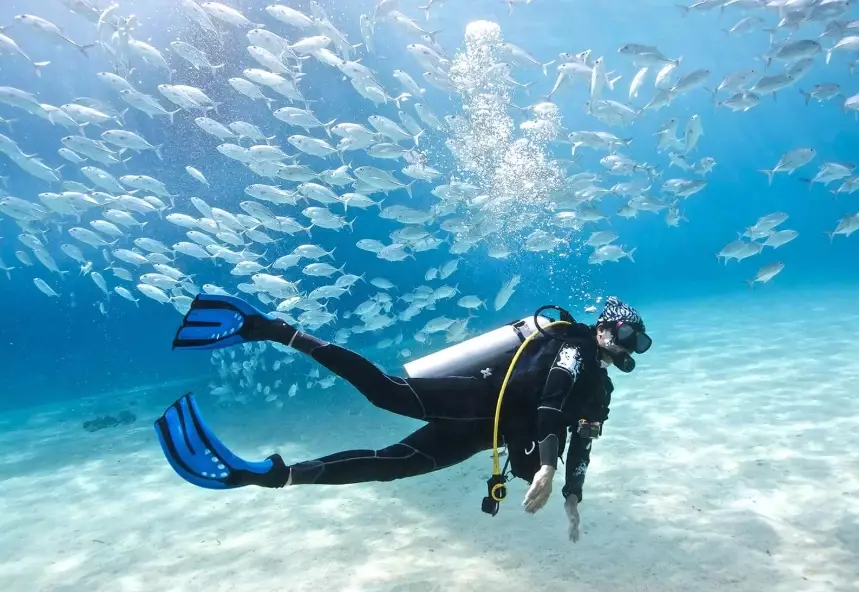
The First Day Check-In
Your first interaction with the dive shop sets the tone. Go in person, even if you booked online.
- Show Your C-Card and Logbook: They need to see your certification level and recent experience.
- Do a Buoyancy Check: Even if you think you know your weight, different gear (especially rental wetsuits) and saltwater salinity affect it. Do a proper check in confined water with a near-empty tank. It's 10 minutes that will improve every dive.
- Listen to the Briefing: I mean really listen. Don't be the diver fidgeting with their camera. Local currents, entry/exit points, dive profiles, and marine life hazards are all covered here. Ask questions if you're unsure.
- Meet Your Guide/Buddy: Discuss hand signals, air management plan, and separation procedures. If you're paired with a random buddy, take a moment to get a feel for their experience level.
Underwater Etiquette & Best Practices
This is where you graduate from a tourist to a diver. Following these best diving travel tips preserves the sites for everyone.
- Buoyancy is Everything: Good buoyancy protects the reef. If you're crashing into coral, you're doing it wrong. Practice, practice, practice.
- Look, Don't Touch: Never touch, chase, or ride marine life. It stresses the animals and can be dangerous for you. Corals are living animals and can be killed by a single touch.
- Be Aware of Your Fins: Fin kicks can stir up silt (ruining visibility) and damage delicate organisms. Practice a slow, controlled frog kick.
- No Gloves (Unless Needed for Protection): Many responsible operators now ban gloves for recreational divers. The logic is simple: if you don't have the false security of gloves, you're less likely to grab onto something.
- Take Only Photos, Leave Only Bubbles: Collecting shells or "souvenirs" is often illegal and always harmful.
The National Oceanic and Atmospheric Administration (NOAA) has a great guide on ocean ethics that applies perfectly to divers.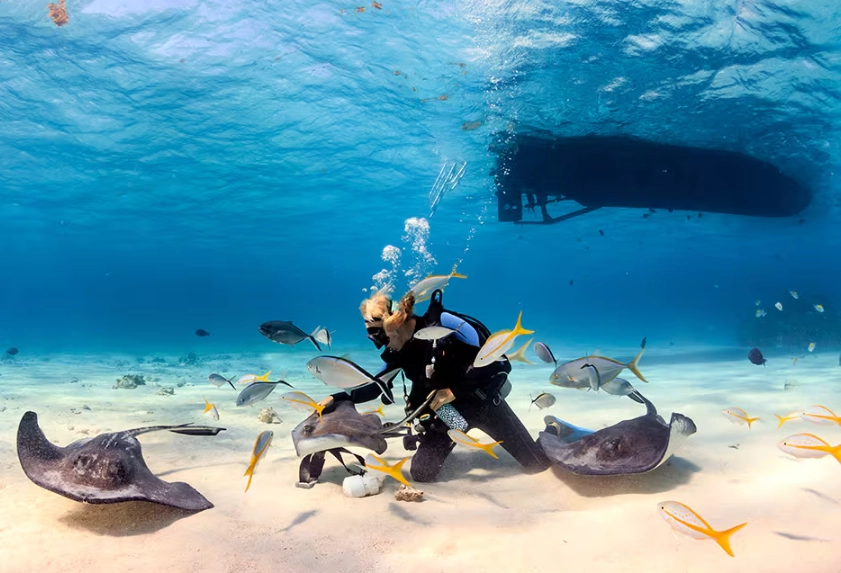
Managing Your Safety
Safety is your responsibility, not just the guide's.
Dive Planning: Agree on a max depth and time, and stick to it. Your computer is a guide, not a challenge. The first dive of the day should be your deepest.
Air Management: The old "rule of thirds" (one-third for the outward journey, one-third for return, one-third as a reserve) is a good starting point. Always surface with a reserve (I aim for at least 50 bar/500 PSI).
Ascent Rate: Go slow. 9 meters/30 feet per minute is the safe standard. Use your computer's ascent rate indicator. And always, always do a safety stop at 5 meters/15 feet for 3 minutes, even on a no-decompression dive.
Post-Dive: Hydrate. Don't fly for at least 18 hours after your last dive. This is a firm rule to prevent DCS. Listen to your body. Fatigue, joint pain, or a skin rash could be signs of a problem.
Phase Four: After the Trip
The trip's over, but your job isn't.
Gear Care
Rinsing your gear thoroughly with fresh water as soon as possible is the single best thing you can do for its longevity. Salt and sand destroy zippers, regulators, and camera gear.
- Soak your regulator first stage (with the dust cap securely on!) in a bucket of fresh water.
- Rinse your BCD inside and out. Inflate it partially to get water into the bladder, swish it around, and drain it.
- Hang wetsuits and BCDs to dry in the shade, fully inflated/open.
- Let everything dry COMPLETELY before packing it away long-term. Mildew is a gear killer.
Log Your Dives & Review
Update your logbook or digital log. Note the site, conditions, marine life, and any lessons learned. What weight did you use? How was your air consumption? This data is gold for planning your next trip.
Leave a detailed review for the dive operator. Help the next diver make an informed choice.
Common Questions Answered (Stuff You Were Afraid to Ask)
Let's tackle some of those nagging questions that pop up when you're researching the best diving travel tips.
Yes. A thousand times, yes. Standard travel insurance often excludes "hazardous activities" like scuba diving beyond a certain depth (usually 10 meters). If you get bent and need a hyperbaric chamber evacuation and treatment, you could be looking at a bill over $100,000. DAN and other providers offer affordable plans that cover this. It's non-negotiable for me.
Not at all! Dive shops are used to it. You'll be paired with a buddy or a guide. Some operators even offer "guided solo" dives for a fee, where you have a guide to yourself. It's a great way to meet people. Some of my best dive buddies were random pairings on trips.
This varies by region, but it's standard practice in most of the world. For a day boat, $10-$20 per day for the guide and $5-$10 for the boat crew is a good guideline. For a liveaboard, a collective tip of 10-15% of the trip cost, divided among the crew, is common. Always tip in local currency or widely accepted dollars/euros. They work incredibly hard for your safety and enjoyment.
It's not a marketing gimmick. Chemicals like oxybenzone and octinoxate in many sunscreens bleach and kill coral. Places like Hawaii, Palau, and parts of Mexico have banned them. Look for mineral-based sunscreens with zinc oxide or titanium dioxide as the active ingredient. Better yet, wear a rash guard or wetsuit to cover up. Protecting the reef is a core part of the best diving travel tips for the modern diver.
You can check the Environmental Working Group's sunscreen guide for ratings.
Absolutely. I get queasy. Here's my battle plan: Start taking non-drowsy medication (like meclizine) the night before a dive day. Take another dose in the morning. Stay on deck, look at the horizon, and avoid going below. Ginger chews or candies help. Once I'm underwater, it's almost always gone. Talk to your doctor about the best medication for you that's safe for diving.
Final Thoughts
There you have it. A massive pile of advice from someone who's learned most of it the hard way. The best diving travel tips aren't really about gear or hacks; they're about mindset. Be prepared, be respectful, be safe, and be curious.
Plan thoroughly, but leave room for spontaneity. Ask questions, even if you think they're dumb. Listen to the ocean and the people who know it. And above all, remember why you're doing this—to experience the awe and wonder of a world most people never see.
Now go book that trip. The water's waiting.
Your comment