Dive Guide Highlights
Let's be real for a second. When you first strap on a scuba tank, the whole idea of breathing underwater feels equal parts amazing and completely alien. You're heavy, your vision is weird, and every movement seems to fight against you. I remember my first open water dive - I was either sinking like a stone or shooting up towards the surface like a cork, with very little in-between. It was frustrating. The magic was there, sure, but it was buried under a pile of clumsy gear and poor technique.
That's what this guide is for. We're going to strip away the confusion and break down the core skills you need, one by one. This isn't about becoming a technical diving guru overnight. It's about building a solid foundation of safe, efficient, and enjoyable diving techniques, step by step. Whether you're fresh out of your Open Water course or you've got a few dives under your belt and want to smooth out the rough edges, walking through these diving techniques step by step is the key.
Why listen to me? Well, after that shaky start, I got obsessed with getting it right. I spent years practicing in pools, doing skill-focused dives, and picking the brains of instructors. I made every mistake in the book so you don't have to. The goal here is to give you the kind of clear, practical advice I wish I'd had.
Getting Your Mind and Gear Ready: The Foundation
Before you even get wet, half the battle is won on the surface. Diving is a mental game as much as a physical one. A calm, prepared diver is a safe diver. And a huge part of that calm comes from knowing your gear inside out.
The Pre-Dive Mental Checklist
Nerves are normal. But letting them run the show is a recipe for a bad dive. Here's a mental framework I use before every single dive, even now.
First, visualize the dive. Picture yourself descending, clearing your ears easily, finding your neutral buoyancy. See yourself calmly checking your air, communicating with your buddy. This isn't woo-woo stuff; it primes your brain for success. Second, acknowledge any specific worries. Is it equalizing? Current? Whatever it is, name it. Then, make a plan for it. For example, "If I have trouble equalizing, I will signal my buddy, stop my descent, and try again slowly." Having a plan strips fear of its power.
Gear Familiarity: Your Second Skin
Your gear shouldn't be a mystery. In your living room, with the tank empty, practice assembling your BCD and regulator. Close your eyes and find every dump valve, every inflator button. Can you reach your alternate air source without looking? This muscle memory is priceless when visibility is low or you're task-loaded underwater.
One common mistake beginners make is putting on too much weight. It leads to over-reliance on the BCD for buoyancy, which makes you less stable. A proper weight check at the end of a dive (with a nearly empty tank, hovering at safety stop depth with an empty BCD) is the only way to dial this in. Don't just accept the amount your dive shop gave you on day one.
How important is this? Think of it as the first, critical step in our diving techniques step by step process. If your gear is fighting you, none of the other skills will fall into place.
Core Skills: The Underwater Toolkit
Okay, you're mentally prepped and your gear fits like a glove. Now for the fun part—the actual skills that let you become part of the water column, not just a visitor crashing through it.
Buoyancy Control: The Holy Grail
Good buoyancy isn't just about not crashing into the reef (though that's a massive plus). It's about conserving air, reducing fatigue, and having precise control. It's the single most important skill, and it's often taught poorly because it takes time to feel.
The step-by-step approach here is gradual. First, master buoyancy on the surface. Float vertically, breathe normally, and feel how your lungs are your primary buoyancy device. Inhale deeply—you rise. Exhale fully—you sink. This is the core concept.
Underwater, start by getting neutrally buoyant while kneeling on the bottom. Then, practice lifting just an inch off the sand using only your breath. Then six inches. Then try to hover horizontally. The key is tiny breaths. Most new divers breathe in huge gulps, which sends them yo-yoing up and down. Take a small sip of air in, a small sigh out. Your BCD is for coarse adjustments (after a depth change of 10-15 feet); your lungs are for fine-tuning.
Finning Techniques: How to Move Without the Struggle
The standard flutter kick you learned is inefficient and kicks up silt. Here’s a breakdown of better ways to move, which we'll explore step by step.
| Kick Type | Best For | How-To (Simplified) | My Honest Take |
|---|---|---|---|
| Flutter Kick | Surface swimming, powering against mild current. | Alternating straight-legged kicks from the hips. | It's fine for the surface, but underwater it's a silt-stirring, air-wasting mess. Use it sparingly. |
| Frog Kick | General propulsion, silty environments, tight spaces. | Bend knees, draw heels toward butt, then sweep feet out and back in a circular motion. | The gold standard. It's efficient, keeps fins off the bottom, and lets you back up. Takes practice to feel natural. |
| Modified Flutter | A compromise for longer distances. | Small, gentle kicks from the knees with relaxed ankles. | Easier to learn than the frog kick and much better than a full flutter. A great starting point. |
| Backward Kick | Backing away from coral or your buddy, positioning for photos. | The reverse of a frog kick: start with fins apart, sweep them together and forward. | Feels utterly bizarre at first. Practice over a sandy patch. It’s a game-changer for control. |
Start with the modified flutter. Get comfortable. Then, in a pool or over a barren sand patch, drill the frog kick. It will feel weak and silly at first. Stick with it. Once it clicks, you'll use half the energy to move the same distance.
Breathing: The Rhythm of the Dive
This is the most misunderstood diving technique, step by step or otherwise. You're not "learning to breathe." You're learning to breathe consciously and efficiently.
Forget the slow, deep breaths you hear about sometimes. That can lead to hyperventilation. Aim for slow, relaxed, and complete breaths. Inhale naturally until your lungs are comfortably full—don't force it. Then exhale fully, letting your chest and belly relax to push all the air out. This complete exchange is key to removing CO2, which is what makes you feel short of breath.
A great drill is to find a nice spot on the reef, settle into a hover, and just watch your bubbles. Make them consistent and even. Your breathing rhythm is your dive's heartbeat. If it gets fast and ragged, stop. Hold onto something if you can, focus on a fish, and consciously slow it down. Your air consumption will plummet as you master this.
Putting It All Together: Advanced Control & Problem-Solving
Once the core skills feel less like a struggle and more like tools, you can start combining them. This is where diving becomes a dance.
Hovering and Precision Movement
Can you stay perfectly still, six inches above a sea fan, without touching it? This is the ultimate test of integrated skills. It combines trim, buoyancy via breath, and minimal finning. Practice by hovering over a specific object on the bottom. Then try to rotate your body 360 degrees around it without moving forward or backward. It's hard! You'll find out fast if you're overweighted or if your trim is off.
Managing Common Issues: A Step-by-Step Troubleshooting Guide
Things don't always go perfectly. Here's how to handle common hiccups without panic.
Ear Equalization Trouble: This stops more dives than anything else. Start early, at the surface. Equalize before you feel pressure. Equalize every foot or two for the first 15 feet. If it stops working, stop your descent. Ascend a foot or two and try again. Try a different technique: pinch and swallow, wiggle your jaw, the Toynbee maneuver (pinch and swallow). Don't force it. For comprehensive medical guidance on ear equalization and barotrauma, the Divers Alert Network (DAN) is an indispensable resource. If you can't clear, the dive is over. No shame in it.
Mask Flooding: It happens to everyone. Don't gasp or inhale through your nose. Look slightly upward, place your hand on the top of the mask frame, and exhale firmly through your nose. The air will push the water out the bottom. Do it calmly. Practice this in shallow water until it's no big deal.
Uncontrolled Ascent: This is scary. First, exhale continuously—make an "Ahhhh" sound to keep your airway open. Try to spread your body out to create drag. If you have any control, point your fins downward and kick upward (it seems backward, but it works). Use your BCD dump valve. The goal is to slow down, not necessarily stop completely before reaching the surface. Once on the surface, establish positive buoyancy and rest.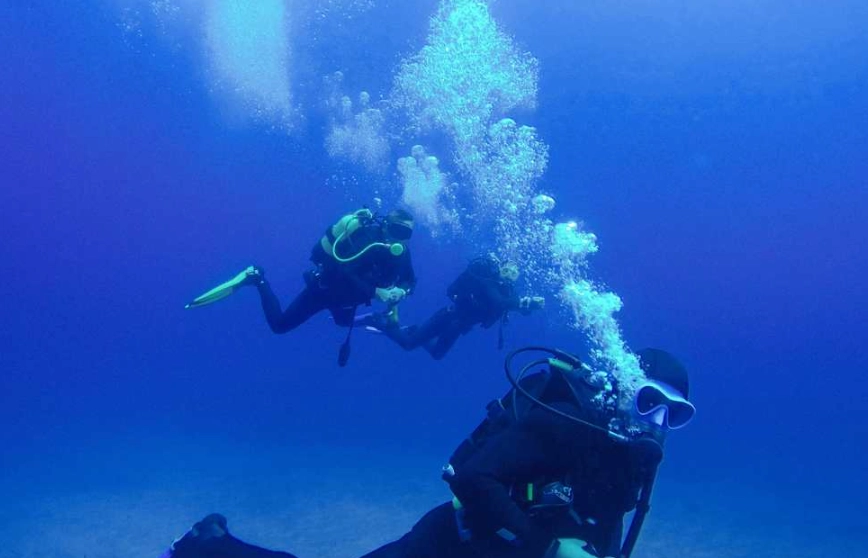
Beyond Recreational: A Glimpse at Technical Diving Techniques
Once recreational skills are on autopilot, some divers get curious about what's next. Technical diving (deeper dives, wrecks, caves) requires another layer of precise techniques. This includes things like gas switching, managing multiple stage cylinders, and running a guideline in overhead environments. The foundational skills we've discussed—perfect buoyancy, precise finning, calm breathing—are the absolute prerequisites. Organizations like SDI/TDI are major agencies for this type of training. It's a fascinating world, but it demands a rock-solid base.
Practice Drills You Can Do Anywhere
You don't need a tropical reef to improve. Most of this can be honed in a pool or even during the boring safety stop at the end of a dive.
- The Coin Hover: Place a coin on the pool bottom in the deep end. Practice hovering just above it, then picking it up without using your hands (just your buoyancy and breath), then placing it back down.
- Finning Precision: Swim through hoops (or imagined hoops) using only frog kicks or backward kicks. Try to not touch the sides.
- Buoyancy Ladder: In deep water, pick a depth (e.g., 15 feet). Using only your breath, try to rise exactly 2 feet, hold for 30 seconds, then sink back to exactly 15 feet. Then try 4 feet. This builds incredible breath control.
Seriously, use your safety stop! Instead of just hanging there bored, practice a stationary hover. Then try a slow spin. Fine-tune your trim. It's three minutes of free practice time on every dive.
Answers to the Questions Divers Actually Ask
"I always feel like I'm fighting to stay down. Am I underweighted?" Probably not. This is almost always a trim issue. If your feet are lower than your head, your fins are pushing you upward with every kick. You compensate by dumping air, then you sink when you stop kicking. Fix your trim first before adding more lead.
"My air consumption is terrible compared to my buddy. What am I doing wrong?" The big three culprits are: poor buoyancy (constantly adjusting), excessive finning (working too hard), and mental stress (which leads to fast, shallow breathing). Focus on being still and relaxed. Air consumption improves with comfort more than anything.
"How do I really improve my buoyancy? It feels random." It's not random, it's just sensitive. The breakthrough comes when you stop thinking of your BCD as the main control and start trusting your lungs. Practice the buoyancy ladder drill. It teaches you the direct, immediate cause-and-effect.
For the most current and official safety standards, best practices, and training curricula that underpin all these skills, the Professional Association of Diving Instructors (PADI) website is the global benchmark for recreational diver training. Similarly, for environmental best practices and interacting with marine life, the National Oceanic and Atmospheric Administration (NOAA) provides science-based guidelines.
Wrapping It Up: The Journey, Not the Destination
Look, mastering these diving techniques step by step is a lifelong journey. Even the most experienced instructors are still refining their hover or working on a new finning style. The goal isn't perfection. The goal is continuous improvement that leads to safer, more relaxed, and more immersive dives.
Don't try to fix everything at once. Pick one skill per dive. Next time out, just focus on your breathing rhythm. The dive after that, work on your frog kick over a sandy patch. Celebrate the small wins. That moment when you realize you haven't touched your BCD inflator for ten minutes because you're breathing yourself up and down a rock face—that's the magic.
It’s what transforms you from someone who just visits the underwater world into someone who belongs there.
So get out there, take it slow, and enjoy the process. The reef will thank you for it, and your logbook will fill up with much better stories.
Your comment